
Review · KYOTO
Kyoto : Okada Tea Ceremony & Kimono
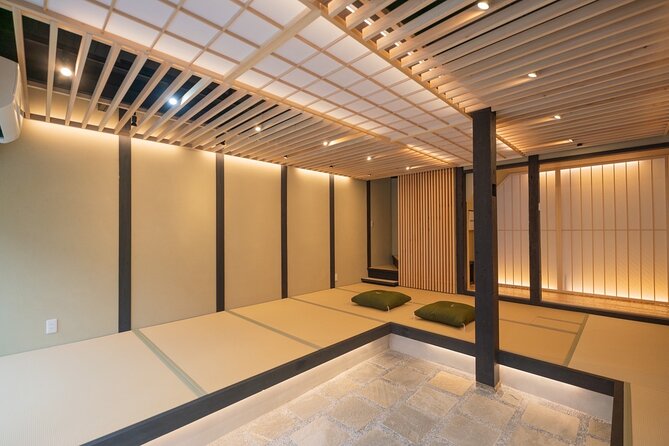
Kyoto’s traditional culture comes together neatly here: you choose a kimono, have it fitted piece by piece, then sit down for matcha and sweets in a tea ceremony led by Okada. The rental shop and tea venue are next door, so you do not have to cross town in formal clothing.
I like the hands-on dressing process, which includes every part of the kimono outfit rather than simply handing you a robe. I also like the chance to keep the kimono until 6:00 PM, giving you time to walk around Higashiyama and turn a two-hour activity into a longer Kyoto outing.
The main consideration is time. Dressing and hairstyling can take 1 to 1.5 hours, followed by a one-hour ceremony, so this is not a quick photo stop. The outfit may also feel restrictive during a long day of sightseeing.
Key points to know before booking
- The kimono fitting comes first: Allow 1 to 1.5 hours for choosing your outfit, dressing, and simple hairstyling.
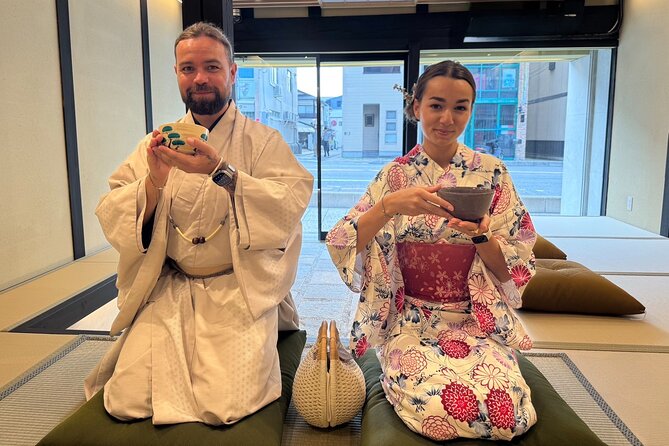
- Okada leads the tea ceremony: You learn about tea culture and customs while enjoying matcha and Japanese sweets.
- The two venues are beside each other: You can move from the rental shop to the ceremony with no extra transport.
- You can keep the kimono until 6:00 PM: That makes it easy to add a stroll through nearby Kyoto streets.
- The meeting point is near Kiyomizu-michi bus stop: The shop is about a 30-second walk from the stop.
- The group is small: A maximum of four people makes this a more personal cultural activity.
Choosing your kimono near Kiyomizu-michi
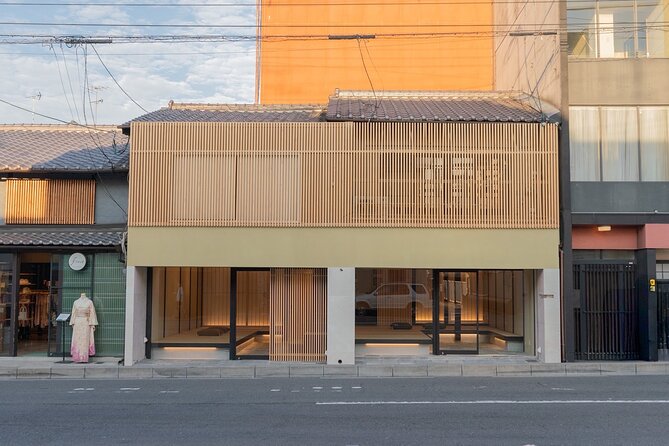
The experience begins at OKADA Japan Culture Center, at 102 Tatsumicho in Kyoto’s Higashiyama Ward. The location is about a 30-second walk from the Kiyomizu-michi bus stop, a useful detail if you are planning your day around Kiyomizu-dera and the surrounding streets.
First comes the outfit selection. You choose a kimono, then receive help putting on the many layers and accessories that make the finished look work. That process matters because it shows how much more there is to traditional dress than a single patterned robe.
Plan on 1 to 1.5 hours for dressing and simple hairstyling. That is a substantial part of the booking, but it also means you are not rushed through the preparation. The staff take you through the steps, and one especially positive account describes the dressing as covering every component of the outfit.
I would wear comfortable clothes underneath and avoid scheduling another tight appointment immediately afterward. You need time to choose your kimono, get dressed, and settle into the outfit before the tea portion begins.
More Kimono and Tea Ceremonies in Kyoto
- Kimono Tea Ceremony at Kyoto Maikoya, NISHIKI
★ 5.0 · 911 reviews - Kyoto: Kimono Tea Ceremony at Orizuruya Gion
★ 4.9 · 618 reviews - KYOTO Tea Ceremony with kimono near by Imamiya Jinjya Shrine
★ 5.0 · 343 reviews
Why the dressing process is worth the time
Many costume activities are built around a quick change and a photograph. This one gives the clothing itself a central role. You see the process from start to finish, including the separate pieces that create the final shape.
That makes the experience useful for anyone who wants more than a borrowed costume. You gain a clearer sense of how traditional Japanese dress is assembled and why the preparation takes time.
The simple hairstyling is included, but the information does not promise an elaborate salon treatment. Keep your expectations at that level. You are receiving a practical finishing touch for the kimono experience, not booking a full hair appointment.
The clothing can also affect your sightseeing plans. You can continue wearing it until 6:00 PM, but a kimono is not the easiest outfit for a long, fast-paced day. I would plan a gentle walk, photos, a nearby café, or a visit to the surrounding Higashiyama streets rather than a packed schedule across Kyoto.
From the fitting room to the tea room
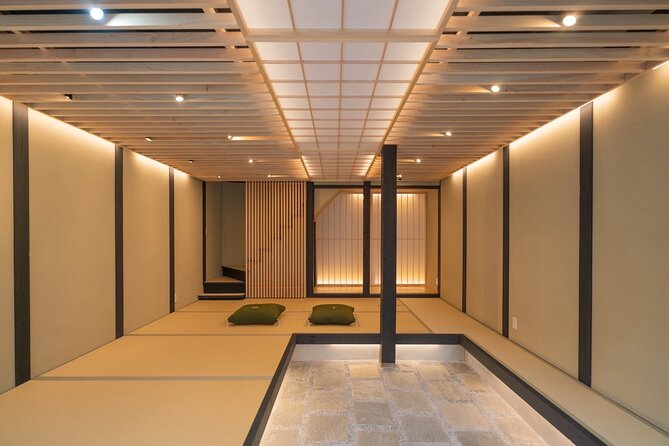
One of the strongest practical features is the layout. The kimono rental shop is right beside the tea ceremony venue. Once you are dressed, you can go directly to the next part without taking a bus, walking through crowded streets, or worrying about keeping the outfit neat during a transfer.
The tea ceremony lasts about one hour. Okada explains tea culture, the background of the ceremony, and the customs connected with it. You also enjoy matcha and Japanese sweets, so the session combines instruction with a small taste of the tradition.
This is not simply a snack served in a kimono. The value comes from learning why the ceremony follows a particular order and why the actions matter. One account describes spending time on the history and customs of tea, while another highlights Okada’s attentive and thoughtful approach.
The setting also helps. You arrive already dressed for the ceremony, and the short walk between the two spaces keeps the activity focused. There is no long transport gap between the cultural lessons.
What Okada adds to the experience
Okada is the named host connected with the tea ceremony, and the available details describe a patient, attentive teaching style. He has also taken photographs of people in their kimonos, which is a useful touch if you want a record of the occasion without arranging a separate photographer.
The instruction appears to be suitable for people who know little about tea ceremony customs. You do not need to arrive with background knowledge. The format gives you room to ask questions and understand the meaning behind the actions rather than simply copying them.
A separate account describes a very kind and patient woman assisting a family with a three-year-old child. That suggests the setting can work for young children, although you should remember that the ceremony itself lasts about an hour and requires some patience and quiet attention.
The group limit is four people. That is small enough for the host to respond to individual questions, help with the clothing, and take photographs without managing a large crowd. It also makes this a better fit for couples, families, or a small group of friends than for people seeking a big social tour.
More Tea Ceremonies in Kyoto
- Kyoto: Tea Ceremony in a Traditional Tea House in Kiyomizu
★ 4.9 · 3,519 reviews - Kyoto: Tea Ceremony Ju-An at Jotokuji Temple
★ 4.9 · 3,207 reviews - Kyoto: 45-Minute Tea Ceremony Lesson Experience
★ 4.3 · 2,378 reviews - Kyoto: Table-Style Tea Ceremony at a Kyo-Machiya
★ 4.9 · 1,211 reviews
Matcha, sweets, and the pace of the ceremony
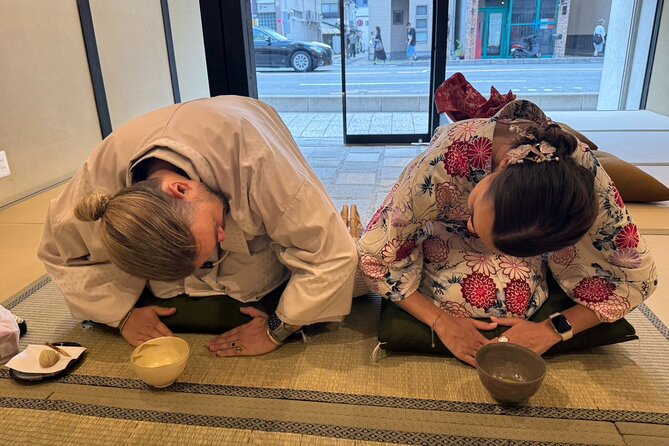
The tea portion has a measured pace. You learn, watch, and take part rather than rush from one activity to another. Matcha and sweets are included, giving you a simple introduction to the flavors associated with the ceremony.
If you are new to matcha, the experience gives you a useful cultural setting for trying it. The focus is not presented as a food tour, so do not book this expecting a large tasting menu. The treat is part of the ceremony and lesson.
The one-hour length is a good middle ground. It is long enough to explain the customs and let the activity feel meaningful, but short enough to fit into a day in Higashiyama. Still, when added to the dressing and hairstyling, the full booking takes about 2.5 hours.
I would avoid booking this directly before a timed attraction on the other side of Kyoto. The location near Kiyomizu-michi makes it best suited to a day in the eastern part of the city.
Keeping the kimono until 6:00 PM
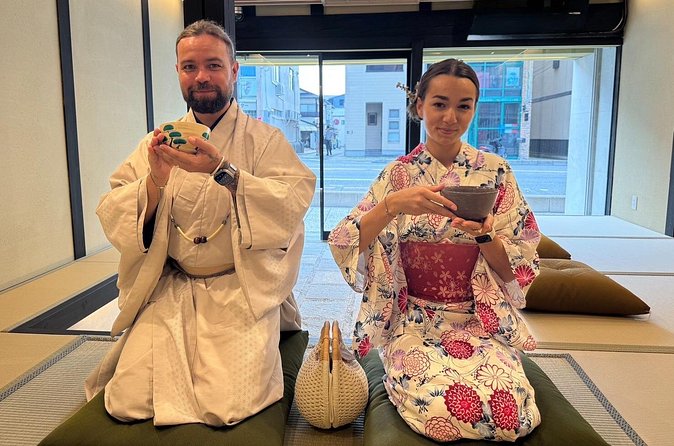
After the ceremony, you can continue wearing the kimono until 6:00 PM. This is one of the best value points in the experience because the outfit becomes part of the rest of your afternoon rather than ending when the tea lesson does.
You can use that extra time for a slow walk near the meeting point and the nearby Kyoto streets. The information does not specify an exact route or list particular attractions included with the booking, so you should plan your own outing rather than expect a guided sightseeing walk.
The arrangement is especially handy for photographs. You can take pictures after the ceremony, when you already understand the clothing and have had time to settle into it. Okada may also take photos during the experience, but the booking does not promise a dedicated photo session.
You should return the kimono according to the provider’s instructions before or by the stated end time. The key point is that the outfit is available for use until 6:00 PM, not for the rest of the evening.
Value at $84.70 per person
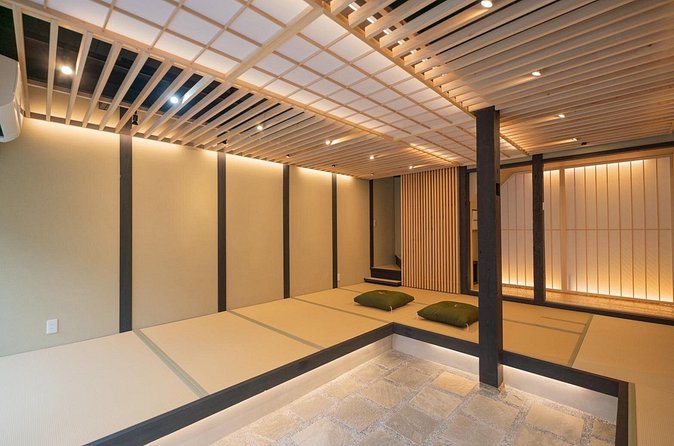
At $84.70 per person, this sits above a basic kimono rental but includes more than clothing. The price covers the kimono fitting, simple hairstyling, a one-hour tea ceremony, matcha, sweets, and access to the kimono until 6:00 PM.
I see the strongest value in the combination. Booking a rental and tea ceremony separately could mean extra travel, separate reservations, and more complicated timing. Here, the two parts take place next to each other, which saves effort and protects your sightseeing time.
The price makes the most sense if you want both traditional clothing and cultural instruction. If you only want photographs in a kimono, a simpler rental may be enough. If you want to learn about tea ceremony customs, the extra cost pays for a more complete activity.
The small group size also matters. With no more than four people, the experience is designed around personal attention rather than volume. That is useful during the fitting and especially helpful if you have questions about the tea ceremony.
Who will get the most from this Kyoto activity
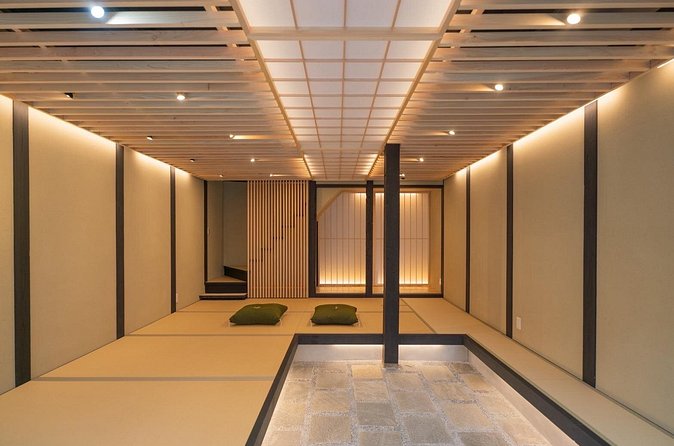
I would recommend this for first-time visitors who want a clear introduction to two familiar Kyoto images: kimono and tea ceremony. It suits people who prefer a calm, structured cultural activity instead of a crowded group tour.
It also works well for couples and families. The child-friendly account is encouraging for parents, though a three-year-old may not enjoy every quiet moment of a formal ceremony. A small group means you are less likely to feel lost in the crowd.
This is a good pick for photographers and anyone marking a special occasion. The kimono can remain with you until 6:00 PM, and photographs can be taken during the activity and afterward.
I would be more cautious if you dislike formal clothing, have a tightly packed Kyoto schedule, or want an activity with lots of movement. The fitting takes time, the ceremony is calm, and the outfit is better suited to strolling than covering long distances.
Practical details for a smooth visit
Your meeting and return point are the same: OKADA Japan Culture Center, 102 Tatsumicho, Higashiyama Ward, Kyoto 605-0855. The activity ends back at that meeting point.
A mobile ticket is provided, and confirmation is received when you book. The location is near public transportation, with the Kiyomizu-michi bus stop only about 30 seconds away.
Service animals are allowed. The activity has a maximum of four people, but the supplied information does not specify details about wheelchair access, the exact kimono selection, or the hairstyling options. If any of those points matter for you, ask OKADA Japan Culture Center before booking.
The cancellation terms are straightforward: you can cancel for a full refund up to 24 hours before the start time. Cancellations or changes made less than 24 hours before the start time are not accepted for a refund, and cut-off times use Kyoto’s local time.
Should you book the Okada tea ceremony and kimono experience?
Book it if you want a well-organized introduction to Kyoto culture that gives you both context and time in traditional dress. The nearby venues, small group limit, patient instruction from Okada, and kimono access until 6:00 PM make the $84.70 price reasonable for a two-part experience.
Skip it if you only want a quick costume photograph or if your Kyoto day is already packed with timed visits. For everyone else, this is a thoughtful way to slow down, learn what you are wearing, taste matcha, and spend part of the afternoon exploring Higashiyama at an easier pace.
FAQ
Where does the experience begin?
It begins at OKADA Japan Culture Center, 102 Tatsumicho, Higashiyama Ward, Kyoto 605-0855, Japan.
Where does the activity end?
The activity ends back at the meeting point.
How long does the experience last?
The experience lasts approximately 2 hours and 30 minutes.
How long does the kimono dressing take?
Choosing the kimono, getting dressed, and receiving simple hairstyling takes about 1 to 1.5 hours.
How long is the tea ceremony?
The tea ceremony lasts one hour.
What is included in the tea ceremony?
You learn about tea culture and ceremony customs, and enjoy matcha and sweets.
Who leads the tea ceremony?
Okada leads the tea ceremony and explains the related culture and customs.
Can I keep wearing the kimono after the ceremony?
Yes. You can continue wearing the kimono until 6:00 PM to explore and stroll nearby.
How many people can join the activity?
The activity has a maximum of four people.
Can I cancel for a full refund?
Yes. You must cancel at least 24 hours before the experience start time for a full refund. Changes or cancellations made less than 24 hours before the start time are not accepted for a refund.
Newly steeped around Kyoto
- Whisk Your Own Matcha: A Zen Matcha Experience at Temple★ 3.6 · 7 reviews
- Kyoto: Authentic Tea Ceremony in a Small Group★ 5.0 · 7 reviews
- Tea ceremony at Kyoto’s Zen Temple Teahouse★ 5.0 · 2 reviews
- Uji Walking Tour – Byodo-in temple and Tea Ceremony from Kyoto★ 3.5 · 3 reviews
- Tea Ceremony Experience in Traditional Kyoto Townhouse★ 5.0 · 19 reviews
- Tea Ceremony in 150 Years Old Townhouse with Tables and Chairs★ 5.0 · 22 reviews
- Silent Beauty of Kyoto Zen Walk and Tea Experience★ 5.0 · 2 reviews
- Traditional Tea Ceremony in Kyoto★ 4.5 · 3 reviews
Kimono & Tea Ceremony, compared.


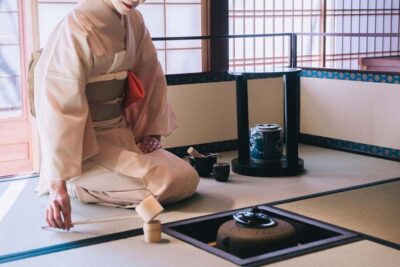
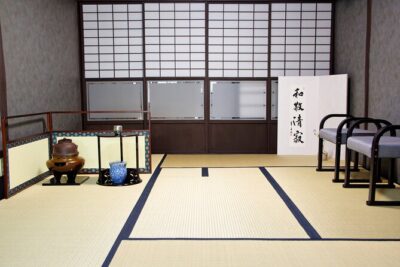
KYOTO Tea Ceremony with kimono near by Imamiya Jinjya Shrine
Read our review →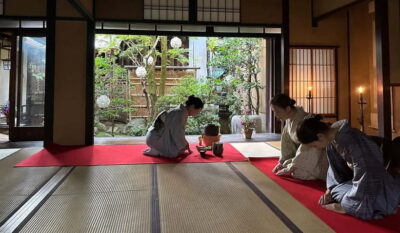
Kyoto: Kimono and Tea Ceremony Experience at Cultural Asset
Read our review →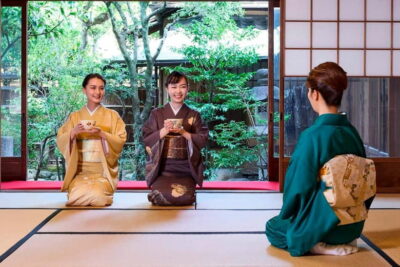
Kyoto: Kimono Tea Ceremony with Matcha and Sweet
Read our review →
Tokyo: Asakusa Kimono Dressing and Matcha Experience
Read our review →Browse the lists this tea experience appears in