
Review · KYOTO
Matcha Green Tea Plantation and Matcha Factory Visit
Uji is to Japanese matcha what a famous whisky town is to Scotch. This half-day outing takes you from Kyoto Station by local train to one of the country’s oldest tea-growing areas, where you see a plantation, visit a matcha factory, handle a green tea mill, and taste premium tea in a traditional tea hut.
I like the small group of six or fewer, which gives you room to ask questions instead of standing at the back of a crowd. I also like the five-generation family connection to the tea fields and the chance to taste more than one kind of matcha, including the most expensive variety served with Japanese sweets.
The main consideration is price. At $154.84 per person, this is not a cheap tea stop, especially since the outing lasts about three and a half hours and does not include hotel pickup or extra food and drink. You are paying for the guide, train transport, access, tasting, and a behind-the-scenes visit rather than a simple cup of tea.
Key points to know before you book
- Uji is matcha country: Travel from Kyoto to the southern Kyoto region known for high-quality green tea.
- A five-generation tea family: The visit can include a plantation and factory connected with a Japanese family that has grown matcha for five generations.
- Premium tasting included: Sample several matchas, including an especially expensive tea, with Japanese sweets in a traditional tea hut.
- Train travel from Kyoto Station: Meet at Hotel Granvia Kyoto inside the JR Kyoto Station building and travel by train with your guide.
- Small, personal group: The maximum group size is six people, useful for questions and close explanations.
- Practical tea advice: Learn ways to make green tea part of your daily routine at home, then browse tea and tea utensils in Uji.
Why Uji is the right place for a matcha tour
You can drink matcha all over Kyoto, but Uji gives the cup a sense of place. The town is widely known in Japan for its tea production, and this experience takes you beyond the finished drink to the fields and machinery behind it.
Matcha came to Japan through a Zen monk in the 12th century. That long connection between tea, Buddhist practice, and Japanese daily life helps explain why matcha is treated as more than a trendy green drink. The point here is not only to taste it, but to understand how it is grown, prepared, and used.
I find that useful for two reasons. First, you get a clearer idea of why high-grade matcha costs more than a bright green powder from a supermarket. Second, you leave with practical advice for preparing green tea at home rather than treating the experience as a one-time tasting.
The experience is based in Uji, in southern Kyoto Prefecture, rather than in central Kyoto. That small change of setting matters. You trade busy city streets for a tea-growing area and see the part of the region that supplies the drink served in cafés and tea rooms across Japan.
More Green Tea Tours in Japan
- Scenic Green Tea Fields of Hidden Kyoto & Local Tea Exp (Private)
★ 5.0 · 32 reviews - Kyoto Matcha Green Tea Tour
★ 4.7 · 28 reviews - Sencha-do the Japanese Tea Ceremony Workshop in Kyoto
★ 5.0 · 21 reviews
Meeting at Kyoto Station and taking the local route
The tour begins at Hotel Granvia Kyoto, located in the JR Kyoto Station building near the central entrance. This is a sensible meeting point because Kyoto Station is easy to reach by train, and you do not need to find a small shop or distant hotel in an unfamiliar neighborhood.
From there, you travel by train to Uji with your English-speaking guide. Train transportation is included in the price, so you do not need to work out the local fare for this part of the outing. Just remember that hotel pickup and drop-off are not included. You need to reach Kyoto Station on your own.
I like the train transfer because it makes the trip feel more like a normal day in Japan than a packaged coach excursion. It also gives your guide time to explain where you are going and answer questions before the plantation visit begins.
Plan your morning or afternoon carefully. Departure times are flexible, but the activity lasts about three and a half hours. The Uji portion is described as about three hours, so leave extra time around the scheduled start and finish. The activity returns to the same meeting point at Kyoto Station.
Walking through an old tea plantation
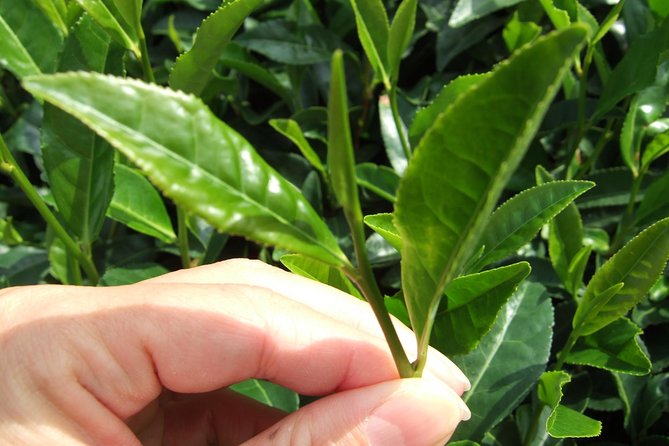
The plantation is the heart of the outing. You see tea plants growing in the Uji area and learn how the crop is handled before it becomes the fine powder used for matcha.
One especially interesting detail is the connection with a Japanese family that has grown matcha for five generations. That does not turn the visit into a staged museum display. Instead, it gives you a direct link between family farming, local knowledge, and the cup in front of you.
You learn about the history of matcha and the different varieties of tea plants. The tour also explains how the crop is processed, so you can connect the plants in the field with the finished product served during the tasting.
The plantation visit may be most valuable for anyone who drinks matcha regularly but has never seen where it begins. You get a more realistic view of the work involved and a better sense of why growing conditions, plant type, and production methods affect flavor and price.
The trade-off is that the supplied information does not promise a large estate or long rural walk. You are visiting a small tea plantation and a factory as part of a compact Uji excursion. If you expect a full-day farm visit with extensive trails, this is likely too short. If you want a focused introduction from Kyoto, the length works well.
Seeing the matcha factory and green tea mill
After the plantation, you visit the matcha factory and see how the tea is manufactured. A hands-on look at the green tea mill helps make the process more concrete than a guide’s explanation alone.
Matcha is not simply ordinary tea poured into a grinder. The factory visit gives you a chance to follow the tea from plant to finished powder and to see the equipment used in that transformation. The details are especially useful if you are comparing grades or wondering why some matcha tastes smooth while other tea tastes sharp or bitter.
The guide explains the production process in English, and the small group size should make it easier to hear and ask questions. The group maximum is six, which is a real advantage inside a working or visitor-accessible facility.
You should keep your expectations grounded. The factory is one part of a three-and-a-half-hour experience, not a full industrial tour. The supplied details do not promise a large production floor, every stage of farming, or a chance to make matcha from start to finish. What you do get is a close look at the central process and the machinery used to mill the tea.
More Matcha Experiences in Kyoto
- Kyoto: Arashiyama Bamboo Forest, Monkeys, Matcha & Temple Tour
★ 5.0 · 759 reviews - Kyoto: Tea Ceremony Meditation – Make Matcha with Tea Master
★ 4.8 · 406 reviews - Kyoto: Kimono Tea Ceremony with Matcha and Sweet
★ 4.9 · 249 reviews - Kyoto: Arashiyama Bamboo, Temple, Matcha, Monkeys & secret spots
★ 5.0 · 219 reviews
Tasting premium matcha in a traditional tea hut
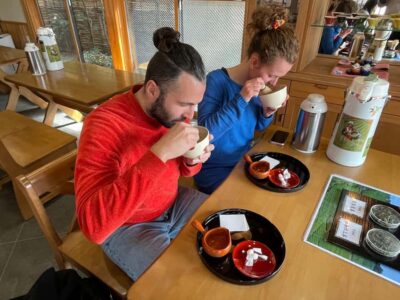
The tasting is the most relaxing part of the visit. You sample multiple varieties of matcha and try the most expensive matcha offered during the experience, served with Japanese sweets in a traditional tea hut.
This is more useful than simply receiving a prepared cup. Tasting several varieties side by side helps you notice differences in flavor, texture, and finish. The Japanese sweets also matter. Their sweetness gives you a point of comparison and shows how tea is traditionally balanced with food.
The tea hut setting adds a cultural layer without requiring you to attend a long formal ceremony. You get to enjoy the drink in a traditional environment while the guide explains what you are tasting.
You should not expect a full meal. Food and drink are included only as stated, which means the matcha tasting and sweets are covered but additional refreshments are not. Eat beforehand if you need something substantial, particularly if you choose an afternoon departure.
This portion also makes the price easier to judge. A basic tea tasting in Kyoto can cost much less, but it will not usually include the train trip to Uji, a plantation visit, a factory look, guided explanations, and a premium tasting in one compact outing.
Learning how to use green tea at home
The experience does not stop with tasting. You also learn how to make green tea part of your daily routine after returning home.
That practical angle is easy to overlook, but I think it is one of the better reasons to book. You may leave with a clearer idea of which tea suits your habits, how matcha fits into ordinary life, and how to think about the health benefits often associated with Japanese green tea.
The tour presents the health side as part of the wider lesson rather than as a medical promise. You learn about the widely discussed benefits of green tea, but the experience is mainly about cultivation, production, tasting, and use.
If you already prepare matcha at home, you may appreciate the chance to compare your routine with Japanese tea customs. If you are new to matcha, the guide can help turn an unfamiliar powder into something less intimidating.
Shopping for Uji tea and tea utensils
After learning about tea, you have time to shop for green tea and tea utensils. This is a useful addition because Uji offers items that can be harder to find elsewhere in Japan.
You may find matcha, other green teas, and tools for preparing tea. The exact products are not specified, so treat shopping as an opportunity rather than a guaranteed list of purchases.
I recommend waiting until after the tasting before buying a large tin of matcha. You will have a better sense of what you enjoy, and you can ask the guide for help comparing varieties or choosing utensils. The guide’s advice may be especially helpful if you want to continue the habit at home rather than buy a decorative item that sits unused.
Shopping is optional, and extra purchases are not included in the tour price. Bring a payment method you are comfortable using, but do not feel pressured to buy. The value of the experience rests on the visit and tasting, not on the retail stop.
The guide and group size
The professional English-speaking guide is central to this experience. The guide explains the tea-growing area, translates the production process into plain English, handles the train transfer, and helps connect the tasting with everyday use.
The guide names associated with this experience are Mia and Mie. The spelling appears in both forms, so you may want to confirm the assigned guide when booking if that matters to you.
A maximum of six people makes this closer to a private outing than a standard large-group tour. It should be easier to ask why one matcha costs more, how tea plants differ, or what utensil you should buy. It also means the guide can pay more attention to the pace and interests of the group.
The small size does not guarantee that every departure will feel fully private. The experience is still a group tour, and the precise mix of visitors can change. Still, six is a favorable limit for a plantation and factory visit where sight lines, sound, and questions matter.
Is $154.84 a fair price?
At $154.84 per person, the cost is high for a three-and-a-half-hour activity. The price makes more sense when you count what is included: a professional English-speaking guide, train transportation, entrance fees, matcha tasting, and Japanese sweets.
You are also paying for access and context. A cup of matcha alone tells you very little about the plants, milling, family farming, or regional identity of Uji. This experience brings those pieces together and lets you taste the result.
I would call it good value for a serious tea fan, a visitor who wants a small-group outing, or anyone who prefers a focused cultural activity over another temple visit. It is less convincing for a casual sightseer who only wants to try matcha once or who is watching every yen.
Group discounts may help if you are booking with companions. Since the tour is capped at six people, check the final price for your party before deciding. The activity includes transportation fees, but not hotel transfers, extra meals, or drinks beyond the stated tasting.
Who should book this Uji tea experience?
This is a strong choice for matcha fans, food-focused visitors, and anyone curious about how Japanese products are made. It also suits repeat visitors to Kyoto who want a half-day trip with a clear purpose.
You do not need to be a tea expert. The plantation, factory, tasting, and shopping work for beginners, while the different varieties and premium sample give experienced tea drinkers something to compare.
The tour may not suit you if you want a full tea ceremony, a long countryside walk, or a full day in Uji. It is also not ideal if you dislike scheduled group activities or would rather explore the town independently.
The meeting point is near public transportation, and most people can participate. The experience requires good weather, so poor conditions can lead to a different date or a full refund. You can cancel free of charge up to 24 hours before the start time, but later cancellations and changes are not accepted.
Should you book it?
Book this experience if you want to understand matcha beyond the café counter. The five-generation family connection, small group, factory visit, premium tasting, and train ride to Uji give the outing a real sense of place.
Skip it if $154.84 feels too steep for a short activity or if your main goal is simply to drink matcha. For everyone else, especially visitors who enjoy food traditions and hands-on production visits, this is a thoughtful way to spend a half-day from Kyoto.
FAQ
Where does the matcha tour start?
It starts at Hotel Granvia Kyoto in the JR Kyoto Station building, near the central entrance in Shimogyo Ward, Kyoto.
How long does the experience last?
The activity lasts approximately three hours and thirty minutes. The Uji portion is listed as about three hours.
How do you reach Uji?
You travel by train from Kyoto Station to the Uji region with the guide. Transportation fees are included.
Does the tour return to Kyoto Station?
Yes. The activity ends back at the meeting point at Hotel Granvia Kyoto.
What is included in the price?
The price includes a professional English-speaking guide, entrance fees, train transportation, matcha tasting, and Japanese sweets.
Is hotel pickup included?
No. Hotel pickup and drop-off are not included. You need to reach the Kyoto Station meeting point yourself.
How large is the group?
The maximum group size is six people.
Are food and drinks included?
Matcha tasting and sweets are included. Other food and drink are not included.
Can I cancel for a full refund?
Yes, if you cancel at least 24 hours before the experience start time. Cancellations or changes made less than 24 hours before the start time are not refunded or accepted. If poor weather causes the tour to be canceled, you are offered another date or a full refund.
More Tea Factory Tours in Kyoto
- Kyoto: Uji Matcha Tea Museum Entry Ticket
★ 5.0 · 5 reviews - Kyoto: Tea Museum Tickets and Matcha Grinding Experience
★ 4.9 · 739 reviews - Uva Halpewatte Tea Factory Tour in Ella Sri Lanka
★ 5.0 · 653 reviews - Nuwara Eliya: Tea Factory and Pickle Waterfalls Tuk Tuk Tour
★ 4.7 · 113 reviews
More Green Tea Tours in Kyoto
- Cycling Tour at Uji’s Matcha Green Tea Fields and Heritage
★ 5.0 · 10 reviews - Family Mitsui House Museum with green tea admission ticket
★ 4.0 · 5 reviews - Experience all of Japanese culture and Japanese food experience classes “origami, udon, Japanese food, green tea, calligraphy” in 4 hours
★ 5.0 · 105 reviews - Uji: Green Tea Tour with Byodoin and Koshoji Temple Visits
★ 4.8 · 72 reviews
Newly steeped around Kyoto
- Whisk Your Own Matcha: A Zen Matcha Experience at Temple★ 3.6 · 7 reviews
- Kyoto: Authentic Tea Ceremony in a Small Group★ 5.0 · 7 reviews
- Tea ceremony at Kyoto’s Zen Temple Teahouse★ 5.0 · 2 reviews
- Uji Walking Tour – Byodo-in temple and Tea Ceremony from Kyoto★ 3.5 · 3 reviews
- Tea Ceremony Experience in Traditional Kyoto Townhouse★ 5.0 · 19 reviews
- Tea Ceremony in 150 Years Old Townhouse with Tables and Chairs★ 5.0 · 22 reviews
- Sencha-do the Japanese Tea Ceremony Workshop in Kyoto★ 5.0 · 21 reviews
- Silent Beauty of Kyoto Zen Walk and Tea Experience★ 5.0 · 2 reviews
Green Tea Tours, compared.
Uji: Green Tea Tour with Byodoin and Koshoji Temple Visits
Read our review →
Scenic Green Tea Fields of Hidden Kyoto & Local Tea Exp (Private)
Read our review →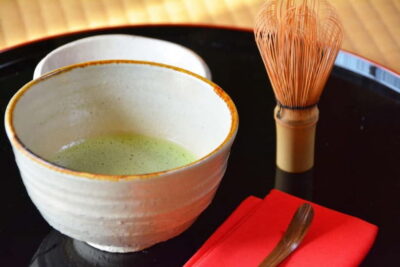
Osaka; Japanese Tea ceremony experience, Macha and Sencha
Read our review →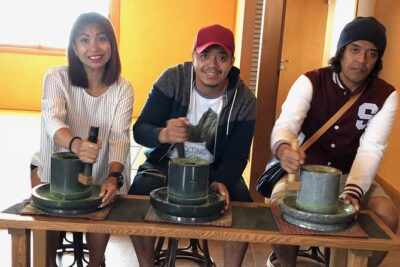
Slow Cycling Tour at Uji’s Matcha Green Tea Fields and Heritage
Read our review →
Sencha-do the Japanese Tea Ceremony Workshop in Kyoto
Read our review →
Uji Tea Ceremony and UNESCO Heritage Walking Tour
Read our review →Browse the lists this tea experience appears in