
Review · OSAKA
Matcha Making Class in Osaka with Authentic Japanese Sweets Set
Osaka’s matcha class is less a formal tea ceremony than a friendly, hands-on lesson in making tea properly. You’ll learn how matcha is produced, see the correct tools, whisk your own bowl, and pair it with Japanese sweets. I like the small maximum of six people and the way instructors such as Momo, Fuko, Matty, and Yui make the lesson interactive with visuals, questions, and simple English.
I also like the practical take-home value. You are not only sipping matcha in a pretty setting. You are learning a method you can repeat at home. The main drawback is finding the exact building, which has caused some confusion. Give yourself extra time, check the official location video or directions, and remember that the activity ends where it begins.
Key Points
- A six-person limit keeps the lesson personal, with room for corrections and questions.
- You make your own matcha, rather than simply watching a demonstration.
- English-speaking hosts use quizzes and visuals to explain matcha’s background and preparation.
- Japanese sweets are included, giving you the traditional sweet-and-bitter pairing.
- Morning and afternoon sessions make this easy to fit around Osaka sightseeing.
- The class lasts about one hour and costs $21.89 per person, a reasonable price for a guided cultural activity.
A One-Hour Matcha Lesson in Central Osaka
This is a compact cultural experience in Osaka’s Chuo Ward, at 1-chōme-16-20 Higashishinsaibashi. The class meets at Matcha Making Osaka and returns to the same place at the end.
The setting is useful for an Osaka itinerary because you are not committing half a day to the activity. A one-hour class can fit before lunch, between sightseeing stops, or during an afternoon in the Shinsaibashi area. Morning and afternoon options give you a little more control over the day.
The group limit is six people. That matters here. Matcha preparation looks simple, but small errors in the amount of powder, water temperature, or whisking can affect the result. In a large demonstration, you might miss the correction. In this format, the instructor can watch what you are doing and offer hands-on guidance.
The class is aimed at beginners. You do not need to know Japanese tea etiquette or own a bamboo whisk. The tools and ingredients are prepared for you, so the hour focuses on learning rather than shopping or setting up.
More Matcha Experiences in Osaka
- Osaka: Matcha Making Experience with Japanese Sweets
★ 5.0 · 146 reviews - Osaka Temple Cool Foot Bath & Matcha Experience〈45min〉
★ 4.9 · 82 reviews - Osaka Temple Head Spa &Matcha Facial – Refresh & Glow〈90min〉
★ 5.0 · 24 reviews
Starting With Matcha’s Story
The lesson begins with context before you make the tea. You learn where matcha comes from, how it is produced, and why it has such an important place in Japanese culture.
This part gives meaning to the bowl in front of you. Matcha is not simply green tea powder stirred into hot water. The class explains the tea’s background and the customs connected with serving it, including the tea ceremony tradition.
The teaching style sounds lively rather than stiff. Fuko, one of the named instructors, used a quiz to help participants remember the main points. Another session included visuals and short questions to keep the history and production information easy to follow.
That approach is helpful if you are curious about Japanese culture but do not want a long lecture. The class gives you enough context to understand what you are doing without turning the hour into a textbook lesson.
The information also helps you judge the word authentic sensibly. This is an authentic matcha-making experience, with traditional tea, tools, preparation, and sweets. It is presented in a casual, beginner-friendly format rather than as a full formal tea ceremony with an elaborate sequence of rituals.
Learning the Tools Before You Whisk
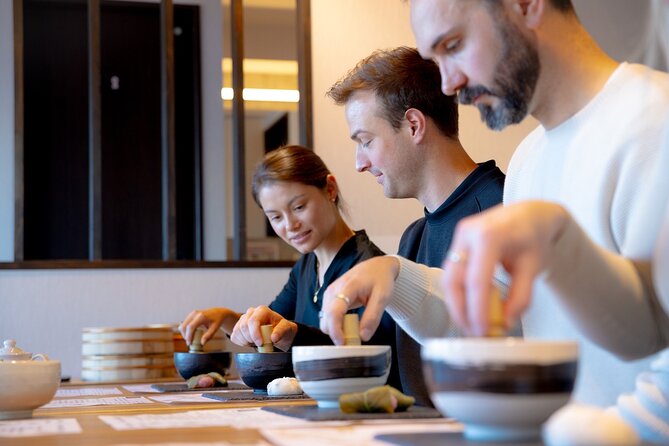
The instructor walks you through each stage and has the ingredients ready. You learn the basic process for preparing a bowl of matcha, then try it yourself.
The important point is that you do not merely watch someone make a perfect bowl. You handle the tools and repeat the method under guidance. If your technique is not quite right, the teacher can show you how to adjust it.
For anyone who already buys matcha at home, this is likely the most useful part. Many people know they enjoy matcha but have never learned how to prepare it properly. The class gives you a clear method instead of leaving you to guess from a packet or a short online video.
The session also leaves room for questions. Hosts named in the experience feedback include Momo, Fuko, Matty, and Yui, all praised for being easy to understand, friendly, and engaging. Instructor assignments can vary, so do not book expecting a specific person unless the provider confirms it. Still, the repeated strength of the teaching style is clear: simple explanations, a relaxed mood, and plenty of encouragement for first-timers.
Making Your Own Bowl of Matcha
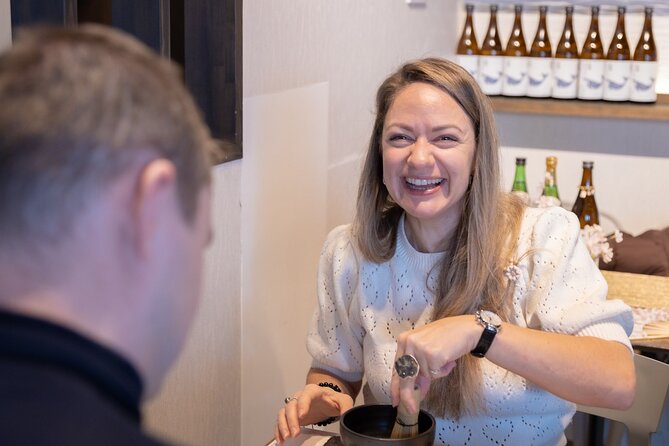
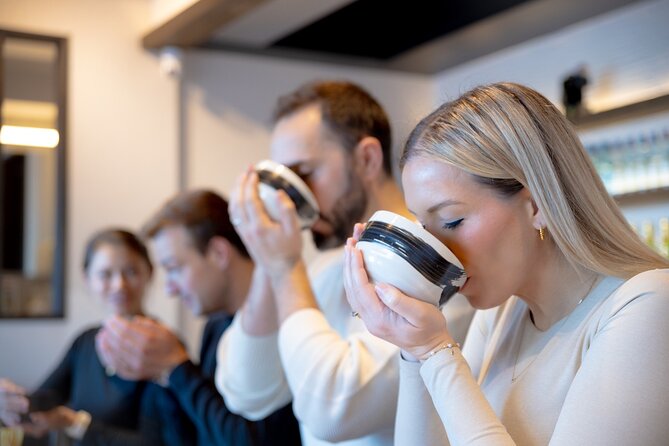
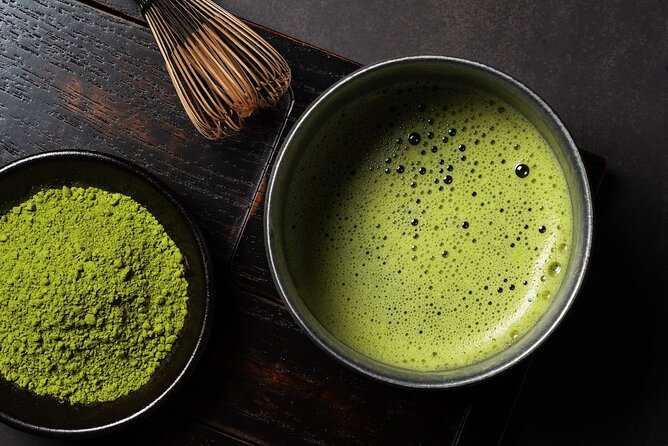
The hands-on preparation is the heart of the class. You make your own matcha with the provided ingredients, then drink what you prepare.
There is a small pleasure in seeing the tea change under your own whisk. You can also notice how much difference proper preparation makes. The experience is not just about tasting matcha. It shows you the physical process and gives you a better sense of the effort behind a smooth bowl.
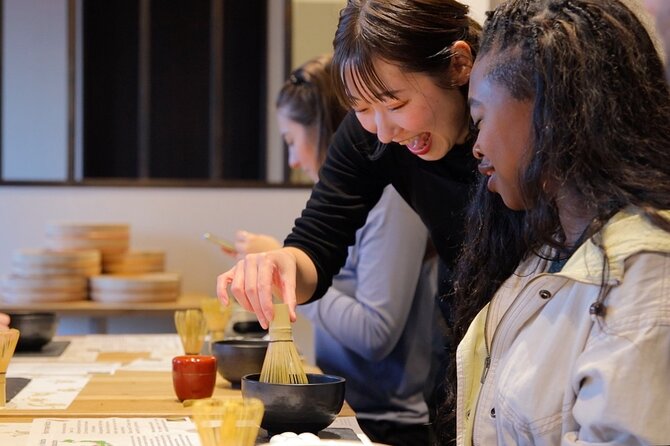
The instructor corrects mistakes as you go. That is particularly useful for solo participants, couples, and small groups with different levels of interest. A confident tea drinker can ask more detailed questions, while someone completely new to matcha can follow the basic steps without feeling behind.
You should also expect an informal class atmosphere. The lesson is described as calm, memorable, and relaxed, but it is not presented as a silent ritual. Quizzes, photos, and conversation are part of the experience. If you want a highly formal tea ceremony with strict etiquette and long periods of quiet, this is not the right choice. If you want to understand matcha by making it yourself, the format makes more sense.
More Tea and Sweets Making in Osaka:
- Osaka: Japanese Traditional Sweets Making and Tea Ceremony
★ 4.7 · 118 reviews - Osaka : Exclusive Tea Ceremony & Wagashi Cooking
★ 5.0 · 2 reviews - Matcha Making Class in Tokyo with Authentic Japanese Sweets Set
★ 5.0 · 744 reviews - Tangier: Sunset, Tea, Sweets, Camel Ride, and Hercules Caves
★ 4.9 · 575 reviews
Japanese Sweets With Bitter Green Tea
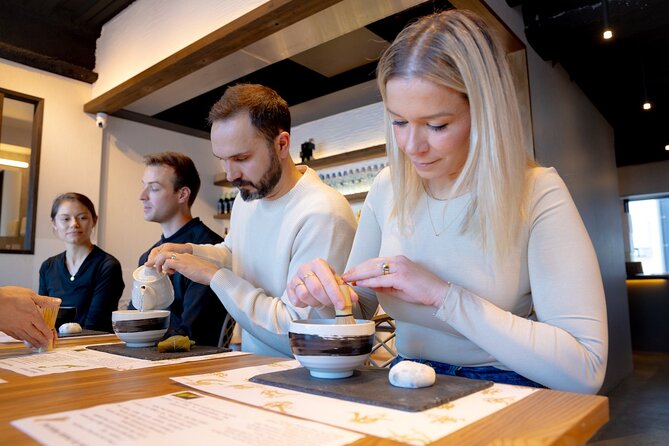
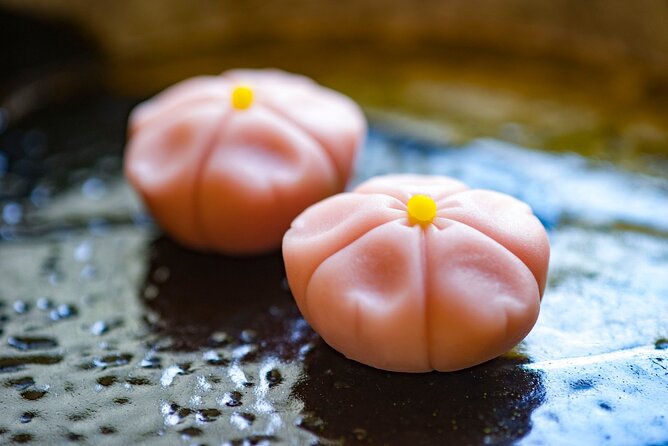
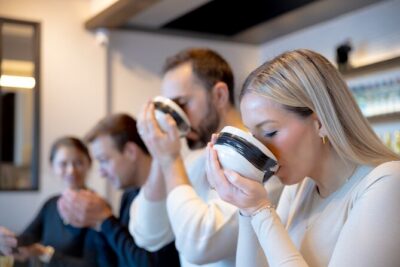
Your tea comes with Japanese sweets. This pairing is more than a snack added to the ticket. Sweet flavors help balance matcha’s grassy bitterness and make the tea easier to appreciate, especially if you are trying it for the first time.
The exact sweets can vary, but the experience includes a set of Japanese treats with the matcha. Several comments praised both the tea and the sweets, describing the food as delicious and well matched to the drink.
You may also find this useful if someone in your group is unsure about matcha. The sweets make the tasting gentler and give you another part of Japanese food culture to enjoy. Even if you already drink matcha regularly, the pairing turns a simple cup of tea into a more complete break.
The food is not meant to be a full meal. Plan lunch or dinner separately. This is a small cultural tasting attached to the class, not a cooking workshop or a restaurant visit.
Why the Six-Person Limit Matters
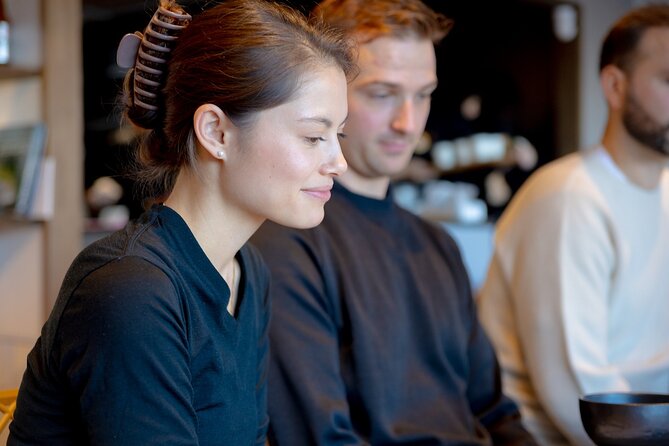
A maximum of six people gives the class a more personal feel than many quick cultural activities. You can see the instructor’s demonstration, ask questions, and get help with your own bowl without waiting behind a large crowd.
This size also works well for solo participants. You do not need to arrive with a group, and the activity is structured enough that you will have something to do from the start. Couples and families with older children may also find the format easy to manage, though the supplied information does not specify a minimum age.
The small group size does not mean the class is private. Other people can join your session, and the teaching style may vary with the group. Still, six is a useful ceiling for a lesson based on individual practice.
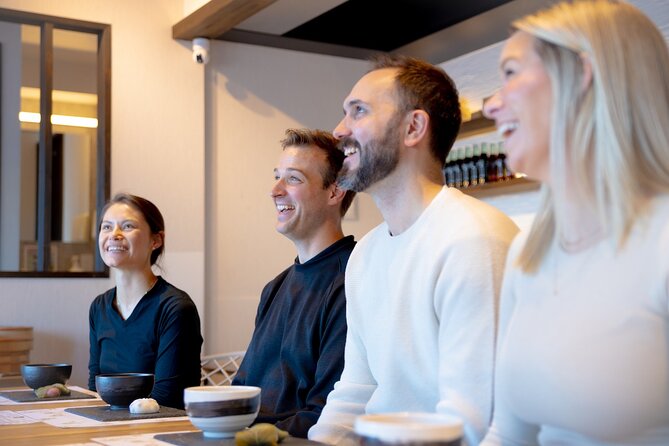
The atmosphere seems to be one of the class’s strongest features. Matty was praised for making the activity interactive, while Yui was described as clear and easy to understand. Fuko’s use of a quiz shows how the hosts add energy without making the lesson feel like a performance.
Planning Around Shinsaibashi
The meeting point is in Higashishinsaibashi, in Osaka’s Chuo Ward, near public transportation. The tour does not include hotel pickup or drop-off, so you need to make your own way to the address.
Allow extra time to locate the entrance. The building has been difficult for some people to identify, and one practical tip is to watch the provider’s YouTube short or location video before leaving. Use the full address, not just the activity name, and check the building details in your booking confirmation.
This is the sort of small logistical issue that can spoil an otherwise pleasant one-hour class if you arrive rushed. I would aim to be in the neighborhood early enough to find the entrance calmly. Once inside, the activity itself is straightforward.
The activity ends back at the meeting point, so you can plan your next stop from the same central area. The supplied information does not specify a walking time from any particular station, so check your route on the day rather than relying on a guessed distance.
Is $21.89 a Fair Price?
At $21.89 per person, the class offers good value for a short cultural activity. You receive an English-speaking instructor, the matcha, Japanese sweets, use of the tools and ingredients, and direct instruction in a group capped at six.
The price looks especially fair if you want something more active than sightseeing. A tea shop visit might give you a bowl of matcha, but it would not usually teach you how to prepare it or explain the background in the same way. This class gives you both the tasting and the lesson.
It is less compelling if you only want a quick drink. You are paying for instruction, cultural context, and the chance to make the tea yourself. If those parts do not interest you, a café may be simpler.
The class also has a practical souvenir value. You leave with a method rather than an object. Once you buy matcha later, you will have a better idea of how to use it at home.
Who Should Book This Osaka Experience?
I would recommend this class to:
- First-time matcha drinkers who want a gentle introduction.
- Tea fans who have never learned the correct preparation.
- Solo visitors looking for a short activity with a social setting.
- Couples and small groups who enjoy food and cultural lessons.
- People with a free morning or afternoon in central Osaka.
- Anyone who wants an indoor activity that does not require a full day.
It also suits people who enjoy learning through participation. You will get more from the class if you want to hold the whisk, ask questions, and taste the result.
I would be more cautious about booking if you want a grand, formal tea ceremony or a long, highly traditional performance. This is a casual instructional class. Its strength is clarity and participation, not ceremony on a large scale.
The class is also not a substitute for a meal. The sweets are part of the tea experience, but you should arrange separate food afterward.
Booking Details and Cancellation
Your confirmation is issued at booking, and the activity is available with a mobile ticket. Service animals are allowed, and the meeting point is near public transportation.
Free cancellation is available if you cancel at least 24 hours before the scheduled start time. Cancellations made less than 24 hours before the start, as well as changes during that period, are not accepted for a refund. Cutoff times use Osaka’s local time.
One detail deserves attention: the meeting point is identified as Matcha Making Osaka, while the experience provider is listed as Sushi Making Tokyo Cooking Class in Japan. This may simply reflect the company’s wider booking setup, but check your confirmation carefully so you follow the correct activity name and address.
Should You Book the Matcha Class?
Book it if you want a short, affordable Osaka activity that teaches you something useful and lets you taste the result. The strongest reasons are the six-person limit, patient English instruction, hands-on preparation, and Japanese sweets.
The class is especially worthwhile for anyone who has bought matcha in Kyoto or elsewhere but never learned how to make it properly. You will leave with more than a photograph and a cup of tea. You will understand the basic method and the cultural setting behind it.
Just plan for the one real nuisance: finding the building. Check the location information before you go and arrive early. If you do that, this one-hour lesson makes a smart addition to an Osaka day.
FAQ
Where does the matcha class take place?
The meeting point is Matcha Making Osaka, at 1-chōme-16-20 Higashishinsaibashi, Chuo Ward, Osaka, 542-0083, Japan.
How long does the experience last?
The class lasts approximately one hour.
What does the class include?
It includes an English-speaking instructor, matcha, and Japanese sweets.
Are the tools and ingredients provided?
Yes. The tools and ingredients are prepared for you as part of the class.
Do I need prior matcha experience?
No. The class is designed for beginners, and the instructor guides you through each step.
Is the class taught in English?
Yes. An English-speaking instructor leads the experience.
How many people can join the class?
The maximum group size is six people.
Are morning and afternoon sessions available?
Yes. The experience offers morning and afternoon class times.
Does the activity include hotel pickup and drop-off?
No. Hotel pickup and drop-off are not included. You must travel to the meeting point yourself.
Can I cancel for a full refund?
Yes, if you cancel at least 24 hours before the scheduled start time. Cancellations made less than 24 hours before the start are not refundable.
Newly steeped around Osaka
- Osaka:Zen Tea Ceremony and Foot Bath Experience<45min>★ 5.0 · 7 reviews
- Osaka Japanese Cooking And Matcha Class near Osaka Castle★ 5.0 · 22 reviews
- Nara Deer Park, Uji Matcha, & Hot Spring Full-Day Tour from Osaka★ 4.0 · 21 reviews
- Osaka: Tea Ceremony, Calligraphy, and Kimono Experience★ 5.0 · 6 reviews
- Tea and Calligraphy Session at a Table in Osaka★ 5.0 · 4 reviews
- Osaka: Nara, Todaiji, Uji Matcha, and Hot Spring Tour★ 4.0 · 7 reviews
- Craft Sushi and Matcha Ice Cream in Central Osaka (3-Course Meal)★ 5.0 · 2 reviews
- ZEN therapy | Shiatsu-style massage, EnergyTherapy & Japanese Tea★ 5.0 · 5 reviews
Tea & Sweets Making, compared.
Matcha Making Class in Tokyo with Authentic Japanese Sweets Set
Read our review →
Tangier: Sunset, Tea, Sweets, Camel Ride, and Hercules Caves
Read our review →
Tokyo: Matcha Making Experience with Mochi Sweets in Asakusa
Read our review →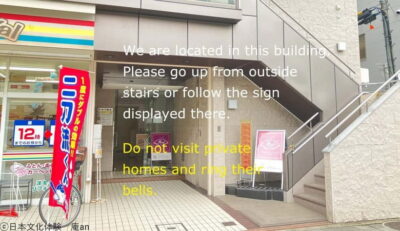
Kyoto: Japanese Traditional Sweets Making and Tea Ceremony
Read our review →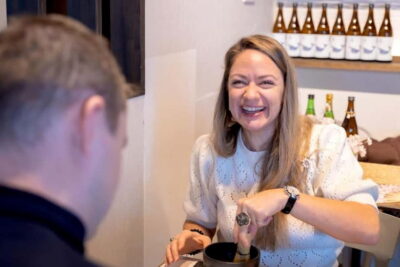
Osaka: Matcha Making Experience with Japanese Sweets
Read our review →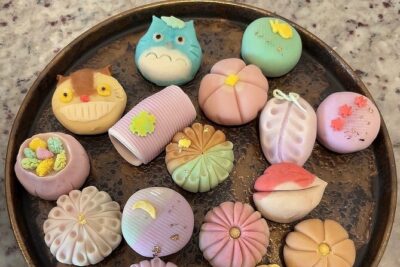
Make Traditional Nerikiri Sweets & Matcha experience in Shibuya
Read our review →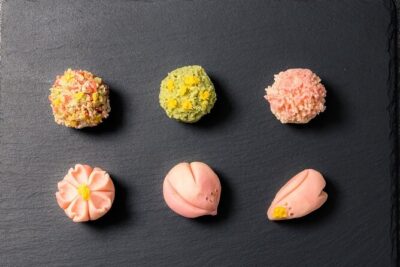
Sweets Making and Kimono Tea Ceremony at Tokyo Maikoya
Read our review →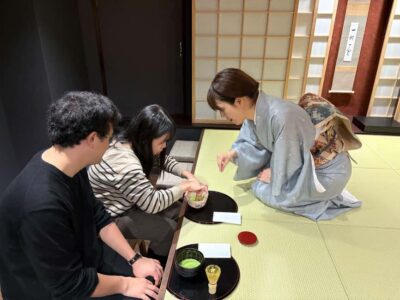
Kyoto: Traditional Tea Ceremony with Matcha & Sweets in Gion
Read our review →Browse the lists this tea experience appears in