
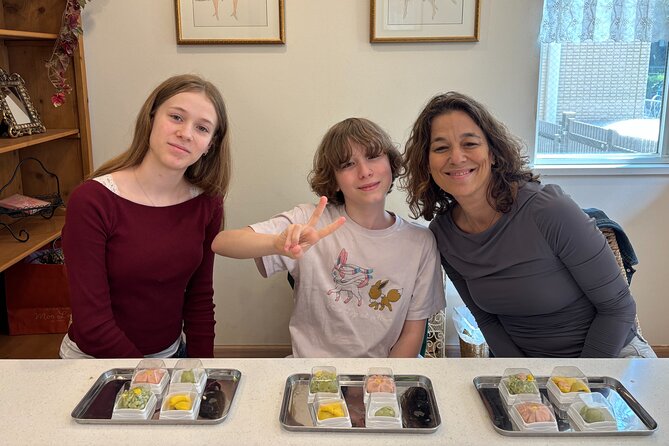
Review · TOKYO
Making Japanese desserts Nerikiri & drinking matcha in Tokyo
Japanese sweets can look more like tiny works of art than something meant to be eaten. This 90-minute class lets you make three seasonal nerikiri confections by hand, then enjoy them with powdered matcha. You learn the story behind the sweets as well as the basic shaping process.
I like the small group of up to eight, since that gives you a better chance to get help with the tricky details. I also like that the class includes every ingredient and tool, plus a packet for taking your sweets home. The main thing to keep in mind is that the meeting place can change from Shimokitazawa to Toritsu Daigaku Station, so read the instructor’s email carefully.
Key points
- Three seasonal sweets: The designs and kneaded dough change with the season.
- Hands-on instruction: You make the nerikiri yourself instead of only watching a demonstration.
- Matcha included: Your finished sweets are served with powdered green tea.
- Small class size: The group is limited to eight people.
- Take-home packets: You can eat your creations immediately or carry them away.
- Flexible Tokyo setting: The class is usually in Shimokitazawa, with Toritsu Daigaku Station as a possible alternative.
Making Japanese Confectionery by Hand
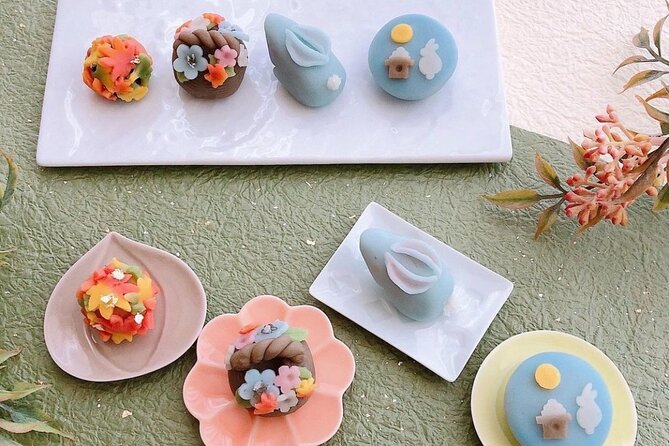
Nerikiri is a traditional Japanese sweet made from a soft, kneaded dough. It is shaped into seasonal forms, often with colors and patterns that suggest flowers, leaves, fruits, or other images from nature.
You will make three kinds of seasonal kneaded dough during the class. The exact designs depend on the time of year, so the activity changes rather than repeating one fixed set of sweets on every date.
That seasonal focus gives the class more meaning. Japanese food often pays close attention to the calendar, and nerikiri is a clear example. A spring class may use shapes associated with the season, while another time of year brings different colors and forms. The precise designs are not guaranteed in advance, but the instructor will explain what you are making and why it fits the season.
The work is done with your hands. You will follow the instructor’s explanation, handle the dough, and shape the sweets yourself. This makes the class suitable for beginners who want a real activity rather than a polished food demonstration.
You do not need to bring ingredients or special equipment. The class supplies the tools and materials, which makes this easy to fit into a Tokyo sightseeing day.
More Matcha Experiences in Tokyo
- Matcha Making Class in Tokyo with Authentic Japanese Sweets Set
★ 5.0 · 744 reviews - Tokyo: Matcha Making Experience with Mochi Sweets in Asakusa
★ 4.9 · 388 reviews - Asakusa Cultural Walk & Matcha Making Tour
★ 5.0 · 245 reviews
What Happens During the 90-Minute Class
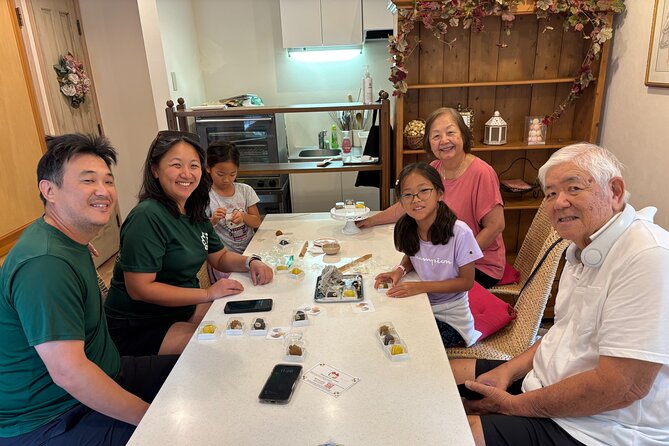
The activity lasts about an hour and a half. That is long enough to learn the process without taking up half your day.
After arriving at the meeting point, you will receive an explanation of nerikiri and its place in Japanese confectionery. You will then work through the steps for preparing and shaping the three seasonal sweets.
The pace should feel approachable. The class is designed around participation, not a complicated professional cooking lesson. You will have time to watch the instructor, copy the technique, and adjust your shapes as you go.
The most satisfying part is the shaping. Nerikiri depends on careful handling, and small changes in pressure or form can alter the finished look. You will not simply receive a finished sweet at the end. You will have made each one yourself.
The instructor can also explain facts about Japanese cuisine that may not appear in a standard sightseeing guide. That background matters because nerikiri is not just a sugary snack. Its appearance, seasonality, and presentation are all part of the experience.
After the sweets are finished, the instructor prepares matcha. You can eat your nerikiri with the tea in the class, giving the activity a quiet finish. If you prefer to save them, take-home packets are provided.
The Seasonal Designs Are Part of the Appeal
The biggest variable is also one of the class’s best features: you do not know exactly which seasonal designs will be taught unless the instructor confirms them.
The standard plan is to make the seasonal kneaded sweets. If you particularly want to make an owl and a needle mouse, you can ask by email after booking. The request may not be possible depending on when you apply, so do not treat those designs as guaranteed.
This is useful advice if you are booking for children or for someone with a strong preference. Contact the instructor early rather than waiting until the day of the class.
For most people, the seasonal format is the better choice. It connects the food with the time of year and keeps the class from feeling like a fixed craft project. You can also compare the colors and forms of the sweets with the season you are seeing elsewhere in Tokyo.
Matcha Gives the Class a Proper Finish
The matcha is not an optional extra. It is prepared after you finish the sweets and served as part of the experience.
Powdered green tea has a distinct taste that can be unfamiliar if you normally drink brewed tea. Paired with a sweet nerikiri, it creates the traditional contrast of bitter tea and delicate confectionery.
This final step also gives you time to look at what you made. Nerikiri is designed to be appreciated visually as well as eaten, so the tea portion is more than a quick drink before leaving.
The activity does not promise a full tea ceremony, and you should not book it expecting one. It is a confectionery-making class with matcha served at the end. That makes it a good choice if you want a taste of Japanese tea culture without committing to a longer formal ceremony.
More Tea and Sweets Making in Tokyo
- Make Traditional Nerikiri Sweets & Matcha experience in Shibuya
★ 5.0 · 130 reviews - Sweets Making and Kimono Tea Ceremony at Tokyo Maikoya
★ 5.0 · 57 reviews - Japanese Traditional Sweets making and Tea Ceremony
★ 4.7 · 50 reviews - Mochi Matcha Gluten Free Japanese Sweets Class near Shibuya area
★ 5.0 · 26 reviews
A Small Class Near Shimokitazawa
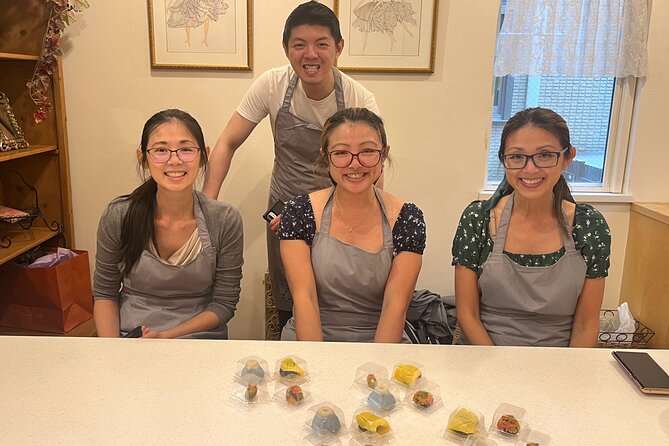
The usual kitchen is in Shimokitazawa, at 3-chōme-20-4 Kitazawa, Setagaya City. Shimokitazawa is a useful base for adding another neighborhood stop before or after the class.
The class itself ends back at the meeting point. You are not transferred to another part of Tokyo, and the activity is near public transportation.
There is one practical wrinkle. Because the instructor rents a kitchen space, the class may instead be held near Toritsu Daigaku Station if the Shimokitazawa kitchen is unavailable. The instructor sends the location details by email, so check your messages before setting out.
This change is not necessarily a problem, but it affects your planning. Do not build a tight schedule around the Shimokitazawa address until the final location is confirmed. If you want to explore Setagaya-ku after the class, that plan works best when your class is held in Shimokitazawa.
Why the Eight-Person Limit Matters
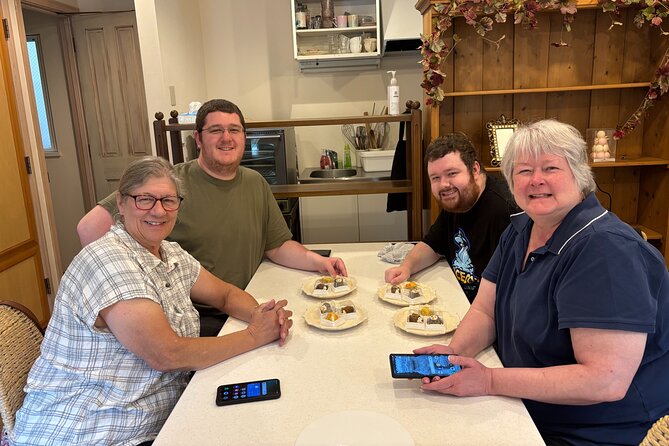
The maximum group size is eight people. That is small enough to keep the activity personal without making it a private lesson.
Hands-on food classes work better in a small group because the instructor can see how each person is handling the dough. You can ask for help with shaping, check a technique, and get more direct attention than you would in a large workshop.
The published experience has a 4.9 rating from 20 reviews, with 100 percent recommending it. One especially useful point from the feedback is that the activity was considered friendly for complete beginners and a good fit for families and friends.
That does not mean every finished sweet will look perfect. The point is learning the process and making something yourself. If you are hard on your own cooking results, remember that the class is an introduction, not a pastry examination.
The small group also makes this a social option. You can book it with family or friends, and group discounts are available. Ask about the discount when comparing the total cost for your party.
Is the $65.69 Price Good Value?
The listed price is $65.69 per person. That is more than the cost of buying a few Japanese sweets in a shop, but the comparison is not quite fair.
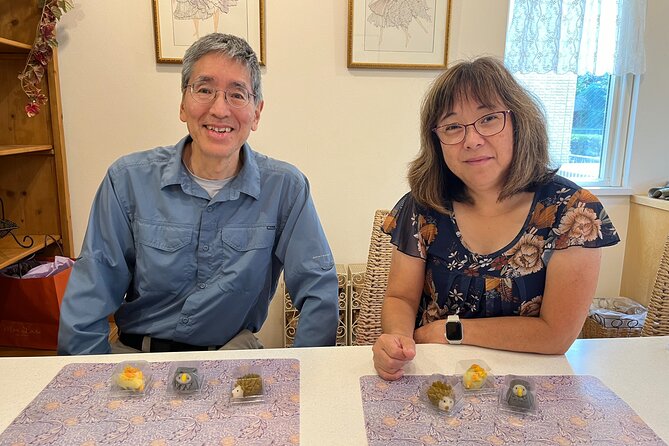
Your fee covers about 90 minutes of instruction, the ingredients, the equipment, three handmade nerikiri sweets, matcha, and packaging for anything you take home. You are also paying for a cultural lesson and direct guidance in a small class.
I think the price makes sense if you value participation. You are learning a skill, hearing about the background of the confectionery, and producing something personal. It is less compelling if you only want to taste nerikiri, since buying sweets from a shop would be cheaper.
The value is strongest for couples, families, and friends who want a shared activity. Group discounts may improve the deal for a larger party, though the class remains limited to eight people.
You should also factor in the location. The class is in Tokyo, near public transportation, but your time and train fare are separate from the price. Since the activity lasts only 90 minutes, it can fit neatly between other plans rather than requiring an entire day.
Who Will Enjoy This Class Most?
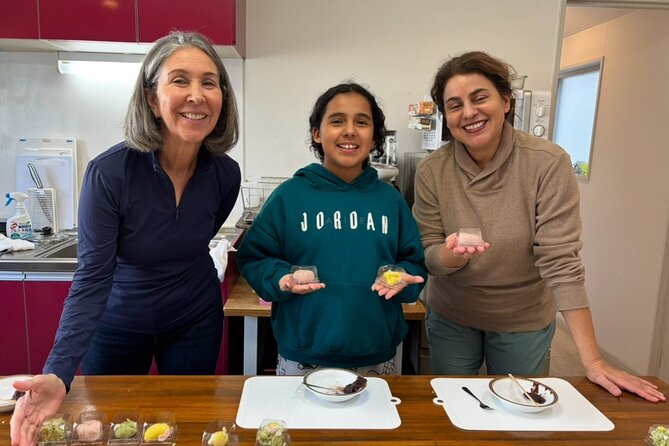
This is a strong choice for first-time visitors who want something more personal than taking photos at a major sight. It gives you a direct way to engage with Japanese food culture and leaves you with sweets you made yourself.
It also suits people who enjoy crafts, cooking, design, or seasonal traditions. You do not need advanced cooking skills. The activity is specifically described as beginner-friendly, and the instructor guides you through the process.
Families may appreciate the short duration and the hands-on format. Children may enjoy the shaping work, though the supplied details do not give a minimum age, so confirm suitability before booking for very young children.
Couples and friends can use it as a relaxed shared activity. The group limit keeps the class from becoming a crowded workshop, and the take-home packets give you a small souvenir that is more personal than a standard store purchase.
This may not be the right choice if you want a formal tea ceremony, a full meal, or a long cooking lesson. It is focused on nerikiri and matcha, with a compact schedule.
Booking Advice for a Smooth Visit
Confirmation is sent within 48 hours of booking, subject to availability. Since the instructor sends the exact location details by email, allow time to receive and read that information before the class.
The activity is usually held at the Shimokitazawa kitchen, but Toritsu Daigaku Station may be used instead. Check the address on the day of the class and plan your train route from that confirmed location.
If you want the owl and needle mouse designs, send the request by email after booking. The instructor may not be able to meet the request, depending on the timing and availability.
The experience is generally booked 34 days ahead, so it is sensible to reserve before your Tokyo dates are full. Free cancellation is available if you cancel at least 24 hours before the start time. Cancellations made later are not refunded, and changes within that 24-hour period are not accepted.
Should You Book It?
Book this class if you want to make something with your hands, learn why Japanese sweets change with the seasons, and enjoy matcha in a small setting. The beginner-friendly format, eight-person limit, supplied equipment, and take-home packets make it easy to recommend for friends and families.
Think twice if your main goal is a formal tea ceremony or a broad Japanese cooking lesson. Also leave room in your schedule for a possible location change between Shimokitazawa and Toritsu Daigaku Station.
For a 90-minute activity at $65.69, the value comes from the instruction and the experience, not from the amount of food. If that sounds right for your Tokyo plans, this is a thoughtful way to spend part of an afternoon.
FAQ
How long does the nerikiri and matcha class last?
The class takes about 1 hour and 30 minutes.
How many people can join the class?
The maximum group size is eight people.
Where does the class meet?
It is usually held at a kitchen at 3-chōme-20-4 Kitazawa in Setagaya City, near Shimokitazawa. If that kitchen is unavailable, the class may be held near Toritsu Daigaku Station.
Will I know the exact location before the class?
Yes. The instructor sends location details by email after you make a reservation. Check that message because the meeting point can change.
What kinds of sweets will I make?
You will make three types of seasonal kneaded dough used for nerikiri sweets. The designs depend on the season.
Can I request an owl and needle mouse design?
You can ask for those designs by email, but the request is not guaranteed. It may depend on when you apply.
Is matcha included?
Yes. After you make the sweets, the instructor prepares powdered matcha for you to drink with them.
Can I take the sweets home?
Yes. You may eat the sweets during the class or take them home. Packets are provided.
What is the cancellation policy?
You can cancel for a full refund up to 24 hours before the experience start time. Cancellations or changes made less than 24 hours before the start time are not accepted for a refund.
Newly steeped around Tokyo
- Yokohama : Tea Ceremony with Sweets and Souvenir★ 5.0 · 5 reviews
- Walking Tour: Yanaka,Nezu& Sendagi: Tea Ceremony & Old Tokyo★ 5.0 · 3 reviews
- Private Mochi・Matcha sweets Making Class Near Shibuya Area★ 5.0 · 22 reviews
- 2 Hours Mochi &Nerikiri Making & Matcha Class in Bunkyo★ 5.0 · 21 reviews
- Private Kimono and tea ceremony at local home near Tokyo Disney★ 5.0 · 6 reviews
- Kimono and Tea Ceremony in Asakusa Private Food Tour With Guide★ 5.0 · 4 reviews
- Giant Sushi Cooking Class: Make a 1.5m Sushi Roll in Tokyo★ 5.0 · 9 reviews
- Tokyo Tea Ceremony Class at a Traditional Tea Room★ 5.0 · 2 reviews
Tea & Sweets Making, compared.
Matcha Making Class in Tokyo with Authentic Japanese Sweets Set
Read our review →
Tangier: Sunset, Tea, Sweets, Camel Ride, and Hercules Caves
Read our review →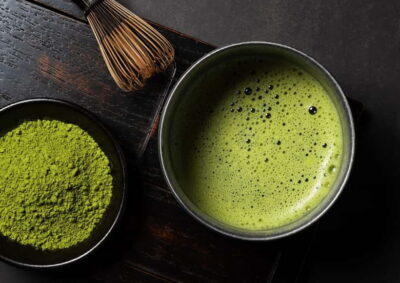
Tokyo: Matcha Making Experience with Mochi Sweets in Asakusa
Read our review →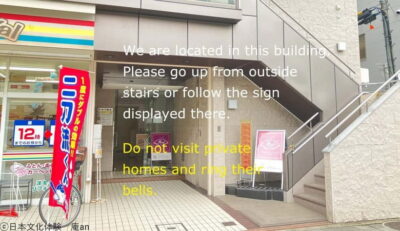
Kyoto: Japanese Traditional Sweets Making and Tea Ceremony
Read our review →
Osaka: Matcha Making Experience with Japanese Sweets
Read our review →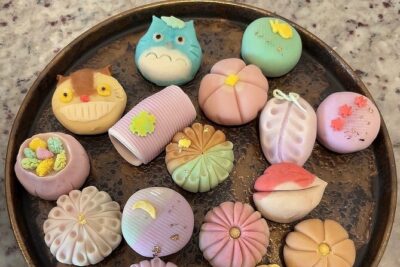
Make Traditional Nerikiri Sweets & Matcha experience in Shibuya
Read our review →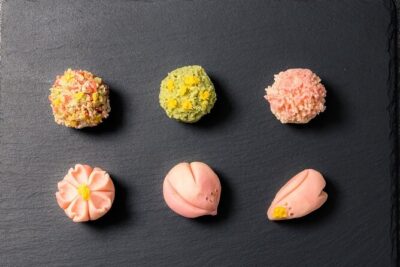
Sweets Making and Kimono Tea Ceremony at Tokyo Maikoya
Read our review →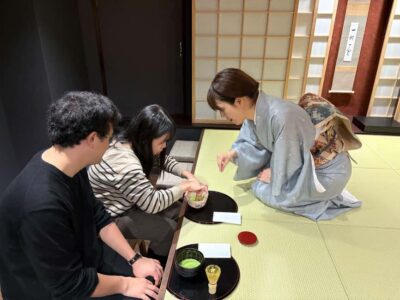
Kyoto: Traditional Tea Ceremony with Matcha & Sweets in Gion
Read our review →Browse the lists this tea experience appears in