
Review · TOKYO
Tokyo: Tea Ceremony & Japanese Sweets Making
Tokyo’s tea culture becomes much easier to understand when you are holding the whisk yourself. In this one-hour workshop, a tea master with more than 10 years of experience demonstrates Otemae, then guides you through making your own matcha and a seasonal Japanese sweet. I like the hands-on format, and I like that the instruction is in clear English. The small group limit of 10 should also keep the session personal.
The main consideration is the short running time. You get a focused introduction rather than a long formal ceremony or a broad lesson in Japanese confectionery. The meeting point is a personal-training gym in Hakusan, so the setting may feel more practical than ceremonial at first.
Key points to know before booking
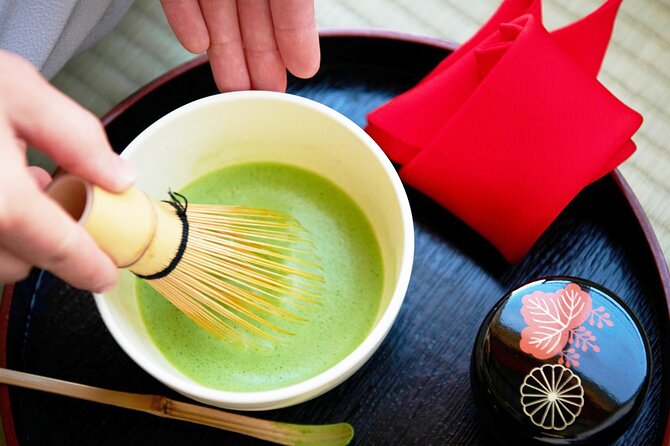
- You prepare your own matcha: The lesson moves beyond watching, giving you a chance to make the tea yourself and taste its strong, grassy flavor.
- The Otemae demonstration adds ceremony: You see the formal movements before trying the process on your own.
- You make a seasonal Japanese sweet: The sweet is not simply served to you. You take part in designing and preparing it.
- A tea master leads the session: The instructor has more than 10 years of experience and guides the workshop in English.
- The group is limited to 10 people: This is a useful size for a practical lesson, though it is not a private class.
- It lasts about one hour: The compact format fits neatly into a busy Tokyo day, but it leaves little time for extended questions.
What this Tokyo tea workshop actually offers
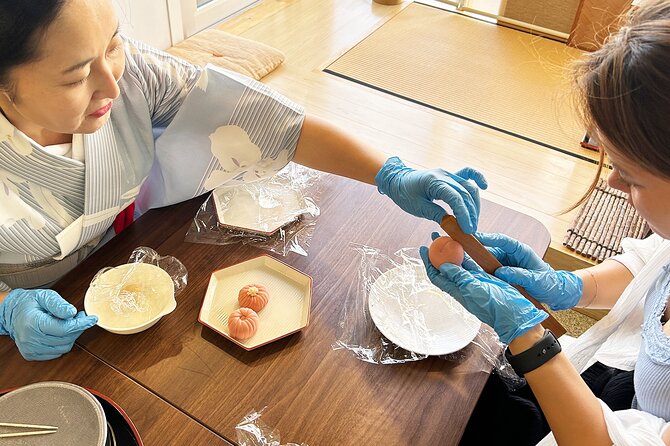
This is a practical introduction to matcha and Japanese sweets, not a full cultural tour of Tokyo. You meet in Hakusan, in Bunkyo City, and spend about an hour learning the basic flow of a tea ceremony, preparing matcha, and making a seasonal sweet to eat with it.
The focus is on participation. You are not just watching a tea master perform a polished ritual from across the room. You first see the process, then take part in it. That order matters, because the demonstration gives you a visual guide before you handle the equipment yourself.
The experience is conducted in clear English. That makes a real difference in an activity where small instructions matter. The host can explain what you are doing, why the steps are arranged in a certain way, and how to prepare the tea without leaving you to copy movements blindly.
The class has a maximum of 10 people. That is small enough to feel more personal than a large demonstration, though you should not expect the quiet attention of a one-to-one lesson. If everyone is making sweets and matcha at the same time, the group size should still allow a workable amount of instruction.
More Tea and Sweets Making in Tokyo
- Matcha Making Class in Tokyo with Authentic Japanese Sweets Set
★ 5.0 · 744 reviews - Tokyo: Matcha Making Experience with Mochi Sweets in Asakusa
★ 4.9 · 388 reviews - Make Traditional Nerikiri Sweets & Matcha experience in Shibuya
★ 5.0 · 130 reviews
Watching the Otemae tea demonstration
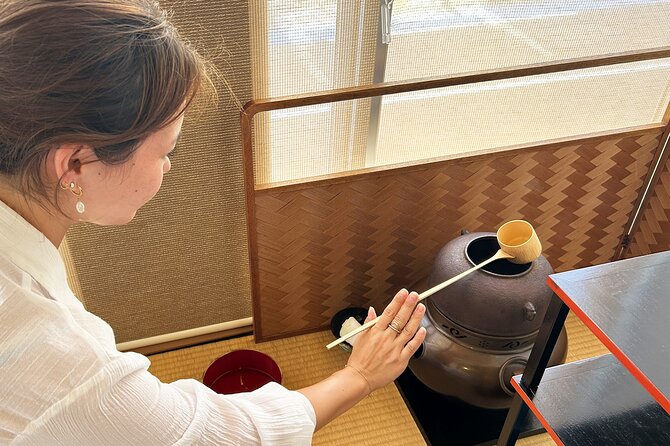
The session includes an Otemae demonstration, which gives you a look at the formal side of Japanese tea preparation. The point is not only to see a cup of matcha being made. The demonstration shows the measured movements and careful order that give the ceremony its calm character.
For you, this is the useful part to watch closely. Notice how the tea master handles the tools, prepares the bowl, and keeps each action deliberate. The ceremony can look simple from a distance, but the sequence gives the process its shape.
You will not need prior knowledge of tea ceremony customs. The host guides you in English, and the activity is built for participation rather than for specialists. Still, the one-hour schedule means the explanation will be selective. You should expect the main steps and ideas, not a detailed survey of every tea school or historical custom.
The peaceful tone may be one of the best parts of the workshop. Tokyo can be noisy and hurried, but the tea ceremony asks you to slow down and pay attention to a few basic actions. I like that contrast. It gives the activity value beyond the drink itself.
Making and tasting your own matcha
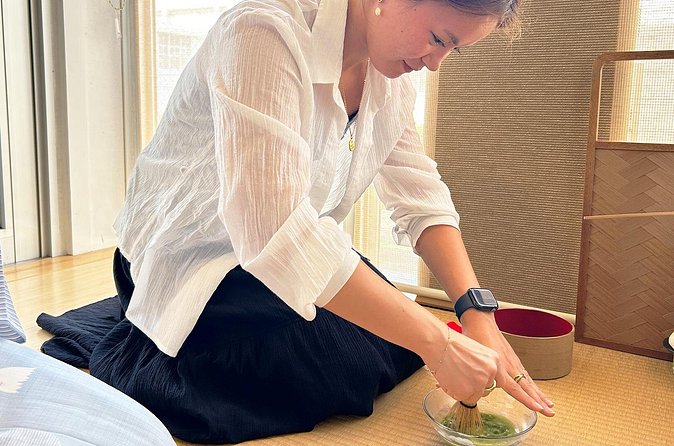
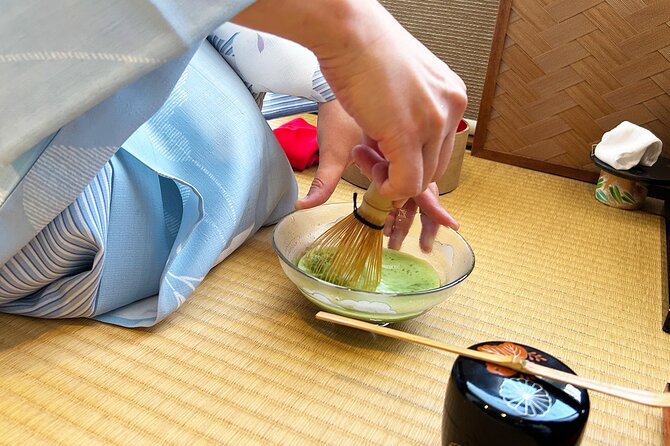
After watching the tea master, you get to prepare matcha yourself. This is where the workshop earns its price more convincingly than a simple tea tasting would.
Matcha has a powerful flavor, and making it by hand helps explain why the preparation matters. You get a direct sense of the drink’s texture and taste instead of receiving a ready-made cup with no context. The experience lets you connect the preparation method with the final flavor.
Follow the host’s instructions closely, especially during the whisking stage. Since this is a short lesson, you will probably have limited time to repeat the process several times. The goal is not to become a tea master in an hour. It is to understand the basic method and leave with a clearer sense of how matcha is prepared.
The tea may be stronger and more distinct than the sweetened matcha drinks common in cafés. That is worth knowing before you book. If you like subtle ceremonial experiences and earthy flavors, this part should suit you. If you prefer mild, sweet drinks, the taste may take some getting used to.
The workshop gives you a chance to taste the matcha alongside the sweet you prepare. That pairing is important. Japanese sweets served with matcha often balance the tea’s bitterness, and tasting both together gives the lesson a simple but useful food comparison.
Creating a seasonal Japanese sweet
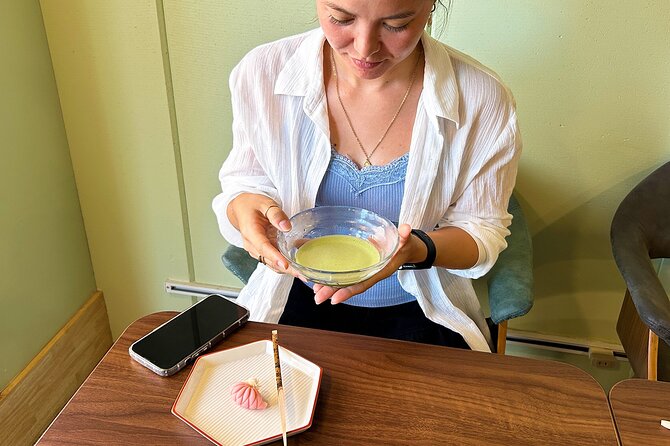
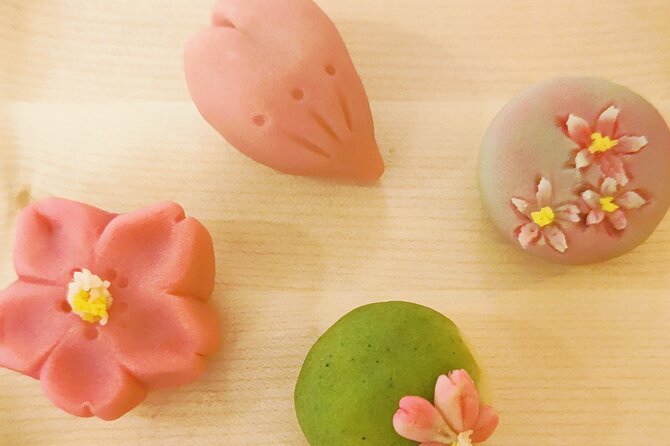
The second hands-on element is the seasonal Japanese sweet. You do not simply receive a finished confection beside your tea. You take part in preparing and designing your own.
The word seasonal matters here. Japanese sweets often reflect the time of year through shape, color, or presentation. The supplied details do not name the exact sweet or explain which season’s design you will make, so you should treat this as a changing element rather than a fixed menu item.
That uncertainty is not necessarily a problem. It means the activity may offer a more timely connection to Japan’s food customs than a standard, year-round dessert. It also means you should not book expecting one particular sweet unless the provider confirms it before your visit.
I like this part for a practical reason: it gives you something to do with your hands while keeping the lesson connected to the tea. The sweet becomes part of your own experience rather than just a decorative item placed on a tray.
The activity description says you design the sweet yourself, so expect a creative element as well as basic preparation. The available information does not specify the ingredients, tools, or exact level of difficulty. You can ask the provider if those details matter to you, especially if you have food restrictions.
More Tea Ceremonies in Tokyo
- Kimono Tea Ceremony at Tokyo, Asakusa Maikoya
★ 5.0 · 638 reviews - Tokyo: Traditional Tea Ceremony with a Tea Master
★ 5.0 · 528 reviews - Tea Ceremony Workshop in Tokyo by the Experienced Instrucor
★ 5.0 · 189 reviews - Asakusa: Kimono Tea Ceremony with Matcha and Sweet
★ 4.9 · 153 reviews
Why the English instruction matters
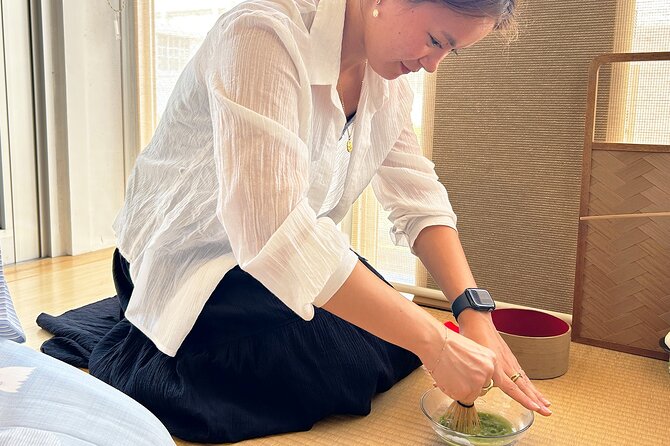
Tea ceremony has many small movements, and a language barrier could make the experience feel like a performance you are merely observing. Here, the host provides clear English guidance, which should make the practical steps easier to follow.
The instructor is described as a tea master with more than 10 years of experience. That gives the session a stronger foundation than a casual matcha demonstration. You are learning from someone with long experience in the craft, not just being shown a quick tourist activity.
The available comments describe the instructor as friendly, and that is exactly the tone you want for a short beginner lesson. A formal ceremony can feel intimidating if you worry about making a mistake. A welcoming host makes it easier to try the whisking and sweet-making steps without treating the process as a test.
Still, the activity is guided in English, not presented as a full English-language lecture on Japanese culture. If you want a detailed historical discussion, you may find the session too focused on doing. If you want clear help while you prepare tea and sweets, the format is better suited to you.
Hakusan meeting point and one-hour timing
The meeting point is at VaLerio Luana Japan, a personal-training gym with a diet-focused training program, at 1-26-17 Hakusan Hills, second floor, in Hakusan, Bunkyo City, Tokyo, postal code 113-0001.
That setting is worth noting because it may not look like a traditional tea house from the outside. You should use the exact address when finding the venue and allow enough time to identify the building. The activity is near public transportation, which makes it workable as part of a Tokyo sightseeing day.
The class ends back at the meeting point. There is no separate drop-off or final destination to plan around, so you can continue from Hakusan after the workshop.
One hour is a strength if your schedule is tight. You can fit this before lunch, between neighborhood visits, or into a day when you do not want to commit to a long cultural program. The trade-off is depth. The class has room for a demonstration, your own tea preparation, and sweet-making, but not for a slow, extended ceremony.
You should also plan around the start time carefully. The cancellation rules allow a full refund only when you cancel at least 24 hours before the experience begins. Changes or cancellations inside that 24-hour window are not accepted for a refund.
Is the $32.58 price good value?
At $32.58 per person, this is priced as an accessible cultural workshop rather than a luxury tea ceremony. The value comes from having several activities in one compact session: an Otemae demonstration, matcha preparation, tea tasting, and seasonal sweet-making.
I consider that a fair price if you want active instruction. A simple cup of matcha would cost less, but it would not give you the same explanation or chance to prepare the drink yourself. The sweet-making component also adds something that a standard tea tasting does not provide.
The value is less clear if you are seeking a long, highly formal ceremony. The activity lasts about one hour, and the available information does not promise elaborate surroundings, a full meal, or a long cultural talk. You are paying for a focused lesson with a tea master, not an all-day traditional arts program.
The 90 percent recommendation rate and 4.8 rating from 10 reviews suggest a strong response so far, but the sample is small. I would treat those numbers as encouraging rather than definitive. The most useful praise is specific: the activity combines an authentic-feeling ceremony with a friendly instructor and hands-on dessert preparation.
Who should book this experience?
I would point this workshop toward first-time visitors who want a simple introduction to Japanese tea culture without giving up half a day. It also suits anyone who learns better by doing than by sitting through a lecture.
Families and mixed-age groups may appreciate the sweet-making portion, though the supplied information does not set an age range. Food-focused visitors will find the matcha and seasonal confection pairing more satisfying than a ceremony with no hands-on element.
This is also a good choice for people who want an activity in a small group. Ten is the maximum, so you avoid the scale of a large class. It is not a private experience, but the cap should help the host give practical instructions.
You may want to choose another activity if you need detailed information about ingredients, want a fixed sweet menu, or expect an extended formal ceremony. Those details are not provided here. The workshop is strongest as a short, guided introduction.
A few practical tips before you go
Use the full Hakusan address when navigating. The venue is inside a building that houses a personal-training gym, so do not assume the meeting point will resemble a traditional tea room.
Arrive ready to follow instructions and take part. The point of the experience is not simply to watch the tea master. You will get more from it if you pay close attention during the Otemae demonstration and then try the matcha preparation yourself.
Keep your schedule flexible after the class if you want to ask questions. The official duration is about one hour, and the structured part will be compact. The information provided does not state how much extra time is available.
If dietary concerns affect your decision, ask before booking. A seasonal Japanese sweet is included, but the ingredients are not listed.
Should you book the Tokyo matcha and sweets workshop?
Book it if you want a reasonably priced, English-guided introduction that lets you prepare matcha and make a Japanese sweet in the same session. The tea master’s experience, small group cap, and peaceful Otemae demonstration give the activity more substance than a quick café stop.
Skip it if your main goal is an elaborate, extended tea ceremony in a traditional setting. The one-hour format is intentionally compact, and the meeting point is a practical venue rather than a described tea house.
For most visitors, the decision comes down to what you want from the word tea ceremony. If you want to understand the basic process, try it yourself, and taste matcha with a sweet you helped create, the $32.58 price is sensible. If you want a long ritual with detailed cultural instruction, keep looking.
FAQ
Where does the tea ceremony workshop take place?
It takes place at VaLerio Luana Japan in Hakusan, Bunkyo City, Tokyo, at 1-26-17 Hakusan Hills, second floor, postal code 113-0001.
How long does the activity last?
The experience lasts approximately one hour.
Where does the activity end?
The activity ends back at the meeting point.
Is the workshop conducted in English?
Yes. An expert host guides the activity in clear English.
Who leads the workshop?
A tea master with more than 10 years of experience leads the session.
What will I learn to make?
You will learn to prepare your own matcha and make a seasonal Japanese sweet.
Does the workshop include a tea ceremony demonstration?
Yes. You will watch an Otemae demonstration as part of the traditional tea ceremony experience.
Can I prepare the matcha myself?
Yes. After watching the demonstration, you will prepare matcha yourself before tasting it.
How many people can join the activity?
The activity accepts a maximum of 10 people.
Can I cancel for a full refund?
Yes, if you cancel at least 24 hours before the experience start time. Cancellations or changes made less than 24 hours before the start are not accepted for a refund.
Newly steeped around Tokyo
- Yokohama : Tea Ceremony with Sweets and Souvenir★ 5.0 · 5 reviews
- Walking Tour: Yanaka,Nezu& Sendagi: Tea Ceremony & Old Tokyo★ 5.0 · 3 reviews
- Private Mochi・Matcha sweets Making Class Near Shibuya Area★ 5.0 · 22 reviews
- Private Kimono and tea ceremony at local home near Tokyo Disney★ 5.0 · 6 reviews
- 2 Hours Mochi &Nerikiri Making & Matcha Class in Bunkyo★ 5.0 · 21 reviews
- Kimono and Tea Ceremony in Asakusa Private Food Tour With Guide★ 5.0 · 4 reviews
- Giant Sushi Cooking Class: Make a 1.5m Sushi Roll in Tokyo★ 5.0 · 9 reviews
- Tokyo Tea Ceremony Class at a Traditional Tea Room★ 5.0 · 2 reviews
Tea & Sweets Making, compared.

Matcha Making Class in Tokyo with Authentic Japanese Sweets Set
Read our review →
Tangier: Sunset, Tea, Sweets, Camel Ride, and Hercules Caves
Read our review →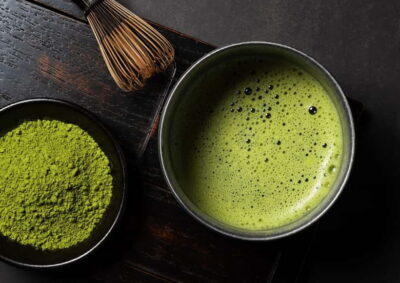
Tokyo: Matcha Making Experience with Mochi Sweets in Asakusa
Read our review →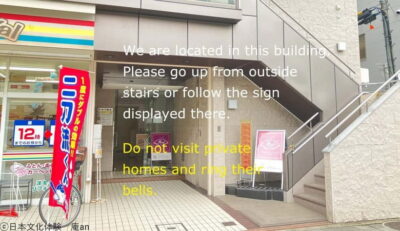
Kyoto: Japanese Traditional Sweets Making and Tea Ceremony
Read our review →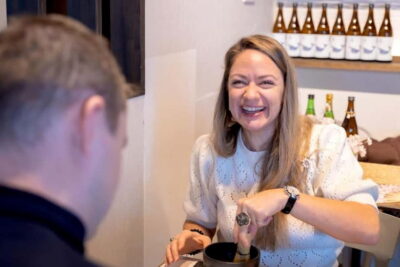
Osaka: Matcha Making Experience with Japanese Sweets
Read our review →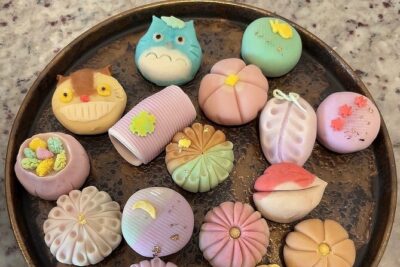
Make Traditional Nerikiri Sweets & Matcha experience in Shibuya
Read our review →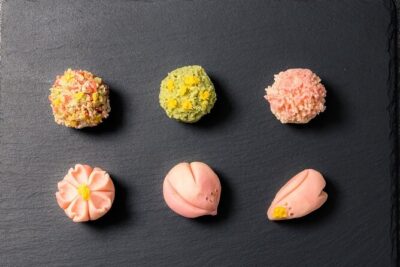
Sweets Making and Kimono Tea Ceremony at Tokyo Maikoya
Read our review →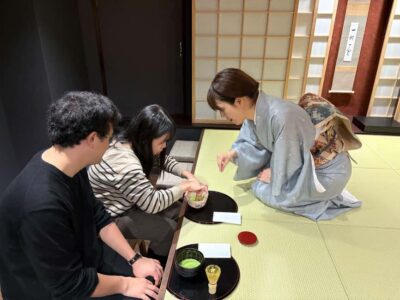
Kyoto: Traditional Tea Ceremony with Matcha & Sweets in Gion
Read our review →Browse the lists this tea experience appears in