
Review · TOKYO
Tokyo Sweets Tour: Hidden Gems & Matcha at an Old Tea House
Tokyo’s best sweet stops are not all found around the major sightseeing districts. This three-hour tour takes you through Jiyugaoka, a pleasant Tokyo neighborhood of cafés, small shops, traditional houses, and local bakeries. The food lineup moves from fluffy Japanese pancakes to donuts, Hokkaido ice cream, Mont Blanc, and matcha in a century-old tea house.
I like two things right away: the group size is capped at six, and your guide, Soren, also works as a baker. That makes the tasting more useful than a simple snack crawl. You get the food, plus an English-speaking guide who can explain flavors, baking methods, and the small differences between Japanese sweets and familiar Western versions.
The main consideration is the $109 price for about three hours. That can be good value if you want several tastings, brunch, and a guide in one morning, but it will feel high if you prefer to choose one or two cafés on your own. The tour also requires good weather, so keep some flexibility in your plans.
Key points at a glance
- Jiyugaoka setting: Walk through a quieter Tokyo neighborhood with local cafés, shops, and traditional houses.
- Six sweet stops or styles: Expect Japanese pancakes, Korean bakery goods, Japanese-style donuts, Hokkaido ice cream, Mont Blanc, and matcha.
- A baker as your guide: Soren brings practical food knowledge and speaks English.
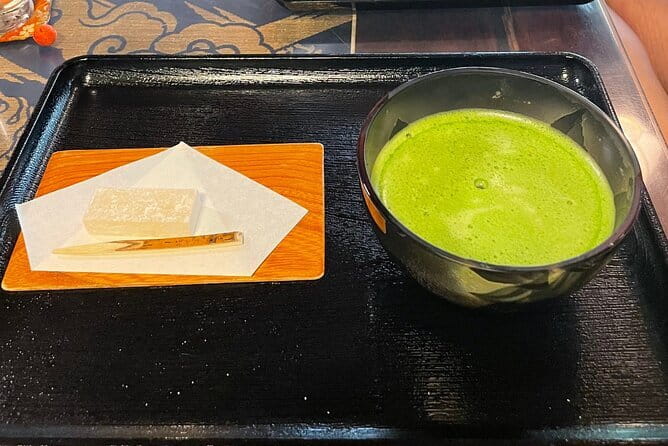
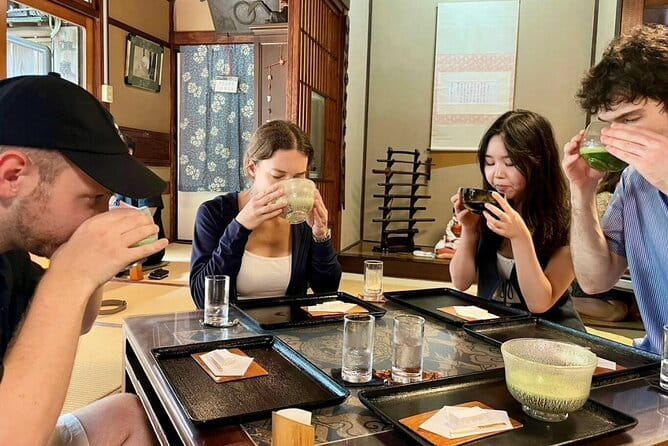
- Traditional finale: Sit on tatami mats in a Japanese building more than 100 years old while drinking matcha.
- Small-group format: The maximum is six people, which suits guests who want a relaxed pace.
- Morning timing: Meet at 10:30 a.m. at Excelsior Caffé Jiyugaoka-ekimae, and return there at the end.
Why Jiyugaoka is a smart setting for a sweets tour
Jiyugaoka gives you a different view of Tokyo. It is not built around grand monuments or major tourist sights. Instead, the appeal is in the everyday details: quiet streets, independent shops, cafés, traditional homes, and the way newer businesses fit into an older neighborhood pattern.
That matters on a food tour. You are not simply moving from one famous shop to another. You are also seeing how Tokyo residents spend time in a neighborhood made for strolling, eating, and browsing. The area offers a useful contrast to Tokyo’s louder commercial centers.
The walk is part of the experience, but the tour is mainly about tasting. You should expect food to lead the morning, with the neighborhood providing the setting. If you want a full walking tour of Jiyugaoka, ask Soren how much time the route allows for looking around.
The meeting point is Excelsior Caffé Jiyugaoka-ekimae, at 2-chome 11-1 in Meguro City. The tour begins at 10:30 a.m., a sensible hour for a food-focused morning. You will not be starting at dawn, and the first tastings can work as brunch.
More Matcha Experiences in Tokyo
- Matcha Making Class in Tokyo with Authentic Japanese Sweets Set
★ 5.0 · 744 reviews - Tokyo: Matcha Making Experience with Mochi Sweets in Asakusa
★ 4.9 · 388 reviews - Asakusa Cultural Walk & Matcha Making Tour
★ 5.0 · 245 reviews
Japanese pancakes begin the morning on a sweet note
The first taste is Japanese-style pancakes. These are described as fluffier and sweeter than the ordinary pancakes you may know. The difference is not just a matter of adding syrup. Japanese cafés often treat pancakes as a soft dessert or café specialty, with texture playing a major role.
I like starting here because it gives you a clear reference point for the rest of the tour. You can begin with something familiar, then notice how the Japanese version changes the balance between cake, sweetness, and presentation.
This course also helps explain why Japanese sweets are often judged by texture as much as flavor. A soft, airy bite can be the main attraction. Your guide’s baking background should be especially useful here, since Soren can offer more than a basic description of what is on the plate.
Because this is a tasting tour, portion sizes and exact flavors may vary. The supplied details do not name a particular pancake shop or list toppings, so do not book expecting a specific menu item. Think of this stop as an introduction to the style.
A Korean bakery adds variety to the route
Next comes a Korean bakery with a selection of Asian treats. This is a welcome change of pace. The tour is not limited to one narrow idea of Japanese pastry. Tokyo’s food culture includes influences from across Asia, and a Korean bakery gives you a chance to taste something different while staying in the same neighborhood.
The bakery is described as cozy, which fits the overall tone of the tour. You are visiting small food businesses rather than treating the city as a checklist of major attractions. The baked goods may include flavors or formats that are less familiar to you, though the exact selection is not fixed in the tour information.
One of the useful parts of this stop is comparison. You can think about how Korean bakery traditions differ from Japanese ones, and how both may differ from what you find at home. Several people who took the tour singled out the fresh baked goods and unusual flavors, including options they would not normally find in Canada.
If you have a strong preference for strictly Japanese food, this stop is worth noting. The tour includes Japanese culture and sweets, but it also reflects the wider Asian food scene in Tokyo.
Japanese-style donuts bring the widest choice
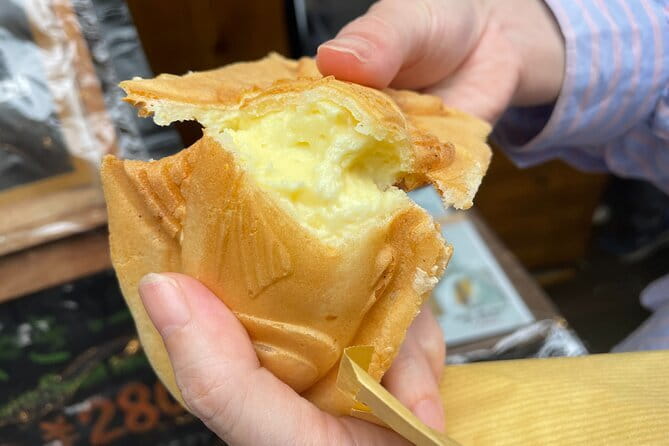
The donut shop is likely to be one of the liveliest food stops in terms of choice. The tour includes Japanese-style donuts, with a wide assortment of sweet treats. That variety can be valuable because you are not locked into one flavor or one texture.
Japanese donuts often show the country’s fondness for playful shapes, careful presentation, and unusual combinations. The information provided does not identify the shop or promise particular flavors, so you should expect the selection to depend on what is available that day.
I would pay attention here to the contrast between the donut shop and the opening pancake course. The pancakes focus on softness and café comfort. The donuts give you more room to compare fillings, coatings, shapes, and flavors. This is also a good point to ask Soren about ingredients and local preferences.
The tour’s format lets you sample without buying a full box at every stop. That is one reason the price may make sense for a serious sweet tooth. On your own, you could certainly spend less by choosing one donut and one drink, but you would miss the range and the guide’s explanations.
More Tea and Sweets Making in Tokyo
- Make Traditional Nerikiri Sweets & Matcha experience in Shibuya
★ 5.0 · 130 reviews - Sweets Making and Kimono Tea Ceremony at Tokyo Maikoya
★ 5.0 · 57 reviews - Japanese Traditional Sweets making and Tea Ceremony
★ 4.7 · 50 reviews - Mochi Matcha Gluten Free Japanese Sweets Class near Shibuya area
★ 5.0 · 26 reviews
Hokkaido ice cream offers a creamy middle course
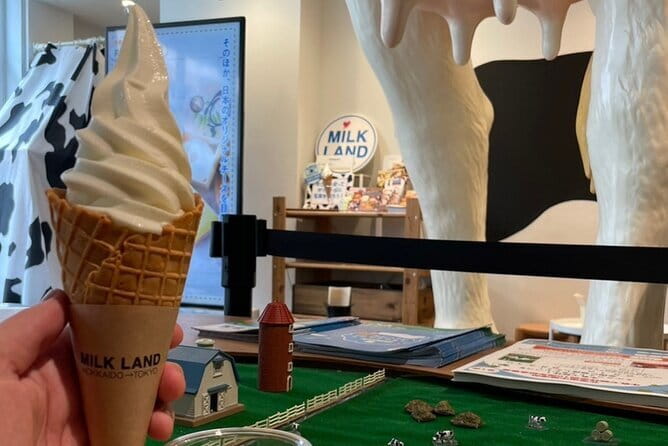
After baked goods, the tour turns to Hokkaido ice cream. Hokkaido milk is known in Japan for producing especially creamy dairy products, and the tour emphasizes the ice cream’s sweet, full texture.
This stop provides a useful break from pastry. A cold dessert changes the rhythm of the morning and keeps the tasting from feeling like one long run of cakes and bread. It also introduces a food connection beyond Tokyo itself, since Hokkaido is Japan’s northern island and is strongly associated with dairy farming.
The exact flavor choices are not specified. The main point is the milk-based character and the chance to taste a Japanese ice cream style that may differ from what you usually order at home.
There is one practical issue: ice cream is best eaten promptly, and weather can affect how enjoyable it feels. The tour requires good weather, so the weather policy matters more here than it would on an indoor bakery crawl.
Mont Blanc gives the tour a classic pastry moment
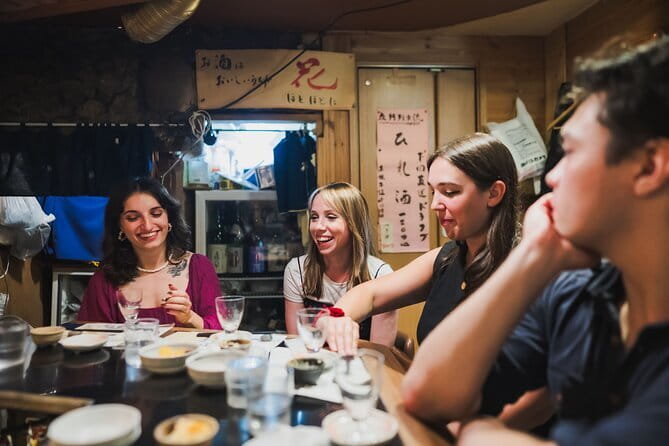
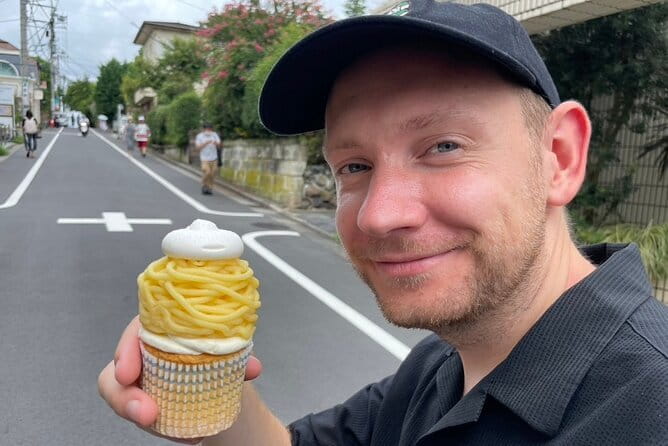
The route also includes Mont Blanc, a Japanese patisserie favorite. The name comes from the mountain-shaped dessert made with chestnut cream, though the precise version offered here is not described. In Japan, Mont Blanc has become a familiar café and pastry-shop treat, often presented with careful decoration.
This is a good example of how Japanese pastry culture borrows an idea and gives it a local life. The dessert is European in name and inspiration, yet it fits naturally into Japan’s refined café scene.
You will want to pace yourself by this stage. The tour includes several sweet foods, and Mont Blanc can be substantial, especially after pancakes, bakery items, donuts, and ice cream. The benefit of a small group is that you can ask about portion sizes and decide how much to eat at each stop.
If you are sensitive to sweetness, tell Soren early. The supplied details do not promise dietary substitutions, but a guide who works as a baker is better placed to explain what you are tasting and help you pace the morning.
Matcha and tatami provide the cultural finish
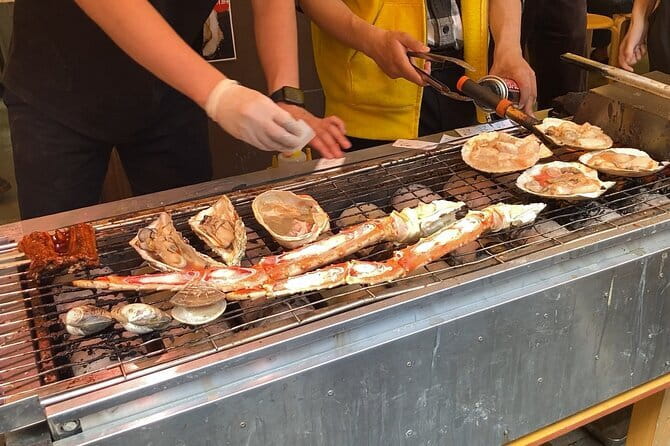
The tour ends at a traditional matcha shop in a Japanese building more than 100 years old. Here, you sit on tatami mats and drink authentic matcha. This is the stop that gives the food crawl its strongest cultural setting.
After the modern cafés and bakeries, the tatami room changes the mood. You are no longer simply sampling pastries on the move. You have a quiet place to sit, drink tea, and consider the contrast between contemporary sweets and older Japanese customs.
Matcha can surprise first-time drinkers. It has a distinct, grassy bitterness that is quite different from sweetened green tea or a matcha latte. The provided details do not specify the exact serving style or accompanying sweet, so you should not assume a full tea ceremony. The promise is a traditional setting and authentic matcha, not a formal ceremonial demonstration.
I like this ending because it avoids finishing with one more pastry. The tea helps reset your palate and gives the morning a clear final chapter. Sitting on tatami in a building over a century old also makes the experience feel connected to Japan beyond its bakery counters.
Soren’s baking background changes the experience
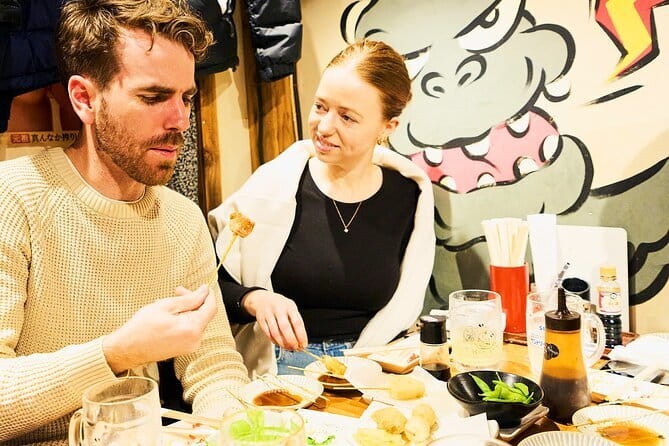
A food tour depends heavily on its guide. Soren is described as both a passionate sweets guide and a working baker. That combination is important. You are not only being led from one address to another. You can expect practical comments about baking, ingredients, texture, and the reasons certain treats are popular.
Soren also speaks English well, which makes the tour accessible to English-speaking visitors who want more than a quick translation. The feedback provided about the tour repeatedly points to his thoughtful manner, comfortable approach, and ability to make the morning easygoing.
That does not mean the tour will suit every personality. If you prefer to explore alone and make spontaneous choices, a fixed route may feel limiting. If you enjoy asking questions and comparing foods with a guide, the small group should work well.
The maximum group size is six. That is small enough for direct conversation and easier movement through cafés and shops. It also means the experience may feel more personal than a large food tour, though the small group does not guarantee that every item will be customized to your taste.
What $109 gets you in practical terms
The price is $109 per person, and the tour lasts about three hours. Included are coffee or tea, brunch, snacks, and an English-speaking guide. The route covers several food experiences, from the first substantial pancake stop to the final matcha service.
The value depends on how you use the tour. If you planned to visit several cafés and bakeries anyway, the price bundles food, local orientation, and guidance into one morning. It also removes the need to decide what to order at each stop, which is helpful when menus are unfamiliar.
On the other hand, this is not the cheapest way to eat sweets in Tokyo. You could spend less by choosing individual cafés and ordering only what appeals to you. The tour makes more sense if you value breadth, explanation, and access to a traditional tea setting.
The strongest value is likely for a solo visitor or first-time Japan visitor who wants an easy food plan. One person can also find it awkward to order several items alone. Couples and friends may prefer the tour if they want someone else to handle the route and introduce flavors they might otherwise overlook.
Timing, meeting point, and weather details
You meet at 10:30 a.m. at Excelsior Caffé Jiyugaoka-ekimae. The activity ends back at the same meeting point. Since the tour uses several food stops, arrive ready to begin on time rather than treating the café as a casual place to wait.
The activity is near public transportation, but no specific train line or station directions are provided in the supplied information. Check the route from your hotel before the morning of the tour, and allow enough time to reach Jiyugaoka without rushing.
Most people can participate, according to the tour details. Specific accessibility information is not provided, so you should contact Sunrise Adventure before booking if you have mobility, seating, or dietary needs that could affect the stops.
Free cancellation is available if you cancel at least 24 hours before the start time. Cancellations within 24 hours are not refunded, and late changes are not accepted. Since the tour requires good weather, the provider may offer another date or a full refund if poor weather causes cancellation.
Who will enjoy this tour most
This experience is a strong fit for dessert fans, especially if you want several small food experiences rather than one long meal. It also suits visitors interested in neighborhood Tokyo, where daily life and local businesses matter as much as major sights.
You will likely enjoy it if you appreciate:
- Trying unusual flavors and bakery styles
- Learning from a guide with hands-on baking experience
- A small group limited to six people
- A mixture of modern cafés and traditional Japanese surroundings
- A relaxed morning that includes brunch, snacks, and tea
It may be less suitable if you do not enjoy sweet food, need a substantial savory breakfast, or want a formal tea ceremony. The tour is built around desserts from start to finish, with matcha as the final drink.
Should you book the Jiyugaoka sweets tour?
Book it if you want a friendly, food-centered morning with a clear route and a guide who can explain what you are eating. The best parts are the variety, Soren’s baking background, the small group, and the final matcha served on tatami in a building more than 100 years old.
Think twice if $109 feels high for three hours or if you prefer choosing every café yourself. Also keep the weather requirement and cancellation deadline in mind.
For a solo visitor, a couple, or anyone who wants to move beyond Tokyo’s main sightseeing districts, this is a useful choice. You get a taste of Jiyugaoka, several kinds of Asian sweets, and a quiet cultural finish without giving up half a day.
FAQ
How long does the Tokyo Sweets Tour last?
The tour lasts approximately three hours.
What time does the tour begin?
The tour starts at 10:30 a.m.
Where does the tour meet?
The meeting point is Excelsior Caffé Jiyugaoka-ekimae in Meguro City, Tokyo.
Where does the tour end?
The activity ends back at the meeting point.
How many people can join the tour?
The tour has a maximum of six participants.
What food and drinks are included?
The experience includes coffee or tea, brunch, snacks, and an English-speaking guide. The tasting includes Japanese-style pancakes, Asian bakery treats, Japanese-style donuts, Hokkaido ice cream, Mont Blanc, and matcha.
Can I cancel for a full refund?
Yes. You can receive a full refund if you cancel at least 24 hours before the experience start time. Cancellations within 24 hours are not refunded. If poor weather causes the provider to cancel the tour, you will be offered another date or a full refund.
Newly steeped around Tokyo
- Yokohama : Tea Ceremony with Sweets and Souvenir★ 5.0 · 5 reviews
- Walking Tour: Yanaka,Nezu& Sendagi: Tea Ceremony & Old Tokyo★ 5.0 · 3 reviews
- Private Mochi・Matcha sweets Making Class Near Shibuya Area★ 5.0 · 22 reviews
- 2 Hours Mochi &Nerikiri Making & Matcha Class in Bunkyo★ 5.0 · 21 reviews
- Private Kimono and tea ceremony at local home near Tokyo Disney★ 5.0 · 6 reviews
- Kimono and Tea Ceremony in Asakusa Private Food Tour With Guide★ 5.0 · 4 reviews
- Giant Sushi Cooking Class: Make a 1.5m Sushi Roll in Tokyo★ 5.0 · 9 reviews
- Tokyo Tea Ceremony Class at a Traditional Tea Room★ 5.0 · 2 reviews
Tea & Sweets Making, compared.

Matcha Making Class in Tokyo with Authentic Japanese Sweets Set
Read our review →
Tangier: Sunset, Tea, Sweets, Camel Ride, and Hercules Caves
Read our review →
Tokyo: Matcha Making Experience with Mochi Sweets in Asakusa
Read our review →
Kyoto: Japanese Traditional Sweets Making and Tea Ceremony
Read our review →
Osaka: Matcha Making Experience with Japanese Sweets
Read our review →
Make Traditional Nerikiri Sweets & Matcha experience in Shibuya
Read our review →
Sweets Making and Kimono Tea Ceremony at Tokyo Maikoya
Read our review →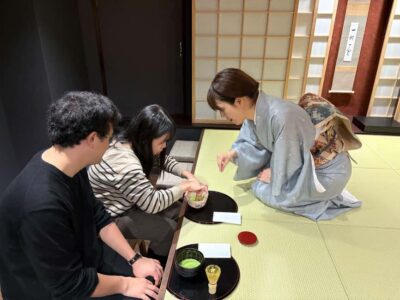
Kyoto: Traditional Tea Ceremony with Matcha & Sweets in Gion
Read our review →Browse the lists this tea experience appears in