
Review · TOKYO
Japanese Traditional Sweets making and Tea Ceremony
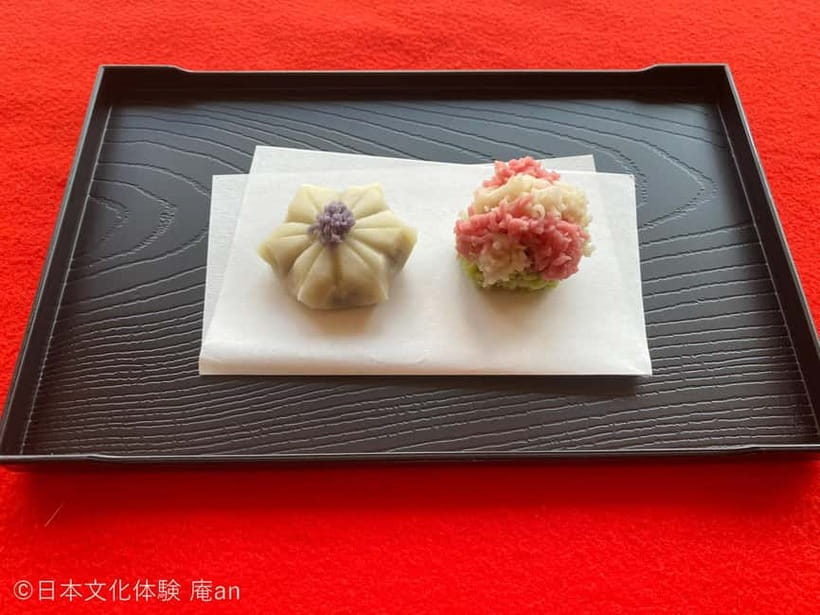
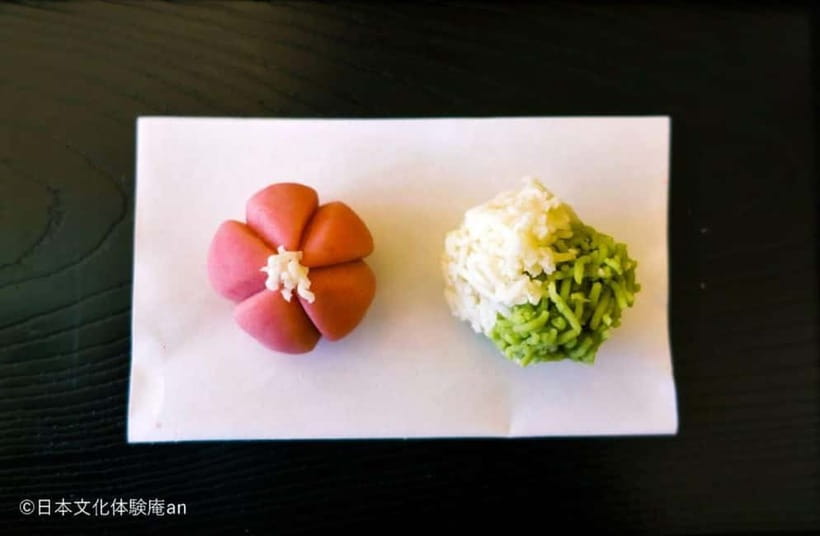
Japanese sweets are small works of art, and this 95-minute class lets you make two of them before learning the basics of a Japanese tea ceremony. You begin by coloring white bean paste, then shape it into a flower-style nerikiri and a kinton nerikiri. The seasonal designs give the class a creative edge, while Kyoto-made bean paste keeps the food tied to a serious confectionery tradition.
I like the use of single-origin Uji matcha and the chance to prepare it yourself, rather than simply being handed a cup. I also like the low price, about $18 per person, which makes this an easy cultural activity to add between sightseeing stops. The main caution is language and group size: the instructor teaches in Japanese, English help is offered as much as possible, and one booking found the room too crowded to hear well.
Key points at a glance
- Two seasonal nerikiri sweets: Shape a flower-style sweet and a kinton-style sweet from Kyoto-produced white and red bean paste.
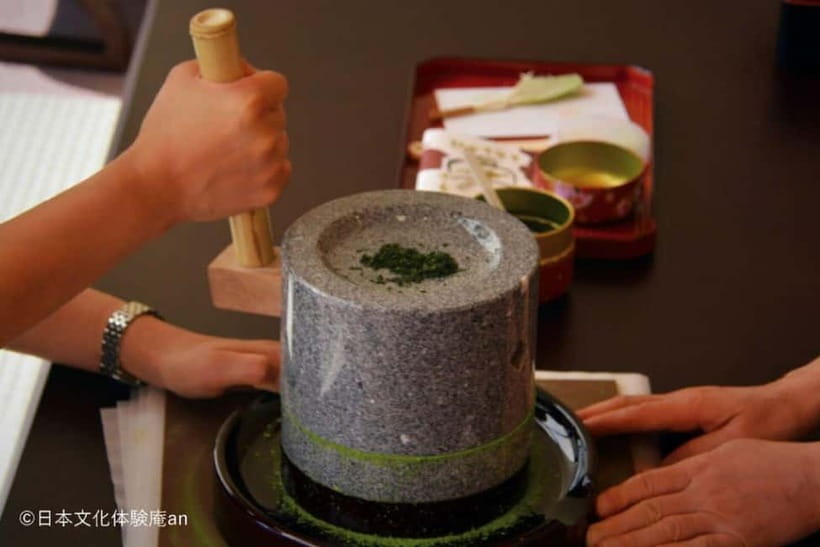
- A hands-on tea ceremony: Prepare your own matcha after a demonstration of how the tea is ground.
- Single-origin Uji matcha: The tea supplies come from Uji, one of Japan’s best-known matcha-producing areas.
- A compact 95-minute class: The schedule moves from sweets to tea without taking up half your day.
- Japanese-led instruction: Demonstrations carry much of the teaching, with English translation available as much as possible.
- Useful low-cost extras: Add a take-out box for 100 JPY or a completion certificate for 300 JPY.
Making Kyoto-style sweets in central Tokyo
This experience brings a piece of Kyoto food culture to AN TOKYO Japanese Culture Experience in Honshu. The setting is in Tokyo, but the important ingredients point west: the white and red bean paste comes from long-established Kyoto shops, and the matcha comes from Uji.
That matters because nerikiri is not just sweet dough shaped for tourists. It is a high-grade Japanese confection made from smooth white bean paste, colored and formed to suggest seasonal flowers, fruit, or other natural shapes. You get to handle that paste yourself, which helps explain the skill behind the tidy sweets you see in wagashi shops.
The class begins with an explanation of Japanese traditional sweets. You then color the white bean paste and use it to make a flower-shaped nerikiri. The process is hands-on, but it is not presented as a free-form art project. You receive guidance on shaping the paste, and the instructor’s demonstrations show you what your hands should be doing.
You also make a kinton nerikiri. Kinton means that the paste is worked into fine strands or small threads, creating a softer, more textured appearance. The two sweets give you different tasks: one focuses on shaping and detail, while the other gives you a feel for texture and arrangement.
The designs change with the season. That makes this more interesting than a fixed craft class, though it also means the exact appearance of your sweets may vary depending on when you visit. The activity description does not list the designs for each month, so you should expect seasonal flowers or fruit rather than a guaranteed specific motif.
More Tea and Sweets Making in Tokyo
- Matcha Making Class in Tokyo with Authentic Japanese Sweets Set
★ 5.0 · 744 reviews - Tokyo: Matcha Making Experience with Mochi Sweets in Asakusa
★ 4.9 · 388 reviews - Make Traditional Nerikiri Sweets & Matcha experience in Shibuya
★ 5.0 · 130 reviews
Why the bean paste makes a difference
Many visitors first encounter wagashi as something beautiful but very sweet. Here, the sweets are paired with matcha, and that pairing is central to the experience.
The Kyoto bean paste is smooth, sweet, and mild enough to work with tea. You will notice that the matcha’s bitter edge keeps the confection from tasting flat or heavy. This is a useful lesson in Japanese sweets: the sugar is not meant to be eaten alone. It is balanced by tea, much as a small dessert might be paired with coffee.
You also get a chance to express your own sense of shape and color. Do not expect bakery-style perfection on your first attempt. That is part of the fun. The sweets are meant to be eaten at the end, not placed behind glass in a museum.
A small take-out box is available for 100 JPY if you want to carry the sweets away. The basic experience ends with eating and drinking time, so the box is an optional extra rather than part of the standard package.
The 55-minute transition from sweets to tea
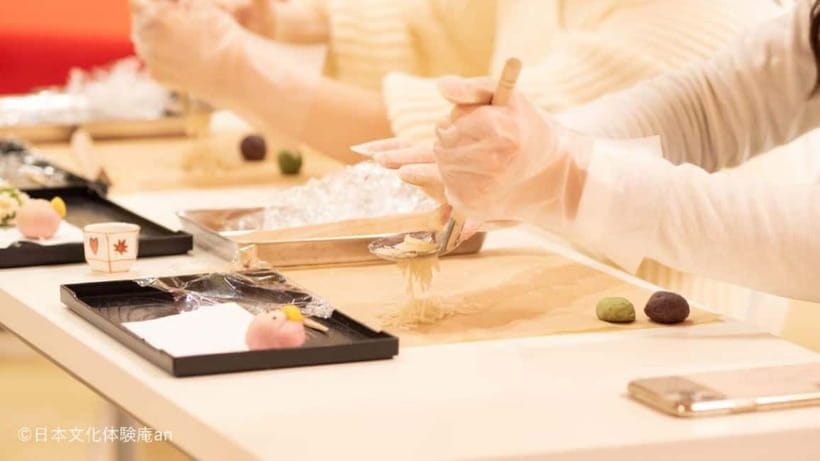
The sweets portion takes the first 55 minutes. After that, the schedule includes a short break before the tea lesson begins at about the 65-minute mark.
The break is useful because it gives you time to look at what you made before moving into a quieter and more deliberate part of the class. The provided schedule does not specify the exact length of the break, so do not treat it as a long rest period. The full experience remains tightly timed.
The tea portion starts with an explanation of tea and a demonstration of matcha grinding. This gives you context before you handle the tea yourself. Matcha is made by grinding tea leaves into a fine powder, rather than steeping whole leaves and removing them later. The result is a strong, cloudy drink in which you consume the powdered leaf.
You then take part in the tea ceremony experience and prepare your own matcha. The instructor is Japanese, and the listed language is Japanese, but English translation is provided as much as possible. One particularly useful feature is the reliance on demonstrations. Even when spoken English is limited, you can follow the hand movements and sequence of the preparation.
A previous participant found the instructor, Marie, patient and helpful, while also noting that her English was limited. Another person found the class hard to hear because of crowding. These two points fit together: the demonstrations can make the class accessible, but a noisy or full room may still make verbal explanations difficult.
Drinking matcha with sweets you made
After the tea ceremony, you have time for pictures and then for eating and drinking. The class ends at about 85 minutes, with room departure scheduled at 95 minutes.
This final section is more than a snack break. It lets you test the balance between your sweets and the tea. Your nerikiri may look delicate, but the bean paste has a clear sweetness. The Uji matcha supplies a sharp, slightly bitter counterpoint.
You will also have a better sense of what you just made. Handling bean paste, coloring it, and shaping it makes the finished sweet easier to understand. Instead of seeing wagashi as a mysterious treat with an elaborate appearance, you can identify the basic ingredients and the handwork involved.
Picture time is included before the eating and drinking period. If photographs matter to you, keep your creations intact until then. The class schedule moves quickly, so do not assume you will have a long pause for elaborate shots.
More Tea Ceremonies in Tokyo
- Kimono Tea Ceremony at Tokyo, Asakusa Maikoya
★ 5.0 · 638 reviews - Tokyo: Traditional Tea Ceremony with a Tea Master
★ 5.0 · 528 reviews - Tea Ceremony Workshop in Tokyo by the Experienced Instrucor
★ 5.0 · 189 reviews - Asakusa: Kimono Tea Ceremony with Matcha and Sweet
★ 4.9 · 153 reviews
What the 95-minute schedule feels like
The pace is efficient. You spend about 55 minutes on the sweets, pause briefly, and then move through tea instruction, matcha preparation, pictures, and tasting. This works well if you want a cultural activity that fits around other Tokyo plans.
It also means you should arrive on time. The organizers state that they cannot hold the event for late arrivals, regardless of the reason. That is especially important because the class builds one step on another. Missing the first explanation or the coloring stage would make the practical portion harder to follow.
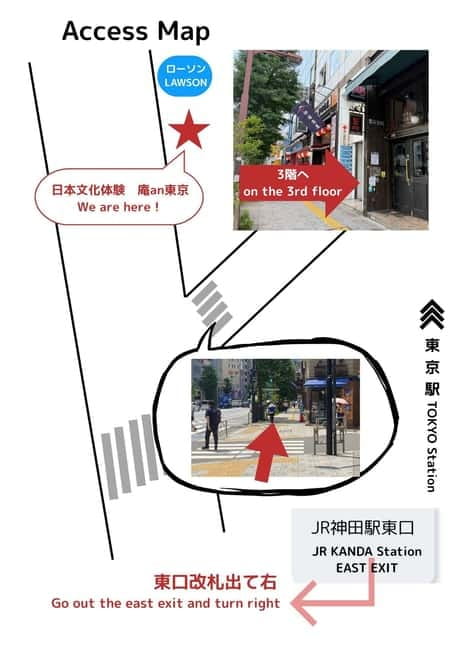
The operating hours are 10:00 to 17:00. Reservations received after 17:00 are processed the next day. The meeting point is AN TOKYO Japanese Culture Experience at coordinates 35.6916541, 139.7715022. Check your route carefully before setting out, since the activity will not compensate you for travel costs if you cancel after a problem getting to the venue.
The schedule lists a room departure at 95 minutes. In practice, plan around the full duration rather than assuming you can leave after the tea is prepared. The eating, drinking, and photo portions are part of the experience.
Language, group comfort, and the instructor
The instructor teaches in Japanese. English translation is provided as much as possible if you request it, so contact the provider in advance if you need added language support.
This is not the sort of class where every explanation is guaranteed to be delivered in polished English. You should be comfortable watching a demonstration, copying hand movements, and asking for clarification when needed. For many people, that is enough. A participant who had difficulty with the instructor’s English still found the techniques understandable because the demonstrations were effective.
The mixed feedback on the room deserves attention. One person reported that too many people made it difficult to hear the instructor, who continued without waiting. That may not happen in every session, but it is a real consideration if you need a quiet, slow-paced lesson.
If clear verbal instruction is essential to you, contact AN TOKYO before booking and ask about the group size and English support for your date. If you are happy to learn by watching, the format should be more forgiving.
Is $18 good value?
At about $18 per person, this is a strong value for a class that includes two handmade sweets, tea preparation, a matcha demonstration, and a guided cultural lesson lasting 95 minutes.
The price is especially fair because the activity gives you more than a tasting. You make the sweets yourself, prepare matcha, and learn how the two are meant to work together. A simple tea and dessert stop might cost less, but it would not give you the same hands-on practice.
The optional charges are small. A take-out box costs 100 JPY, and a completion certificate costs 300 JPY. If you want a souvenir or a certificate with your name, contact the provider in advance. For a nominative certificate, your name must be supplied beforehand. Otherwise, a blank space is left for you to fill in.
Children under two who sit on a parent’s lap are free. The information does not state a general child policy beyond that, so families with older children should confirm the cost and suitability before reserving.
The current score is 4.7 out of 5 from 50 verified bookings. The strongest praise centers on learning how to make sweets, understanding wagashi, and enjoying an instructor who is patient and helpful. The lower score focuses on crowding and hearing the instruction, so the value depends partly on how comfortable you are with a Japanese-led class.
Who will get the most from this class?
I would choose this for you if you want a short, affordable cultural activity with something tangible to do. It suits first-time visitors who want more than a photo of a tea ceremony, food lovers curious about wagashi, and families or couples looking for a shared project.
It is also a good fit for creative people. Coloring and shaping the paste gives you a small artistic task without requiring previous cooking or craft experience. You do not need to know the formal rules of tea ceremony before arriving.
You may want another type of activity if you need a long, quiet, highly detailed lecture in English. The class is Japanese-led, the English support is limited, and a full room can make the spoken parts hard to follow. You should also avoid booking it too close to another appointment because late arrivals are not accommodated.
The class is not only for tea experts. In fact, beginners are likely to gain the most, since the format introduces sweets, matcha, and ceremony in one sitting. You leave with a clearer idea of how these parts of Japanese food culture connect.
Practical booking advice before you go
Reserve early enough to confirm the starting time, since the experience runs only during the listed operating hours. You can reserve now and pay later, which helps if your Tokyo schedule is still changing.
Free cancellation is available up to 24 hours in advance for a full refund. After that point, cancellation fees apply. If you change the date or time after a fee has been incurred, another specified fee may apply, so check the policy before making changes.
Arrive with enough time to find AN TOKYO and settle in. The provider will not hold the event for delays, and people who do not participate cannot enter the activity. The class is intended for booked participants, not for friends or family who simply want to watch.
If you want English assistance, ask for it before the session. If you want a named certificate, send the names in advance. If you plan to bring your sweets away, add the 100 JPY box when you arrive.
Should you book it?
Book this class if you want a low-cost, hands-on look at Japanese sweets and tea, especially if you like making something rather than only watching. The combination of Kyoto bean paste, seasonal nerikiri, Uji matcha, and a short ceremony gives you a lot in 95 minutes.
Think twice if you need a quiet class with full English instruction. Ask about the group size before paying, and leave plenty of time to reach the meeting point. For most visitors who can learn by watching and enjoy a little creative work, this is a practical way to spend part of a Tokyo day.
FAQ
Where does the Japanese sweets and tea experience take place?
It takes place at AN TOKYO Japanese Culture Experience in Honshu, Japan. The listed coordinates are 35.6916541, 139.7715022.
How long does the activity last?
The full experience lasts 95 minutes. The scheduled program ends at about 85 minutes, followed by eating, drinking, and room departure at 95 minutes.
What sweets will I make?
You will make two seasonal Japanese sweets. The program includes a flower-shaped nerikiri and a kinton nerikiri.
What ingredients are used?
The class uses white and red bean paste produced by long-established shops in Kyoto. It also uses single-origin Uji matcha.
Is the class taught in English?
The instructor teaches in Japanese. English translation is provided as much as possible, and you can contact the provider if you would like additional English support.
Is matcha included?
Yes. The experience includes the tea ceremony and the matcha you prepare and drink with your handmade sweets.
Can I take the sweets home?
A sweets take-out box is available for 100 JPY. It is not included in the main price.
What is the cancellation policy?
You can cancel up to 24 hours in advance for a full refund. Cancellation fees apply after that point, and the provider cannot compensate you for travel expenses if you cancel because of problems reaching the venue.
Newly steeped around Tokyo
- Yokohama : Tea Ceremony with Sweets and Souvenir★ 5.0 · 5 reviews
- Walking Tour: Yanaka,Nezu& Sendagi: Tea Ceremony & Old Tokyo★ 5.0 · 3 reviews
- Private Mochi・Matcha sweets Making Class Near Shibuya Area★ 5.0 · 22 reviews
- 2 Hours Mochi &Nerikiri Making & Matcha Class in Bunkyo★ 5.0 · 21 reviews
- Private Kimono and tea ceremony at local home near Tokyo Disney★ 5.0 · 6 reviews
- Kimono and Tea Ceremony in Asakusa Private Food Tour With Guide★ 5.0 · 4 reviews
- Giant Sushi Cooking Class: Make a 1.5m Sushi Roll in Tokyo★ 5.0 · 9 reviews
- Tokyo Tea Ceremony Class at a Traditional Tea Room★ 5.0 · 2 reviews
Tea & Sweets Making, compared.
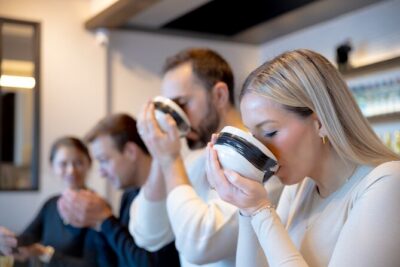
Matcha Making Class in Tokyo with Authentic Japanese Sweets Set
Read our review →
Tangier: Sunset, Tea, Sweets, Camel Ride, and Hercules Caves
Read our review →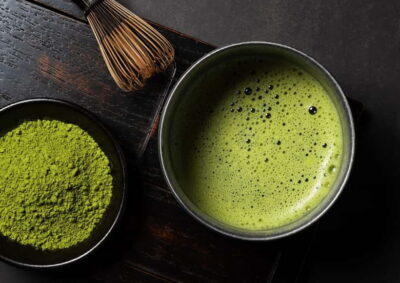
Tokyo: Matcha Making Experience with Mochi Sweets in Asakusa
Read our review →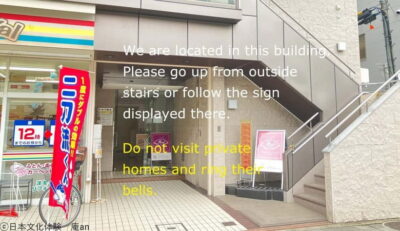
Kyoto: Japanese Traditional Sweets Making and Tea Ceremony
Read our review →
Osaka: Matcha Making Experience with Japanese Sweets
Read our review →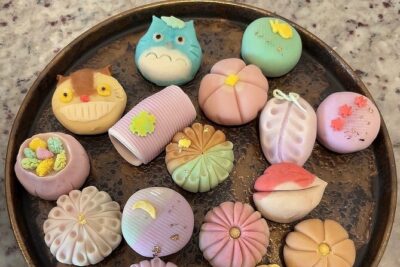
Make Traditional Nerikiri Sweets & Matcha experience in Shibuya
Read our review →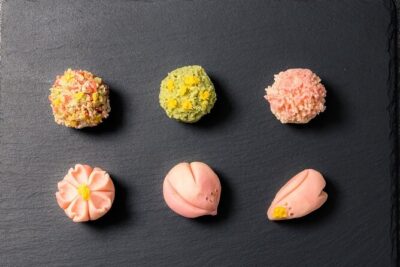
Sweets Making and Kimono Tea Ceremony at Tokyo Maikoya
Read our review →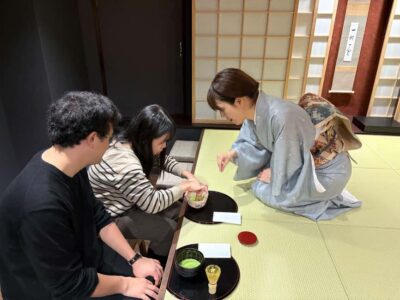
Kyoto: Traditional Tea Ceremony with Matcha & Sweets in Gion
Read our review →Browse the lists this tea experience appears in