
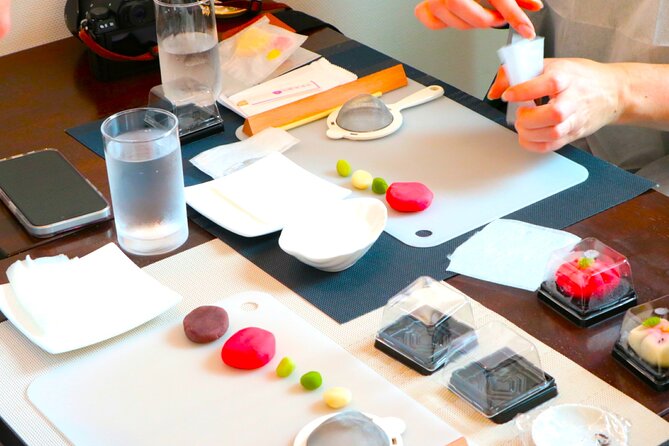
Review · TOKYO
A perfect Japanese experience: Tea Ceremony and Mochi Forming
A century-old antique shop is an unusual place to learn about Japanese sweets. Here, you begin by looking over old tableware, then sit down with colored nerikiri dough and shape it into seasonal designs before moving into a chair-friendly tea room for matcha. The setting feels far more personal than a standard activity room.
I like the tiny group size, capped at five, and the fact that you make the sweets yourself rather than simply watching a demonstration. I also like the two-part format: hands-on wagashi forming followed by tea and a taste of your own work. The main consideration is communication. The host is a Japanese artisan who may not speak English fluently, so visual teaching and patience matter.
Key points
- Century-old antique shop: Begin by examining traditional tableware in a working shop with a long local character.
- Seasonal nerikiri: Shape mochi-based sweets into figures such as flowers, fans, plum blossoms, hydrangeas, or other seasonal designs.
- Tea ceremony included: Eat a confection in a dedicated tea room, then drink real, unsweetened matcha.
- Small group of five: The limited size gives you a better chance to follow the forming steps closely.
- All materials supplied: Tools and ingredients are included, so you can arrive empty-handed.
- About 1 hour 40 minutes: The activity returns to its starting point and fits neatly into a Tokyo sightseeing day.
Starting in Yanaka at a century-old shop
The experience begins at 6-chōme-2-40 Yanaka in Taito City. The meeting point is near public transportation, and the activity ends back there, so you do not need to arrange a separate return transfer.
The first few minutes set the tone. Instead of entering a plain classroom, you arrive at an antique store known for its tableware. Take time to look around before the forming begins. This is not filler. The dishes and utensils help explain why Japanese sweets are treated as part of an artistic meal, not just as a snack.
The shop has a quiet, old-fashioned feel, and its age gives the class a stronger sense of place. The setting was also featured on CNN, which adds some outside recognition, but the practical value is simpler: you are learning in a space connected to Japanese objects and food culture.
You will want to arrive on time. A late arrival does not extend the session, and the activity finishes at its scheduled time. Since the class is only about 1 hour and 40 minutes, even a small delay can cut into the forming or tea portion.
More Tea and Sweets Making in Tokyo
- Matcha Making Class in Tokyo with Authentic Japanese Sweets Set
★ 5.0 · 744 reviews - Tokyo: Matcha Making Experience with Mochi Sweets in Asakusa
★ 4.9 · 388 reviews - Make Traditional Nerikiri Sweets & Matcha experience in Shibuya
★ 5.0 · 130 reviews
Turning mochi-based dough into seasonal art
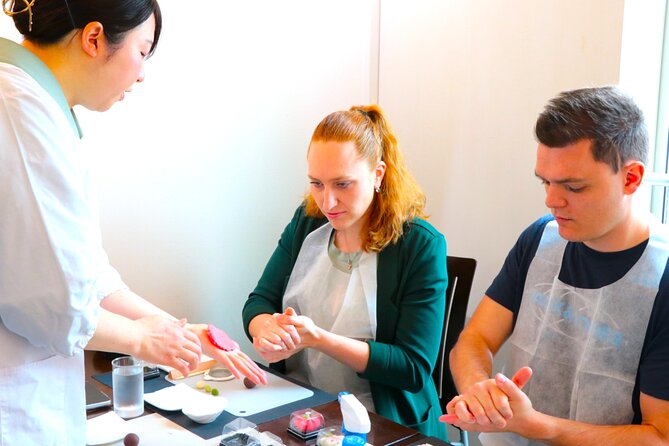
The wagashi used here is called nerikiri. It is a soft Japanese confection made with mochi flour and bean-based ingredients, then colored and formed by hand.
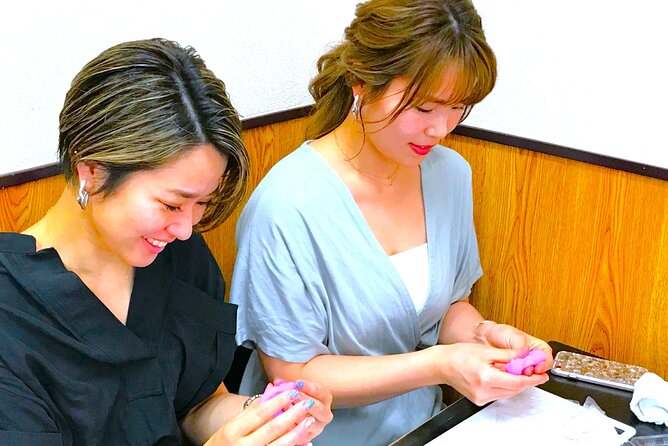
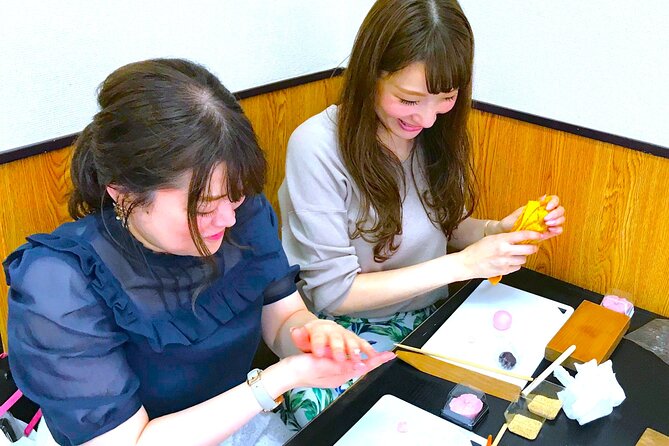
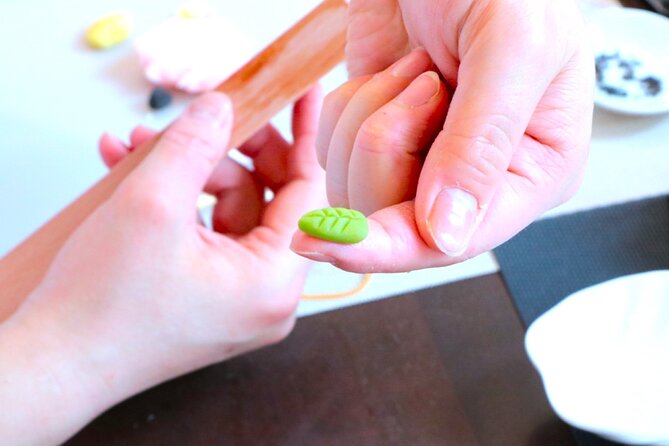
The activity is presented more like working with colorful clay than like a difficult cooking lesson. You receive the ingredients and tools, and the artisan demonstrates how to combine and shape the different colors. You then copy the form, using your fingers and the provided equipment to create a finished design.
This is where the experience earns its price. You are not simply tasting a pretty sweet in a shop window. You are learning how the shape is built, how color is placed, and how a small piece of dough can suggest a flower, fan, plum, or hydrangea.
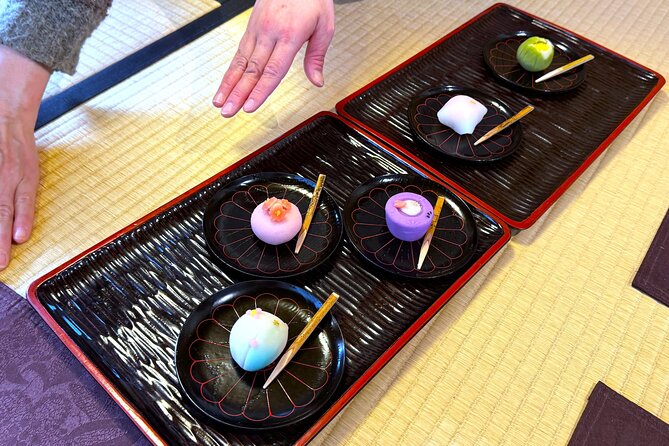
The exact designs depend on the season. One spring session included sakura-themed sweets, while other sessions produced a plum and a hydrangea. Another class made a fan and a flower from red and white bean paste. That variety is a strength, but it also means you should not book expecting one fixed set of designs.
The published description refers to four different styles of sweets, while individual sessions described in the available details focused on two designs. The sensible expectation is that you will learn several seasonal forms, with the exact number and subjects chosen for the day.
Why the small group makes a difference
The group limit is five people. That matters in a craft class because the details are small, and the forming process can be hard to follow from the back of a large room.
With fewer people, you have a better chance to see the artisan’s hand movements and receive help as you shape your own pieces. You also have room to work without feeling rushed by a crowd. The class can remain conversational and relaxed, which suits an activity built around careful handwork.
This is not a polished, high-volume cooking school. The provider describes the host as a Japanese artisan rather than a commercial presenter. English may be limited, so the lesson might rely on demonstration, gestures, and repetition as much as spoken explanation.
That can be part of the charm, but it is worth considering honestly. If you need long English explanations about every step, this may test your patience. If you can watch closely and enjoy learning by doing, the format should work well.
Entering the chair-friendly tea room
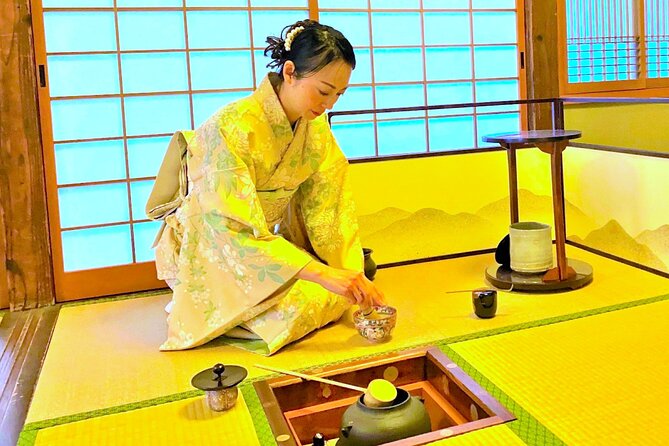
After forming the sweets, you move to a dedicated tea room. The room is designed for sitting in a chair, a useful detail for anyone who finds traditional floor seating uncomfortable.
The tea portion gives the craft some context. You are served a confection first, followed by real matcha. The matcha is not sweetened, so expect a stronger, more bitter taste than a sugary green tea drink.
You eat one of the sweets during the tea ceremony, which makes the final stage more satisfying. You have just seen the ingredients transformed and then get to experience the finished confection with tea, as intended.
The tea ceremony is not presented as an extended formal ritual. It is a compact introduction that fits into the overall 1-hour-40-minute schedule. You get the setting, the serving sequence, and the taste of matcha without committing half a day to a more formal school.
More Tea Ceremonies in Tokyo
- Kimono Tea Ceremony at Tokyo, Asakusa Maikoya
★ 5.0 · 638 reviews - Tokyo: Traditional Tea Ceremony with a Tea Master
★ 5.0 · 528 reviews - Tea Ceremony Workshop in Tokyo by the Experienced Instrucor
★ 5.0 · 189 reviews - Asakusa: Kimono Tea Ceremony with Matcha and Sweet
★ 4.9 · 153 reviews
The sweets are made to be eaten, not just photographed
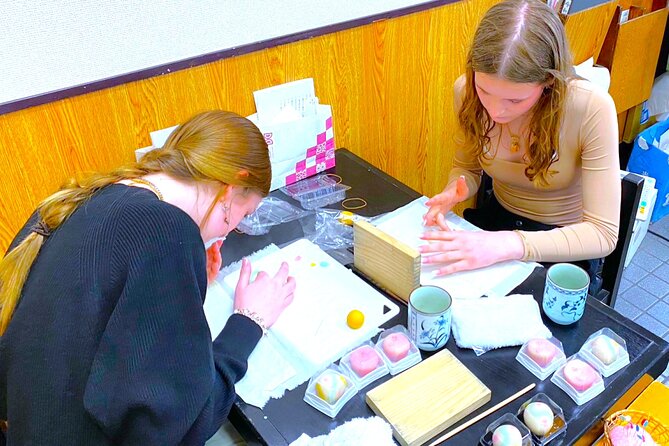
Nerikiri is famous for its appearance. Seasonal designs can suggest flowers, leaves, fans, or other natural forms, and you may find yourself hesitating before eating something that took care to shape.
The sweets made here contain no artificial additives. That is a pleasant detail, but it also affects storage. The finished wagashi lasts only two days if refrigerated, so treat it as a short-lived food rather than a souvenir to carry around Tokyo for a week.
You should also plan around the activity rather than bringing a large shopping bag of food items. All tools and ingredients are included, and the session is designed as a complete workshop. The value comes from the making, tasting, and tea service together.
The craft is suitable for people who enjoy arts and crafts as much as food. You do not need to be an experienced cook. The forming is described as easy and playful, but the final shapes may still require a little patience and a steady hand.
What the $55.38 price buys you
At $55.38 per person, this is not the cheapest way to drink tea in Tokyo. You could buy a confection and a green tea for far less.
The comparison changes when you count what is included: an artisan-led lesson, all materials, several seasonal designs, a sweet tasting, matcha, and access to a special old shop and tea room. The group is limited to five, and the full program lasts about 100 minutes.
I see the price as fair for a focused cultural activity, especially if you value participation over sightseeing from the sidelines. You are paying for time with an artisan and for the chance to produce something yourself, not just for the food.
The value is weaker if you mainly want a formal tea ceremony or a large dessert tasting. This is a craft workshop first, with tea as the second half. Likewise, visitors who dislike matcha bitterness or have little interest in handmade sweets may find the cost harder to justify.
How it fits into a Tokyo day
The meeting point is in Yanaka, in Taito City, and the site is near public transportation. Since the activity begins and ends at the same location, it can be paired with other plans in the area.
Allow enough time to find 6-chōme-2-40 Yanaka. The late policy is strict in practical terms: the class ends at the original scheduled time even if you arrive late. Because the workshop has several stages, arriving at the last minute is not a good plan.
The session itself is short enough to fit between larger Tokyo plans. You can spend the first part inspecting the antique shop and making sweets, then finish with tea. The structure gives you a clear beginning, middle, and end without taking over your whole day.
The schedule is also useful for families with older children. Participants must be at least 13, and anyone under 18 must attend with an adult. Younger children cannot join this particular program, even if they enjoy crafts.
Who will get the most from this experience
I would recommend this to you if you enjoy Japanese food culture, handmade crafts, small historic interiors, or activities that give you something to do with your hands.
It is especially well suited to:
- Couples looking for a quiet shared activity
- Families with teenagers aged 13 or older
- Visitors who prefer small groups to large demonstrations
- Anyone curious about wagashi beyond the usual souvenir sweets
- People who want to try matcha in a proper tea setting
- Craft fans who enjoy seasonal designs and fine detail
You may want to skip it if you need a fluent English lecture, dislike bean-based sweets, or want a long and highly formal tea ceremony. The host does their best to make the activity enjoyable, but the language limitation is clearly part of the experience.
You should also avoid attending if you are unwell or under the influence of alcohol. Anyone in that condition will not be permitted to participate, and there is no refund.
What makes the atmosphere memorable
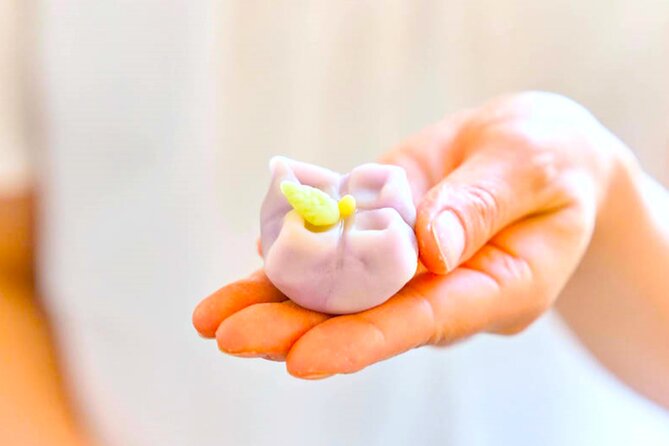
The strongest part of this activity is the combination of place and task. A plain room with tables could teach you the same basic hand movements, but the antique shop and tea room give those movements a cultural setting.
The atmosphere can also be funny and informal. One session was described as a lighthearted, comic experience, with a kind and amusing teacher. That suggests the mood is not stiff or intimidating, even though the subject involves a traditional art.
At the same time, you should not expect a slick, commercial show. The artisan style may mean a little less polish and more direct demonstration. For me, that tradeoff is worthwhile because it keeps the class connected to a person and a working craft rather than a scripted tourist performance.
Booking advice and cancellation terms
The experience is usually booked about 16 days ahead, so it is wise to reserve early if your Tokyo dates are fixed. Confirmation arrives within 48 hours of booking, subject to availability.
The ticket is mobile, which keeps arrival simple. Check your phone before leaving for Yanaka, and make sure you have the meeting address available.
The cancellation policy is strict. The booking is non-refundable and cannot be changed for any reason, including a cancellation or amendment request. Do not reserve until you are confident about your date and arrival time.
Anyone entering the venue must pay the participation fee, even if they do not plan to take part. This also means that an adult accompanying a minor must be booked as a participant.
Should you book the nerikiri and tea ceremony?
Book this experience if you want a compact, hands-on introduction to Japanese wagashi in a setting with real character. The best reasons are the five-person limit, the seasonal designs, the century-old antique shop, and the chance to eat your own sweet with unsweetened matcha.
I would be cautious if you expect a long English explanation, a fixed menu of exact designs, or a formal ceremony lasting several hours. The host is an artisan, the designs vary by season, and the session moves at its scheduled pace.
For the right person, $55.38 is a reasonable price for a small cultural workshop rather than a simple tea stop. Arrive on time, bring curiosity rather than perfectionist expectations, and book only when your plans are firm.
FAQ
Where does the experience begin?
It begins at 6-chōme-2-40 Yanaka, Taito City, Tokyo 110-0001, Japan.
Where does the activity end?
The activity ends back at the meeting point.
How long does the experience last?
The experience lasts approximately 1 hour and 40 minutes.
How much does it cost?
The listed price is $55.38 per person.
How many people can join the group?
The activity has a maximum of five participants.
What is included?
Tools, ingredients, wagashi forming, a sweet tasting, and Japanese tea are included.
What kind of sweets will I make?
You will make seasonal nerikiri, a Japanese wagashi made with mochi flour and colored ingredients. Designs can vary by season and may include flowers, fans, plum blossoms, hydrangeas, or sakura themes.
Is the tea ceremony suitable for people who cannot sit on the floor?
The dedicated tea room is designed for sitting in a chair.
What is the minimum age?
Participants must be at least 13 years old. Anyone under 18 must be accompanied by an adult.
Can I cancel or change my booking?
No. The experience is non-refundable and cannot be changed for any reason. Confirmation is provided within 48 hours, subject to availability.
Newly steeped around Tokyo
- Yokohama : Tea Ceremony with Sweets and Souvenir★ 5.0 · 5 reviews
- Walking Tour: Yanaka,Nezu& Sendagi: Tea Ceremony & Old Tokyo★ 5.0 · 3 reviews
- Private Mochi・Matcha sweets Making Class Near Shibuya Area★ 5.0 · 22 reviews
- 2 Hours Mochi &Nerikiri Making & Matcha Class in Bunkyo★ 5.0 · 21 reviews
- Private Kimono and tea ceremony at local home near Tokyo Disney★ 5.0 · 6 reviews
- Kimono and Tea Ceremony in Asakusa Private Food Tour With Guide★ 5.0 · 4 reviews
- Giant Sushi Cooking Class: Make a 1.5m Sushi Roll in Tokyo★ 5.0 · 9 reviews
- Tokyo Tea Ceremony Class at a Traditional Tea Room★ 5.0 · 2 reviews
Tea & Sweets Making, compared.

Matcha Making Class in Tokyo with Authentic Japanese Sweets Set
Read our review →
Tangier: Sunset, Tea, Sweets, Camel Ride, and Hercules Caves
Read our review →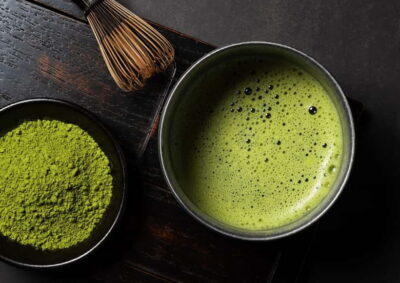
Tokyo: Matcha Making Experience with Mochi Sweets in Asakusa
Read our review →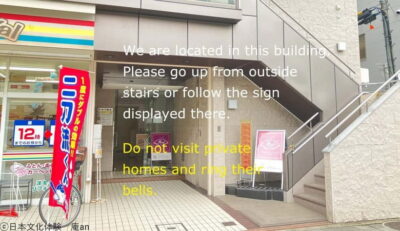
Kyoto: Japanese Traditional Sweets Making and Tea Ceremony
Read our review →
Osaka: Matcha Making Experience with Japanese Sweets
Read our review →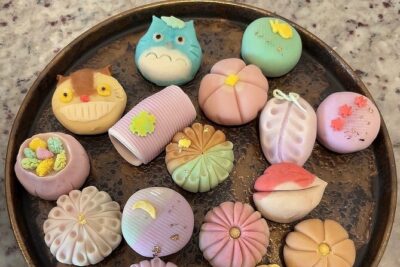
Make Traditional Nerikiri Sweets & Matcha experience in Shibuya
Read our review →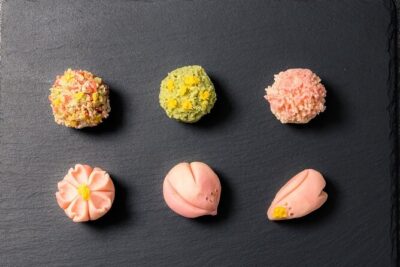
Sweets Making and Kimono Tea Ceremony at Tokyo Maikoya
Read our review →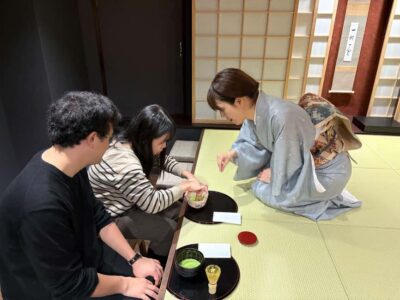
Kyoto: Traditional Tea Ceremony with Matcha & Sweets in Gion
Read our review →Browse the lists this tea experience appears in