
Review · KYOTO
A Unique Antique Kimono and Tea ceremony Experience in English
The most unusual part of this Kyoto experience comes before the tea: you choose an antique kimono, some more than 80 years old, then wear it inside a 100-year-old private house near Katsura Imperial Villa. Toku, a kimono fitter with more than 20 years of tea ceremony experience, guides you through the customs in English.
I like the small size, with no more than six people, and the warm family setting. I also like that you learn the meaning behind the movements instead of simply watching a polished performance. The main consideration is the setting: this is a quiet residential home, not a grand temple, formal garden, or theatrical tea room.
Key points
- Antique kimono selection: Choose from a large collection of genuine older garments, with help selecting an obi and accessories.
- Personal instruction from Toku: Your host explains tea etiquette, matcha preparation, and the link between samurai culture and the tea ceremony.
- Small-group format: The experience is capped at six people, allowing questions and individual help with dressing.
- Quiet Katsura setting: The home is near Katsura Imperial Villa, away from Kyoto’s busiest sightseeing areas.
- Photos are part of the experience: The hosts take photographs during the ceremony and while you are dressed in kimono.
- A 90-minute cultural visit: The price includes kimono rental, green tea, and Japanese sweets, but not a meal.
Choosing an antique kimono in a family-run Kyoto shop
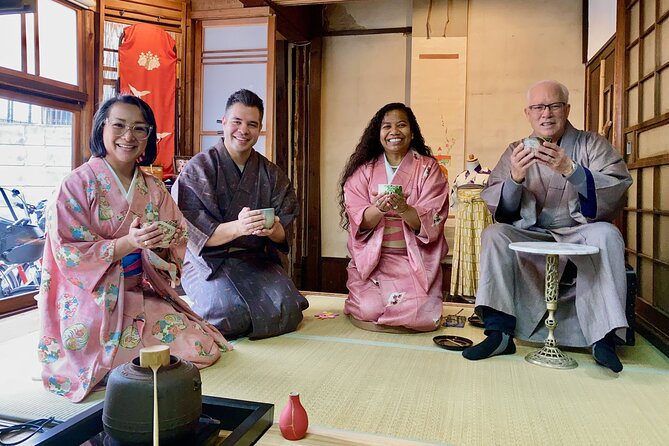
This experience begins at Miyagawa Tokusaburo Shoten, at 32-4 Katsuranozatochō in Kyoto’s Nishikyo Ward. It is near Katsura Imperial Villa, in a residential part of the city rather than in the central sightseeing zone.
That location shapes the whole visit. You are not entering a grand temple complex or a carefully staged cultural attraction. You arrive at a traditional private house and shop, where the atmosphere is calm and domestic. For me, that is the point. You get a look at a quieter side of Kyoto, though anyone expecting gardens, impressive temple buildings, or a dramatic setting should adjust expectations.
Toku helps you choose your kimono, obi, and accessories. The collection includes garments described as rare antiques, with some more than 80 years old. You might spend a little time deciding what suits you, especially if you have never handled a kimono before. His experience as a kimono fitter matters here, since the clothing is not simply handed over for you to put on yourself.
The selection process is one of the strongest parts of the visit. You can ask about colors, patterns, and accessories, and the hosts may help with hair styling and decorative pieces. The emphasis is less on rushing you into costume and more on making the clothing feel personal.
Some of the garments are kept folded and stored in the shop, rather than displayed like museum pieces. That is practical, but it also means the room may feel more like a working home and textile business than a formal exhibition. If your main goal is to see a grand collection presented behind glass, this is not that kind of experience.
More Kimono and Tea Ceremonies in Kyoto
- Kimono Tea Ceremony at Kyoto Maikoya, NISHIKI
★ 5.0 · 911 reviews - Kyoto: Kimono Tea Ceremony at Orizuruya Gion
★ 4.9 · 618 reviews - KYOTO Tea Ceremony with kimono near by Imamiya Jinjya Shrine
★ 5.0 · 343 reviews
Getting dressed in traditional clothing
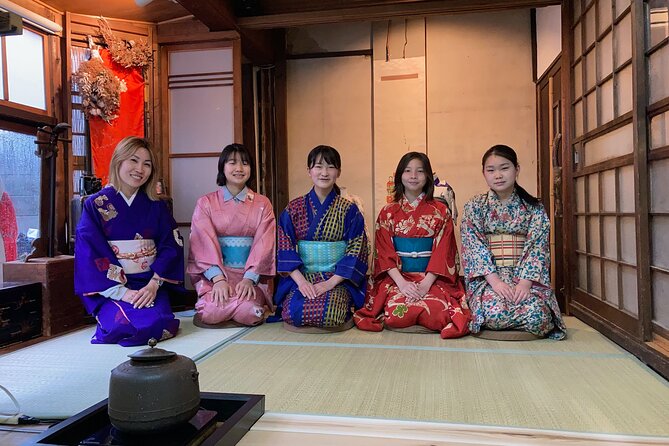
Once you have chosen your kimono, Toku and his assistants help you put it on. The fitting is included in the price, as is the rental itself. You do not need to arrange a separate kimono appointment elsewhere in Kyoto.
The clothing adds a physical side to the tea ceremony. A kimono changes how you sit, walk, hold your hands, and turn your body. Those details help you understand why tea ceremony etiquette developed with such careful movement. You are not just hearing about manners. You are feeling how clothing and posture affect the ritual.
Several practical points are worth knowing. A kimono is fitted snugly, and the ceremony may involve sitting in a formal position. The hosts have adapted the activity for someone who could not kneel, so the ceremony can be adjusted when needed. Still, tell the hosts about physical limitations as early as possible.
The experience has also worked well for families. Children have been included in the instruction, and a very young child was accommodated during the kimono portion. That does not mean every child will enjoy sitting through a quiet ceremony, but the hosts clearly make an effort to involve younger participants.
You should allow time for photographs. The hosts take pictures during the visit, including shots of the clothing and ceremony. This is useful because taking your own photos while dressed and seated can be awkward. It also gives you a record of the details you might otherwise miss.
Learning how matcha becomes part of the ceremony
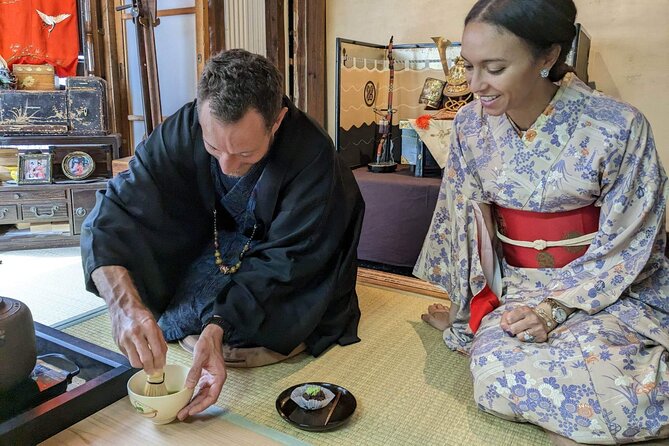
The tea portion is not just a cup of green tea served in a pretty room. Toku explains the steps, the etiquette, and the ideas behind the ceremony in English. You learn how matcha is prepared and why each movement matters.
The pace is deliberately slow. That works well when you want to understand what you are seeing. You can ask questions, watch the preparation, and follow the order of the ritual without trying to guess what happens next.
The tea is served with Japanese sweets, which provide a small contrast to the bitter taste of matcha. The experience focuses on green tea and the ceremony around it, not on sampling several types of tea. If you are booking because you want an extended lesson in tea production or a tasting of many varieties, you may find the scope limited.
Toku brings more than 20 years of experience with tea ceremonies. He also explains the connection between samurai culture and tea, an interesting angle that gives the ritual a wider setting. Tea ceremony is not simply about making a drink. It involves conduct, attention, hospitality, and the value of sharing a particular moment together.
I like that the instruction appears designed for newcomers. You do not need prior knowledge of tea ceremony, kimono, or Japanese etiquette. The ceremony is explained step by step, and you are encouraged to ask questions rather than sit silently through a sequence you do not understand.
Why the quiet Katsura location matters
Kyoto has no shortage of tea ceremony experiences, especially in areas filled with temples, shops, and sightseeing groups. This visit offers something different by placing you near Katsura Imperial Villa, away from the busiest central streets.
The quieter setting gives the ceremony room to breathe. You can focus on the house, the clothing, and the hosts without the noise and foot traffic that often surround central Kyoto attractions. A short taxi ride of about 15 minutes from the main sightseeing areas has been described as an easy way to reach the shop, and the address is also near public transportation.
The tradeoff is convenience. You should not expect to walk out of the experience directly into a major cluster of attractions. Plan your route before the appointment, and consider pairing this visit with Katsura Imperial Villa or other sights in western Kyoto if their schedules work together.
The home itself is more important than the surroundings. It is over 100 years old and provides a modest, authentic backdrop for the ceremony. You will not find a large garden or a grand hall. Instead, the charm comes from the age of the house, the family atmosphere, and the chance to spend time in a working cultural space.
More Tea Ceremonies in Kyoto
- Kyoto: Tea Ceremony in a Traditional Tea House in Kiyomizu
★ 4.9 · 3,519 reviews - Kyoto: Tea Ceremony Ju-An at Jotokuji Temple
★ 4.9 · 3,207 reviews - Kyoto: 45-Minute Tea Ceremony Lesson Experience
★ 4.3 · 2,378 reviews - Kyoto: Table-Style Tea Ceremony at a Kyo-Machiya
★ 4.9 · 1,211 reviews
A small group makes the instruction more useful
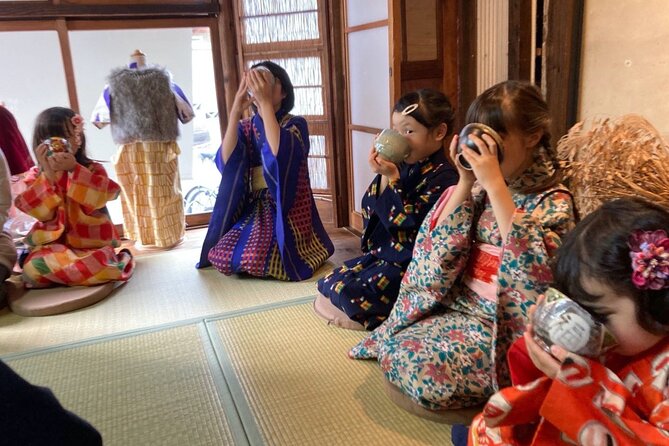
The maximum group size is six people. That number is small enough for Toku and his family to help with kimono fitting, explain gestures, answer questions, and take photographs without turning the activity into a lecture.
A smaller group also changes the tone of the ceremony. You can see the tea preparation clearly and ask about details that might be skipped in a larger session. If you are traveling as a couple or family, you may even find the group is smaller than the limit.
The experience has received a 4.9 rating from 109 reviews, with 97 percent recommending it. The strongest praise centers on the hosts, especially Toku and his wife. Their welcome, patience, clear explanations, and willingness to adapt the ceremony come up repeatedly in the feedback.
That warmth seems to be a major part of the value. You are spending time with people who present the activity from personal experience, not just following a memorized script. The family-run setting can make the visit feel more like an introduction to a household tradition than a standard sightseeing stop.
There is one important balance to keep in mind. The intimacy of a private home will appeal to some people and disappoint others. One unhappy experience found the residential setting too ordinary and the kimono storage too informal, especially compared with tea ceremonies held in parks or grander surroundings. That criticism is fair. You should book this for personal contact and instruction, not for elaborate architecture.
What the 90 minutes include
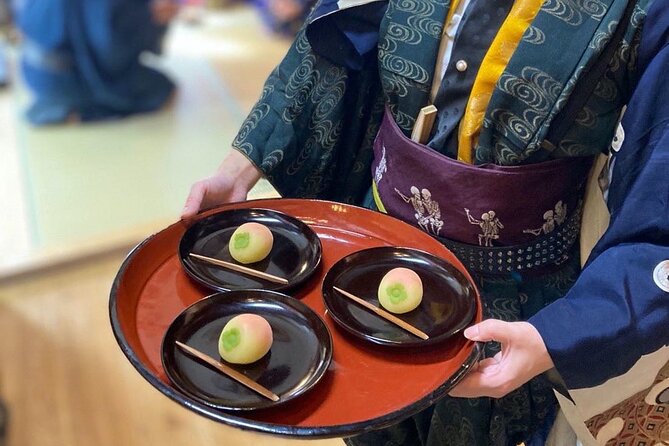
The advertised duration is about one hour and 30 minutes. A typical visit includes several connected parts:
- Choosing a kimono, obi, and accessories
- Dressing with help from Toku and his team
- Learning about kimono and tea ceremony customs
- Watching and taking part in matcha preparation
- Receiving green tea and Japanese sweets
- Joining the tea ceremony
- Taking photographs during the experience
The order and amount of time spent on each part may vary. If you are with family or a small group, kimono selection and dressing can take a meaningful share of the appointment. That is not wasted time, since the clothing is one of the main reasons to choose this activity.
The price is $99.10 per person. That is not the cheapest way to drink matcha in Kyoto, but the comparison is not simply tea against tea. The fee includes antique kimono rental, fitting assistance, a guided ceremony in English, green tea, Japanese sweets, and access to a private home setting.
I consider the price reasonable if you want several elements in one appointment. Paying separately for kimono rental, dressing, a tea ceremony, and photographs could cost more, while also requiring multiple bookings. The value is weaker if you only want a short cup of matcha or a formal performance with a scenic backdrop.
Lunch and dinner are not included, so plan this as a cultural activity rather than a meal. The 90-minute length makes it easy to fit around other plans, but you should leave enough time for transportation to western Kyoto.
Who will get the most from this experience
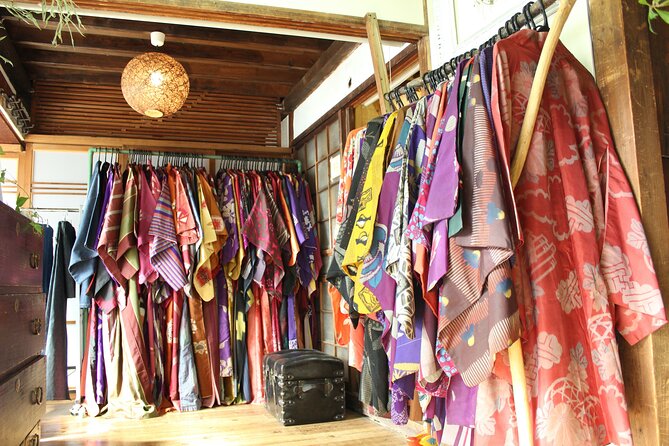
This is a good choice for you if you want to understand what happens during a tea ceremony and prefer to ask questions along the way. It is also well suited to couples, families, and small groups who want photographs in kimono without booking separate services.
You will likely appreciate it if you value personal contact over a famous setting. Toku’s background as a kimono fitter, his long experience with tea ceremony, and the family’s hands-on approach are central to the visit.
It can also suit you if you have already seen Kyoto’s major temples and want a quieter activity. The neighborhood and old home offer a different view of the city, even if the setting lacks the visual drama of a temple garden.
You may want to choose another tea ceremony if your priority is a beautiful garden, a historic temple interior, a formal performance, or a tasting of several teas. This activity is personal and instructive, but it is not presented as a grand theatrical event.
The hosts speak English, which makes a real difference. Tea ceremony etiquette can be hard to understand through demonstration alone. Clear explanations let you learn why you bow, how you handle the bowl, and how the ceremony is structured.
Booking, timing, and practical details
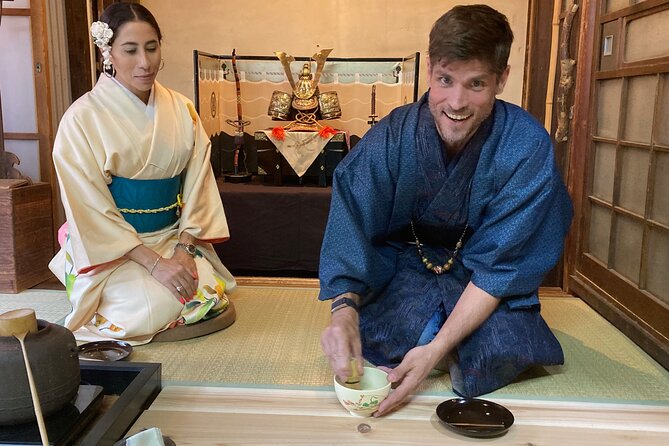
Your mobile ticket is confirmed at booking in most cases. If you book within one day of the planned visit, confirmation is sent as soon as possible and depends on availability.
The activity begins and ends at Miyagawa Tokusaburo Shoten. It is near public transportation, and service animals are allowed. The small-group limit is six people.
You can cancel for a full refund if you do so at least 24 hours before the local start time. Cancellations made within 24 hours are not refunded, and changes during that period are not accepted.
Wear something that allows you to be fitted comfortably. The hosts provide the kimono, so you do not need to bring your own. If you cannot kneel or have another concern about sitting during the ceremony, mention it in advance. The ceremony has been adapted for someone with limited ability to kneel, but early notice is sensible.
Should you book this Kyoto tea ceremony?
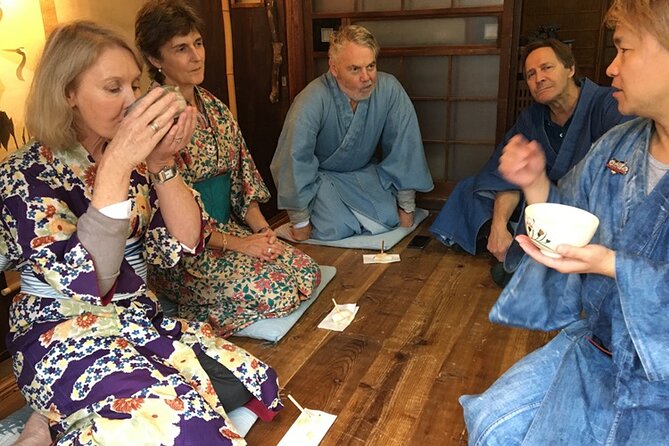
Book it if you want a personal, small-group introduction to kimono and tea ceremony, especially with English instruction. The antique clothing, family welcome, photographs, and quiet western Kyoto location give the 90 minutes more substance than a simple matcha tasting.
Think twice if you need a grand setting, a garden, or a polished cultural show. The house is a real residential space, and the kimono collection is handled as part of a working shop. That modest setting is either the experience’s greatest strength or its main weakness, depending on what you want.
For couples and families who want to slow down, learn the reasons behind the ritual, and leave with photographs in an antique kimono, the $99.10 price is justified. For anyone seeking only tea or a scenic backdrop, spend your money elsewhere.
FAQ
Where does the tea ceremony take place?
It takes place at Miyagawa Tokusaburo Shoten, 32-4 Katsuranozatochō in Kyoto’s Nishikyo Ward, near Katsura Imperial Villa.
How long does the experience last?
The activity lasts approximately one hour and 30 minutes.
Is the experience available in English?
Yes. The tea ceremony and explanations are available in English.
How many people can join?
The group is limited to a maximum of six travelers.
Is the antique kimono rental included?
Yes. The antique kimono rental fee is included, along with the tea ceremony, green tea, and Japanese sweets.
What is not included in the price?
Lunch and dinner are not included.
Does the experience include photographs?
The hosts take photographs during the kimono and tea ceremony experience, according to the activity details and guest accounts.
Can someone take part if they cannot kneel?
The ceremony can be adapted for someone who cannot kneel. You should inform the hosts about any physical needs in advance.
Can I cancel for a full refund?
Yes. You can cancel at least 24 hours before the local start time for a full refund. Cancellations or changes made less than 24 hours before the start are not accepted for a refund.
Newly steeped around Kyoto
- Whisk Your Own Matcha: A Zen Matcha Experience at Temple★ 3.6 · 7 reviews
- Kyoto: Authentic Tea Ceremony in a Small Group★ 5.0 · 7 reviews
- Tea ceremony at Kyoto’s Zen Temple Teahouse★ 5.0 · 2 reviews
- Uji Walking Tour – Byodo-in temple and Tea Ceremony from Kyoto★ 3.5 · 3 reviews
- Tea Ceremony Experience in Traditional Kyoto Townhouse★ 5.0 · 19 reviews
- Tea Ceremony in 150 Years Old Townhouse with Tables and Chairs★ 5.0 · 22 reviews
- Silent Beauty of Kyoto Zen Walk and Tea Experience★ 5.0 · 2 reviews
- Traditional Tea Ceremony in Kyoto★ 4.5 · 3 reviews
Kimono & Tea Ceremony, compared.

KYOTO Tea Ceremony with kimono near by Imamiya Jinjya Shrine
Read our review →
Kyoto: Kimono and Tea Ceremony Experience at Cultural Asset
Read our review →
Kyoto: Kimono Tea Ceremony with Matcha and Sweet
Read our review →
Tokyo: Asakusa Kimono Dressing and Matcha Experience
Read our review →Browse the lists this tea experience appears in