
Review · TOKYO
Ginza Tokyo: Easy Matcha (Green Tea) Experience
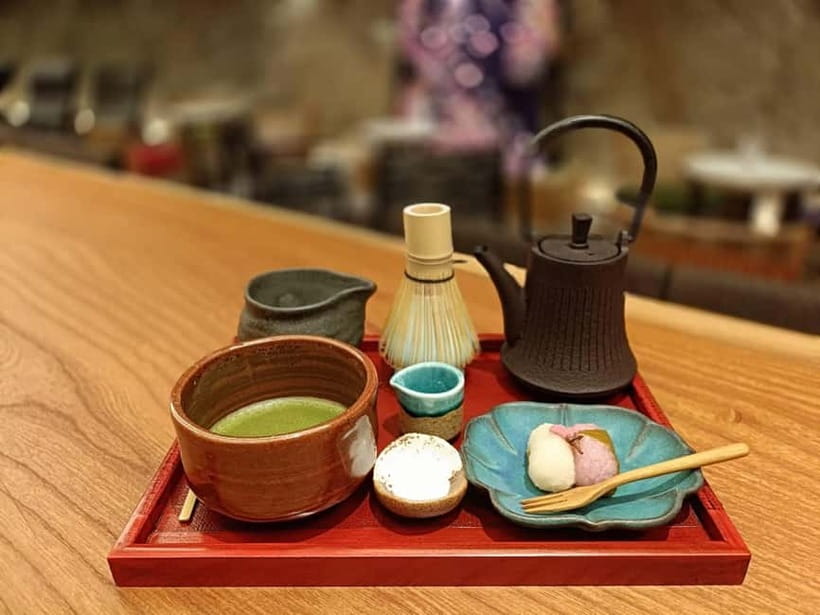
The best part of this Ginza experience is that you make the matcha yourself instead of only watching a formal tea ceremony. A short lesson covers the tea ritual and the art of grinding, then you prepare a cup and drink it with a Japanese wagashi sweet.
I like the low price and the easy 30-minute format. At $13 per person, this is a practical pause in the middle of Tokyo sightseeing, not a major time commitment. I also like the small setting for one or two people, along with the warm, patient teaching style noted by visitors who worked with Aki. The main consideration is that this is a casual introduction, not a long, formal tea-house ceremony.
Key points at a glance
- Make your own powdered matcha: You take part in preparing the tea rather than simply receiving a finished cup.
- Learn the basics in about 30 minutes: The short format fits neatly between Ginza shopping, meals, and sightseeing.
- Taste matcha with wagashi: The Japanese sweet gives you a traditional partner for the tea’s strong, grassy flavor.
- Designed for one or two people: This is a personal experience rather than a large group presentation.
- Meet in central Ginza: The session starts and ends at Japan Premium Lounge Cafe, 8-3-11 Ginza.
- Ask questions in English or Japanese: The activity is offered in both languages, and Aki is praised for answering questions clearly.
A short tea break in the middle of Ginza
Ginza can fill a day quickly. You have department stores, polished shopping streets, restaurants, galleries, and plenty of places where your feet begin to complain. This matcha session gives you a calm half hour without sending you far from the center of things.
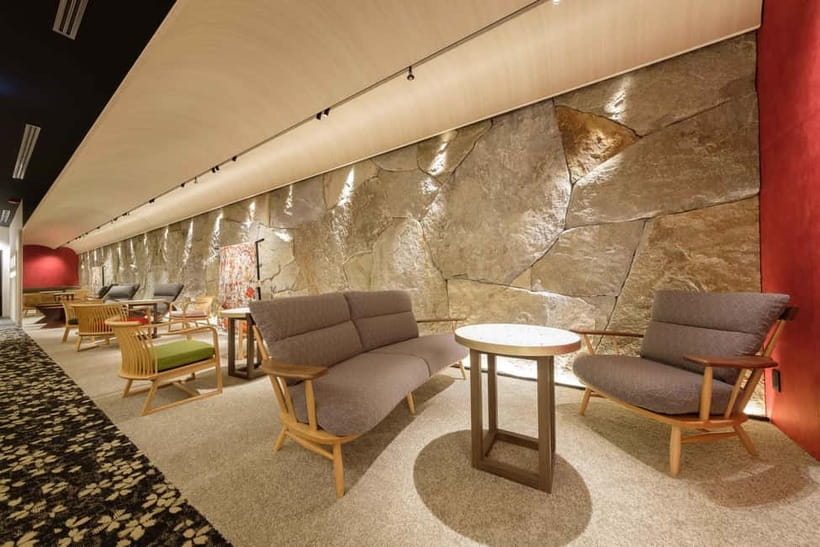
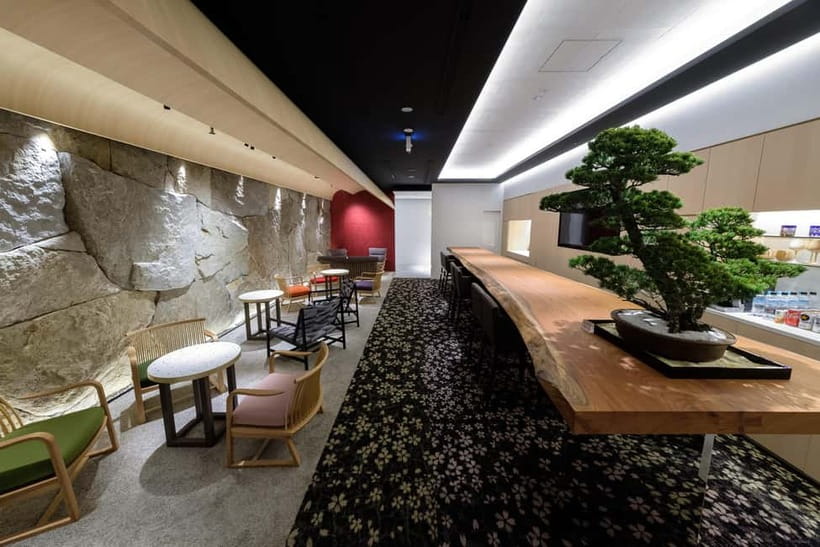
The experience takes place at Japan Premium Lounge Cafe in the Wako Building. It is not presented as a strict, silent ceremony in a traditional tea house. Instead, you get a friendly introduction to the ideas behind the ceremony, followed by hands-on preparation.
That difference matters. A formal tea ceremony can be beautiful, but it may also feel long or highly structured if you simply want to understand matcha and try it yourself. Here, you can ask questions, follow the basic techniques, and enjoy the tea without needing to know the rules in advance.
I especially like the one-to-two-person format. A small session gives you room to watch carefully and ask about anything that seems unfamiliar. If you are visiting as a couple, you can share the learning process. If you book alone, you are not placed into a large sightseeing crowd.
More Green Tea Tours in Japan
- Experience all of Japanese culture and Japanese food experience classes “origami, udon, Japanese food, green tea, calligraphy” in 4 hours
★ 5.0 · 105 reviews - Authentic Japanese tea tasting: sencha, matcha and gyokuro
★ 5.0 · 12 reviews - Authentic Japanese tea tasting session: sencha, matcha, gyokuro
★ 5.0 · 11 reviews
Finding Japan Premium Lounge Cafe
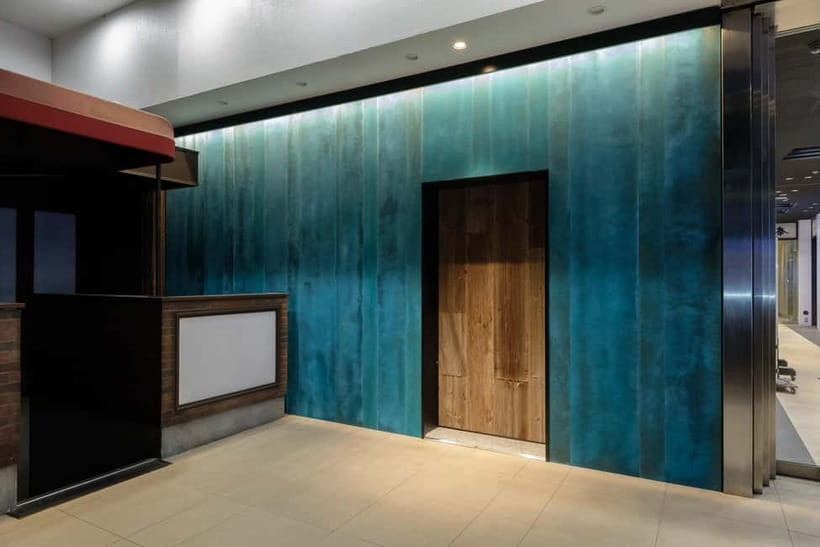
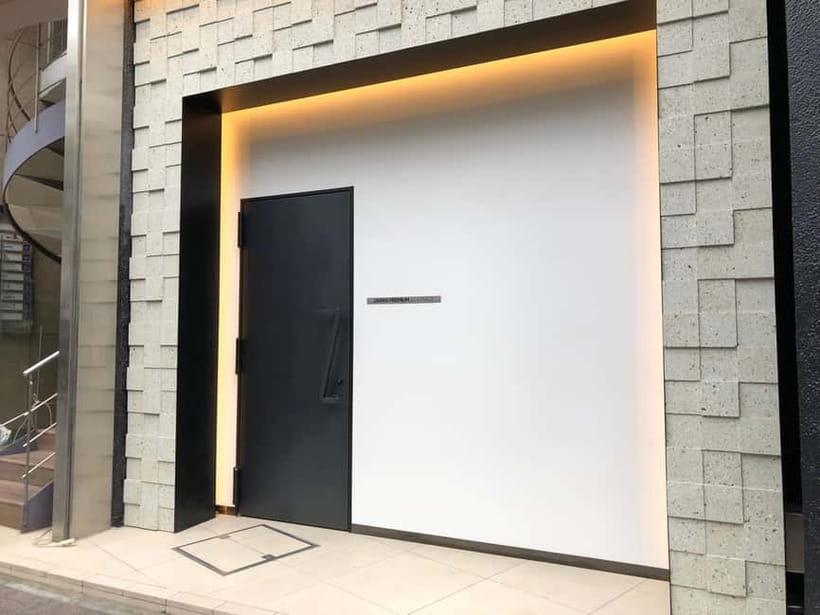
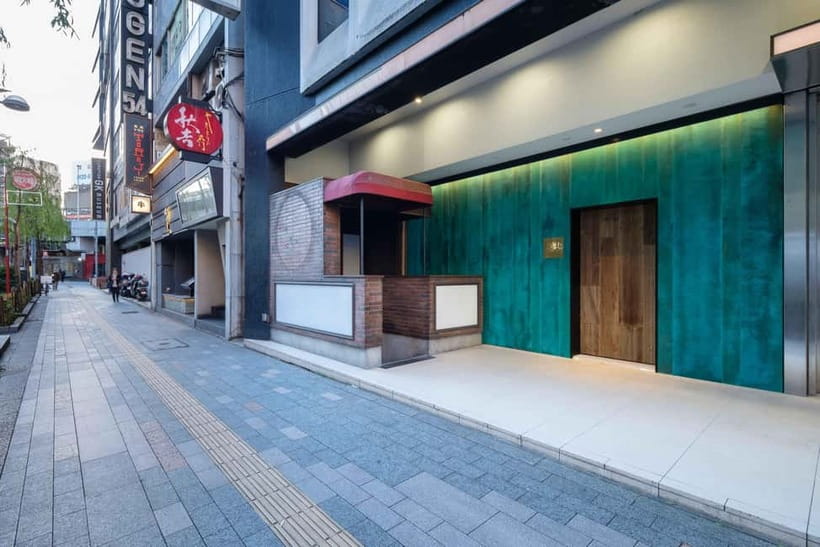
The meeting point is Japan Premium Lounge Cafe at 8-3-11, Ginza, Chuo-ku, Tokyo, on the first floor of the Wako Building. The store has entrances on both sides, which is useful to know before you arrive.
Look for the west entrance with the black door or the east entrance with the green wall and wooden door. This is a small detail, but it can save you from walking around the building wondering if you are in the right place. Since the activity ends back at the cafe, there is no extra transfer or complicated route afterward.
You should wear comfortable clothes. The experience does not call for special formalwear, and the relaxed format makes it suitable for a sightseeing day when you are already dressed for walking.
The opening hours are 10:00 to 18:00. That gives you several useful timing choices. You could book it in the morning before more shopping, stop in around lunch, or use it as a late-afternoon break before dinner. The exact appointment time should fit within the available operating hours.
What happens during the 30-minute session
The activity begins with a brief lecture on the tea ceremony and matcha grinding. This introduction gives you context before you handle the tea yourself. You learn why the preparation matters and get a basic sense of the movements involved.
Do not expect a long historical lecture. The lesson is short by design, and that is part of the appeal. You get enough information to understand what you are doing without spending your entire afternoon on background details.
Next comes the hands-on portion. You make your own powdered matcha, following the techniques explained during the lesson. This turns the session from a simple tasting into a small practical skill. You see the process, take part in it, and then drink the result.
The pace should feel approachable, even if you have never tried matcha before. You do not need previous tea ceremony experience. The host guides you through the basic steps, and English and Japanese are available.
The final part is tasting the matcha with wagashi, a Japanese sweet. Wagashi is not just a snack added to the ticket. It helps balance the bold taste of matcha and gives you a traditional pairing to try. Matcha can taste earthy, bitter, and slightly grassy to a first-time drinker. The sweetness makes the cup easier to appreciate.
A photo opportunity is included, so you can take a picture of the preparation or the finished tea. The activity ends at the same cafe where you started.
Why the casual format works
Tea ceremony has a reputation for being formal and difficult to approach. There are set movements, careful manners, and a strong sense of tradition. Those features are meaningful, but they can also make a first visit feel intimidating.
This experience removes much of that pressure. You receive a brief explanation, try the process yourself, and enjoy the tea in a casual setting. I think this works well for anyone who wants an introduction rather than a full cultural performance.
The small group size is another strength. A session for one or two people can feel more like a private lesson than a scheduled attraction. You can focus on the grinding technique, ask about the history of matcha, and take your time with the explanation within the short appointment.
The teaching style is an important part of the experience. One visitor specifically appreciated the thorough explanation of both techniques and history. Another described the host as kind and gracious. A third singled out Aki for making the visit feel welcoming and for answering questions about matcha history.
Those details tell me what to expect from the human side of the activity. You are not simply handed a bowl and sent on your way. The host is expected to explain, guide, and respond to questions. That is valuable in a cultural activity where a few clear explanations can make the ritual easier to understand.
More Matcha Experiences in Tokyo
- Matcha Making Class in Tokyo with Authentic Japanese Sweets Set
★ 5.0 · 744 reviews - Tokyo: Matcha Making Experience with Mochi Sweets in Asakusa
★ 4.9 · 388 reviews - Asakusa Cultural Walk & Matcha Making Tour
★ 5.0 · 245 reviews - Tokyo: Matcha and Kimono Experience
★ 4.7 · 219 reviews
What you get for $13
At $13 per person, this is one of the easier cultural activities to fit into a Tokyo budget. The price includes one cup of matcha, one wagashi sweet, the brief tea ceremony lecture, and the photo opportunity.
The value comes from the combination of instruction and tasting. If you only wanted a drink, you could find tea elsewhere. If you only wanted a cultural lecture, you might not get the memorable act of preparing the powder yourself. Here, the fee covers both the explanation and the participation.
The short duration also improves the value for many visitors. You do not need to give up half a day, rearrange your transportation, or travel to a distant neighborhood. You can treat it as one stop in a larger Ginza plan.
There are limits. This is not a full meal, an extended tea ceremony, or a long workshop. The matcha and wagashi are a tasting, not a substantial refreshment break. If you are looking for a highly formal ceremony with elaborate surroundings and a longer sequence of rituals, this casual experience may feel too brief.
For most people, though, the modest cost makes it easy to choose based on interest rather than commitment. You are paying for a short cultural encounter and a chance to prepare the tea yourself.
Who should book this Ginza experience
I would recommend it to first-time visitors to Japan who want a simple introduction to matcha. It also suits anyone who has seen tea ceremony from a distance but has never understood what happens during the preparation.
Couples should find the format especially comfortable. The session is designed for one to two people, so you can share the activity without being absorbed into a large group. Solo visitors are also a good match because the format does not depend on having a companion.
It works well for a busy Tokyo itinerary. If you are already planning to be in Ginza, you can add this between other stops. The 30-minute length is short enough to protect the rest of your day, while still giving you a genuine activity rather than another quick photo stop.
Families need to note the age rule. Children under five are not suitable for the experience. Older children may find the hands-on preparation interesting, but the supplied information does not specify a minimum age beyond that restriction.
This is also a good choice for visitors who want to ask questions. The teaching style includes history and technique, and the hosts can communicate in English or Japanese. If you like understanding the meaning behind a custom, rather than simply copying its motions, this session should suit you.
Who may want a longer tea ceremony
You may want to look elsewhere if your main goal is a formal tea-house setting. The experience is intentionally casual and brief. It introduces the tea ceremony rather than presenting the full depth of every traditional rule and movement.
You should also keep your expectations realistic about the setting. The activity is held at Japan Premium Lounge Cafe in a Ginza building, not described as a historic tea house. Its strength is access and ease, not an elaborate traditional stage.
That is not a fault, but it is an important distinction. Some people want the ceremony to be the main event of the day. Others want a well-explained taste of the tradition before returning to shopping and sightseeing. This activity is clearly better suited to the second group.
Planning the stop around your Tokyo day
Because the activity starts and ends at the same location, it is easy to connect with other plans in Ginza. You can arrive in comfortable clothes, take part, and continue on foot to your next stop.
The 10:00 to 18:00 operating window gives you flexibility, but you should still allow enough time to find the cafe and identify the correct entrance. The black door is on the west side, while the east side has a green wall and wooden door.
A morning appointment can set a gentle pace for the day. A midday visit gives you a pause after walking and shopping. An afternoon time works well if you want a quiet cup of tea before dinner. Since the session lasts about 30 minutes, it will not dominate your schedule.
Booking is also less risky because you can cancel up to 24 hours in advance for a full refund. The reserve-and-pay-later option lets you hold a place without paying immediately, which is useful when Tokyo plans are still changing.
Is the matcha experience worth booking?
I would book this if you want an affordable, short, and hands-on introduction to Japanese tea culture in central Tokyo. The strongest reasons are the one-to-two-person setting, the chance to prepare your own matcha, and the patient teaching style associated with hosts such as Aki.
The $13 price is fair because you receive both instruction and a tasting, with wagashi included. The activity also fits neatly into a busy Ginza itinerary.
I would skip it only if you want a long, formal tea ceremony in a traditional tea house. For everyone else, especially first-time matcha drinkers and couples seeking a calm break from sightseeing, this is a sensible way to add a little Japanese tradition to your day without making a production of it.
FAQ
How long does the matcha experience last?
The experience lasts approximately 30 minutes.
Where does the activity begin?
It begins at Japan Premium Lounge Cafe, 8-3-11, Ginza, Chuo-ku, Tokyo, on the first floor of the Wako Building.
How do I identify the cafe entrances?
The west side has a black door. The east side has a green wall and wooden door.
What is included in the price?
The activity includes one cup of matcha, one wagashi Japanese sweet, a brief lecture on the tea ceremony experience, and a photo opportunity.
Is the experience available in English?
Yes. The experience is offered in English and Japanese.
Can children join the experience?
Children under five are not suitable for this activity.
More Green Tea Tours in Tokyo
- Uji: Green Tea Tour with Byodoin and Koshoji Temple Visits
★ 4.8 · 72 reviews - Scenic Green Tea Fields of Hidden Kyoto & Local Tea Exp (Private)
★ 5.0 · 32 reviews - Osaka; Japanese Tea ceremony experience, Macha and Sencha
★ 4.9 · 29 reviews - Kyoto Matcha Green Tea Tour
★ 4.7 · 28 reviews
Newly steeped around Tokyo
- Yokohama : Tea Ceremony with Sweets and Souvenir★ 5.0 · 5 reviews
- Walking Tour: Yanaka,Nezu& Sendagi: Tea Ceremony & Old Tokyo★ 5.0 · 3 reviews
- Private Mochi・Matcha sweets Making Class Near Shibuya Area★ 5.0 · 22 reviews
- 2 Hours Mochi &Nerikiri Making & Matcha Class in Bunkyo★ 5.0 · 21 reviews
- Private Kimono and tea ceremony at local home near Tokyo Disney★ 5.0 · 6 reviews
- Kimono and Tea Ceremony in Asakusa Private Food Tour With Guide★ 5.0 · 4 reviews
- Giant Sushi Cooking Class: Make a 1.5m Sushi Roll in Tokyo★ 5.0 · 9 reviews
- Tokyo Tea Ceremony Class at a Traditional Tea Room★ 5.0 · 2 reviews
Green Tea Tours, compared.
Uji: Green Tea Tour with Byodoin and Koshoji Temple Visits
Read our review →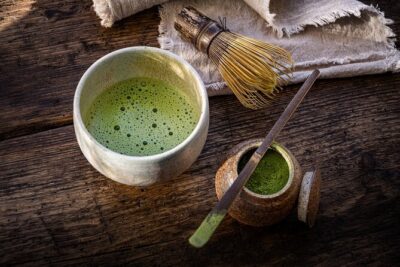
Scenic Green Tea Fields of Hidden Kyoto & Local Tea Exp (Private)
Read our review →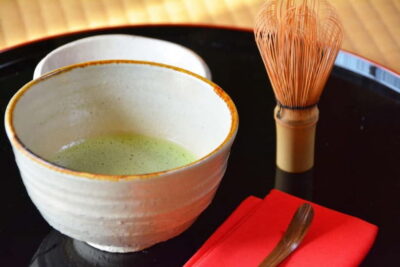
Osaka; Japanese Tea ceremony experience, Macha and Sencha
Read our review →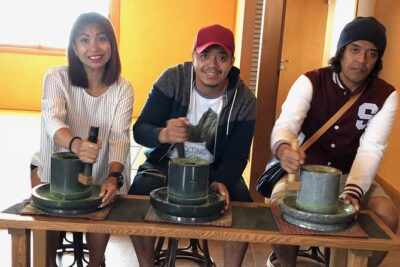
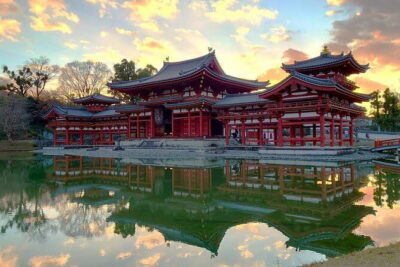
Slow Cycling Tour at Uji’s Matcha Green Tea Fields and Heritage
Read our review →
Sencha-do the Japanese Tea Ceremony Workshop in Kyoto
Read our review →
Uji Tea Ceremony and UNESCO Heritage Walking Tour
Read our review →Browse the lists this tea experience appears in