
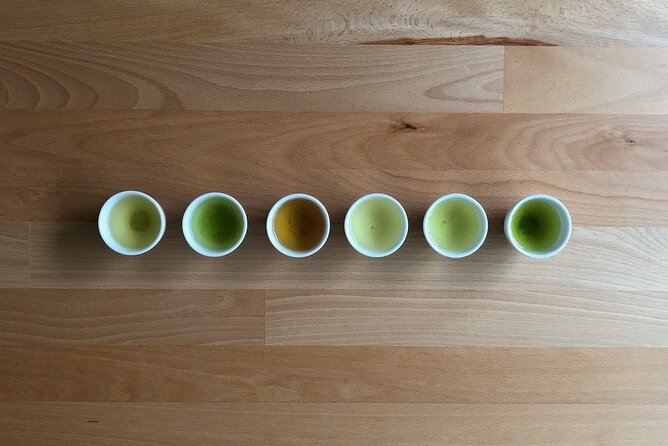
Review · TOKYO
Authentic Japanese tea tasting session: sencha, matcha, gyokuro
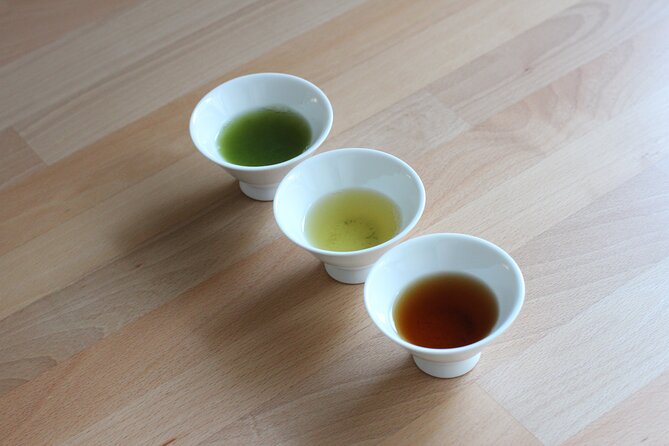
The most useful thing about this Tokyo tea tasting is its side-by-side approach. Instead of serving one cup and giving you a general lesson, Yosuke presents different Japanese teas, from everyday sencha to premium gyokuro and matcha, so you can taste how farming and production change the flavor. You leave with a better idea of what you actually like.
I like the small group of four and the practical teaching. You learn about tea-growing regions, production methods, history, and brewing temperatures while tasting. I also like that this is a tea lesson, not a formal tea ceremony, so the focus stays on flavor and understanding. The possible drawback is the price: at $90.80 per person, it makes the most sense if you have a real interest in Japanese tea.
Key points at a glance
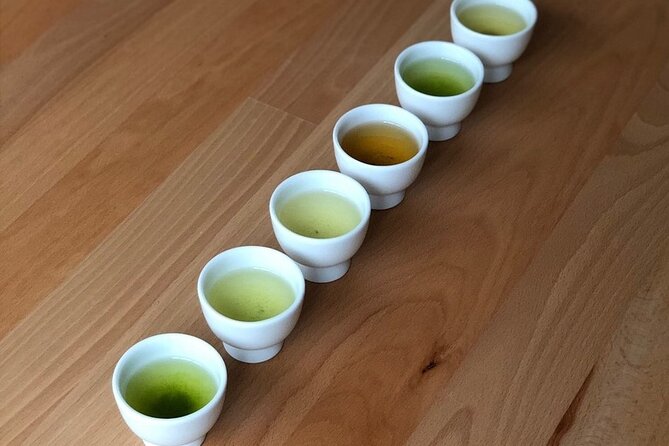
- Twelve Japanese teas: Taste a wide range, including sencha, matcha, gyokuro, and other daily and premium teas.
- Yosuke leads the session: Expect a methodical presentation, clear explanations, and time for questions.
- A tea class, not a tea ceremony: The focus is taste, production, history, and regional differences.
- Maximum of four people: The intimate format gives you room to ask about brewing and flavor.
- Ninety minutes in Morishita: The session starts at 1:30 pm and returns to the same meeting point.
- Useful for beginners and tea fans: You can build a basic map of Japanese green tea without needing prior knowledge.
Twelve teas in ninety focused minutes
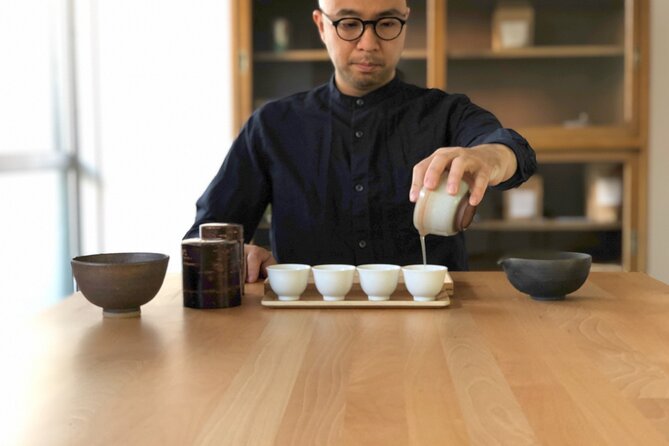
This experience gives you something many tea stops in Tokyo do not: comparison. You do not simply learn that sencha is a Japanese green tea or that matcha is powdered tea. You taste several styles close together, which makes the differences easier to notice.
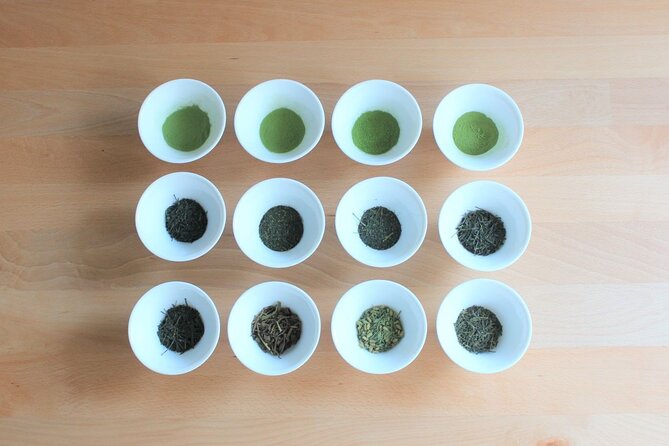
The session covers 12 types of Japanese tea. The exact order and selection may vary, but the stated range includes daily teas and high-end teas that can be unusual even for people living in Japan. Some published descriptions of individual sessions refer to nine teas, so you should treat the lineup as flexible rather than expect every session to follow an identical menu.
That variety is the main reason to book. A single cup can be pleasant, but it is hard to judge what makes it special without a comparison. Here, you can pay attention to color, aroma, bitterness, sweetness, body, and the way the flavor changes as you drink.
You also learn how each tea is made. That matters because Japanese tea is not one uniform product. Growing conditions, shading, harvest practices, steaming, rolling, grinding, and brewing all affect the cup in front of you.
More Green Tea Tours in Japan
Sencha, matcha, and gyokuro explained clearly
If you know only the names sencha and matcha, this session gives you a useful starting point. Sencha is the kind of green tea many people encounter in Japan, but it covers a broad range of quality and style. A basic daily sencha and a carefully made premium sencha can taste quite different.
Matcha offers another contrast. Rather than steeping leaves and removing them, you drink powdered tea mixed with water. The preparation and mouthfeel are different, and tasting it beside leaf teas helps you understand why matcha has its own place in Japanese food and culture.
Gyokuro is one of the premium teas included in the experience. Its production involves special care, and its flavor profile can be very different from ordinary sencha. It is one of the teas that gives the tasting a sense of occasion, especially if you have not tried a high-grade Japanese tea before.
I appreciate that the session does not treat premium tea as automatically better for every person. You may prefer the freshness of sencha, the concentrated character of matcha, or the more unusual flavor of gyokuro. The point is to find your own preference, not to memorize a ranking.
How production changes the cup
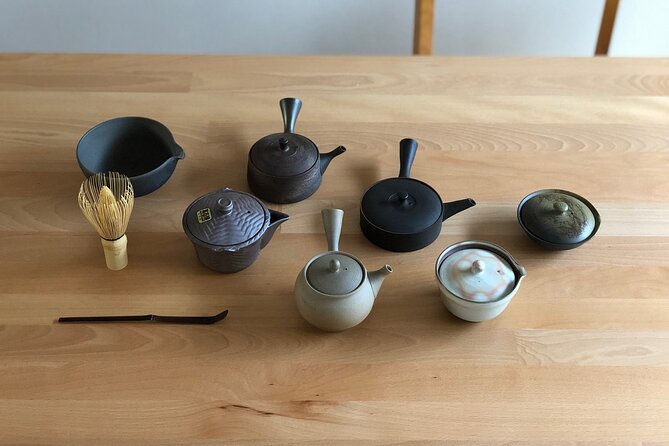
The strongest part of the lesson is the link between the tea leaf and the final drink. You learn how the tea is produced and why that process changes the result. This is more useful than a list of Japanese tea names because it gives you a way to understand new teas later.
The experience also covers regional differences. Tea-producing areas in Japan do not all make the same style of tea, and the place where tea is grown forms part of its identity. You learn enough background to see why origin matters when you read a label or shop for tea after the session.
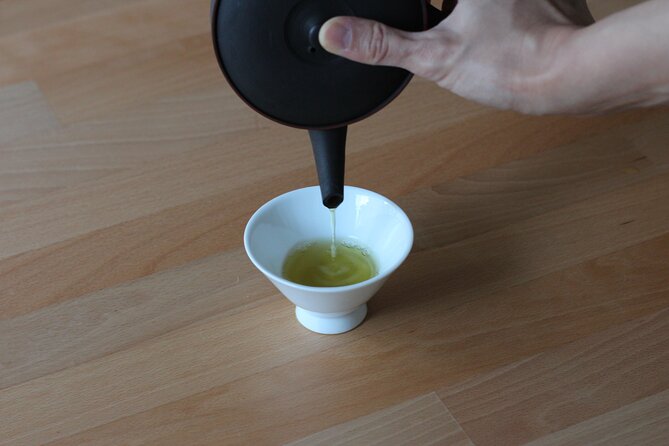
Brewing temperature is another practical subject. The tea is not treated as a single drink that works best with boiling water. Different teas call for different handling, and the tasting lets you connect preparation with flavor.
One published account of the session describes a nine-page handout. That is useful if you like to take notes or want to remember the names and differences after you leave. It also suggests that the lesson has a clear structure rather than being a casual series of cups.
Yosuke’s organized teaching style
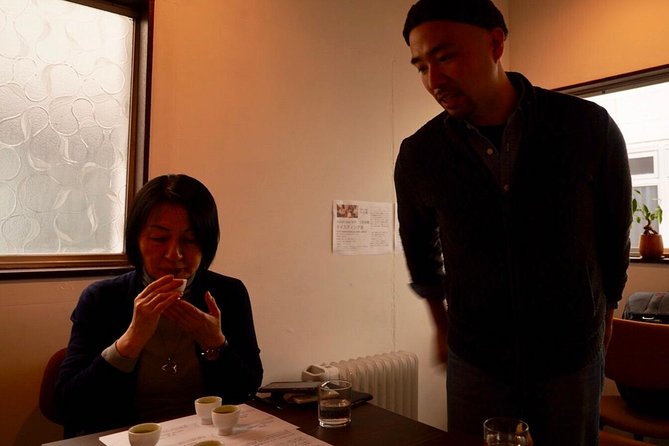
Yosuke is the host for the experience, and the format gives him time to explain each tea instead of rushing through a crowded group. His approach is organized and methodical, with careful tea preparation and clear explanations.
That matters because tea tastings can easily become either too technical or too vague. Here, the goal is to explain what you are tasting and why it tastes that way. You can ask questions as you go, which is especially helpful when two teas seem similar at first.
The maximum group size is four people. I see this as a major advantage for anyone who wants a personal lesson. You are not trying to hear a guide across a large room, and there is a better chance to ask about caffeine, brewing, or a tea you want to buy later.
The session has also been described as suitable for people interested in food and Japanese history, not only committed tea fans. That is a good distinction. You do not need to arrive already able to identify tea by scent. Curiosity is enough.
More Matcha Experiences in Tokyo
- Matcha Making Class in Tokyo with Authentic Japanese Sweets Set
★ 5.0 · 744 reviews - Tokyo: Matcha Making Experience with Mochi Sweets in Asakusa
★ 4.9 · 388 reviews - Asakusa Cultural Walk & Matcha Making Tour
★ 5.0 · 245 reviews - Tokyo: Matcha and Kimono Experience
★ 4.7 · 219 reviews
A tea ceremony this is not
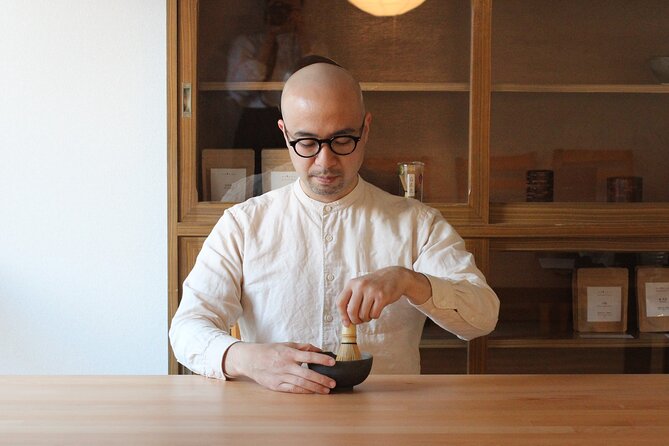
Set your expectations correctly. This experience is not a formal Japanese tea ceremony, and it is not presented as one. You will not be booking a ritual performance built around ceremony, movement, and etiquette.
Instead, you are attending a tasting class. The focus is on what is in the cup, how the leaves are grown and processed, and where tea fits into Japanese history and daily life.
I think this is a better choice if you want practical knowledge. You can compare styles and ask direct questions. If your main goal is to watch a traditional ceremony in a quiet, highly formal setting, this is probably not the right activity.
The distinction also makes the session approachable. You do not need to worry about making a mistake with ceremonial customs. You can focus on tasting, listening, and deciding which teas appeal to you.
The Morishita setting and afternoon timing
The meeting point is ShiZen Tea ExperienceJapan at 135-0004 Tokyo, Koto City, Morishita, 2-chome 28-3, Morishita TM Mansion 202. The activity begins at 1:30 pm and ends back at the same meeting point.
Morishita is near public transportation, which makes the appointment easier to fit into a Tokyo day. Still, give yourself enough time to locate the building and the correct unit. The address includes a mansion name and room number, so arriving early is sensible rather than cutting it close.
The afternoon timing works well. You can visit a morning market, museum, or neighborhood before tea, then continue with dinner afterward. Since the session lasts about one hour and 30 minutes, it is substantial enough to feel worthwhile without taking over your entire day.
You should also think about caffeine. The session includes many teas, and anyone sensitive to caffeine should inform the provider before the activity. That is a small but important point, especially when several tastings are served close together.
Is $90.80 a fair price?
The cost is $90.80 per person, which is not cheap for a 90-minute activity. You are paying more than you would for a casual cup of tea, so the value depends on what you want from the experience.
For a basic introduction, the price may feel high. You could buy tea in Tokyo for far less and learn a few facts from a guidebook. But that comparison misses the central benefit: you taste many styles together, including premium teas, while someone explains the production and history in real time.
The small group improves the value. With a maximum of four people, the experience is closer to a private lesson than a large public demonstration. The handout, guided tasting, and chance to ask questions also make it more useful than simply ordering tea at a café.
I would consider the price fair for someone who loves Japanese food, collects tea, enjoys tasting classes, or wants a better understanding of Japanese green tea before shopping. If you are only mildly curious and have a packed Tokyo schedule, the cost may be harder to justify.
Who will get the most from this tasting?
This is a strong choice for a first-time tea drinker who wants clear explanations without a formal ceremony. You can arrive with no background and still follow the lesson.
It also suits experienced tea drinkers. Premium teas and regional comparisons give you more to examine, while Yosuke’s detailed answers can help you think about flavor and preparation in a more precise way.
Food-focused visitors should consider it as well. Japanese tea is part of the country’s everyday eating and drinking culture, and learning how it is produced adds context to meals, sweets, and tea shops elsewhere in Japan.
The experience may not suit you if you dislike caffeine, want a large social group, or are looking mainly for a traditional ceremony. You should also avoid booking it as a quick filler activity if you are not prepared to spend the full 90 minutes tasting and listening.
Booking details worth knowing
Confirmation is provided when you book, and the activity accepts a mobile ticket. It is listed as near public transportation, with the start and finish at the same location.
The experience is booked, on average, 16 days in advance. That suggests you should not leave it until the last moment if the 1:30 pm time is important to your plans, though availability can change.
Free cancellation is available until 24 hours before the start time for a full refund. Cancellations or changes made less than 24 hours before the session are not accepted for a refund, and the cut-off follows Tokyo local time.
Should you book ShiZen Tea Experience?
Book it if you want to understand Japanese tea rather than simply drink it. The side-by-side tasting, premium selections, regional background, and small group make this a serious little lesson with a clear purpose.
I would especially recommend it early in a Tokyo visit. Once you know how sencha, matcha, gyokuro, and other teas differ, tea shops and restaurant menus become easier to navigate. You may also discover that the tea you expected to love is not your favorite, which is useful information before you buy a costly tin.
Skip it if you want a traditional tea ceremony, a very low-cost activity, or an informal café stop. At $90.80, this is a focused educational experience. For the right person, the value is not in the number of cups alone. It is in learning how to taste them.
FAQ
How long does the Japanese tea tasting last?
The experience lasts approximately one hour and 30 minutes.
Where does the tea tasting take place?
It takes place at ShiZen Tea ExperienceJapan, 135-0004 Tokyo, Koto City, Morishita, 2-chome 28-3, Morishita TM Mansion 202.
What time does the activity begin?
The scheduled start time is 1:30 pm.
How many teas will I taste?
The experience is described as including 12 different types of Japanese tea. Individual session descriptions have also referred to nine teas, so the exact selection may vary.
Are sencha, matcha, and gyokuro included?
Yes. The experience specifically focuses on Japanese teas including sencha, matcha, and gyokuro, along with other daily and premium teas.
Is this a traditional Japanese tea ceremony?
No. The session focuses on tasting, production, history, and regional differences rather than formal tea ceremony practice.
How many people can join the session?
The activity has a maximum of four people.
What should I do if I am sensitive to caffeine?
You should inform the provider before the session if you are caffeine sensitive.
Can I cancel for a full refund?
Yes. You can cancel at least 24 hours before the local start time for a full refund. Cancellations and changes made less than 24 hours before the start time are not accepted for a refund.
More Green Tea Tours in Tokyo
- Uji: Green Tea Tour with Byodoin and Koshoji Temple Visits
★ 4.8 · 72 reviews - Scenic Green Tea Fields of Hidden Kyoto & Local Tea Exp (Private)
★ 5.0 · 32 reviews - Osaka; Japanese Tea ceremony experience, Macha and Sencha
★ 4.9 · 29 reviews - Kyoto Matcha Green Tea Tour
★ 4.7 · 28 reviews
More Tea Tastings in Japan
- Matcha Experience with of Japanese Tea Tasting in Tokyo
★ 5.0 · 31 reviews - Nara:5 Type of Tea Tasting & Mindful Tea Ceremony
★ 5.0 · 28 reviews - Nara:Tea Tasting&Private Tea Ceremony -Master Matcha Making-
★ 5.0 · 19 reviews - Small Group Japanese Green Tea Tasting in Shizuoka
★ 5.0 · 7 reviews
Newly steeped around Tokyo
- Yokohama : Tea Ceremony with Sweets and Souvenir★ 5.0 · 5 reviews
- Walking Tour: Yanaka,Nezu& Sendagi: Tea Ceremony & Old Tokyo★ 5.0 · 3 reviews
- Private Mochi・Matcha sweets Making Class Near Shibuya Area★ 5.0 · 22 reviews
- 2 Hours Mochi &Nerikiri Making & Matcha Class in Bunkyo★ 5.0 · 21 reviews
- Private Kimono and tea ceremony at local home near Tokyo Disney★ 5.0 · 6 reviews
- Kimono and Tea Ceremony in Asakusa Private Food Tour With Guide★ 5.0 · 4 reviews
- Giant Sushi Cooking Class: Make a 1.5m Sushi Roll in Tokyo★ 5.0 · 9 reviews
- Tokyo: Tea Ceremony & Japanese Sweets Making★ 5.0 · 10 reviews
Green Tea Tours, compared.
Uji: Green Tea Tour with Byodoin and Koshoji Temple Visits
Read our review →
Scenic Green Tea Fields of Hidden Kyoto & Local Tea Exp (Private)
Read our review →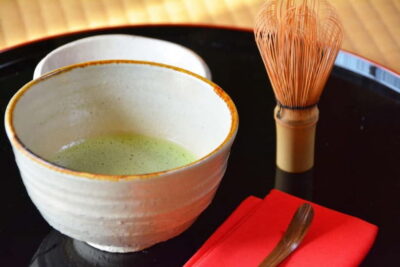
Osaka; Japanese Tea ceremony experience, Macha and Sencha
Read our review →
Slow Cycling Tour at Uji’s Matcha Green Tea Fields and Heritage
Read our review →
Sencha-do the Japanese Tea Ceremony Workshop in Kyoto
Read our review →
Uji Tea Ceremony and UNESCO Heritage Walking Tour
Read our review →Browse the lists this tea experience appears in