
Review · KYOTO
Kyoto: Maiko, Samurai, or Kimono Rental and Tea Ceremony
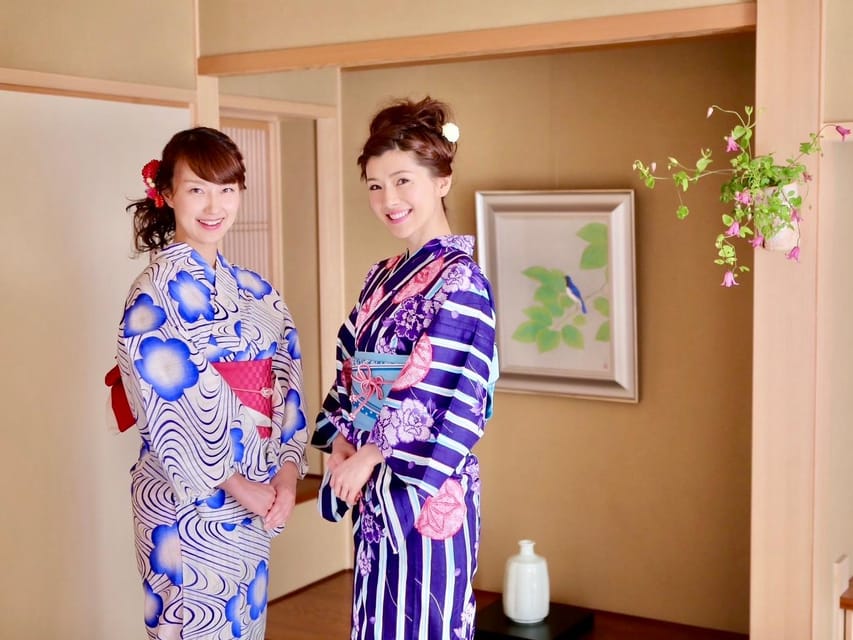
Kyoto gives you a chance to dress up in a maiko, samurai, or kimono outfit only a few minutes from Kiyomizu-dera, then sit down for matcha and sweets at Akebonotei. I like the easy pairing of costume rental and tea, especially for families who want one clear activity rather than a full-day cultural program.
I also like the location and the flexible outing afterward. You can keep a rented kimono until 5pm, then walk toward Ninenzaka, Sannenzaka, the Yasaka Five-Story Pagoda, or Kodaiji Temple. The main drawback is that the tea ceremony is a short tourist introduction, not a long traditional lesson, and the shop can feel rushed if several bookings arrive together.
- Three costume choices: Pick a maiko, samurai, or standard kimono and yukata plan.
- Three-minute walk to tea: The rental studio and Akebonotei are close together near Kiyomizu-dera.
- Short matcha session: You receive Japanese matcha and sweets in a compact tea ceremony setting.
- Good family format: Children from age five can take part, with a maximum family size of four.
- Kimono time after tea: With the rental option, you can continue sightseeing in costume until 5pm.
- Hair styling costs extra: The supplied outfit includes clothing and accessories, but not hair styling.
What the Kyoto costume and tea experience actually offers
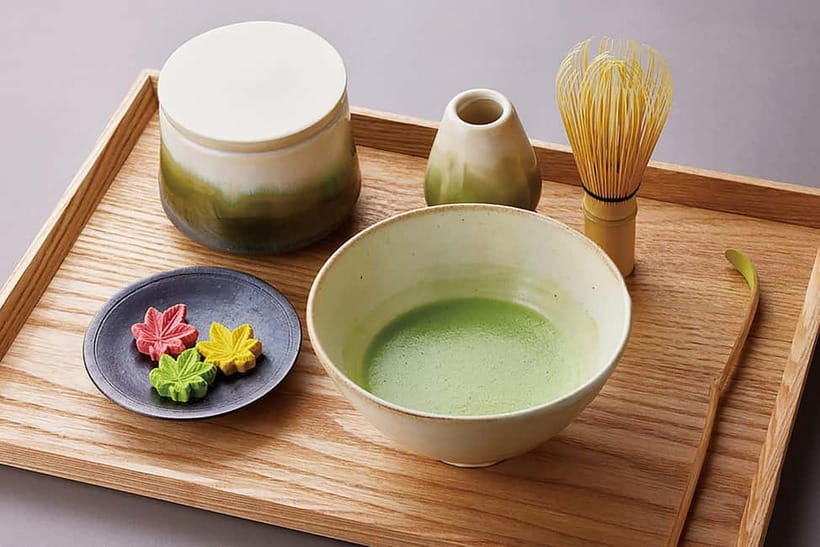
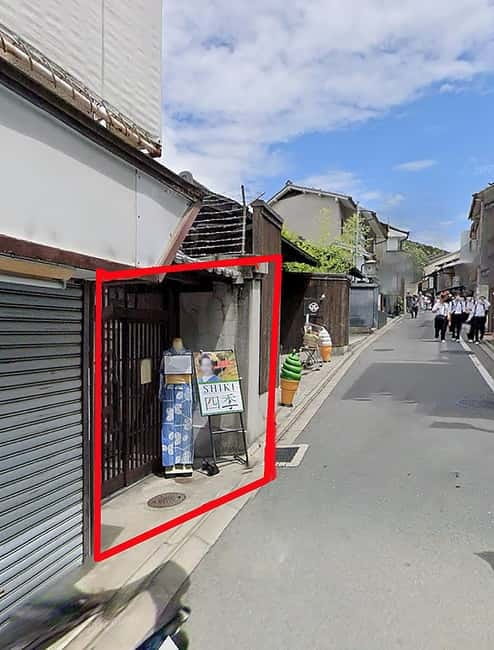
This experience combines two things many people book separately in Kyoto: dressing in traditional clothing and taking part in a matcha tea ceremony. You begin at Maiko Transformation Studio Shiki, also known as Rental Kimono Shiki Sakura, then walk about three minutes to the tea ceremony parlor called Akebonotei.
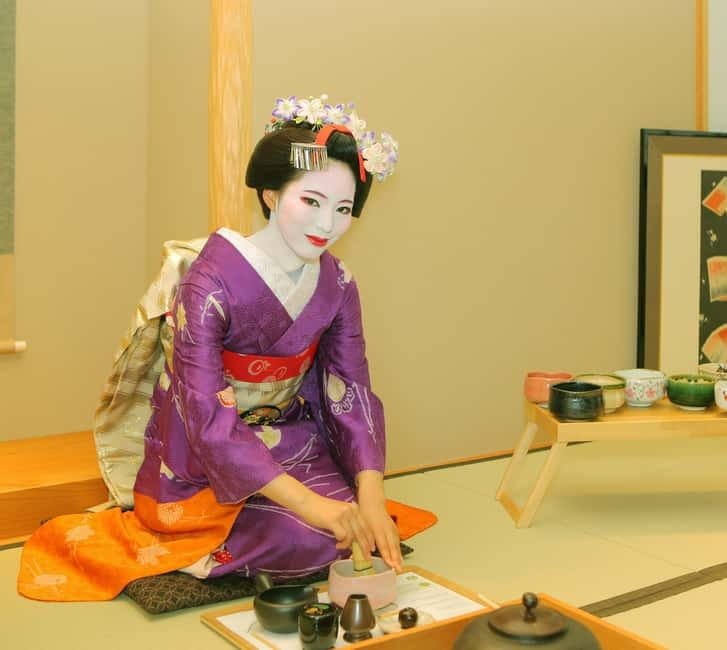
You can choose among a maiko costume, samurai-style clothing, or a kimono and yukata plan. The choice changes the mood of the outing. Maiko styling is the most theatrical, samurai clothing is likely to appeal to children and costume fans, and a regular kimono or seasonal yukata gives you the most natural look for strolling around eastern Kyoto.
The tea portion includes matcha and sweets. It is designed as a short introduction rather than an extended formal ceremony. That makes it manageable for children, but you should not book it expecting a detailed study of tea utensils, ceremony rules, or Japanese aesthetics.
The total booking length is listed as 150 minutes to three hours. The difference depends on your chosen start time, costume process, and how long you spend using the kimono afterward. The tea appointment follows the dressing appointment by 90 minutes, so the schedule is fixed and punctuality matters.
Choosing a maiko, samurai, or kimono
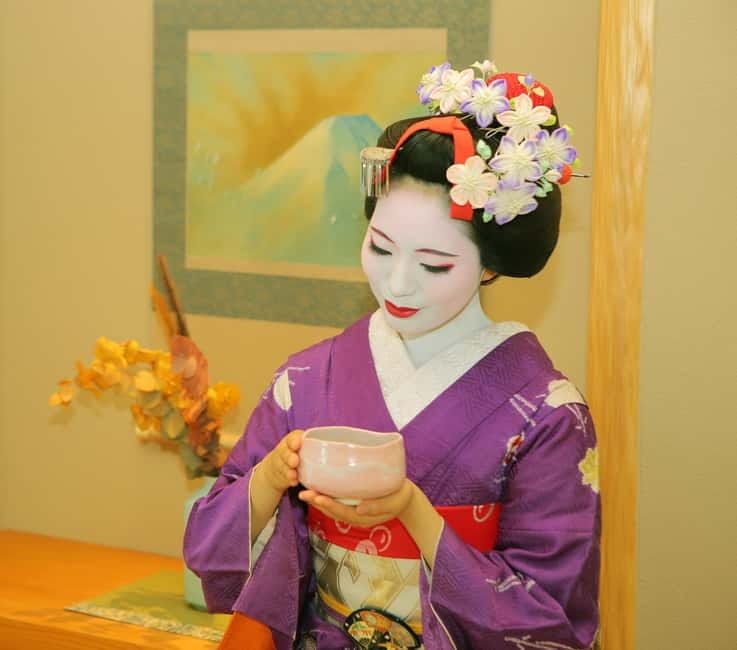
The costume choice is the heart of the booking. A maiko outfit gives you the most dramatic transformation and works well if your main goal is memorable photographs. It also makes the experience feel more like a studio activity than ordinary sightseeing.
The samurai option offers a different kind of fun. It is especially suited to families with children who would rather play a historical character than wear a formal kimono. The supplied information does not specify the exact samurai garments or accessories, so ask at the studio if you need details before choosing.
The regular kimono plan is the practical middle ground. You receive the kimono, obi, underwear, bag, and sandals, so the rental covers the basic pieces needed for a walk around the neighborhood. From June 1 through September 15, the seasonal plan is a yukata rather than a heavier kimono.
Hair styling is not included. An optional hairstyle costs 1,650 yen, according to the available booking information. That extra charge is worth considering if the visual transformation matters to you, particularly for the maiko option. If you are keeping the cost down, you can use the included costume without adding the hairstyle.
The rental can continue until 5pm. That is an important value point. You are not limited to a few photographs inside the shop, since you can use the outfit while visiting nearby streets and temples. Still, you should confirm the return procedure at the studio, as the provided details only state the time limit.
More Kimono and Tea Ceremonies in Kyoto
- Kimono Tea Ceremony at Kyoto Maikoya, NISHIKI
★ 5.0 · 911 reviews - Kyoto: Kimono Tea Ceremony at Orizuruya Gion
★ 4.9 · 618 reviews - KYOTO Tea Ceremony with kimono near by Imamiya Jinjya Shrine
★ 5.0 · 343 reviews
The 90-minute schedule between dressing and tea
The schedule works in set pairs:
- 9am kimono appointment, 10:30am tea
- 10am kimono appointment, 11:30am tea
- 11am kimono appointment, 12:30pm tea
- Noon kimono appointment, 1:30pm tea
- 1pm kimono appointment, 2:30pm tea
- 2pm kimono appointment, 3:30pm tea
- 3pm kimono appointment, 4:30pm tea
This gap is not dead time. It gives you a chance to finish dressing, take photographs, and walk through the Kiyomizu-dera area before tea. The distance between the studio and Akebonotei is only about three minutes on foot, so you do not need a taxi or a complicated transfer.
The schedule does require discipline. If you arrive late for the costume appointment or the tea appointment, you may have to join partway through or lose that portion of the experience. I would arrive early, especially if you are using a city bus or visiting Kyoto during a busy period.
The 3pm costume slot leads to tea at 4:30pm. Since the tea portion ends late in the day, that option leaves very little time for sightseeing in the outfit before 5pm. The earlier appointments make better use of the rental period.
A short walk near Kiyomizu-dera
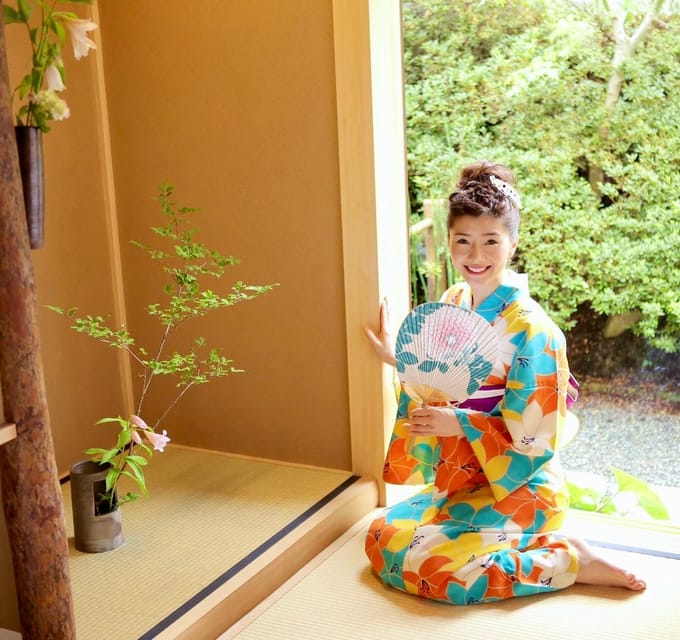
The studio sits close to Kiyomizu-dera, one of Kyoto’s best-known temple areas. That location gives this activity its strongest practical advantage. Once dressed, you can reach several famous sights without crossing the city.
If you arrive by city bus, get off at Kiyomizu-michi. The ride takes about 20 minutes, followed by a walk of roughly 10 minutes to the shop. The supplied directions do not list a train station or other transport option, so bus users should allow extra time for finding the studio.
The neighborhood gives you plenty to do between appointments and after tea. Nearby sights include Kiyomizu-dera, the Yasaka Five-Story Pagoda, Yasaka Koshindo, Ninenzaka, Sannenzaka, Kodaiji Temple, and Yasaka Shrine. You will also find cafes and shops in the area.
Be realistic about walking in a kimono. The narrow lanes and slopes around Kiyomizu-dera are scenic, but they are not a quick, flat stroll. Sandals and formal clothing can slow you down. I would choose one or two nearby sights rather than planning a long cross-town route.
What happens at Akebonotei
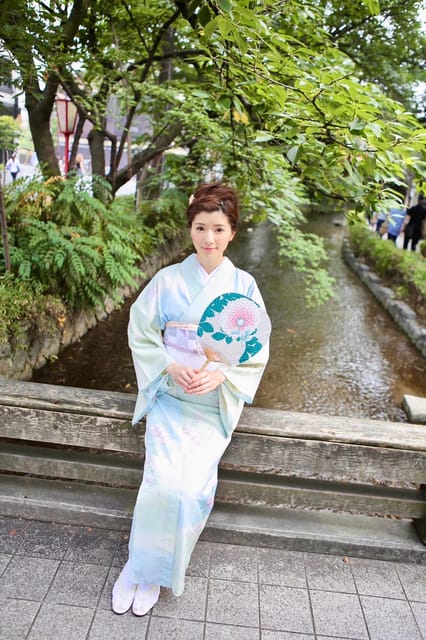
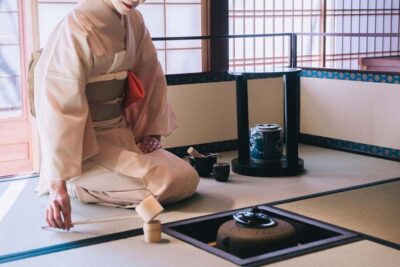
After the costume appointment, you walk to Akebonotei for the matcha experience. The tea session includes Japanese matcha and sweets, and the setting provides a chance to sit down after getting dressed and walking through the neighborhood.
The ceremony is a shorter version, which is useful if you have children or limited time. A staff member is able to speak English well, making the basic instructions easier to follow for English-speaking families. The available information does not identify this staff member by name.
You should view the tea session as a hands-on cultural activity with a photo-friendly setting, not as a full formal tea ceremony. That distinction matters. Some people will appreciate the efficient format, while others may find it too staged or lacking in atmosphere.
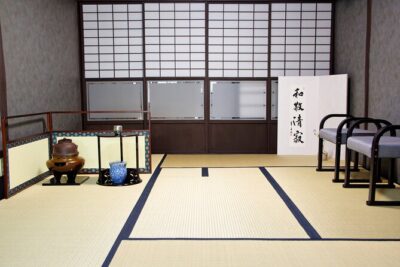
The criticism in the available feedback is specific: one person found the tea room artificial, crowded, and focused mainly on tourists. That concern is fair to keep in mind. This booking gives you a convenient taste of the ritual, but it does not promise a quiet, old-style tea house or an in-depth explanation of every movement.
More Tea Ceremonies in Kyoto
- Kyoto: Tea Ceremony in a Traditional Tea House in Kiyomizu
★ 4.9 · 3,519 reviews - Kyoto: Tea Ceremony Ju-An at Jotokuji Temple
★ 4.9 · 3,207 reviews - Kyoto: 45-Minute Tea Ceremony Lesson Experience
★ 4.3 · 2,378 reviews - Kyoto: Table-Style Tea Ceremony at a Kyo-Machiya
★ 4.9 · 1,211 reviews
Is $77 a fair price?
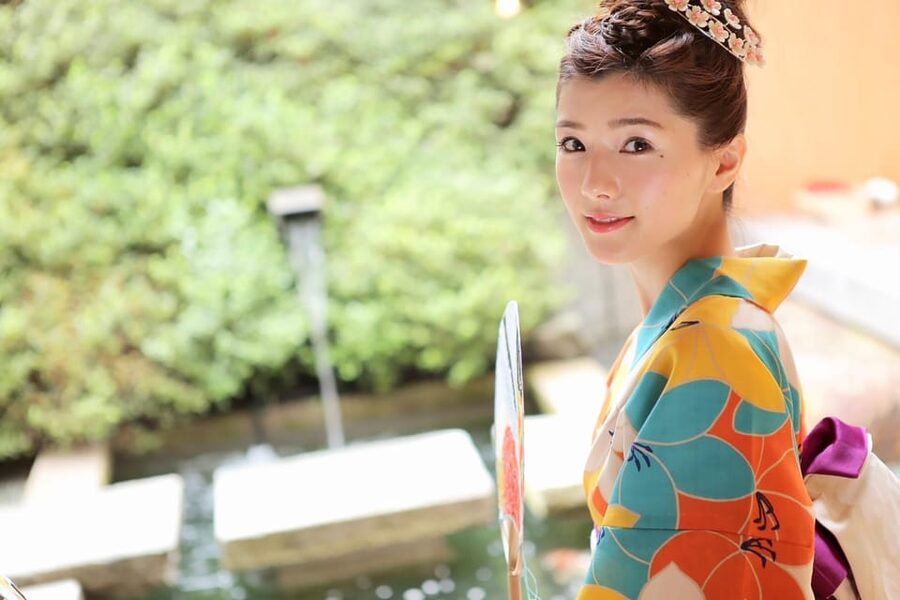
At $77 per person, the value depends on how much of the package you use. The price includes the costume, obi, underwear, bag, sandals, seasonal yukata option, matcha tea ceremony, and sweets. It also gives you the chance to keep the kimono until 5pm.
That is reasonable if you want the complete combination of dressing, tea, and sightseeing in one booking. You would otherwise need to arrange costume rental and a tea experience separately, and the studio’s location saves transport time.
The value is weaker if you only want to sit in a costume for a few photographs. Hair styling costs extra, and the tea ceremony is short. In that case, you may feel that the price is high for a brief, staged experience.
Families should calculate the total carefully. The activity accepts children from age five, but the price is per person. A family of four can book together, and the small-group limit is listed as six participants, so the setting should be more contained than a large group tour. Still, the family limit and general group limit are not identical. A family booking can include up to four people, while the wider activity may allow up to six participants.
The best way to plan your afternoon
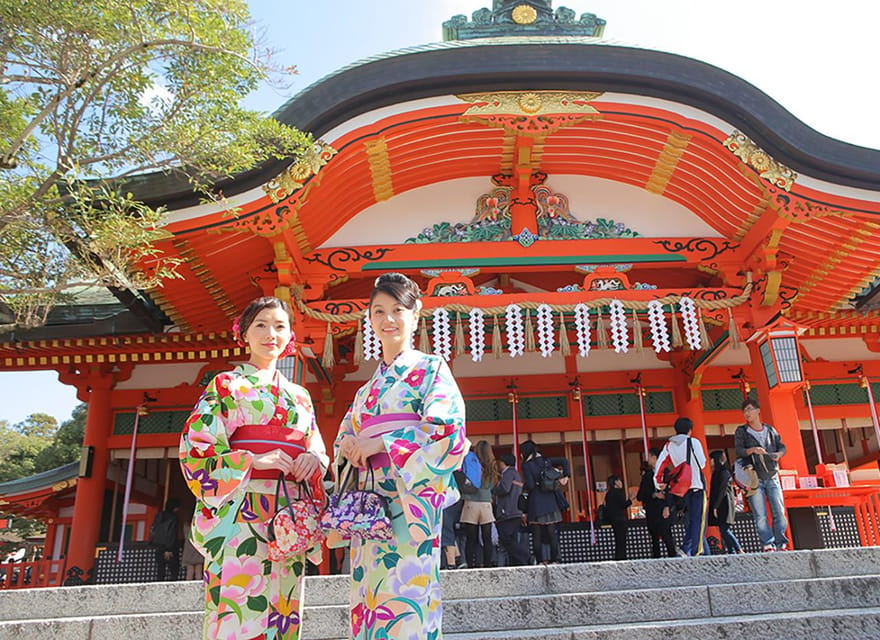
I would choose a morning or early afternoon appointment. The 9am slot gives you the longest period in costume, while the 11am or noon options allow time for breakfast and travel without pushing the tea session too late.
A useful plan looks like this:
- Arrive at Kiyomizu-michi bus stop with extra time.
- Reach Studio Shiki before your costume appointment.
- Choose your outfit and add hair styling if wanted.
- Take photographs and visit one nearby sight.
- Walk to Akebonotei for the scheduled matcha session.
- Continue through Ninenzaka, Sannenzaka, or the Kodaiji area.
- Return the rental by 5pm.
I would not pair the booking with a distant Kyoto attraction immediately afterward. The outfit, sandals, fixed tea time, and return deadline make a compact eastern Kyoto plan much easier.
Keep your group small and organized. The studio has many costume choices, but the dressing process can take time, especially with children. Have one person keep track of the appointment time so nobody arrives late at Akebonotei.
Who will enjoy this most
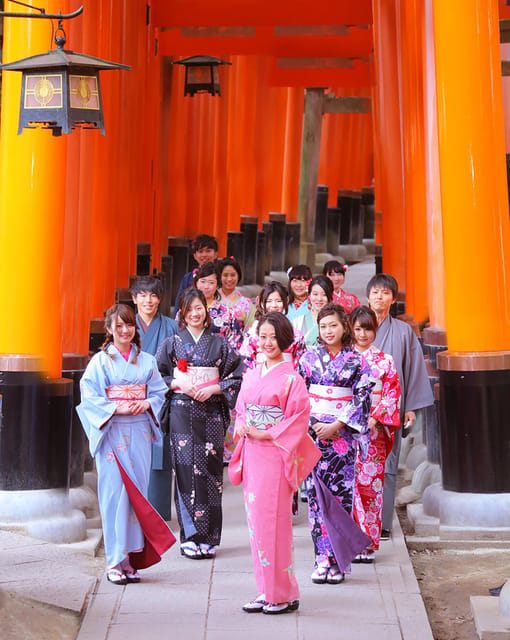
This experience suits families with children age five and older, couples who want photographs in Kyoto clothing, and first-time visitors who want a simple introduction to matcha. It is also useful if you already plan to visit Kiyomizu-dera and want an activity in the same neighborhood.
The maiko option is best for a theatrical makeover. The samurai option is a natural fit for children who enjoy character costumes. The standard kimono or summer yukata is the most practical choice if you want to spend several hours walking around eastern Kyoto.
I would be cautious if your main goal is authentic tea culture. The short ceremony offers a taste, but the structure is designed for convenience and sightseeing. If you prefer a quiet, highly traditional setting, this may feel too polished for tourists.
Pregnant women cannot take part, and children under five are not accepted. Those rules are firm planning points, not minor details.
Booking flexibility and useful restrictions
You can cancel up to 24 hours before the activity for a full refund. The reserve-now, pay-later option also keeps your plans open while you decide how this fits into your Kyoto schedule.
The listed price is $77 per person. The duration ranges from 150 minutes to three hours, and you need to check the available starting times when booking.
The costume includes the main clothing and accessories, but not hair styling. Admission fees are also not included for anyone who does not take part in the tea ceremony. Since the experience is built around the tea portion, anyone skipping it should confirm exactly what remains included before paying.
Should you book this Kyoto experience?
Book it if you want a convenient, family-friendly costume outing near Kiyomizu-dera, with matcha and sweets added to the same plan. The location, included accessories, and ability to keep the kimono until 5pm give it useful value, especially for an early appointment.
Skip it if you want a quiet, deeply traditional tea ceremony or dislike staged photo settings. The tea portion is short, hair styling costs extra, and the operation can feel hurried when several people are being prepared at once.
For most first-time visitors, I would choose the regular kimono or summer yukata, book before midafternoon, and use the remaining rental time to explore Ninenzaka and Sannenzaka. Choose the maiko or samurai options only if the costume transformation itself is the main reason you are booking.
FAQ
Where does the activity take place?
The costume rental takes place at Studio Shiki, also called Rental Kimono Shiki Sakura, near Kiyomizu-dera in Kyoto. The matcha tea experience takes place at Akebonotei, about a three-minute walk from the studio.
How do I reach the studio by city bus?
Take a city bus for about 20 minutes and get off at the Kiyomizu-michi bus stop. From there, the walk to the shop takes about 10 minutes.
What costume choices are available?
You can choose a maiko costume, samurai-style clothing, or a kimono and yukata plan. The seasonal yukata plan is available from June 1 through September 15.
Is hair styling included?
No. Hair styling is not included in the activity price. An optional hairstyle costs 1,650 yen.
What does the rental include?
The rental includes the kimono or seasonal yukata plan, obi, underwear, bag, and sandals. The booking also includes the matcha tea ceremony and sweets.
How long can I keep the kimono?
If you rent a kimono, you can use it until 5pm. The provided information does not specify the exact return procedure.
Can children take part?
Children age five and older can participate. Children under five are not allowed.
Can pregnant women participate?
No. Pregnant women are not permitted to take part in this experience.
What happens if I arrive late?
You must be punctual for both the costume appointment and the tea ceremony. If you are late, you may have to join partway through or may not be able to participate.
Newly steeped around Kyoto
- Whisk Your Own Matcha: A Zen Matcha Experience at Temple★ 3.6 · 7 reviews
- Kyoto: Authentic Tea Ceremony in a Small Group★ 5.0 · 7 reviews
- Tea ceremony at Kyoto’s Zen Temple Teahouse★ 5.0 · 2 reviews
- Uji Walking Tour – Byodo-in temple and Tea Ceremony from Kyoto★ 3.5 · 3 reviews
- Tea Ceremony Experience in Traditional Kyoto Townhouse★ 5.0 · 19 reviews
- Tea Ceremony in 150 Years Old Townhouse with Tables and Chairs★ 5.0 · 22 reviews
- Silent Beauty of Kyoto Zen Walk and Tea Experience★ 5.0 · 2 reviews
- Traditional Tea Ceremony in Kyoto★ 4.5 · 3 reviews
Kimono & Tea Ceremony, compared.


KYOTO Tea Ceremony with kimono near by Imamiya Jinjya Shrine
Read our review →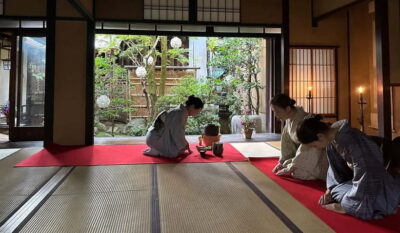
Kyoto: Kimono and Tea Ceremony Experience at Cultural Asset
Read our review →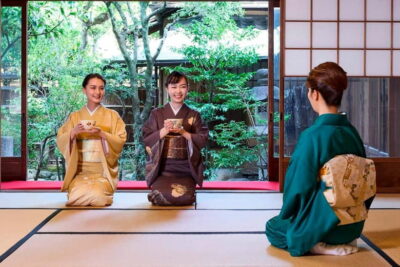
Kyoto: Kimono Tea Ceremony with Matcha and Sweet
Read our review →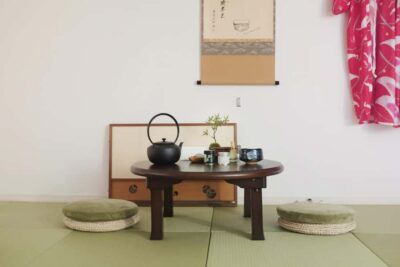
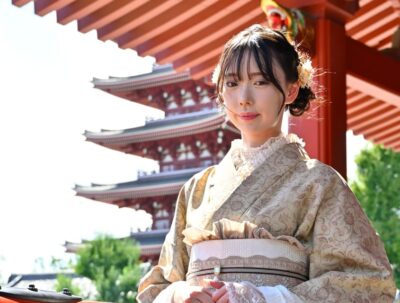
Tokyo: Asakusa Kimono Dressing and Matcha Experience
Read our review →Browse the lists this tea experience appears in