
Review · TOKYO
Tea Session《1200 Years of History in 80 Min》Tokyo
Japanese tea is far more than matcha, and this relaxed 80-minute tasting makes that clear fast. At A Drop. Kuramae, you sample seven teas from across Japan while learning how farmers grow, process, and brew them. The hosts also grow tea in Saitama, so the talk connects neatly to real farm work.
I like the range of flavors, from sencha and hojicha to Japanese-style oolong, black tea, and bancha. I also like the practical brewing advice, including water temperature, steeping time, and how much leaf to use. The main consideration is that this is a tea-focused session with no food, and the $44 price may feel high if you only want a quick cup.
- Seven teas in one session: Taste sencha, hojicha, Japanese-style oolong, black tea, bancha, and other Japanese teas.
- Tea makers, not just sellers: A Drop. Kuramae grows and crafts traditional tea in Saitama.
- Farm-to-cup context: Photos and videos help explain where the leaves come from and how they are made.
- Useful brewing guidance: Learn the effects of temperature, steeping time, and the amount of tea leaf.
- Easy Kuramae location: Meet in Room 204 on the second floor of the Uguisu Building, a short walk from Asakusa.
- Souvenir potential: You can buy selected teas after tasting them, including uncommon and high-quality examples.
Seven Japanese Teas Beyond Matcha
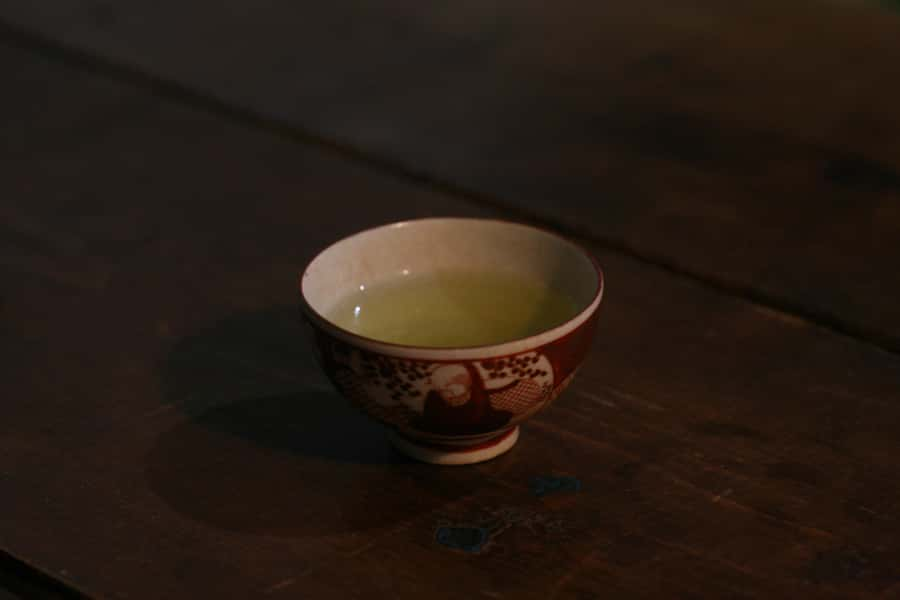
If your picture of Japanese tea begins and ends with matcha, this session offers a welcome reset. Matcha is not the focus here. Instead, you taste several leaf teas that show how much variety exists between regions, growing methods, roasting styles, and levels of oxidation.
The tasting includes sencha, Japanese-style oolong, black tea, hojicha, bancha, and additional selections. That lineup gives you a useful spread. Sencha can show the fresh, grassy side of Japanese tea. Hojicha brings a toasted, roasted character. Bancha offers a simpler, everyday style, while Japanese black tea and oolong show how Japanese producers work with techniques often associated with other tea traditions.
I like this approach because you do not have to arrive with a trained palate. You can compare the cups as you go and notice which styles suit you. The point is not to memorize technical terms. It is to discover what you would actually want to drink at home.
The selection changes the experience from a single specialty drink into a short lesson in range. If you already drink Japanese tea, you may find a new regional style or processing method to seek out. If you are new to it, the variety helps you find an entry point.
What Happens During the 80 Minutes
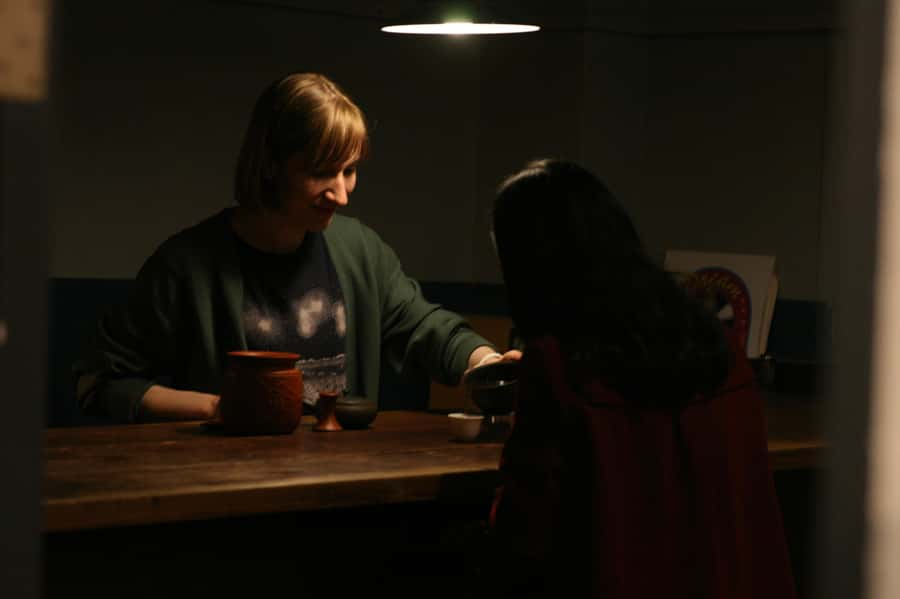
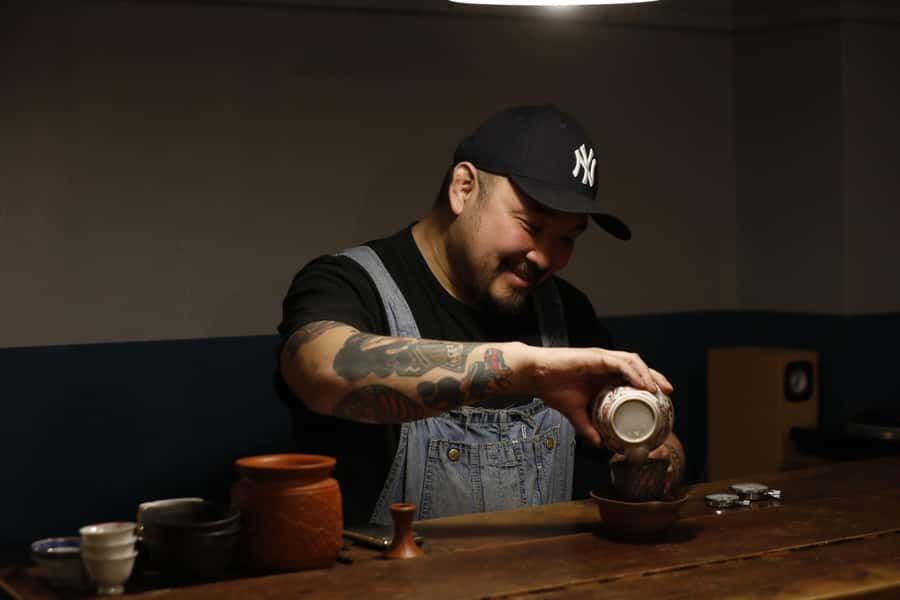
The session is built around tasting, explanation, and conversation rather than a formal performance. You can expect the host to introduce the teas, explain their regional backgrounds, and guide the brewing for each selection.
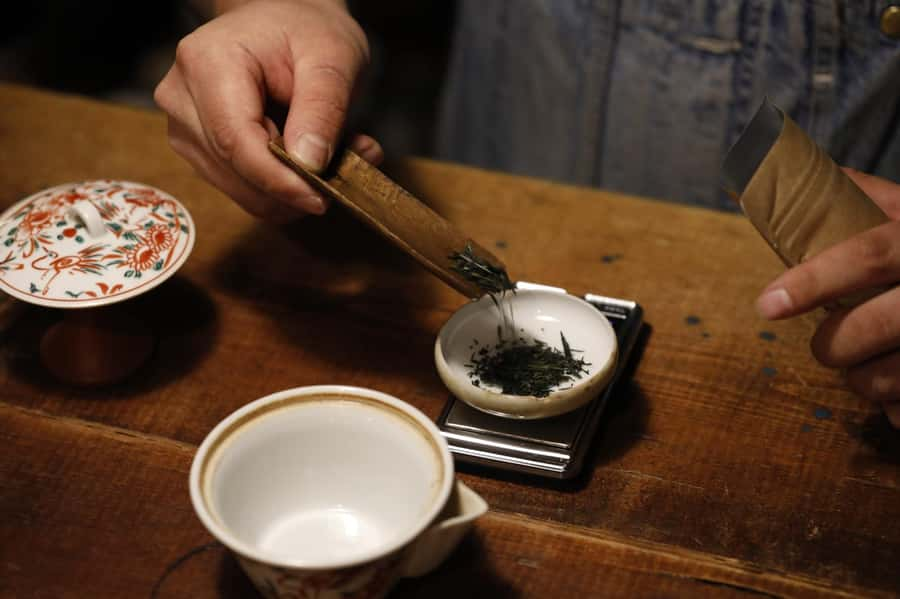
A useful part of the session is the attention to preparation. You learn how temperature affects a tea, how long to steep it, and how much leaf to use. These details matter because the same tea can taste quite different when brewed too hot, left too long, or made with too much leaf.
This makes the experience practical rather than decorative. You are not simply watching someone prepare tea while you sit quietly. You are given information you can use later in your hotel room or kitchen. Even a basic change in water temperature can help prevent a delicate tea from becoming harsh.
The session also includes stories about the teas and the places where they are produced. Photos and videos from real tea farms bring some of that work into the room. Since A Drop. Kuramae grows tea in Saitama, the hosts can speak from direct experience about cultivation and production, not only retail selection.
The setting is intended to be casual. This is not a formal tea ceremony, so you do not need to know the correct gestures, posture, or etiquette. The tone is closer to a guided tasting with room for questions and conversation.
That relaxed style is a good fit if you want cultural context without committing to a ceremonial performance. It also means the experience may feel less special to you if you are specifically looking for traditional tea ceremony rituals.
More Heritage Visits with Tea around Tokyo:
- World Heritage Kyoto & Nara Uji Authentic Matcha Experience
★ 5.0 · 1,573 reviews - Beijing Culture: Tea Ceremony, Heritage Instrument & Calligraphy
★ 5.0 · 57 reviews - Uji: UNESCO Heritage & Tea Ceremony Walking Tour
★ 4.6 · 54 reviews
From Saitama Fields to a Tokyo Tea Shop
A Drop. Kuramae’s own connection to tea farming gives the session a useful angle. The business grows and crafts traditional tea in Saitama, while also selecting teas from farms around Japan.
That combination matters. You get both a local producer’s view and a wider national selection. The tasting can show how tea differs from one area to another, while the Saitama connection keeps the discussion tied to actual cultivation.
You will hear about tea as an agricultural product, not just as a finished drink. Growing conditions, harvest choices, processing, roasting, and brewing all affect the final cup. The farm photos and videos help connect those steps.
I appreciate that this can make ordinary tea feel less anonymous. A packet of leaves from a shop shelf represents a chain of decisions made by growers and makers. Understanding even a little of that chain can change how you brew and buy tea later.
Do not expect a long countryside visit or a trip to the Saitama fields. The experience takes place in Tokyo, at the Kuramae shop. The farm connection comes through the hosts, the tea, and the visual material they share.
Comparing the Cups, One Style at a Time
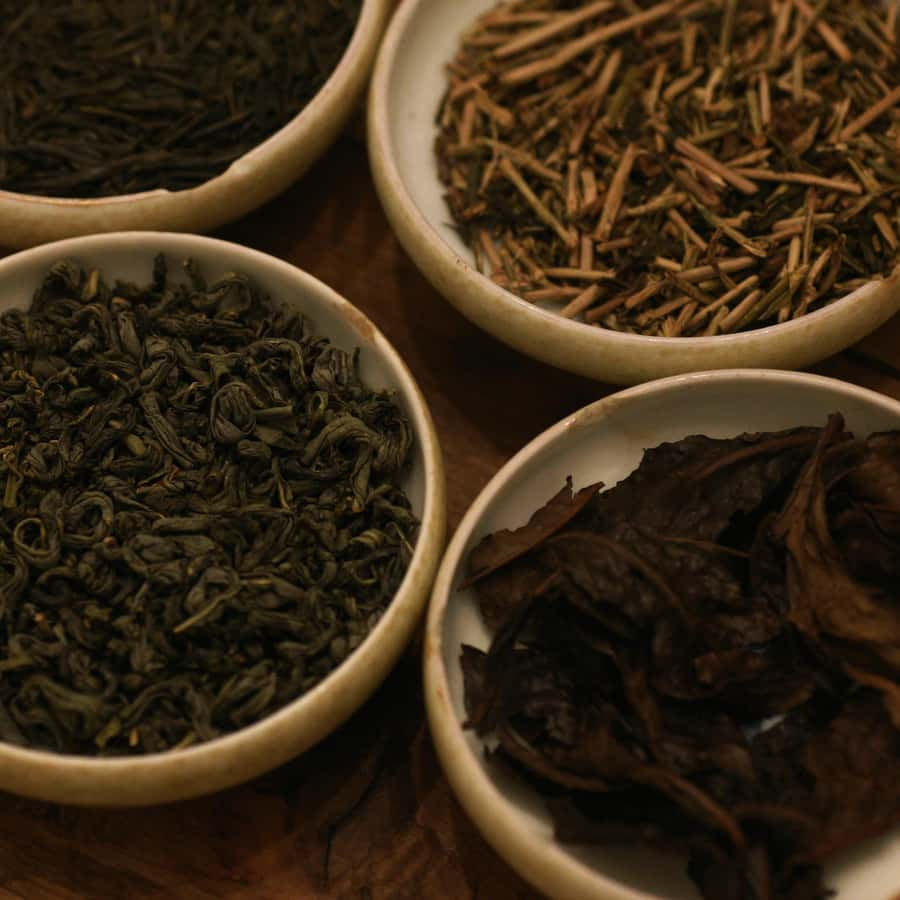
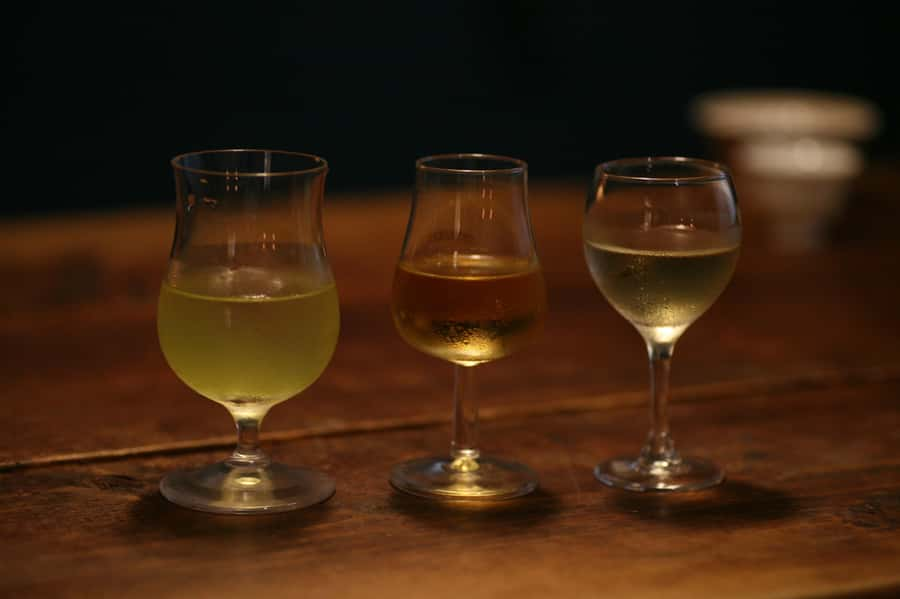
The most valuable part of a multi-tea tasting is comparison. A single cup can be pleasant, but seven cups let you spot patterns.
You might begin with a fresh sencha, then notice how a roasted hojicha shifts the mood entirely. Japanese-style oolong and black tea can show a different side of Japanese production, while bancha may feel more familiar and everyday.
The order of the teas is not specified, so you should not expect a fixed sequence from the information available. What is clear is that each tea comes with an explanation of its region and production style, and that the host guides you through the tasting.
Try to pay attention to more than flavor. Notice aroma, body, bitterness, sweetness, roast, and the aftertaste left in your mouth. You do not need expert language. A simple note such as light, toasted, grassy, soft, or strong is enough to help you remember your favorites.
The session is especially useful if you are trying to choose tea as a souvenir. You can taste before buying instead of guessing from a label. Several of the teas are available for purchase, including rare and high-quality selections, so you have a chance to take home something you genuinely enjoyed.
The drawback is that the price of the experience does not include those purchases. The $44 covers the guided tasting, but your final cost rises if you buy several teas afterward.
Why the Brewing Lesson Adds Value
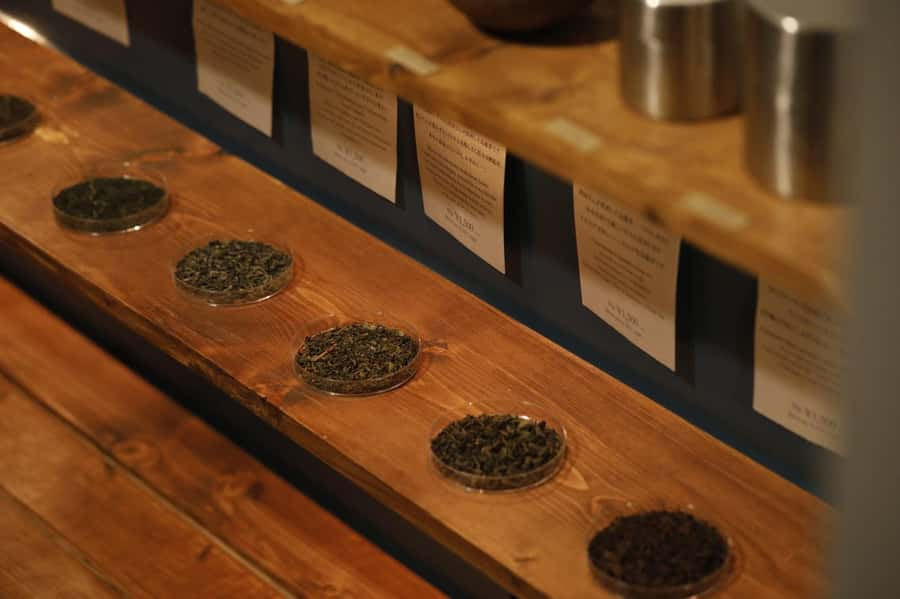
The brewing instruction may be easy to overlook, but it is one of the strongest reasons to book this experience. Japanese tea is not difficult to make, yet small errors can produce a disappointing cup.
The hosts explain the role of water temperature, steeping time, and tea quantity. Those are simple points, but they are often the difference between a balanced tea and one that tastes flat or bitter.
You also get a chance to see how different teas call for different treatment. A roasted tea and a delicate green tea do not necessarily respond well to the same method. Learning that during a tasting gives you a direct comparison.
This is where the session can pay off after your Tokyo visit. A museum visit may leave you with facts and memories, but brewing advice can become part of your daily routine. If you buy tea at the shop, you can use the same guidance when you prepare it later.
The instruction is not presented as a formal class with a long technical syllabus. It is woven into the tasting. That keeps the mood easy, though serious tea students may want a longer or more specialized workshop.
More Tea Experiences around Tokyo:
- Matcha Making Class in Tokyo with Authentic Japanese Sweets Set
★ 5.0 · 744 reviews - Kimono Tea Ceremony at Tokyo, Asakusa Maikoya
★ 5.0 · 638 reviews - Tokyo: Traditional Tea Ceremony with a Tea Master
★ 5.0 · 528 reviews - Dynamic Tokyo: Tokyo Tower, Tea Experience, Bay Cruise Day Tour
★ 4.5 · 521 reviews
A Casual Alternative to a Tea Ceremony
This activity is not a formal tea ceremony. That distinction is important when deciding what to book.
You will not be signing up for a highly structured ritual centered on ceremonial matcha. Instead, you are exploring Japanese tea through several styles, with explanations and conversation along the way.
I would choose this session if I wanted something friendly and informative after sightseeing in Asakusa. It offers cultural context, but it does not require you to sit through a ceremony if that format is not your interest.
The casual setting also suits couples, friends, and solo visitors who like asking questions. The small-group format is intended to make the exchange personal and interactive, though the exact group size is not provided.
There is no food included, so plan this as a focused drink tasting rather than a snack stop. If you need lunch or a sweet break, arrange that separately. The tea itself is the whole point.
Finding A Drop. Kuramae Near Asakusa
The meeting point is A Drop. Kuramae, a Japanese tea select shop in Tokyo’s Kuramae district. The activity begins and ends there, which keeps the logistics simple.
The shop is on the second floor of the Uguisu Building, in Room 204. On the first floor, you will see a café and a bookstore. The building entrance is to the left of the bookstore, so look for that entrance rather than expecting a street-level tea room.
This is useful information because the shop is not described as a large, obvious attraction. Give yourself enough time to locate the building and reach the second floor without rushing. Transportation to the venue is not included, so you arrange your own route.
Kuramae is a short walk from Asakusa, making the session easy to pair with sightseeing in that part of Tokyo. You can plan the tasting as a break from temples, shops, and riverside walks, then finish back at the same location.
No additional transfer is involved. That is a small but welcome advantage in Tokyo, where a short activity can become inconvenient if it begins in one neighborhood and ends in another.
Is $44 a Fair Price?
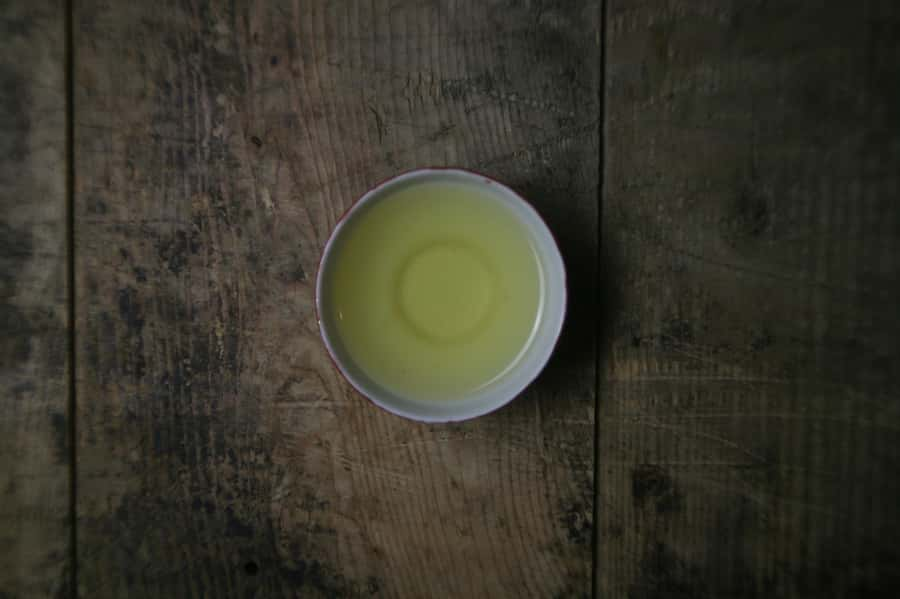
At $44 per person, this is not the cheapest way to drink Japanese tea in Tokyo. You can find a cup of tea for much less. The value depends on whether you want instruction, comparison, and access to teas you might not otherwise encounter.
You are paying for seven tastings, regional stories, farm material, brewing guidance, and a small-group format. The host’s connection to tea growing in Saitama adds a producer’s perspective that a basic café visit will not provide.
The price makes more sense for tea lovers, curious food-and-drink travelers, and anyone planning to buy Japanese tea to take home. Tasting first can prevent you from spending money on a style you do not enjoy.
It is less compelling if you only want a quick introduction or a quiet cup. The session lasts about 80 minutes, and there is no food included. If your schedule is tight, you should decide if a full tasting fits your day.
There is also a practical booking benefit: you can reserve and pay later, keeping your plans flexible. Cancellation is allowed up to 24 hours in advance for a full refund. Those terms reduce the risk of adding the session to a crowded Tokyo itinerary.
Who Will Enjoy This Tea Session Most?
I would recommend this for anyone who wants to understand Japanese tea beyond the familiar matcha image. You do not need previous tea knowledge, and the brewing guidance gives beginners something concrete to take away.
It is also a strong choice for experienced tea drinkers. Seven regional selections create enough variety to make the session worthwhile, especially if you enjoy comparing processing styles or searching for less common teas.
The experience suits:
- Tea lovers who want rare or unusual Japanese selections
- First-time visitors looking for a relaxed cultural activity
- People who plan to buy tea as a souvenir
- Couples or small groups who enjoy guided tastings
- Visitors staying near Asakusa or exploring Kuramae
I would hesitate to book it if you want a traditional tea ceremony, a meal pairing, or a visit to a working tea farm. None of those is the focus here.
The available feedback is especially strong on the atmosphere, tea selection, brewing instruction, and cultural explanation. One account highlights learning exact details such as temperature, steeping time, and the amount of leaf. Another points to seeing a different side of Japanese culture. Those are the parts I would place the most weight on when deciding.
Should You Book A Drop. Kuramae?
Book it if you want a clear, friendly introduction to the many forms Japanese tea can take. The seven-tea format gives you more than a standard tasting, while the farm connection and brewing lesson add substance.
I would make this a priority for tea drinkers and a good secondary choice for anyone with a free hour near Asakusa. You will leave with a better sense of what you like, how to prepare it, and which teas might be worth taking home.
Skip it if you are seeking ceremony, food, or a countryside farm visit. For everyone else, the $44 cost is reasonable when you use the session as both a tasting and a practical lesson.
FAQ
How long does the Japanese tea tasting last?
The session lasts 80 minutes.
How many teas will I taste?
You will taste seven Japanese teas, including sencha, hojicha, Japanese-style oolong, black tea, bancha, and additional selections.
Is this a formal Japanese tea ceremony?
No. It is a casual, guided tea tasting with explanations about tea growing, production, brewing, and regional origins.
Where does the experience begin and end?
It begins and ends at A Drop. Kuramae, located in Room 204 on the second floor of the Uguisu Building in Kuramae, Tokyo.
Is food included?
No. The experience focuses on tea tasting, and food or snacks are not included.
Can I buy tea after the tasting?
Yes. Tea selections are available for purchase, including rare and high-quality Japanese teas.
Newly steeped around Tokyo
- Yokohama : Tea Ceremony with Sweets and Souvenir★ 5.0 · 5 reviews
- Walking Tour: Yanaka,Nezu& Sendagi: Tea Ceremony & Old Tokyo★ 5.0 · 3 reviews
- Private Mochi・Matcha sweets Making Class Near Shibuya Area★ 5.0 · 22 reviews
- 2 Hours Mochi &Nerikiri Making & Matcha Class in Bunkyo★ 5.0 · 21 reviews
- Private Kimono and tea ceremony at local home near Tokyo Disney★ 5.0 · 6 reviews
- Kimono and Tea Ceremony in Asakusa Private Food Tour With Guide★ 5.0 · 4 reviews
- Giant Sushi Cooking Class: Make a 1.5m Sushi Roll in Tokyo★ 5.0 · 9 reviews
- Tokyo Tea Ceremony Class at a Traditional Tea Room★ 5.0 · 2 reviews
Japan Tea Tours, compared.
Kyoto: Tea Ceremony in a Traditional Tea House in Kiyomizu
Read our review →
Kyoto: 45-Minute Tea Ceremony Lesson Experience
Read our review →
World Heritage Kyoto & Nara Uji Authentic Matcha Experience
Read our review →
Kyoto: Table-Style Tea Ceremony at a Kyo-Machiya
Read our review →

Browse the lists this tea experience appears in