
Review · JAPAN
Traditional Japanese Tea Ceremony at Master’s Private Tea Room
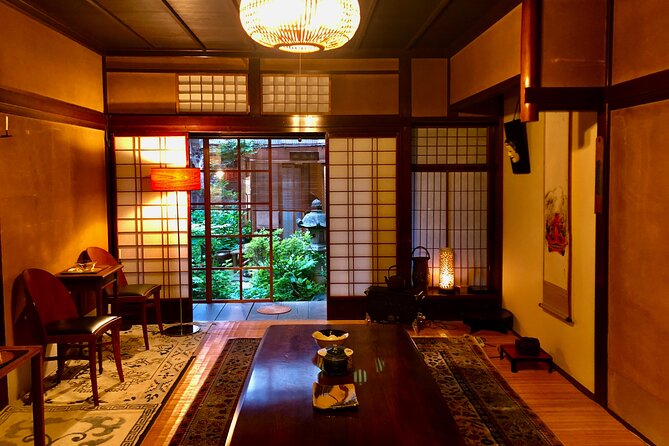
The most unusual part of this tea experience is the setting: a 200-year-old machiya townhouse that once operated as an obstetrics and gynecology clinic. You’ll see how its narrow street entrance opens into a long, carefully built home, then learn to prepare green tea and matcha with Bob-san in a private group.
I like the close look at Hida craftsmanship and the way tea is paired with seasonal fruit and sweets. I also like the personal format, since only your group takes part. The main drawback is the price, $97.73 per person, which feels high if you only want a quick cup of tea. The two-hour visit makes better sense if you value architecture, conversation, and a hands-on lesson.
Key Points
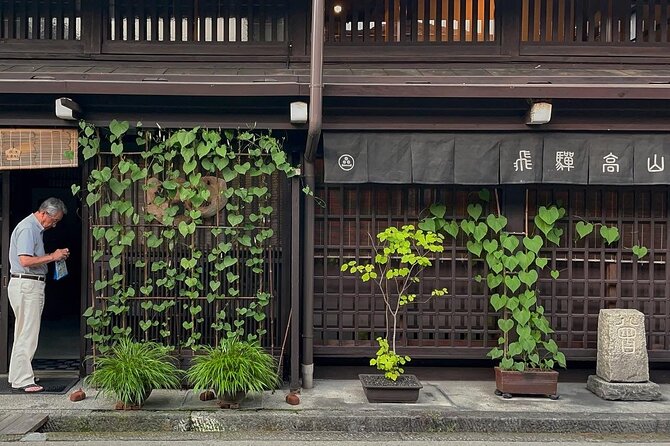
- A rare machiya interior: See a long, narrow Edo-period merchant house that has kept much of its original form.
- A former medical clinic: The main house and old obstetrics and gynecology clinic create an unusual mix of domestic and professional spaces.
- Tea with Bob-san: Learn how to prepare green tea and matcha with a friendly private guide.
- Seasonal refreshments: Enjoy Japanese tea with seasonal fruit and sweets rather than tea alone.
- A private two-hour visit: Your group participates without strangers, and the activity ends where it begins.
- Plan ahead: The experience averages 99 days of advance booking, and the listed opening time is Monday from 9:00 AM to 6:00 PM.
A Tea Ceremony Inside a Working Piece of Takayama’s Past
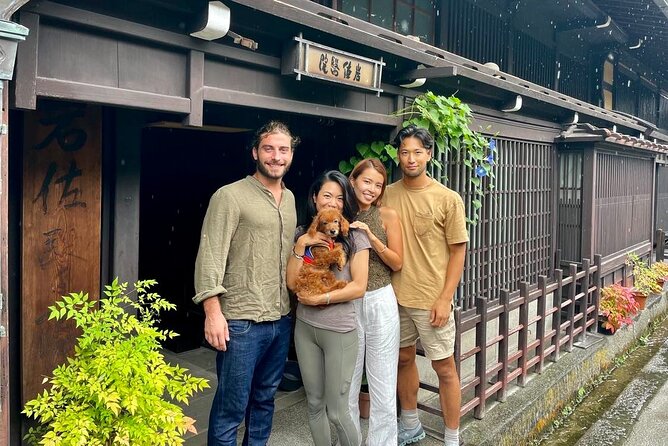
Many traditional buildings in Takayama have been altered over time. This one still gives you a clear sense of how a merchant family might have lived and worked inside a long, narrow town house.
That shape matters. From the street, the entrance looks narrow. Inside, the building extends back in a deep sequence of rooms and work areas. This was a practical response to the old town layout, where street frontage was limited but the plot reached far behind the main entrance.
The house follows the basic machiya format, but its details show the choices made by the original builders. Hida craftsmen used the best materials available and shaped them for both beauty and daily use. You are not simply looking at an old shell. You are seeing a structure that was designed to function as a home and business space.
That makes the tea service more interesting. The tea is not presented in a modern restaurant or a museum room built only for display. You sit within the building’s old domestic setting, where the rooms, proportions, and materials are part of the lesson.
More Private Tea Experiences in Japan
- Private Tea Ceremony and Sake Tasting in Kyoto Samurai House
★ 5.0 · 163 reviews - Tea Ceremony Experience in a Private Tea Room in Shibuya
★ 4.9 · 125 reviews - Kyoto: Private Tea Ceremony with a Garden View
★ 4.9 · 61 reviews
The Former Clinic Adds an Unexpected Story
The house once included an obstetrics and gynecology clinic. That history gives the visit a different feel from a standard tea ceremony held in a purpose-built cultural venue.
You can consider the building as two linked worlds. One part reflects the older merchant-house pattern. The other reflects the medical use that came later. The combination may sound odd at first, but that is exactly what makes the building memorable. It shows how an old Japanese house can change with the needs of the people who use it.
I like this kind of setting because it avoids turning tradition into a frozen picture. A machiya was not built as a postcard. It was a useful place where people lived, worked, met clients, and adapted rooms over many years. The former clinic helps you see that continuing life.
The available details do not specify every room you will enter or which clinic features remain. You should expect an explanation of the architecture and the building’s unusual past, but not assume that every part of the old medical practice is displayed.
Understanding the Long, Narrow Machiya Design
The first part of the visit centers on the house itself. You’ll learn what machiya means and why the building looks so different from the compact homes many people picture when they think of Japan.
The narrow entrance can mislead you. Once inside, the house stretches back, using its depth efficiently. This arrangement helped merchant families combine street-facing business activity with private living areas farther inside.
The building is more than 200 years old, yet it remains both attractive and sturdy. That combination is worth noticing. Traditional Japanese design often asks materials and spaces to do several jobs at once. Rooms need to support daily life, but they also need to create order, calm, and visual balance.
Look at the house with those practical questions in mind. How is space divided? How does the narrow frontage affect movement? Which details seem designed for use, and which appear intended to please the eye? The experience gives you a chance to ask these questions rather than simply walk through an old building.
Because this is a private activity, the pace should suit your group better than a large scheduled demonstration. If you want to pause over a beam, doorway, or room arrangement, you can do so without holding up a full tour group. The exact amount of architectural explanation may depend on your questions and the guide’s presentation.
Learning Green Tea and Matcha with Bob-san
After the introduction to the machiya, the focus turns to tea. Bob-san guides you through the preparation of Japanese green tea and matcha.
The distinction is useful. Green tea and matcha are not simply two names for the same drink. Matcha is prepared as a powdered tea, while green tea can refer to brewed tea. Here, the lesson lets you see and take part in the preparation rather than receiving a finished cup with no explanation.
The visitor experience is hands-on enough to make the tea feel less mysterious. You learn how to make good green tea and matcha, with Bob-san providing the instruction. The available information does not specify every step or whether you prepare every serving yourself, so you should think of this as a guided lesson rather than an advanced tea-school course.
Bob-san is the named host associated with the visit. His style is described as friendly and kind, and that matters in a tea setting. A good host helps you feel comfortable with the movements and timing, especially if you have never prepared matcha before.
Do not worry about knowing the rules in advance. The value is in learning the basic method, understanding the care involved, and enjoying the tea in its proper setting. You get more from the ritual when you see it as a way of paying attention, not as a test of perfect form.
Same leaf, a different ritual:
- Kyoto: Tea Ceremony in a Traditional Tea House in Kiyomizu
★ 4.9 · 3,519 reviews - Kyoto: Tea Ceremony Ju-An at Jotokuji Temple
★ 4.9 · 3,207 reviews - Kyoto: 45-Minute Tea Ceremony Lesson Experience
★ 4.3 · 2,378 reviews - World Heritage Kyoto & Nara Uji Authentic Matcha Experience
★ 5.0 · 1,573 reviews
Seasonal Fruit and Sweets Complete the Tea
The tea comes with seasonal fruit and Japanese sweets. This is a small detail, but it changes the rhythm of the visit.
Tea is not treated as an isolated drink. The fruit and sweets provide flavor and texture alongside the tea, while the seasonal element connects the refreshment to the time of year. The exact fruit and sweets are not specified, so do not book expecting a particular item.
I like this pairing because it gives the ceremony a clear sense of occasion without making it feel stiff. You are not only watching a demonstration. You are sitting down, tasting something, and giving the tea time to be noticed.
The refreshments also help make the two-hour duration feel reasonable. A short demonstration might take only a few minutes, but the longer visit allows space for the building, the lesson, and the food to work together. If you only want to sample matcha quickly, this will likely feel longer and more expensive than necessary. If you want a cultural activity with several parts, the timing is more suitable.
Why the Private Format Matters
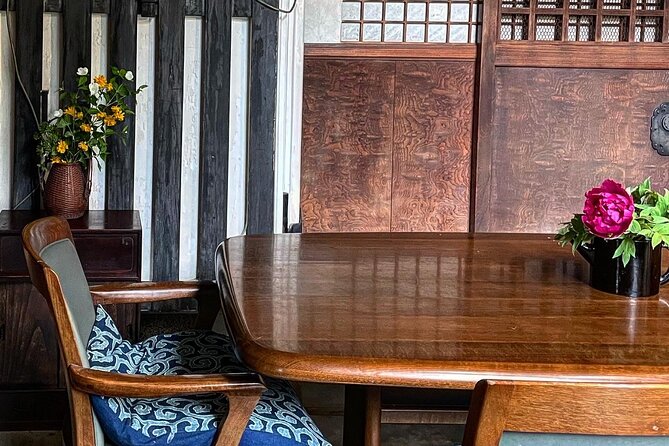
Only your group takes part in this activity. That is one of its strongest practical features.
A private format can make a tea lesson easier for beginners. You can ask questions about the house, the clinic, tea preparation, or Japanese customs without worrying about interrupting a large group. The guide can also spend time explaining points that interest you most.
This format is especially useful for families, couples, or small groups with different levels of interest. One person may care about architecture, another about matcha, and another about the story of the former clinic. A private visit gives you more room to follow those different interests.
The trade-off is cost. At $97.73 per person, this is not a budget tea stop. The price covers a private two-hour activity in a historic home, instruction from a named guide, tea, seasonal fruit, and sweets. That can be fair value for someone who wants personal attention and an unusual setting. It is less convincing for someone comparing it with a simple tea served in a café.
I would judge the price by asking how much time you want to spend with the building and the host. If the answer is only 20 minutes, skip it. If you want a slow, private cultural visit with architecture and instruction included, the cost is easier to justify.
Timing, Meeting Point, and Planning Ahead
The meeting point is 2-chōme-147 Morishitamachi, Takayama, Gifu 506-0823, Japan. The activity ends back at that same location, so you do not need to arrange a separate pickup or find your way to another neighborhood afterward.
The listed operating information shows Monday hours from 9:00 AM to 6:00 PM, for the date range July 1, 2023 through January 8, 2027. Since the information gives a Monday schedule rather than a full weekly calendar, confirm the available date before building your day around it.
Near public transportation is another useful point. You can plan to reach the meeting area without relying on a private car, though the supplied details do not name a station or give walking times. Use the exact address when planning your route.
The average booking time is 99 days in advance. That is a strong signal to plan early, especially if your visit falls during a popular travel period or your dates are fixed. Confirmation is sent within 48 hours of booking, subject to availability.
A mobile ticket keeps the entry process simple. Bring the ticket on your phone and arrive at the stated meeting point. The activity lasts about two hours, so leave enough time before and after it rather than placing it between tight connections.
Who Will Get the Most from This Visit
This experience suits you if you enjoy old houses with a story rather than only formal ceremonies. The machiya and former clinic give the visit a physical setting that adds context to the tea.
It is also a good choice if you want to learn the basics of matcha and green tea in a private setting. Bob-san’s personal instruction is likely to feel more useful than watching a large demonstration from the back of a room.
You should also consider it if you are spending enough time in Takayama to slow down. The activity is not built around rushing from sight to sight. It asks you to look closely at a building, listen to an explanation, prepare tea, and enjoy seasonal refreshments.
I would be more cautious if your main goal is a highly formal tea ceremony with a detailed explanation of every ritual gesture. The available information emphasizes the house, the tea lesson, fruit, and sweets. It does not promise a full formal school-style ceremony or a particular tea tradition.
Likewise, this may not suit you if you dislike set refreshments or have strict dietary needs. The information confirms seasonal fruit and sweets but gives no ingredient list or substitution policy. Ask before booking if that matters to you.
Practical Details Worth Knowing
The activity is private, and service animals are allowed. The listing also states that it is near public transportation, but it does not provide detailed accessibility information about the historic house. If you need step-free access or specific seating arrangements, ask the provider before paying.
Free cancellation is available if you cancel at least 24 hours before the local start time. Cancellations or changes made inside that 24-hour window are not accepted for a refund. That gives you some flexibility, but you should still check your schedule carefully because availability may be limited.
The provider is Hisa Takayama Private Tour Guide. Bob-san is the host specifically associated with the tea instruction. Confirmation arrives within 48 hours, subject to availability, so check your email and booking messages before your visit.
Should You Book This Takayama Tea Experience?
Book it if you want more than a cup of matcha. The strongest reasons are the preserved machiya, the former clinic, the private format, and the chance to learn green tea and matcha directly with Bob-san.
At $97.73 per person, it asks for a real commitment. I would choose it for a first visit to Takayama when you want a personal introduction to local architecture and tea culture, especially if you are happy to spend two unhurried hours in one historic home.
Skip it if you want a low-cost tasting, a large cultural show, or a strictly formal ceremony with a published sequence of rituals. For the right visitor, though, the unusual building and friendly instruction give this activity a clear identity. It is a thoughtful choice for a small group that values place, conversation, and a little hands-on learning.
FAQ
How long does the tea experience last?
The activity lasts approximately two hours.
Where does the activity begin?
It begins at 2-chōme-147 Morishitamachi, Takayama, Gifu 506-0823, Japan.
Where does the activity end?
It ends back at the same meeting point.
Is this a private activity?
Yes. Only your group participates.
Who provides the experience?
The provider is Hisa Takayama Private Tour Guide.
Who teaches the tea preparation?
Bob-san guides the preparation of Japanese green tea and matcha.
What food is included?
The experience includes seasonal fruit and Japanese sweets with the tea.
Can I cancel for a full refund?
Yes, if you cancel at least 24 hours before the experience start time. Cancellations or changes made less than 24 hours before the start time are not refunded or accepted.
What are the listed opening hours?
The listed hours are Monday from 9:00 AM to 6:00 PM for the stated operating period. Availability is subject to confirmation.
More Tea Ceremonies in Japan
- Osaka: Tea Ceremony Experience
★ 4.9 · 1,426 reviews - Kyoto: Table-Style Tea Ceremony at a Kyo-Machiya
★ 4.9 · 1,211 reviews - Kanazawa: Kenrokuen Tea Ceremony Experience
★ 4.8 · 1,139 reviews - Kimono Tea Ceremony at Kyoto Maikoya, NISHIKI
★ 5.0 · 911 reviews
Newly steeped around Japan
- Yokohama : Tea Ceremony with Sweets and Souvenir★ 5.0 · 5 reviews
- Whisk Your Own Matcha: A Zen Matcha Experience at Temple★ 3.6 · 7 reviews
- Walking Tour: Yanaka,Nezu& Sendagi: Tea Ceremony & Old Tokyo★ 5.0 · 3 reviews
- Visit local home for music and tea ceremony near Disney★ 4.9 · 13 reviews
- Trip to Kamakura & Enoshima: Shrines, Seaside, Temples &Tea★ 5.0 · 11 reviews
- Yokohama: Sushi & Gyoza Cooking with Matcha & GreenTea Experience★ 5.0 · 3 reviews
- Kyoto tea town for matcha lovers★ 5.0 · 16 reviews
- Uji: Private immersion into Kyoto’s tea and reglious culture★ 5.0 · 17 reviews
Private Tea Experiences, compared.
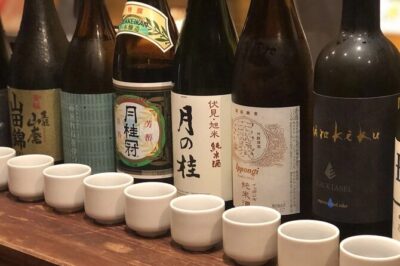
Private Tea Ceremony and Sake Tasting in Kyoto Samurai House
Read our review →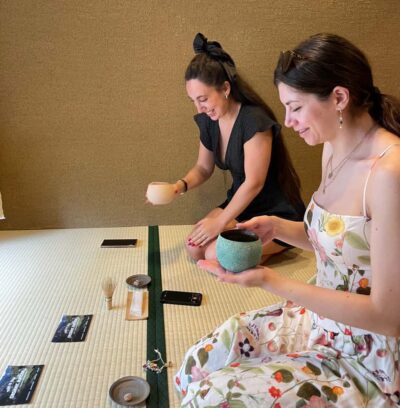
Tea Ceremony Experience in a Private Tea Room in Shibuya
Read our review →
One-Day Hangzhou Dragon Well Tea Culture & West Lake Private Tour
Read our review →
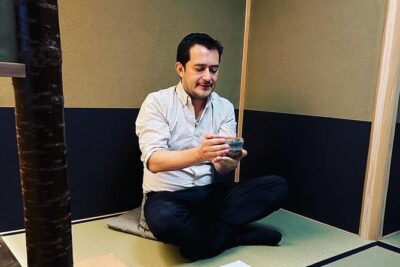
Kyoto Private Tea Ceremony with Tea Master at Home
Read our review →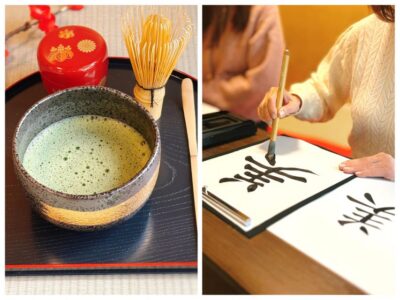
Osaka: Private Tea Ceremony and Calligraphy Experience
Read our review →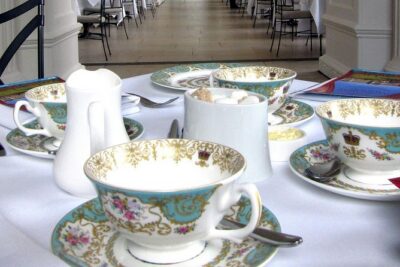
Private Tour: Royal High Tea At Kensington Palace Gardens
Read our review →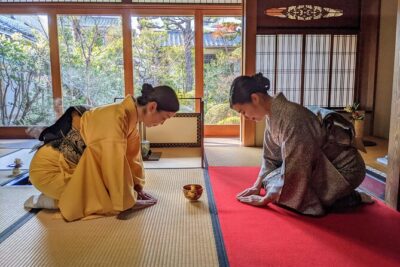
Stunning Private Tea Ceremony: Camellia Garden Teahouse
Read our review →Browse the lists this tea experience appears in