
Review · HIROSHIMA
Cultural Activities :Kimono, tea ceremony, Calligraphy and Amulet
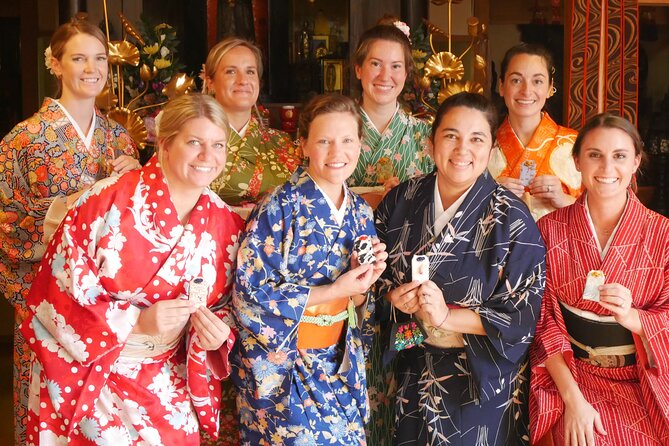
At Tokuju-ji Temple on Miyajima, you can fit three hands-on Japanese traditions into about two hours: writing your name in Japanese, preparing matcha, and making an amulet. The kimono is not just for a quick photograph. You wear it during the lessons, which makes the whole visit feel more connected.
I especially like the small maximum group of 10 and the way the teachers take photographs during the activities, then email them to you. I also like the setting: a temple founded about 300 years ago, with gardens and a local story tied to the protection of children and pregnancy. The main thing to consider is the price, $171.73 per person, which is a serious outlay for a two-hour activity.
Key points to know before booking
- Three activities in two hours: Calligraphy, tea ceremony, and amulet making are all included.
- Kimono throughout the lessons: You also wear a traditional apron during the activities.
- Historic Miyajima setting: Tokuju-ji Temple belongs to the Soto school of Buddhism and dates back roughly 300 years.
- Small group size: The activity accepts no more than 10 people, though some sessions may feel more personal if fewer people book.
- Photos included: Teachers take pictures during the lessons and send them by email.
- Good for families: The minimum age is 6, and children must be accompanied by an adult.
A compact cultural lesson at Tokuju-ji Temple
This experience works best if you want more than sightseeing but do not have time for a full-day class. In roughly half an hour each, you move through three activities that show different sides of Japanese culture: writing, hospitality, and personal protection.
The setting is Tokuju-ji Temple, reached at the meeting point for Okeiko Japan Miyajima, at 741-1 Miyajimachō, Hatsukaichi, Hiroshima 739-0588. The temple was founded about three centuries ago. Its main Buddha is Kinseki Jizo, a figure associated with protection for children and pregnancy.
The temple’s story is unusually personal. An elderly couple prayed to Jizo because they wished for a child. They later had a healthy boy and built the temple in gratitude. That story gives the amulet activity more meaning than a generic craft session, since the site itself has a long connection with prayers for protection and family well-being.
Tokuju-ji belongs to the Soto school of Buddhism. Miyajima’s religious buildings can also show links with Itsukushima Shrine and Shinto customs, so you may notice details that do not fit neatly into one tradition. That mix is part of what makes the island interesting. This is not a museum demonstration separated from daily faith. It takes place in an active religious setting.
The temple visit itself is listed at about 20 minutes, while the complete activity lasts approximately two hours. The practical takeaway is that the temple is the setting for the classes, not a separate long temple tour. You are coming mainly for the cultural lessons, with the gardens and Buddhist atmosphere adding depth.
More Tea and Calligraphy Workshops in Japan
- Osaka: Tea Ceremony, Calligraphy, and Kimono Experience
★ 4.9 · 130 reviews - Experience all of Japanese culture and Japanese food experience classes “origami, udon, Japanese food, green tea, calligraphy” in 4 hours
★ 5.0 · 105 reviews - An Amazing set of Cultural experience: Kimono, Tea Ceremony and Calligraphy
★ 5.0 · 69 reviews
Kimono first, then photographs in the garden
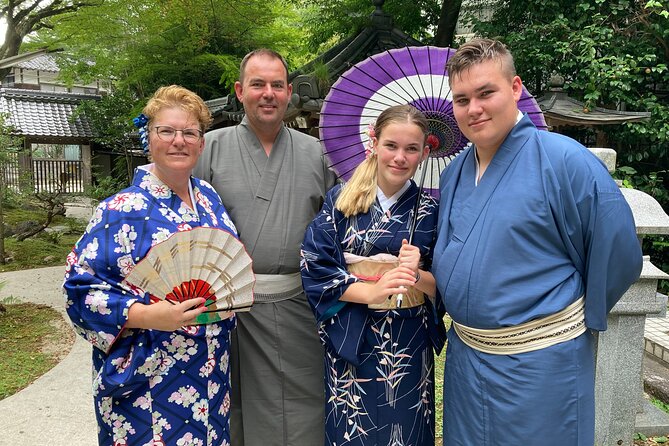
A major part of the appeal is putting on a kimono before the activities begin. You also wear a traditional apron during the lessons. That clothing changes the pace of the visit. Instead of rushing from one sight to another, you spend the next two hours sitting, watching, and taking part in a formal setting.
The kimono also makes the photographs more meaningful. The teachers take pictures during the lessons and in the garden, then send them to you by email. This is useful if you are traveling with family or as a couple, since you do not have to rely only on quick self-timer photographs.
Keep your expectations sensible. This is a short cultural session, not a full kimono dressing course or a professional photography appointment. The supplied details do not specify how many photographs you receive or how long the dressing process takes. Still, having staff photograph the activities is a welcome practical touch, especially when your hands are occupied with tea utensils, brushes, or craft materials.
The clothing is also part of the lesson. Japanese cultural customs often place importance on posture, movement, and presentation. Wearing a kimono while learning gives you a small sense of those physical details. You may find that simple actions, such as sitting or handling objects carefully, feel different in formal clothing.
Calligraphy: writing your name in Japanese
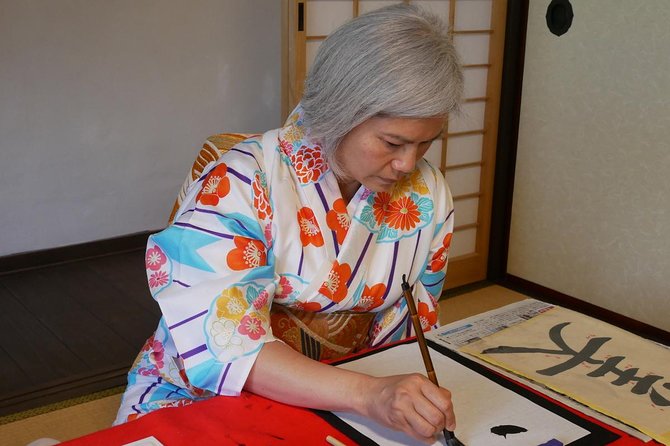
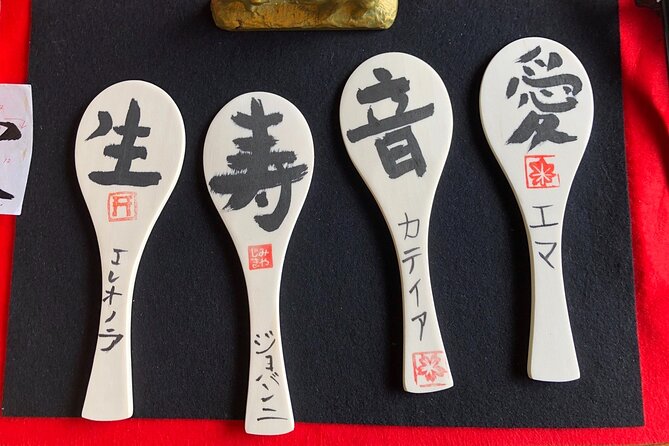
The calligraphy lesson gives you a direct, personal project. Rather than copying an abstract phrase with no connection to you, you learn how to write your own name in Japanese.
That makes the activity easy to remember and easy to share afterward. You leave with a piece of writing that connects the language lesson to your own identity. The class is also a good fit for beginners because you do not need prior Japanese language or brushwork experience according to the information provided.
Calligraphy is about more than producing legible characters. The brush, ink, spacing, and order of strokes all matter. The teacher’s role is to show you how the writing is formed and help you create a presentable result. Since the activity lasts only about half an hour, you should expect an introduction and guided practice rather than advanced instruction.
I would place calligraphy in the middle of a Miyajima schedule rather than at the very end of a long day. You will need enough attention to follow the demonstrations, and the formal setting rewards a calm pace. It is also a useful choice for families because children aged 6 and up can participate when accompanied by an adult.
Tea ceremony with matcha and careful movements
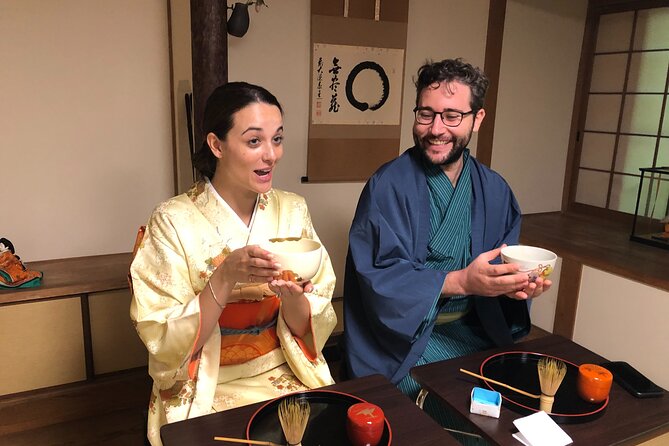
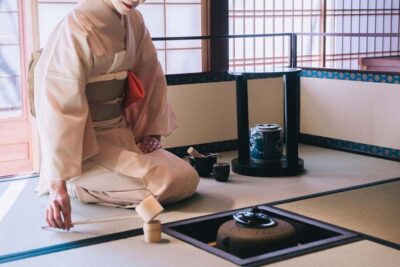
The tea ceremony is the most formal part of the session. You learn how to prepare matcha and perform the ceremony, rather than simply drinking a cup handed to you.
The appeal is in the sequence. The teacher shows you how the tools are used, how the tea is prepared, and how the actions fit together. Even a short introduction can help you understand why Japanese tea practice places such weight on attention, respect, and controlled movement.
You should not expect to become a tea master in 30 minutes. The lesson is an accessible introduction, not a full study of tea ceremony schools or etiquette. Still, the experience gives you a better sense of the ritual than a quick tasting at a café.
The kimono adds to the occasion, but it also means you should be ready for a more structured activity. This is not a casual stop where you can come and go as you please. The value comes from following the teacher’s pace and taking the movements seriously, even if you are a complete beginner.
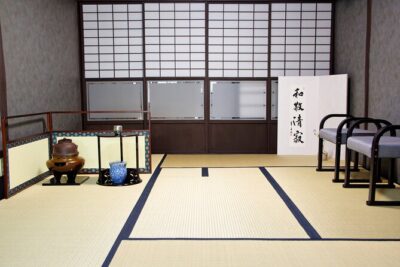
The tea lesson is also where the temple setting matters most. Preparing matcha in a traditional room or temple environment feels different from doing the same activity in a modern workshop. The surroundings do not replace instruction, but they help explain why the ceremony is connected to quiet spaces and deliberate behavior.
More Kimono and Tea Ceremonies in Japan:
- Kimono Tea Ceremony at Kyoto Maikoya, NISHIKI
★ 5.0 · 911 reviews - Kimono Tea Ceremony at Tokyo, Asakusa Maikoya
★ 5.0 · 638 reviews - Kyoto: Kimono Tea Ceremony at Orizuruya Gion
★ 4.9 · 618 reviews - KYOTO Tea Ceremony with kimono near by Imamiya Jinjya Shrine
★ 5.0 · 343 reviews
Amulet making with a local religious connection
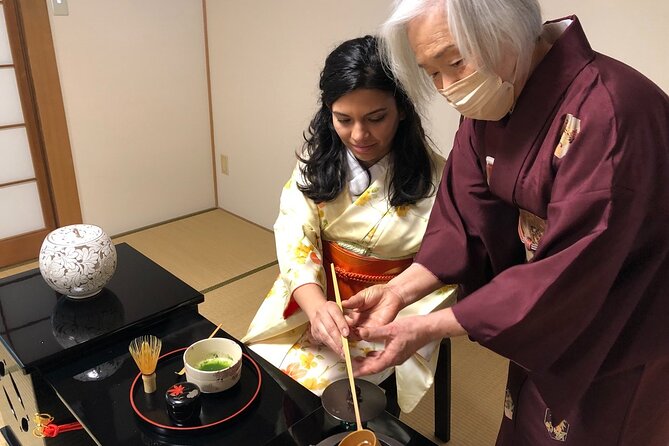
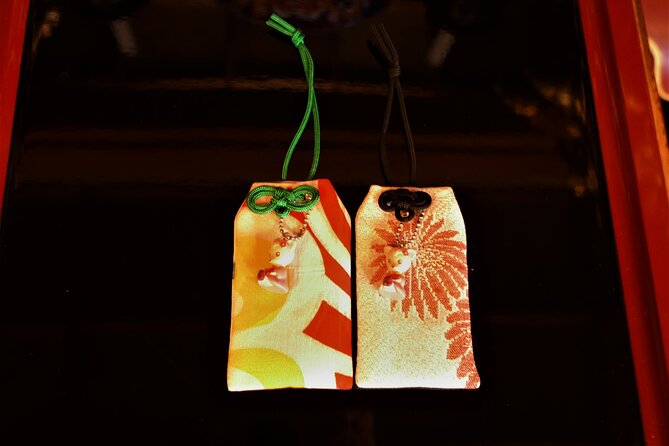
The amulet class is the least common of the three activities. Amulet making is not offered in many places in Japan, so this part gives the visit a more distinctive edge.
You make an amulet rather than merely buying one from a temple shop. That small difference matters. You learn something about the object’s purpose and take part in making it with your own hands. Because Tokuju-ji’s central figure, Kinseki Jizo, is linked with protection for children and pregnancy, the activity has a clear connection to the temple’s story.
The available details do not explain every material or step used in the craft, so I would not book this expecting a specific design or elaborate workshop. Think of it as a short, guided introduction with a personal souvenir at the end.
For many people, this will be the most memorable activity because it is both practical and symbolic. Calligraphy gives you a written keepsake, tea teaches a ritual, and the amulet offers an object connected to the temple’s religious role.
Why the small group matters
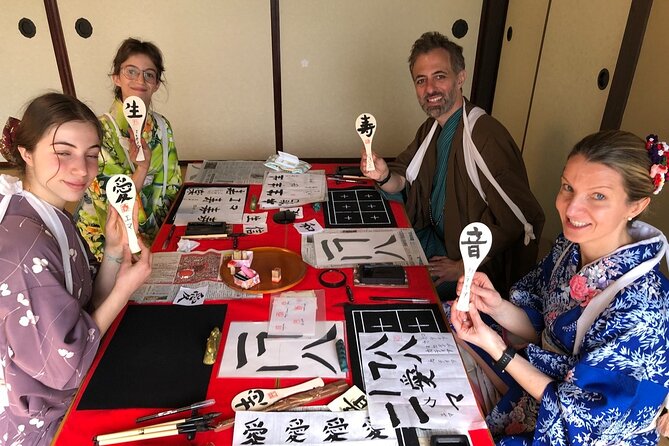
The maximum group size is 10. That is not a private class guarantee, but it is small enough to keep the session more manageable than a large cultural show.
Small numbers matter here because each activity involves demonstration and practice. You may need help with brush handling, tea preparation, or the amulet process. A crowded room would make those moments less comfortable. With fewer people, you have a better chance of seeing what the teacher is doing and getting a photograph while you work.
Some bookings may result in a much smaller group. One parent and child ended up with what was effectively a private session, and a couple also described having close personal attention. That cannot be promised for every departure, but it shows why the group limit is useful.
The teaching team is described as friendly, personable, and attentive during each stage. No individual teacher names are provided, so you should not expect to book a particular instructor. The consistent strength is the personal interaction rather than a named guide.
What the $171.73 price represents
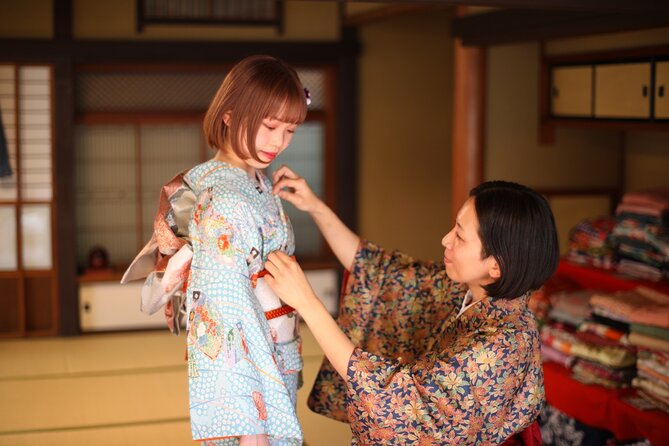
At $171.73 per person, this is not a budget activity. The two-hour length makes the headline price look high if you compare it with a simple temple visit, a museum ticket, or a short tea tasting.
The value improves when you count what is bundled together: kimono use, three guided activities, the temple setting, teacher attention, and photographs sent afterward. You are paying for a compact, organized introduction to several traditions, not just admission to a building.
It can also save time. If your Miyajima visit is short, fitting calligraphy, tea ceremony, and amulet making into one appointment may be more practical than arranging three separate activities. The tour is especially useful for people who want a structured cultural experience between sightseeing stops.
I would not recommend it solely for the temple. The temple visit listed within the schedule is brief, and the main reason to pay this price is the combination of hands-on lessons and kimono photographs. If you only want to see Tokuju-ji or walk through a garden, a different plan may offer better value.
The experience receives a five-star rating from 44 published ratings, with 100 percent recommending it. That strong response fits the activity’s main strengths: welcoming teachers, a beautiful setting, and enough variety to keep the two hours moving. It does not change the price, but it does suggest that the format delivers what it promises.
Timing, meeting point, and who fits best
The activity starts and finishes at the Okeiko Japan Miyajima meeting point. It is near public transportation, and a mobile ticket is provided. You should allow enough time to find 741-1 Miyajimachō rather than arriving at the last minute, especially if you are unfamiliar with Miyajima.
The class lasts about two hours. Build in extra time before and after if you want to explore the temple grounds or combine the activity with other island sights. Since the experience ends where it begins, it is easy to continue your day from the same general area.
The minimum age is 6. Children must be accompanied by an adult, and most people can participate. The supplied information does not list specific accessibility details, so contact the provider if you need assistance beyond the general participation guidance.
This is a strong choice for:
- First-time visitors who want a guided introduction to Japanese customs
- Families with children aged 6 or older
- Couples who want shared photographs in kimono
- Cruise passengers with limited time on Miyajima
- People who prefer small, hands-on classes over passive sightseeing
- Anyone curious about amulets and temple customs
It may be less suitable if you dislike formal instruction, sitting through demonstrations, wearing traditional clothing, or paying a premium for a short activity.
How to fit it into a Miyajima day
The two-hour format is helpful because Miyajima invites a full day of sightseeing. You can schedule this activity as a focused cultural block rather than giving up an entire day.
Arrive ready to slow down. The experience is not built around covering lots of ground. Its pleasure comes from repeated small actions: putting on the kimono, watching the brush move, preparing tea, and making the amulet.
If photographs matter to you, keep access to your email after the session because the teachers send the images electronically. The supplied information does not state when the photographs arrive, so do not assume they will appear immediately.
The activity is also a good rainy-day option in principle because the lessons take place at the temple, although no specific weather policy is provided. The same applies to seasonal clothing or dressing details: the experience supplies the kimono and apron, but no further clothing guidance is stated.
Should you book this Miyajima experience?
Book it if you want a short, personal introduction to several Japanese traditions and can accept the $171.73 price. The combination of kimono, tea ceremony, calligraphy, amulet making, photographs, and a historic temple is unusual enough to justify consideration, especially during a short visit.
Skip it if your budget is tight or if you would rather spend two hours visiting more sights independently. You are paying for instruction and atmosphere, not a long tour of Tokuju-ji.
For families, couples, first-time visitors, and cruise passengers, I think the format makes sense. The amulet lesson gives it a point of difference, the name calligraphy gives you a personal souvenir, and the tea ceremony adds a formal cultural experience. Just reserve ahead if your schedule is fixed: the activity is booked an average of 52 days in advance.
Free cancellation is available if you cancel at least 24 hours before the local start time. Cancellations or changes made less than 24 hours before the start are not refunded or accepted.
FAQ
How long does the cultural experience last?
The complete activity lasts approximately two hours.
Where does the activity start and finish?
It starts and ends at Okeiko Japan Miyajima, 741-1 Miyajimachō, Hatsukaichi, Hiroshima 739-0588, Japan.
Which activities are included?
You take part in Japanese calligraphy, a tea ceremony, and amulet making.
Is a kimono provided?
Yes. You wear a provided kimono and traditional apron during the lessons.
What is the maximum group size?
The activity accepts a maximum of 10 people.
Can children participate?
The minimum age is 6. Children must be accompanied by an adult.
What happens if I need to cancel?
You can receive a full refund by canceling at least 24 hours before the experience’s local start time. Cancellations or changes made less than 24 hours before the start are not accepted for a refund.
More Tea Ceremonies in Japan
- Kyoto: Tea Ceremony in a Traditional Tea House in Kiyomizu
★ 4.9 · 3,519 reviews - Kyoto: Tea Ceremony Ju-An at Jotokuji Temple
★ 4.9 · 3,207 reviews - Kyoto: 45-Minute Tea Ceremony Lesson Experience
★ 4.3 · 2,378 reviews - Osaka: Tea Ceremony Experience
★ 4.9 · 1,426 reviews
Newly steeped around Japan
- Yokohama : Tea Ceremony with Sweets and Souvenir★ 5.0 · 5 reviews
- Whisk Your Own Matcha: A Zen Matcha Experience at Temple★ 3.6 · 7 reviews
- Walking Tour: Yanaka,Nezu& Sendagi: Tea Ceremony & Old Tokyo★ 5.0 · 3 reviews
- Visit local home for music and tea ceremony near Disney★ 4.9 · 13 reviews
- Trip to Kamakura & Enoshima: Shrines, Seaside, Temples &Tea★ 5.0 · 11 reviews
- Yokohama: Sushi & Gyoza Cooking with Matcha & GreenTea Experience★ 5.0 · 3 reviews
- Kyoto tea town for matcha lovers★ 5.0 · 16 reviews
- Uji: Private immersion into Kyoto’s tea and reglious culture★ 5.0 · 17 reviews
Kimono & Tea Ceremony, compared.


KYOTO Tea Ceremony with kimono near by Imamiya Jinjya Shrine
Read our review →
Kyoto: Kimono and Tea Ceremony Experience at Cultural Asset
Read our review →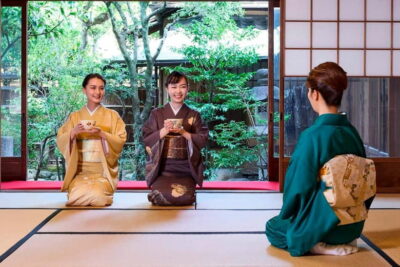
Kyoto: Kimono Tea Ceremony with Matcha and Sweet
Read our review →
Tokyo: Asakusa Kimono Dressing and Matcha Experience
Read our review →Browse the lists this tea experience appears in