
Review · KYOTO
Kyoto WAKIMIZU Half Day Tour: Secrets of Matcha & Wagashi Sweets
Kyoto’s matcha and wagashi have a secret ingredient most visitors never consider: wakimizu, or spring water. This half-day outing takes you to three sacred water sources, explains their place in Kyoto’s culture, and ends with matcha and fresh namagashi at a confectionery founded in 1803. It is a small, focused way to see a quieter side of the city.
I especially like the mix of local shrine customs and food culture, plus the chance to taste water at the source instead of hearing only a lecture about it. The final tea and sweets are another strong point, since the namagashi made for this experience are not normally available in the shop. The main drawback is practical: the tour requires at least two people, private transportation is not included, and the meeting details at Kyoto Station deserve close checking before you book.
Key points to know before booking
- Three spring water sites: Visit water sources at Yasaka Shrine, Nishiki Tenmangu, and Hiyoketemmangu.
- A small group: The tour accepts no more than six people, making questions and conversation easier.
- A 200-year-old finish: Taste matcha and special namagashi at Kameya Yoshinaga, founded in 1803.
- More than a tea tasting: You will learn shrine etiquette, local legends, and why water matters in Kyoto cuisine.
- About 2 hours 40 minutes: The listed stops total about 70 minutes, with the remaining time likely used for walking and moving between locations.
- Check the transport plan: The tour begins and ends at Kyoto Station, but private transportation is not included.
Why spring water matters in Kyoto
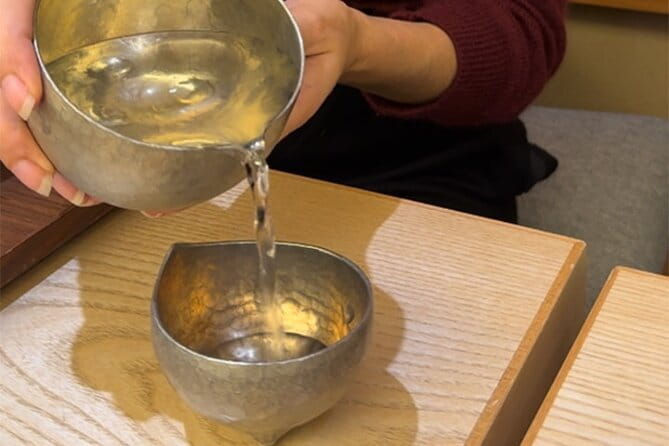
This experience is built around a simple idea: water changes what you taste. Kyoto sits in a basin with plentiful groundwater, and spring water has long been used for drinking, tea preparation, and Japanese confectionery.
That makes the subject more interesting than a standard sweets class. You are not simply handed a bowl of matcha and told how to whisk it. You first visit places where water has religious meaning, then connect that water to the tea and wagashi served at the end.
You will taste water at the spring sites and compare the character of each source. The provided details do not describe the exact flavor differences, so do not expect a formal tasting chart or a technical water-science lesson. The value is in noticing that water is treated as part of the recipe, not as an invisible background ingredient.
For you, this can make a familiar Kyoto ritual feel new. Matcha may be bitter, grassy, creamy, or pleasantly sharp depending on how it is prepared. Wagashi may look like tiny works of art, but the balance of sweetness and texture also depends on careful ingredients and technique. This tour gives you a cultural reason to pay attention to both.
More Matcha Experiences in Kyoto
- Kyoto: Arashiyama Bamboo Forest, Monkeys, Matcha & Temple Tour
★ 5.0 · 759 reviews - Kyoto: Tea Ceremony Meditation – Make Matcha with Tea Master
★ 4.8 · 406 reviews - Kyoto: Kimono Tea Ceremony with Matcha and Sweet
★ 4.9 · 249 reviews
Yasaka Shrine and the eastern spring
The outing begins at Yasaka Shrine, one of Kyoto’s important religious sites. The shrine is linked to the eastern direction in Kyoto’s traditional protective system, where four divine creatures guard the city.
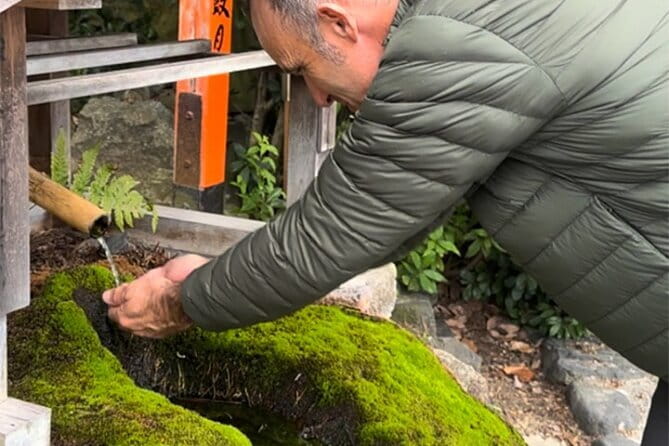
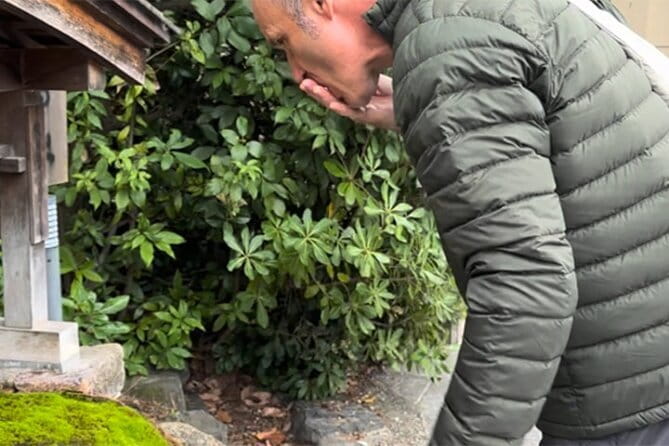
The local story describes a sacred pond beneath the main hall as the lair of the eastern guardian. Water associated with this place is called Gion Shinsui, or Power Water. Nearby Biyomizu is known as beauty water, and the custom described for the shrine involves drinking the first water and applying a few drops of the beauty water.
That combination gives the first stop a useful sense of place. You are learning that spring water in Kyoto is not only valued for taste. It can also carry ideas about protection, beauty, blessing, and the relationship between a shrine and the surrounding city.
The planned visit lasts about 20 minutes. That is enough time for an explanation and a look at the site, but not enough for a long, unhurried shrine visit. You should arrive ready to listen and follow the guide’s instructions about ritual water use.
One particularly useful part of this stop is learning shrine customs. A previous participant specifically appreciated being shown how to use the ritual hand-washing fountains. This is practical knowledge you can use throughout Japan, where a quick rinse at a shrine is part of showing respect rather than simply washing your hands.
Nishiki Tenmangu and water linked to learning
The second stop is Nishiki Tenmangu, with about 10 minutes set aside. Its spring water is associated with Tenjin, the deity of learning.
The water is believed to offer protection from misfortune, wisdom, and success in academic work. You do not need to share those beliefs to appreciate the way Japanese religious life connects natural water with human hopes. A short stop here gives you another angle on the same subject: one spring is linked with power and beauty, while this one carries an association with study and good fortune.
The brief timing matters. Nishiki Tenmangu is treated as one piece of a walking route rather than a full sightseeing visit. If you want extended time at the shrine, detailed photography, or a separate look at the surrounding Nishiki area, plan that for another part of your day.
This is also where the tour’s small size helps. With a maximum of six people, you have a better chance to ask what the water means, how to behave at the site, and how the shrine fits into Kyoto’s religious traditions. A large group would make those short stops feel more rushed.
Hiyoketemmangu and the fire-prevention shrine
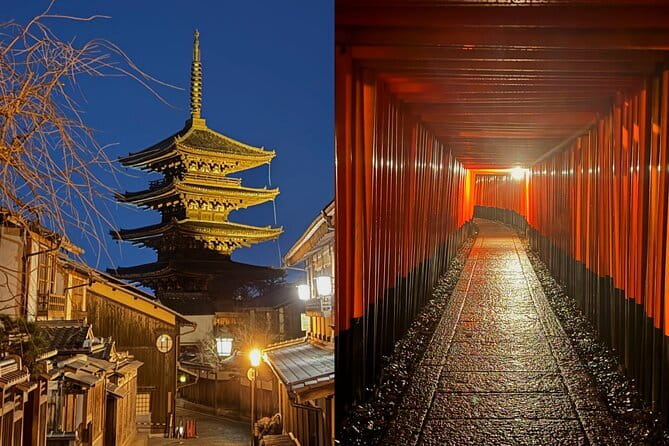
The third spring source is at Hiyoketemmangu, another brief stop of about 10 minutes. This shrine is revered as a fire-preventing deity.
Its story is tied to the Hamaguri-gomon Incident in the late Edo period. The area is said to have escaped a major fire, and later stories credited the shrine with protection from flames. This gives the stop a strong connection to the dangers that shaped life in historic Kyoto, a city with many wooden buildings and a long record of fires.
The lesson here is not just about a spring. It is about why people place trust in sacred sites. Water, fire, safety, and community memory come together in a compact visit.
Again, keep your expectations in check. Ten minutes is enough for the guide to explain the site and for you to take in its purpose, but not for a long independent exploration. The appeal is the sequence: three springs, three sets of beliefs, and one final tasting that ties them together.
More Tea and Sweets Making in Kyoto
- Kyoto: Japanese Traditional Sweets Making and Tea Ceremony
★ 4.4 · 314 reviews - Kyoto: Traditional Tea Ceremony with Matcha & Sweets in Gion
★ 4.9 · 27 reviews - 2 Types of Japanese Sweets making and Tea Ceremony
★ 4.6 · 17 reviews - Kyoto near Fushimiinari Wagashi making&Small Group Tea Ceremony
★ 5.0 · 14 reviews
Walking between the water sources

The tour is described as a walking experience through hidden spring water spots, but the practical information also says private transportation is not included. It begins and ends at Kyoto Station, while the stops are at shrines around the city.
That means you should check the exact meeting instructions and transportation plan before departure. The supplied details do not state whether the group uses public transit between distant points or how the journey from Kyoto Station is handled. Do not assume a private vehicle is waiting.
The total duration is about 2 hours and 40 minutes. The four listed visits account for roughly 70 minutes, so the rest of the time allows for walking, transfers, explanations, and the final tea experience. Wear comfortable shoes and leave room in your schedule for movement between stops.
This is not a good pick if you want to remain seated in one tea room for most of the afternoon. It is better suited to you if you like connecting food with streets, shrines, legends, and daily customs. The route gives the sweets more meaning because you have spent the earlier part of the experience learning where Kyoto’s water comes from and why people care about it.
Kameya Yoshinaga and the final tea
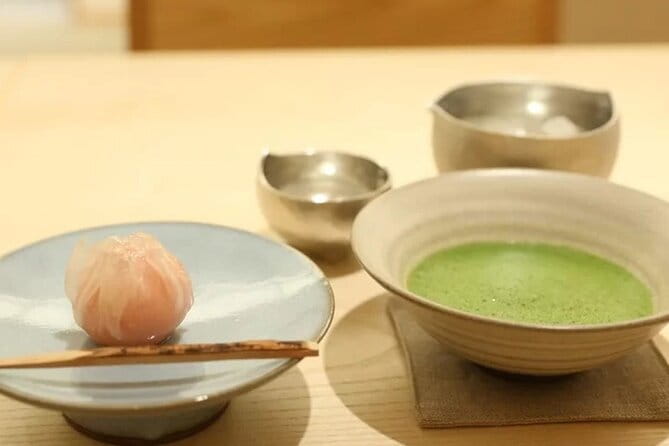
The tour ends at Kameya Yoshinaga, a Japanese confectionery founded in 1803. The final stop lasts about 30 minutes and includes a bowl of matcha prepared with spring water and namagashi, fresh Japanese sweets made especially for this experience.
This is the clear payoff. Namagashi are delicate seasonal-style confections designed to be eaten fresh, and the special pieces served here are not normally available in the shop. That makes the tasting feel tied to this particular outing rather than a generic tea stop you could easily reproduce elsewhere.
You can expect the matcha and sweets to be served together. The format is simple, but the context matters. After visiting sacred springs and learning about Kyoto’s water, you get to taste how that resource is used in two classic forms: finely whisked tea and carefully made confectionery.
The experience includes coffee and/or tea, specifically a bowl of matcha and sweets. No separate meal is included, so do not treat the final stop as lunch. If you are hungry, plan another meal before or after the tour.
The final tasting also gives the experience its strongest connection between old Kyoto and present-day life. Kameya Yoshinaga has operated since 1803, yet the focus remains direct and sensory: drink the tea, taste the sweet, and think about the water that helped make both possible.
What the two positive accounts tell you
The two available accounts point to the same strengths. One praised discovering less obvious places with a local guide, learning about Japanese culture, and finding the sweets excellent. The other valued the history connected to Yasaka Shrine, instruction in shrine customs, visits to small shrine sites, and the ritual hand-washing fountains before reaching the tea café.
Those details suggest that the best part is not any single attraction. It is the way the guide links small observations together. You learn how to approach a shrine, why a spring matters, and how those ideas lead into a tea setting.
No guide names are provided, so I cannot tell you who will lead your departure. What you can expect is a local-led format with room for cultural questions, rather than a self-guided route with only written directions.
The rating information supplied is inconsistent, showing a top rating but also displaying no numerical score beside the individual accounts. I would place more weight on the specific praise than on the number itself. The comments clearly favor the cultural explanation, spring sites, and sweets, but they do not provide enough detail to judge issues such as walking speed, accessibility, or transport comfort.
Price, group size, and overall value
At $80 per person, this is not the cheapest way to drink matcha in Kyoto. You could find tea and wagashi on their own for less.
The price makes more sense if you value the guided route and the access to sweets made specially for the experience. You are paying for about 2 hours and 40 minutes, three spring water visits, cultural interpretation, water tasting, shrine guidance, and the final matcha service at a confectionery with more than two centuries of history.
The maximum group size of six is another part of the value. A small group allows the guide to explain ritual details without addressing a crowd, and you can ask questions about the water, legends, and sweets. For a first visit to Kyoto, that personal attention may be more useful than a larger, cheaper food tour.
There are limits. Private transportation is not included, and the exact travel method between Kyoto Station and the stops is not specified. The booking requires at least two participants, with cancellation possible if that minimum is not reached. You should receive notice four days before departure in that case, with a full refund offered.
The standard cancellation policy is strict: the experience is non-refundable and cannot be changed for any reason. Only the operator’s failure to reach the minimum number creates the possibility of a full refund or alternate arrangement. Book once your plans are firm.
Who should book this Kyoto experience
I would recommend this tour if you enjoy:
- Small-group cultural experiences
- Japanese shrine customs and local legends
- Matcha, wagashi, and traditional food preparation
- Walking routes built around one clear theme
- Quiet, less obvious places rather than a checklist of major sights
- Experiences that connect religious practice with everyday food
It is especially useful early in a Kyoto visit. The shrine etiquette can help you feel more comfortable at other temples and shrines, and the water theme gives you a fresh way to understand the city.
I would hesitate if you want a full meal, a long tea ceremony, extensive time at each shrine, or a completely private vehicle. The itinerary moves through several locations, and each shrine stop is short. You also need to be comfortable with walking and with the possibility that some transport details require confirmation.
Most people can participate, and the tour is near public transportation. Still, the supplied information does not describe step-free access, walking distance, or the exact route between stops. If mobility is a concern, ask the operator before paying.
Should you book the Wakimizu tour?
Book it if the idea of tasting Kyoto through its water appeals to you. The strongest features are specific and hard to fake: three sacred spring sources, practical shrine customs, a very small group, and fresh namagashi prepared only for the experience.
Skip it if your priority is a long, formal tea ceremony or a relaxed café afternoon. This is a moving cultural walk with a short final tasting, not a full-day food tour.
For the right person, $80 is fair value. You receive more than tea and sweets, but the price depends on your interest in the story behind them. Confirm the Kyoto Station meeting instructions and transportation plan, make sure your schedule is firm, and book only if two hours and 40 minutes of walking, shrine visits, spring water, and matcha sounds like a good use of your Kyoto afternoon.
FAQ
How long does the Kyoto WAKIMIZU tour last?
The experience lasts approximately 2 hours and 40 minutes.
What time does the tour start?
The listed start time is 1:00 pm.
Where does the tour begin and end?
The tour begins and ends at Kyoto Station, at Higashishiokoji Kamadonocho, Shimogyo Ward, Kyoto, 600-8216, Japan.
Which spring water locations are included?
The route includes spring water sites at Yasaka Shrine, Nishiki Tenmangu, and Hiyoketemmangu.
Is matcha included in the price?
Yes. A bowl of matcha and sweets are included.
Where does the final tea experience take place?
The final tasting takes place at Kameya Yoshinaga, a Japanese confectionery founded in 1803.
Are the special namagashi available for regular purchase at the shop?
The namagashi served on this tour are specially made for the experience and are not usually available in the shop.
How many people can join the tour?
The tour has a maximum of six participants and requires at least two participants to operate.
Can I cancel for a refund?
The experience is non-refundable and cannot be changed for any reason. If the operator cancels because the minimum number of participants is not reached, you will be offered another date or experience, or a full refund.
Newly steeped around Kyoto
- Whisk Your Own Matcha: A Zen Matcha Experience at Temple★ 3.6 · 7 reviews
- Kyoto: Authentic Tea Ceremony in a Small Group★ 5.0 · 7 reviews
- Tea ceremony at Kyoto’s Zen Temple Teahouse★ 5.0 · 2 reviews
- Uji Walking Tour – Byodo-in temple and Tea Ceremony from Kyoto★ 3.5 · 3 reviews
- Tea Ceremony Experience in Traditional Kyoto Townhouse★ 5.0 · 19 reviews
- Tea Ceremony in 150 Years Old Townhouse with Tables and Chairs★ 5.0 · 22 reviews
- Silent Beauty of Kyoto Zen Walk and Tea Experience★ 5.0 · 2 reviews
- Traditional Tea Ceremony in Kyoto★ 4.5 · 3 reviews
Tea & Sweets Making, compared.

Matcha Making Class in Tokyo with Authentic Japanese Sweets Set
Read our review →
Tangier: Sunset, Tea, Sweets, Camel Ride, and Hercules Caves
Read our review →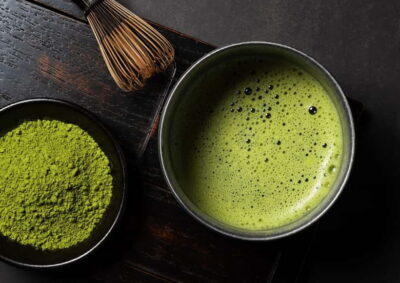
Tokyo: Matcha Making Experience with Mochi Sweets in Asakusa
Read our review →
Kyoto: Japanese Traditional Sweets Making and Tea Ceremony
Read our review →
Osaka: Matcha Making Experience with Japanese Sweets
Read our review →
Make Traditional Nerikiri Sweets & Matcha experience in Shibuya
Read our review →
Sweets Making and Kimono Tea Ceremony at Tokyo Maikoya
Read our review →
Kyoto: Traditional Tea Ceremony with Matcha & Sweets in Gion
Read our review →Browse the lists this tea experience appears in