
Review · TOKYO
Mochi Matcha Gluten Free Japanese Sweets Class near Shibuya area
The best part of this Tokyo activity is its small scale: Sakura teaches your group privately in her home, so you get hands-on help rather than a quick demonstration. I like the chance to make four different Japanese sweets, and I like that you leave with recipes instead of only a box of treats. The matcha focus also gives the class a clear Japanese flavor without requiring a full day.
The main consideration is price. At $112.01 per person for roughly two hours, this is not a cheap snack stop. You are paying for a personal lesson, a private setting, tea, an apron, and a recipe to use later. Also, the meeting point is in Sangenjaya, Setagaya, marketed as near the Shibuya area, not directly in central Shibuya.
Key points to know
- Four Japanese sweets in about two hours: You make several treats rather than focusing on mochi alone.
- Private instruction from Sakura: Your group receives direct help, with no larger class competing for attention.
- Gluten-free focus: The sweets are designed for gluten-free eating, making this useful for people who need to avoid gluten.
- Matcha and wagashi context: Sakura explains the background of Japanese sweets while you work.
- Recipes to take home: You can repeat the class with family and friends after returning home.
- Indoor activity near Shibuya: The class works well in hot, wet, or otherwise unhelpful Tokyo weather.
What the two-hour mochi class is really like
This is a practical cooking workshop, not simply a tasting session. You arrive at the meeting point at 1-chōme-11-13 Sangenjaya, in Setagaya City, and return there when the lesson ends. The activity is described as being near public transportation, though the supplied details do not name a particular station or give walking directions, so check the exact route before setting out.
Sakura welcomes you into her home and private kitchen. That setting matters. You are not standing behind a shop counter watching a production line. You are working in a personal space, with the chance to ask questions as you go and receive corrections when a texture or shape needs attention.
The class lasts about two hours. That is long enough to make several sweets without turning the activity into a full cooking course. You should expect the pace to include instruction, preparation, shaping, and an explanation of the sweets themselves.
The exact recipes are not listed in the supplied information, apart from matcha green tea mochi and the wider category of wagashi, or traditional Japanese sweets. You should therefore book this for the hands-on format and the chance to make four sweets, rather than for a guaranteed list of named desserts beyond mochi.
More Matcha Experiences in Tokyo
- Matcha Making Class in Tokyo with Authentic Japanese Sweets Set
★ 5.0 · 744 reviews - Tokyo: Matcha Making Experience with Mochi Sweets in Asakusa
★ 4.9 · 388 reviews - Asakusa Cultural Walk & Matcha Making Tour
★ 5.0 · 245 reviews
Making matcha mochi and three other sweets
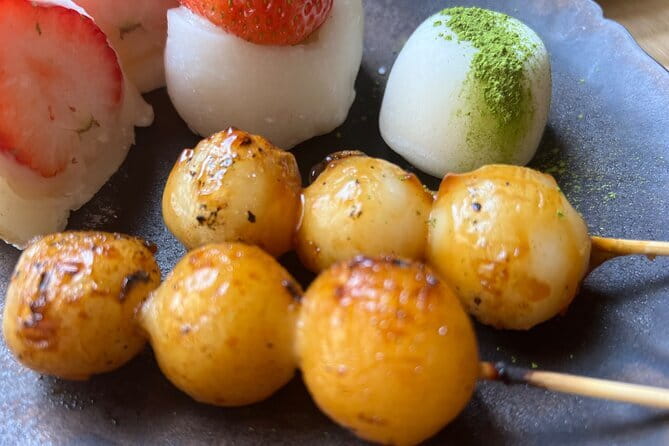
Mochi is the natural anchor for this class. Its appeal is partly culinary and partly tactile. You work with a soft, springy texture that feels very different from ordinary Western baking, and the shaping stage gives you something physical to practise rather than merely watching Sakura do it.
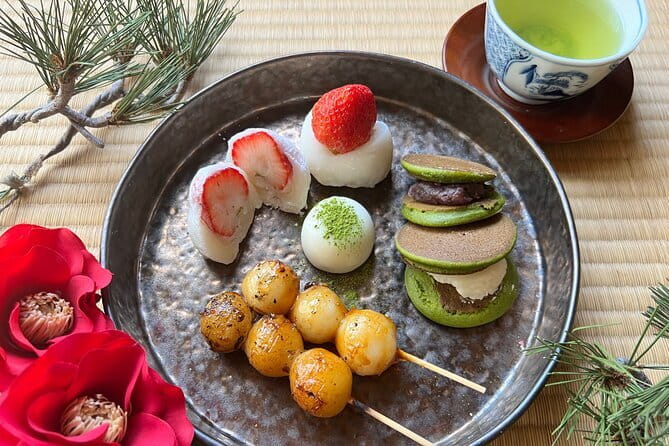
The matcha element keeps the lesson tied to Japan. Matcha brings a green tea flavor and a familiar visual cue, making the finished sweets especially suitable for photos. The class also explains where mochi comes from and how Japanese sweets fit into local food culture, so you are not just following a recipe without context.
You make four different types of sweets together. That variety is a strong reason to choose this class over a short mochi demonstration. It lets you compare textures, methods, and finished shapes within one sitting. The tradeoff is that two hours can only provide an introduction. You will gain useful practice, but not the depth of a professional pastry course.
Sakura supplies a recipe for you to take home. This is one of the most useful details of the activity. Many food classes end when the plate is empty, but a written recipe gives you a chance to recreate the sweets for friends and family. If you want to cook at home, take notes during the class and ask Sakura to clarify any step that seems easy to forget.
Why the gluten-free setup matters
For anyone with celiac disease or a need to avoid gluten, Japanese sweets can be difficult to navigate. Traditional-looking desserts do not automatically guarantee safe ingredients or preparation, so a class built around gluten-free sweets removes much of that uncertainty.
The activity specifically presents the Japanese sweets as gluten-free, and one attendee with celiac disease found the class suitable. That makes this a more useful food activity than a standard Tokyo dessert tour for people who must manage gluten carefully.
Still, you should tell the provider about your needs before the class. The information supplied does not spell out allergen controls, cross-contact procedures, or whether every ingredient used in the home is free from other allergens. Gluten-free is the stated focus, but it should not be treated as a blanket promise for every dietary condition.
The class also describes Japanese sweets as low in fat and healthy. I would treat that as a general description, not a reason to consider the desserts health food. You are taking a cultural cooking class, and the real benefit is learning how the sweets are made and how to repeat them.
Learning with Sakura in her home
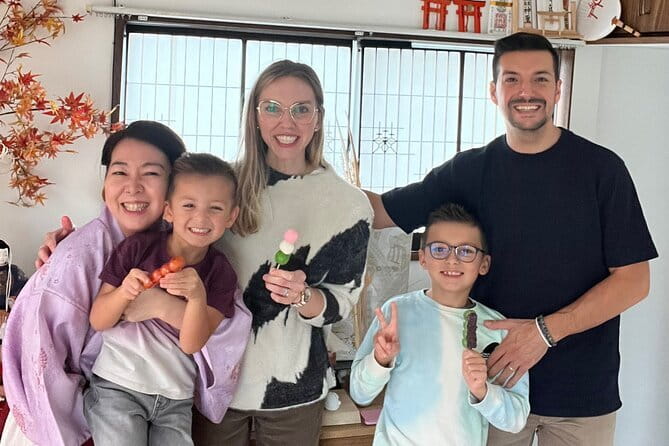
Sakura is a qualified, professional teacher with experience teaching children. Her style is described as patient, clear, welcoming, and easy to approach. She speaks excellent English, which is important when a lesson depends on texture and technique rather than a simple recipe sheet.
A private class changes the feel of the activity. If your group is the only one booked, Sakura can slow down, repeat a step, or spend more time explaining the cultural meaning of a sweet. Solo participants have also been able to receive the full lesson alone, which can make the $112.01 price easier to understand.
Families should take note of the child-friendly teaching style. Mochi is appealing to children because the shaping process is hands-on, and Sakura has experience teaching kids. You will still need to decide if your child can manage a two-hour lesson, but the class is not presented as an adults-only activity.
The home setting is comfortable and personal, but it may not suit everyone. If you prefer a polished studio, commercial kitchen, or large school with formal facilities, this can feel informal. If you value meeting a local teacher in her own space, the informality is part of the appeal. A small dog named Chocolate may also be present, based on the class experience described by one participant, so keep that in mind if anyone in your group is uncomfortable around dogs.
More Tea and Sweets Making in Tokyo
- Make Traditional Nerikiri Sweets & Matcha experience in Shibuya
★ 5.0 · 130 reviews - Sweets Making and Kimono Tea Ceremony at Tokyo Maikoya
★ 5.0 · 57 reviews - Japanese Traditional Sweets making and Tea Ceremony
★ 4.7 · 50 reviews - Tokyo: Two Types of Japanese Sweets Making and Tea Ceremony
★ 4.6 · 26 reviews
Tea, aprons, and the finished dessert table
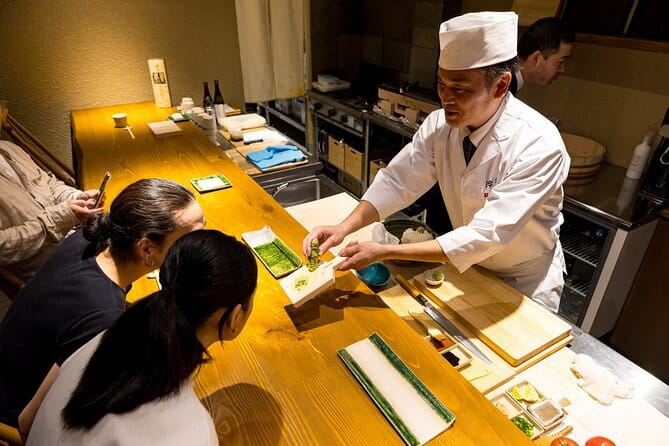
An apron is included, which is a small but useful touch. You can focus on the food without worrying quite as much about your clothing. Japanese green tea is also included, along with coffee and tea options. Alcohol is not included, though it would be out of place in this particular lesson.
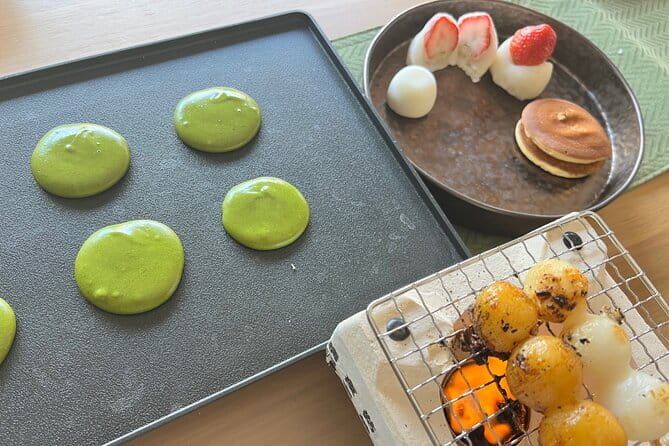
After making the sweets, you can arrange them on a photo-op table. This is more than a decorative extra. Japanese sweets are often carefully shaped and visually neat, so taking a few photos gives you a record of the work before you eat it. The table also lets you present the finished desserts rather than photographing them casually on a work surface.
I like this part because it gives the class a clear ending. You cook, learn, arrange, photograph, and then taste what you made. It is a simple sequence, but it makes the two hours feel like a complete activity rather than a loose cooking demonstration.
The information does not promise that you take all four types of sweets away with you, so assume the main outcome is the in-class tasting plus the recipe. If you need packed food for later, ask Sakura before booking.
The Sangenjaya location near Shibuya
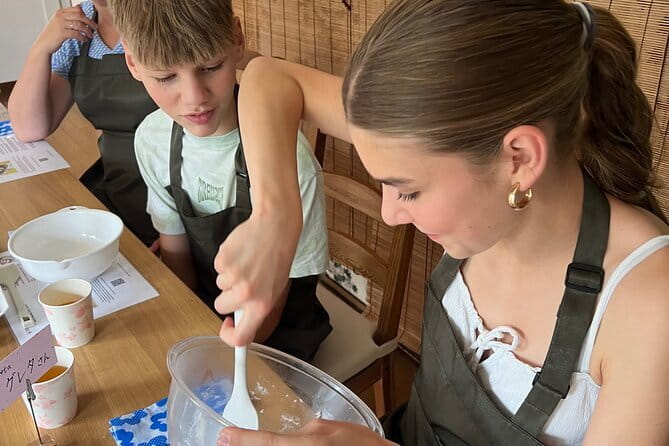
The experience is promoted as being near the Shibuya area, but the stated meeting point is in Sangenjaya, Setagaya City. This distinction matters when planning your day. You are not meeting at the famous Shibuya Crossing or inside a central department store.
Sangenjaya gives the class a neighborhood feel, while the private-home setting takes you away from the usual sightseeing circuit. That can be a welcome change after shopping, museums, and crowded streets. You also have a practical indoor plan if Tokyo is extremely hot or rainy.
The exact travel time from your hotel is not provided. The meeting point is near public transportation, but you should use the full address when planning and allow enough time to find a residential home. Since the class ends at the same place where it starts, it is easy to continue your day from Sangenjaya once the lesson is over.
The location is best treated as a planned appointment, not a drop-in activity. Confirmation is sent within 48 hours of booking, subject to availability, and the class is usually booked about 38 days ahead. That booking pattern suggests you should reserve early if the lesson is important to your schedule.
Is $112.01 per person good value?
The cost is $112.01 per person. For a two-hour activity, that is a substantial price, especially if you are comparing it with buying mochi from a shop. But a shop purchase gives you dessert only. This class gives you instruction, four sweets to make, tea, an apron, cultural background, a private setting, direct help from Sakura, and recipes for later.
The value improves for people who want more than a taste. If you are gluten-free, the class solves a practical food problem while giving you a chance to make sweets safely within the stated focus. If you are travelling with children, the private format may also be worth paying for because the lesson can be more patient and personal than a busy group workshop.
The value is weaker if you simply want to eat matcha mochi or if your Tokyo schedule is tight. You can find Japanese sweets in shops for far less money, and the class takes two hours plus travel time to Sangenjaya. It is a good purchase for a meaningful activity, not the cheapest way to get dessert.
Group discounts are available, though no discount amount is provided. Ask about the current rate if you are booking for several people. Because the activity is private, the cost structure may make more sense for a family or small group than for one person paying alone.
Who should book this Japanese sweets class?
I would recommend it most strongly to:
- People with celiac disease or gluten-free diets who want a Japanese dessert activity
- Families looking for an indoor, child-friendly activity
- Couples or friends who prefer a private lesson
- Food-focused visitors who want a recipe to use at home
- Matcha and mochi fans who want to learn rather than simply buy sweets
- Anyone looking for a quieter neighborhood activity outside the main Shibuya crowds
You may want to skip it if you dislike home-based activities, need a fully specified professional kitchen, or have only a short stop in Tokyo. It is also not the right choice if your priority is a broad food tour, since the focus stays on Japanese sweets.
The activity works especially well near the end of a trip. You can learn recipes, take photos, and bring the idea home as a practical souvenir. One family used it as a surprise for a daughter who loved mochi, and that is a good clue to the class’s appeal: it feels personal without requiring advanced cooking skills.
Booking, cancellation, and practical planning
The tour is offered as a mobile ticket and includes free cancellation up to 24 hours before the local start time. If you cancel less than 24 hours ahead, you should expect no refund, and changes within that window are not accepted.
The activity is private, so only your group participates. That makes the class more flexible in spirit, but the supplied information does not promise a choice of lesson times or special menu changes. Contact the provider if you have a serious allergy, mobility concern, or other requirement that could affect a home cooking class.
Bring your booking details and arrive with enough time to locate the address. The class begins and ends at the same meeting point, and the exact address should be more useful than simply searching for Shibuya.
Should you book the matcha mochi class?
Book it if you want a personal, gluten-free Japanese cooking lesson rather than a quick dessert stop. Sakura’s English instruction, child-friendly approach, private home setting, four-sweet format, recipes, and photo table give the activity a clear purpose and a memorable finish.
Think twice if $112.01 feels high for two hours or if you want a formal culinary school setting. For the right person, though, the price buys more than mochi. You get a local teacher, practical skills, a calm indoor plan, and a recipe you can use long after Tokyo is behind you.
FAQ
How long does the mochi and Japanese sweets class last?
The class lasts approximately two hours.
Where does the activity meet?
It starts at 1-chōme-11-13 Sangenjaya, Setagaya City, Tokyo 154-0024, Japan, and ends back at the same meeting point.
Is the class private?
Yes. Only your group participates in this private activity.
How many sweets will I make?
You will make four different types of Japanese sweets during the lesson. Matcha green tea mochi is specifically included.
Is the class gluten-free?
The class focuses on gluten-free Japanese sweets. If you have celiac disease or another serious dietary concern, contact the provider before booking to discuss your needs.
Is tea included?
Yes. Japanese green tea, along with coffee and tea options, is included. Alcoholic beverages are not included.
Can I cancel for a full refund?
Yes, if you cancel at least 24 hours before the experience start time. Cancellations made less than 24 hours in advance are not refunded, and changes within that period are not accepted.
Newly steeped around Tokyo
- Yokohama : Tea Ceremony with Sweets and Souvenir★ 5.0 · 5 reviews
- Walking Tour: Yanaka,Nezu& Sendagi: Tea Ceremony & Old Tokyo★ 5.0 · 3 reviews
- Private Mochi・Matcha sweets Making Class Near Shibuya Area★ 5.0 · 22 reviews
- 2 Hours Mochi &Nerikiri Making & Matcha Class in Bunkyo★ 5.0 · 21 reviews
- Private Kimono and tea ceremony at local home near Tokyo Disney★ 5.0 · 6 reviews
- Kimono and Tea Ceremony in Asakusa Private Food Tour With Guide★ 5.0 · 4 reviews
- Giant Sushi Cooking Class: Make a 1.5m Sushi Roll in Tokyo★ 5.0 · 9 reviews
- Tokyo Tea Ceremony Class at a Traditional Tea Room★ 5.0 · 2 reviews
Tea & Sweets Making, compared.
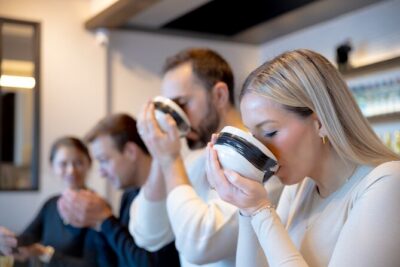
Matcha Making Class in Tokyo with Authentic Japanese Sweets Set
Read our review →
Tangier: Sunset, Tea, Sweets, Camel Ride, and Hercules Caves
Read our review →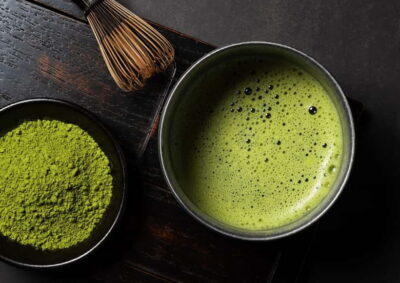
Tokyo: Matcha Making Experience with Mochi Sweets in Asakusa
Read our review →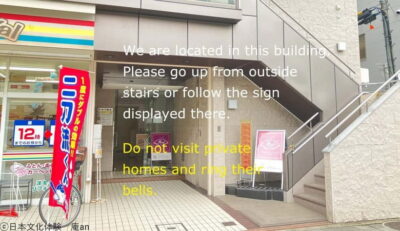
Kyoto: Japanese Traditional Sweets Making and Tea Ceremony
Read our review →
Osaka: Matcha Making Experience with Japanese Sweets
Read our review →
Make Traditional Nerikiri Sweets & Matcha experience in Shibuya
Read our review →
Sweets Making and Kimono Tea Ceremony at Tokyo Maikoya
Read our review →
Kyoto: Traditional Tea Ceremony with Matcha & Sweets in Gion
Read our review →Browse the lists this tea experience appears in