
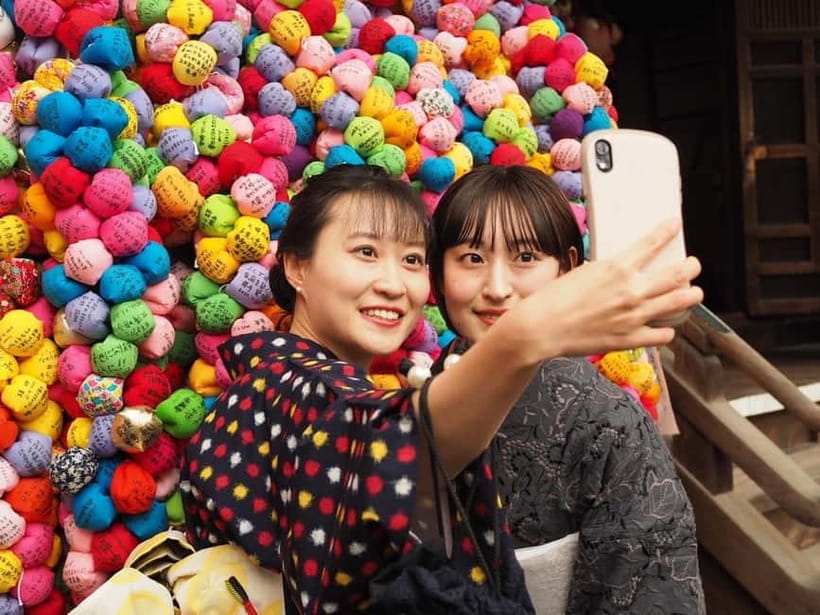
Review · KYOTO
Kyoto: Kimono Rental and Matcha Experience
Kyoto’s traditional streets make a fine stage for a kimono, and this experience pairs the photo-friendly part with something more meaningful: learning to whisk your own matcha in a tatami room. I like the one-minute location from Kyoto Station and the included taxi to the Kiyomizu area, which saves you from figuring out local transport while dressed in formal clothing. I also like that English-speaking staff guide you through the tea steps.
The main drawback is time planning. The activity is described as lasting one day, but the tea session itself takes about 30 minutes, with the rest left for dressing, transport, and your own walk. You also need to pay for transport after the experience if you do not return to the rental shop.
Key points to know
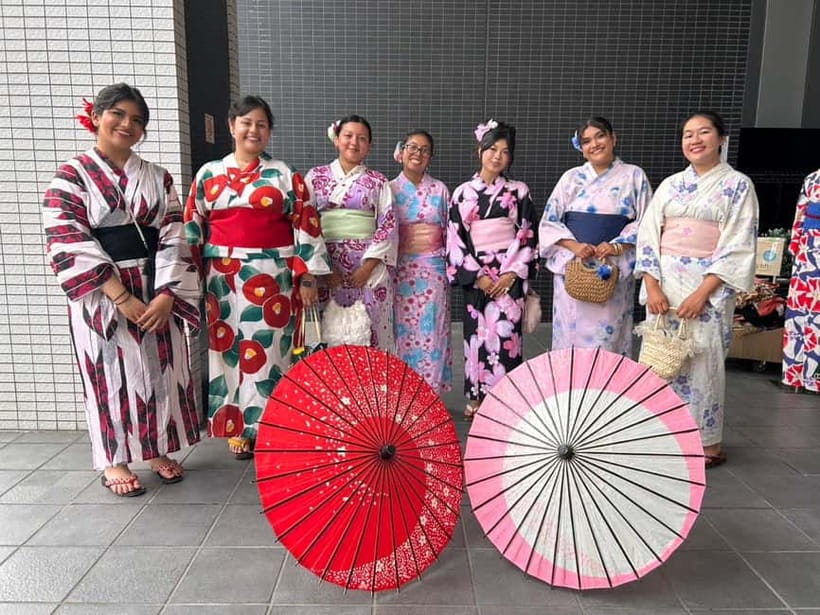
- Start beside Kyoto Station: MK Kimono Rental Mimosa Hachijo-guchi Store is about one minute from the station’s Hachijo exit.
- Everything for the outfit is supplied: Your set includes a kimono or summer yukata, obi belt, socks, shoes, bag, and innerwear.
- Learn matcha in a tatami room: At Ichinenzaka 362 Café, English-speaking staff show you how to whisk a bowl of frothy tea.
- A taxi takes you one way: The private taxi from the Kyoto Station area to the Kiyomizu area is included.
- You get time for Kyoto photos: After tea, stroll around Ichinenzaka and the streets near Kiyomizu-dera in traditional dress.
- Return timing matters: Standard kimono return is by 5:30 pm, with next-day return available for an additional fee.
Start at Kyoto Station with an easy kimono fitting
The practical strength of this experience is its starting point. You meet at MK Kimono Rental Mimosa, in front of the Hachijo exit of Kyoto Station. That is a useful choice if you are arriving by train, carrying luggage, or fitting this activity into a busy day in Kyoto.
The shop is said to be only one minute from the station. Still, pay close attention to the exact meeting point. Kyoto Station has several exits, underground passages, hotels, and shopping areas, so heading to the wrong side can cost you time. The correct starting point is the Hachijo-guchi Store in the Kyoto Station area.
English-speaking staff are available throughout the experience. That matters at the fitting stage, where you may need help choosing a style, understanding what is included, or asking how long the dressing process will take.
Your standard set includes the kimono, obi belt, socks, shoes, bag, and innerwear. In summer, the kimono is replaced with a yukata, a lighter and less formal garment. Men receive a haori jacket in winter. Free luggage storage is also available, a welcome detail if you have arrived with bags or want to spend the afternoon without carrying them.
The clothing package is one reason the $50 price feels reasonable. You are not paying only for a costume rental. The price also covers the matcha activity and the one-way taxi to the Kiyomizu area. Hair styling was included in one recent booking, but it is not listed as part of the standard package, so ask the shop directly if that detail matters to you.
More Kimono and Tea Ceremonies in Kyoto
- Kimono Tea Ceremony at Kyoto Maikoya, NISHIKI
★ 5.0 · 911 reviews - Kyoto: Kimono Tea Ceremony at Orizuruya Gion
★ 4.9 · 618 reviews - KYOTO Tea Ceremony with kimono near by Imamiya Jinjya Shrine
★ 5.0 · 343 reviews
What wearing the kimono means for your afternoon
A kimono changes the pace of a sightseeing day. You will probably take smaller steps, pay more attention to uneven pavement, and think twice before carrying a large bag. That is not a bad thing. The old streets around Kiyomizu are best enjoyed slowly, and traditional clothing encourages you to notice the wooden houses, shopfronts, and narrow lanes.
The outfit also makes the photo portion feel connected to the setting. Instead of simply posing in front of a temple, you are dressed in a way that fits the visual character of Kyoto’s older streets.
The shop supplies shoes, but the activity does not specify the exact style or heel height. If you are concerned about walking comfort, ask about the footwear before dressing. The area near Kiyomizu includes sloping streets and traditional lanes, so comfort is more useful than fashion once you leave the café.
You are free to explore in the kimono after the matcha session. The experience is not a tightly controlled guided walking tour, which gives you room to take photos, browse shops, and set your own pace. The tradeoff is that no detailed sightseeing commentary or temple tour is promised.
The taxi ride to Ichinenzaka 362 Café
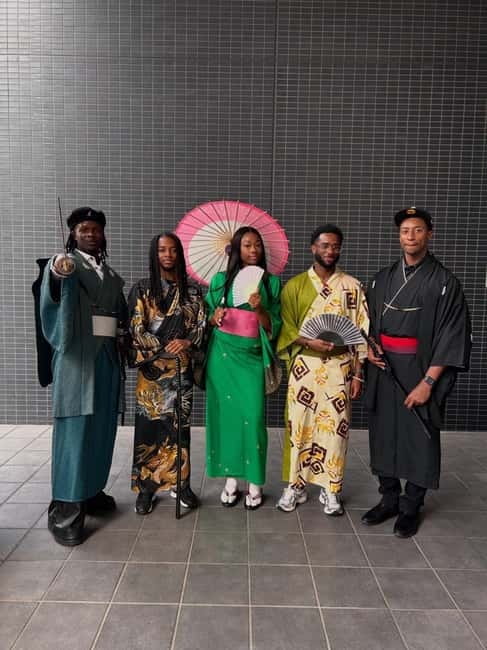
After dressing, you take a private taxi from the Kyoto Station area to Ichinenzaka 362 Café near Kodaiji Temple. The ride is listed at about 20 minutes, although actual road time can vary.
This included transfer is more useful than it may sound. Getting from Kyoto Station to the Kiyomizu area requires planning, and navigating buses or trains while wearing a kimono may not be appealing. The taxi takes you directly to the tea portion without asking you to solve that problem.
The ride is one way only. Transportation after the experience is not included, so you need to decide where you will change clothes and how you will get there. You can return the kimono at the location where you enjoyed matcha, or go back to the Kyoto Station shop and change there. The trip back to the station is not included in the $50 price.
If you plan to keep exploring Kyoto after the activity, the first option may be simpler. If you have luggage stored at the station or a train to catch, returning there may be more convenient, but you will need to arrange and pay for that transport yourself.
A quiet matcha lesson in a renovated townhouse
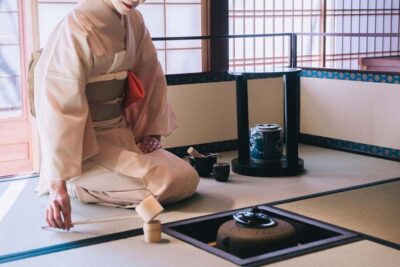
Ichinenzaka 362 Café offers the most distinctive part of the activity. The matcha session takes place in a tatami room inside a renovated townhouse near Kodaiji Temple. This setting gives the tea lesson a stronger sense of place than a standard café table would.
You first watch a short tea ceremony. Then an English-speaking staff member guides you as you whisk your own matcha. You receive your own bowl of tea, and the focus is on taking part rather than simply watching someone else prepare it.
For a first introduction to Japanese tea, this is a sensible format. You see the process, then repeat the main action yourself. The lesson is short, around 30 minutes, so it should be manageable even if you are fitting it between other Kyoto sights.
Do not expect a full study of tea ceremony traditions. The information provided describes a short demonstration and hands-on matcha preparation, not an extended formal ceremony. That limitation is worth knowing, especially if you already have a serious interest in tea culture.
The setting helps make the short session feel special. Sitting on tatami in a townhouse near Kodaiji connects the drink with Kyoto’s older residential architecture. You are not just ordering matcha and moving on. You are given a small, structured introduction to how it is prepared.
The staff’s manner is another strong point. Specific staff names are not provided, but English support is available, and the service has been described as welcoming and kind. That is especially helpful when you are learning a new process and want to ask questions without worrying about a language barrier.
More Matcha Experiences in Kyoto
- Kyoto: Arashiyama Bamboo Forest, Monkeys, Matcha & Temple Tour
★ 5.0 · 759 reviews - Kyoto: Tea Ceremony Meditation – Make Matcha with Tea Master
★ 4.8 · 406 reviews - Kyoto: Kimono Tea Ceremony with Matcha and Sweet
★ 4.9 · 249 reviews - Kyoto: Arashiyama Bamboo, Temple, Matcha, Monkeys & secret spots
★ 5.0 · 219 reviews
Free time around Ichinenzaka and Kiyomizu-dera
After tea, you can stroll through the old streets near Kiyomizu-dera. Ichinenzaka, the area around Ninenzaka, and the lanes leading toward the temple are known for traditional wooden buildings and small shops. The experience description specifically points you toward the Kiyomizu area for photos, not toward a guided temple visit.
That distinction matters. Your admission to Kiyomizu-dera is not listed as included, and the activity does not promise a temple tour. If entering the temple is part of your plan, treat it as a separate stop and check the time you have available.
The photo opportunities are likely to be strongest in the older streets, where the kimono matches the architecture. You can take pictures among traditional shops and wooden houses, but remember that these are public sightseeing areas. You may encounter other people, shop customers, and regular street activity rather than an empty film set.
The best approach is to allow yourself time instead of rushing from pose to pose. Walk a short stretch, pause for photos, and enjoy the setting. The tour gives you the clothes and the route to the area, but your free time is what turns the rental into a personal Kyoto outing.
Because you are wearing rented clothing, take care around food, drinks, rain, and crowded lanes. The supplied information does not state a damage policy, so ask about any clothing restrictions before leaving the shop.
Understanding the $50 value
At $50 per person, the price covers three useful pieces: the kimono rental, the matcha experience, and a one-way taxi from Kyoto Station to the Kiyomizu area. You also receive the accessories needed to complete the outfit and free luggage storage at the rental shop.
That is fair value for someone who already wants both a kimono outing and a tea activity. Booking them together saves you from arranging separate locations and transport. The station meeting point also makes the beginning simple.
The value is less clear if you only want a quick photo rental. In that case, the matcha session and taxi are part of the cost whether or not they are your main interest. Likewise, serious students of tea ceremony may want a longer and more formal lesson than this 30-minute introduction offers.
The free time improves the price calculation. You are not rushed back into regular clothes after tea. You can continue walking around the Kiyomizu area in the kimono, then return the outfit at the café area or the station shop.
Keep additional expenses in mind. Transport after the experience is not included, and next-day kimono return costs extra. Returning from 9:00 am to 10:00 am the next day costs 1,100 yen, while return between 10:00 am and 6:00 pm costs 2,200 yen.
Timing, clothing returns, and practical limits
Kimono rental hours are 9:00 am to 6:00 pm. The last check-in is 3:00 pm, and standard return is by 5:30 pm. The café operates from 10:00 am to 6:00 pm, with last order at 5:30 pm.
Those hours make a morning or early afternoon start the safest choice. A late check-in could leave you with too little time for tea and photos, especially if you want to visit Kiyomizu-dera as well.
The next-day return option is useful if you want a longer outing, but it comes with a fee. It also means you remain responsible for the rented clothing until return. Ask about the exact return point when you arrive, especially if you plan to change near the café rather than at the station.
The activity is not suitable for pregnant women or people over 95 years old. Pets are not allowed, and alcohol and drugs are prohibited. The group type is private, which gives your party a more personal setting rather than placing you in a large shared group.
The experience is available with English instruction. No other language is specified, and no guide names are provided.
Who will enjoy this Kyoto experience most
I would recommend it most to couples, families, and first-time Kyoto visitors who want a polished cultural activity without spending a full day in a formal class. It also suits anyone who wants good photos but would rather pair them with a real tea-making activity.
It is particularly practical for people staying near Kyoto Station or arriving by train. Starting beside the station, storing luggage, and receiving a taxi to the Kiyomizu area removes several small travel chores.
You should think twice if you dislike dressing up, have trouble walking in traditional footwear, or want a highly detailed historical tour. The focus is on wearing the clothes, learning a short matcha routine, and exploring independently afterward.
The private format is useful for couples and small groups who want to move at their own speed. It also makes the English guidance easier to follow. The activity does not specify a maximum group size, so confirm the details if you have a larger party.
Booking and cancellation details
You can cancel up to 24 hours before the activity for a full refund. The reserve-now, pay-later option lets you hold a place without paying at the time of booking, which is useful when your Kyoto schedule is still shifting.
Check availability for the starting time, then plan around the 3:00 pm last check-in and the 5:30 pm standard return. Bring the exact meeting point information with you, since going to the wrong Kyoto Station exit is the easiest avoidable mistake.
Should you book it?
Book this experience if you want three things in one outing: a complete kimono outfit, a short hands-on matcha lesson, and free time for photos near Kiyomizu-dera. The station location, included taxi, English guidance, and luggage storage make it unusually easy to fit into a Kyoto itinerary.
Skip it if you want a long tea ceremony, a fully guided tour of Kiyomizu, or a simple low-cost costume rental without extra activities. For most first-time visitors, though, the $50 price is sensible because it joins the dressing, tea, and old-street setting into one manageable plan.
FAQ
Where does the kimono experience begin?
It begins at MK Kimono Rental Mimosa Hachijo-guchi Store, about one minute from Kyoto Station near the Hachijo exit.
What is included in the kimono set?
The standard set includes a kimono or summer yukata, obi belt, socks, shoes, bag, and innerwear. Men also receive a haori jacket in winter.
Is transportation included?
A one-way private taxi from the Kyoto Station area to the Kiyomizu area is included. Transportation after the experience is not included.
What happens during the matcha activity?
At Ichinenzaka 362 Café, you watch a short tea ceremony in a tatami room, then whisk your own matcha with guidance from English-speaking staff.
When must the kimono be returned?
Standard return is by 5:30 pm. The rental shop is open from 9:00 am to 6:00 pm, with last check-in at 3:00 pm.
Can I return the kimono the next day?
Yes. Return between 9:00 am and 10:00 am costs an additional 1,100 yen. Return between 10:00 am and 6:00 pm costs an additional 2,200 yen.
Newly steeped around Kyoto
- Whisk Your Own Matcha: A Zen Matcha Experience at Temple★ 3.6 · 7 reviews
- Kyoto: Authentic Tea Ceremony in a Small Group★ 5.0 · 7 reviews
- Tea ceremony at Kyoto’s Zen Temple Teahouse★ 5.0 · 2 reviews
- Uji Walking Tour – Byodo-in temple and Tea Ceremony from Kyoto★ 3.5 · 3 reviews
- Tea Ceremony in 150 Years Old Townhouse with Tables and Chairs★ 5.0 · 22 reviews
- Tea Ceremony Experience in Traditional Kyoto Townhouse★ 5.0 · 19 reviews
- Sencha-do the Japanese Tea Ceremony Workshop in Kyoto★ 5.0 · 21 reviews
- Silent Beauty of Kyoto Zen Walk and Tea Experience★ 5.0 · 2 reviews
Kimono & Tea Ceremony, compared.


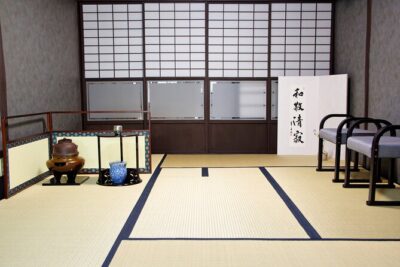
KYOTO Tea Ceremony with kimono near by Imamiya Jinjya Shrine
Read our review →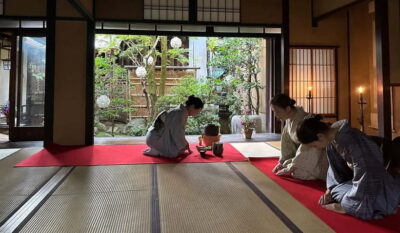
Kyoto: Kimono and Tea Ceremony Experience at Cultural Asset
Read our review →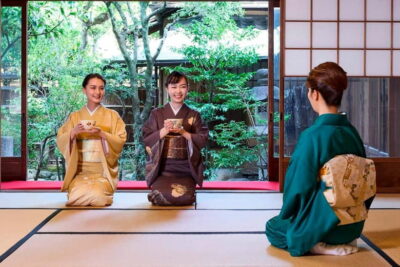
Kyoto: Kimono Tea Ceremony with Matcha and Sweet
Read our review →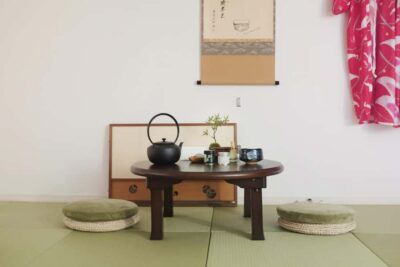
Tokyo: Asakusa Kimono Dressing and Matcha Experience
Read our review →Browse the lists this tea experience appears in