
Review · KYOTO
Kyoto: Kimono Tea Ceremony with Matcha and Sweet
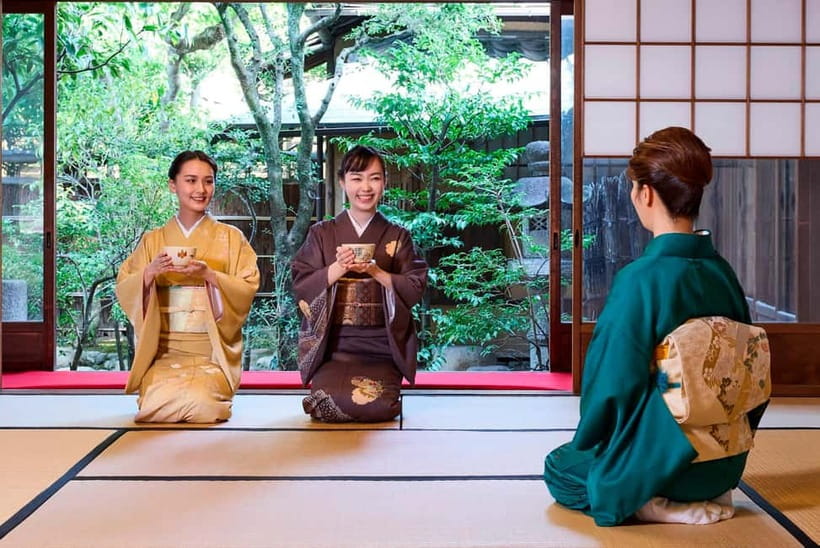
The most memorable part of this Kyoto experience is the change of pace. You begin by choosing a kimono and having it fitted, then enter a quiet tea room where every tool has a place and every movement has a reason. You prepare your own matcha, eat a seasonal wagashi sweet, and learn the ideas of harmony, respect, purity, and tranquility behind the ceremony.
I like the wide choice of kimonos and the patient help with dressing, hair, and photos. I also like the clear English guidance, especially when the tea master explains not just what to do, but why the ritual matters. One thing to consider: this is a hands-on cultural workshop, so you make your own tea rather than simply watching a tea master serve it.
Key points to know
- Kimono fitting comes first: Choose your outfit, obi, socks, and, for women with long hair, receive hair styling before entering the tea room.
- You make your own matcha: The tea master demonstrates the process, then guides you as you whisk a bowl with premium matcha.
- Seasonal wagashi are included: The traditional sweet changes in color, flavor, and design throughout the year.
- English instruction keeps the ceremony accessible: Staff explain the history, utensils, etiquette, and Zen principles in English.
- Comfort is flexible: Tatami seating is customary, but bamboo chairs can be arranged in advance.
- Plan for more than 90 minutes: Dressing is part of the experience, and the full session can last 90 to 120 minutes.
Why the kimono changes the tea ceremony
A tea ceremony can be meaningful on its own, but the kimono fitting gives this activity a clear sense of occasion. You do not simply walk into a tea room, sit down, and drink matcha. You first choose traditional clothing, learn how it is assembled, and spend time seeing yourself in it.
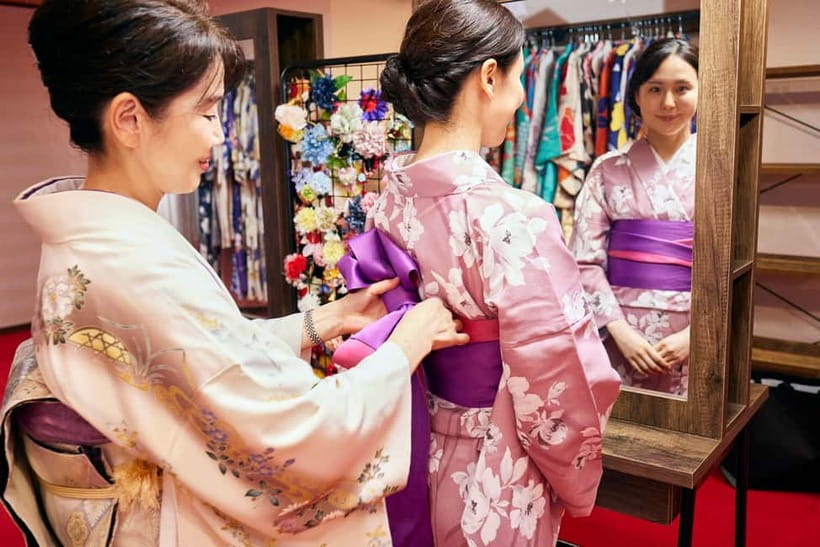
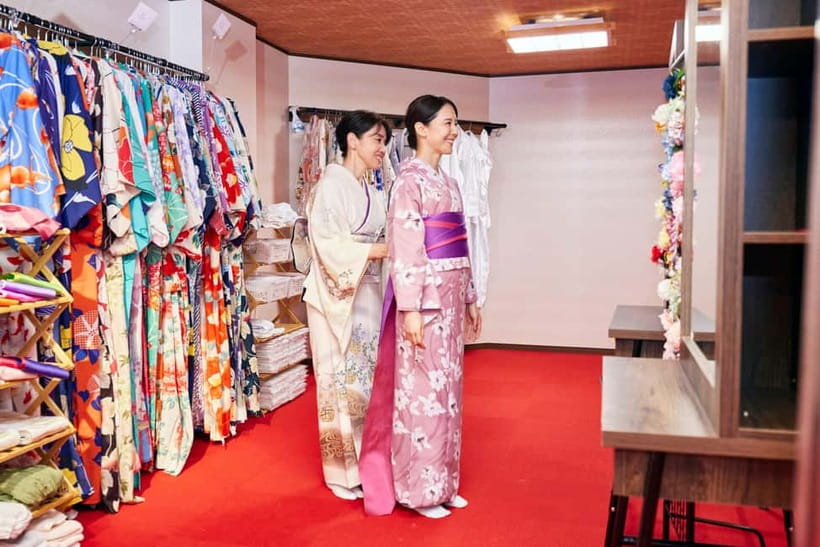
The selection includes different patterns, sizes, and obi. Staff help you choose a combination that works, then dress you carefully. For women with long hair, hair styling is included. This is a useful touch because the outfit feels complete rather than like a costume thrown on for a quick photograph.
The dressing process is also one of the most enjoyable cultural parts. You get a small lesson in how the layers, socks, belt, and accessories fit together. The process can be fairly quick, though, so arrive ready to begin. One person wished for more time to apply makeup before dressing, which is worth considering if you are planning polished photographs.
Once dressed, you have time for pictures before and after the ceremony. Some people also use nearby photo locations, and one past participant recommended a professional selfie studio down the road. The kimono is available for up to two hours after the ceremony according to one account, but confirm the exact arrangement when you arrive, since the stated activity duration is 90 to 120 minutes.
More Kimono and Tea Ceremonies in Kyoto
- Kimono Tea Ceremony at Kyoto Maikoya, NISHIKI
★ 5.0 · 911 reviews - Kyoto: Kimono Tea Ceremony at Orizuruya Gion
★ 4.9 · 618 reviews - KYOTO Tea Ceremony with kimono near by Imamiya Jinjya Shrine
★ 5.0 · 343 reviews
Choosing a kimono and getting ready
The staff take an active role in the preparation. You choose your kimono, and they help with the fit, obi, socks, and hair. This is not a self-service rental where you are handed an outfit and left to sort it out.
The range of choices is one of the strongest parts of the experience. You can look for a color and pattern that suits you, then select an obi to complete the outfit. Women with long hair receive styling, and one participant especially enjoyed choosing flowers for her hair.
Men are included too. The clothing may be less elaborate than the women’s selection, but the experience is designed for couples, families with older children, and mixed groups. One couple arrived expecting the wife to wear a kimono, only to find that the husband also changed into Japanese clothing. That is a good reminder that this is not only a dress-up activity for women.
The fitting itself may feel more practical than ceremonial. Staff need to prepare everyone within the scheduled time, so you should not expect a slow, private styling session. If photographs matter to you, arrive with your hair and makeup mostly finished.
Entering the tea room on tatami
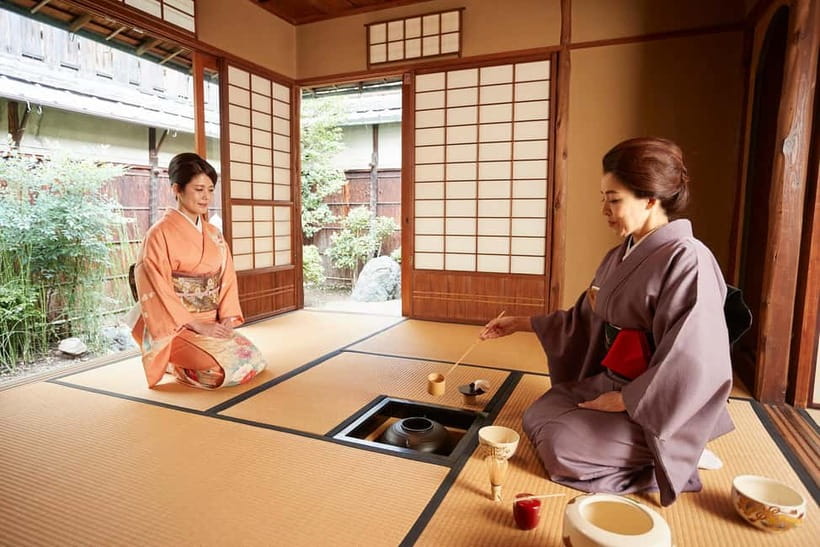
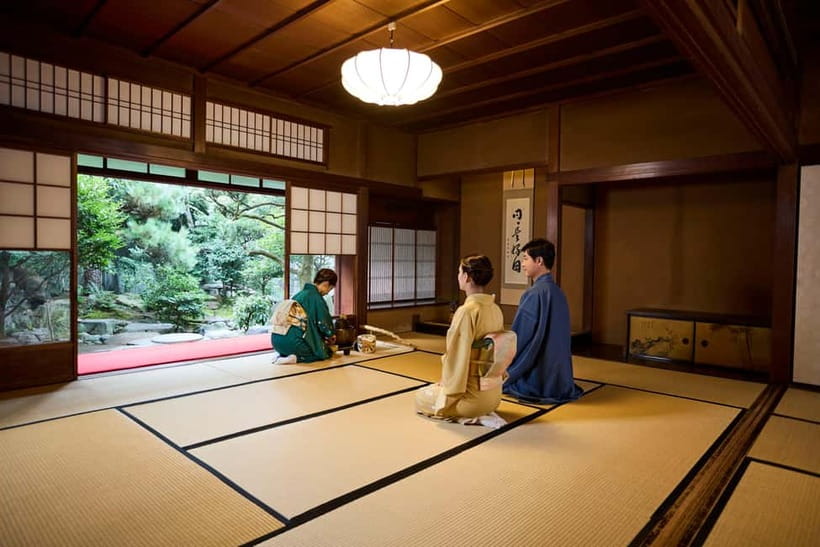
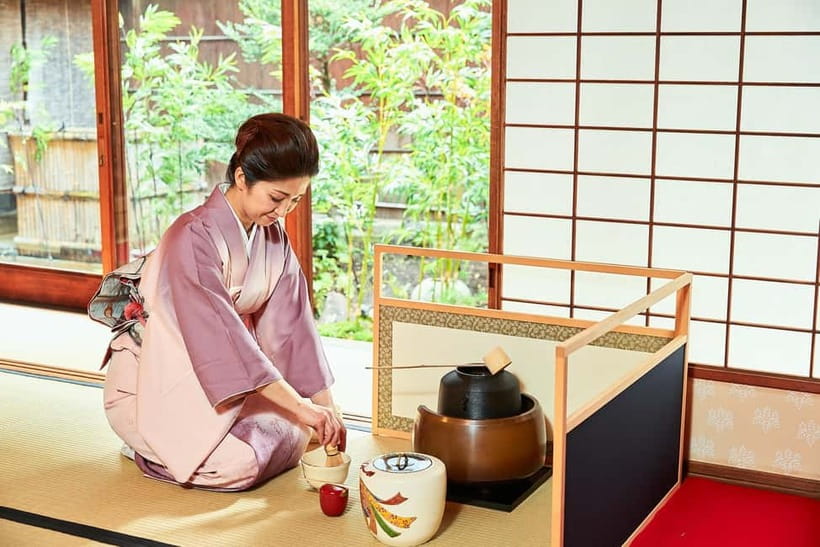
After dressing, you move into a traditional tea room where the utensils are arranged for the ceremony. The setting gives the activity its focus. A simple bowl, whisk, scoop, container, and other tools become part of a lesson in Japanese manners and attention.
Sitting on tatami mats is customary, but you do not have to force yourself into an uncomfortable position. Bamboo chairs are available by advance request. Ask for one when booking if kneeling or sitting low to the floor is difficult, since the chair is not described as an automatic option for every participant.
The group size can vary. The stated expectation is about 12 to 14 people because the venue also accepts bookings from other sources, though one session had only four people and another participant described the group as small. A smaller group may give you more room to ask questions and receive help, while a larger session can feel more like a shared cultural demonstration.
The tea master explains the meaning of the setting before the practical work begins. You learn about the history of the tea ceremony, the tools used, and the basic etiquette. The English instruction is designed for an international audience, and several participants specifically appreciated guides who spoke slowly and encouraged everyone to take part.
Watching the ceremony and learning its etiquette
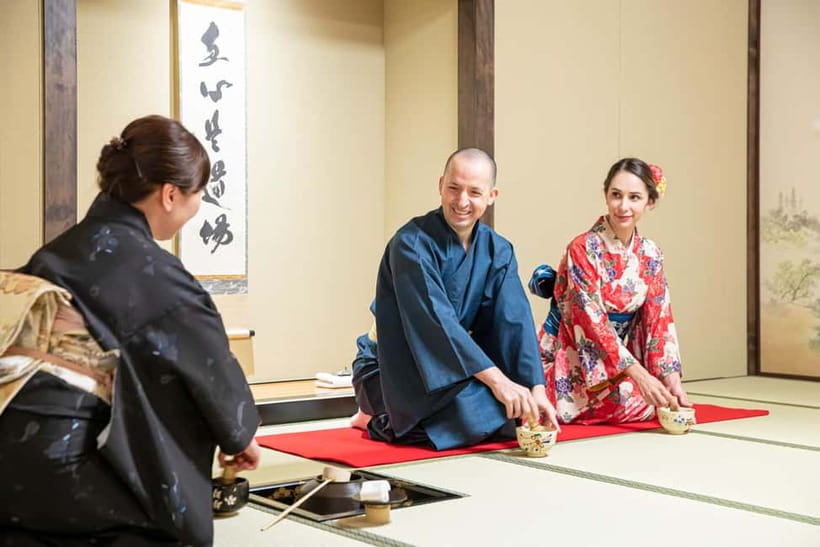
The ceremony is not only about drinking a hot green beverage. Its value comes from the order of the movements and the care given to ordinary objects. The tea master shows how the utensils are handled, how the matcha is prepared, and how the ritual unfolds.
You will also hear about the ideas behind the ceremony:
- Wa, or harmony: The host, the people attending, the room, and the season should work together.
- Kei, or respect: Respect applies to the host, the other people in the room, the tools, and the tea itself.
- Sei, or purity: Cleaning and preparation help create a clear, orderly setting.
- Jaku, or tranquility: The ritual offers a quiet moment away from the speed of sightseeing.
These ideas make the experience more than a sequence of instructions. They explain why the ceremony feels deliberate. You are encouraged to pay attention to small actions rather than rush toward the final cup.
The teaching style can depend on the person leading your session. Maki and Megumi are two names praised for warm, clear instruction, but they may not be the tea master assigned to your time. The staff are described as friendly, patient, and comfortable explaining Japanese customs in English.
More Matcha Experiences in Kyoto
- Kyoto: Arashiyama Bamboo Forest, Monkeys, Matcha & Temple Tour
★ 5.0 · 759 reviews - Kyoto: Tea Ceremony Meditation – Make Matcha with Tea Master
★ 4.8 · 406 reviews - Kyoto: Arashiyama Bamboo, Temple, Matcha, Monkeys & secret spots
★ 5.0 · 219 reviews - Kyoto Matcha Green Tea Tour
★ 4.7 · 28 reviews
Making your own premium matcha
The hands-on matcha preparation is the practical heart of the activity. After watching the demonstration, you prepare your own bowl with high-quality matcha. You learn how to use the traditional tools and how to whisk the tea until it develops a smooth, foamy surface.
This part is approachable even if you have never prepared matcha. The tea master guides you through each step, and the goal is not to produce a perfect bowl on your first try. It is to understand the work involved and take part in the ritual instead of treating it as a performance to watch from the sidelines.
I like this format because it gives you something to remember beyond a photograph. You leave with a better sense of matcha’s texture, bitterness, aroma, and preparation. It also gives children old enough to attend and adults a clear task during the ceremony.
There is one fair limitation. If you want a formal ceremony in which a tea master prepares and serves the tea directly to you, this may feel less traditional because your main bowl is made by you. The activity presents both demonstration and participation, so it is best for someone who wants to learn by doing.
Wagashi and the taste of the season
A traditional Japanese sweet, called wagashi, is served with the matcha. The sweet is not a fixed item throughout the year. Its flavor, color, and shape change with the season, giving each session a slightly different food element.
Wagashi is usually designed to balance the bitter edge of matcha. Eat the sweet as instructed before drinking the tea, and you will notice how it changes the taste of the matcha. This simple pairing helps you understand why Japanese tea service treats the sweet and tea as partners rather than separate courses.
The seasonal design also connects the ceremony to the time of year. You may find that the presentation changes from one visit to another, although the exact wagashi selection is not specified. If food is a major reason for booking, keep your expectations focused on one traditional sweet rather than a full tasting.
How much time to allow in Kyoto
The advertised duration is 90 minutes, while the practical guidance says the ceremony lasts about 90 to 120 minutes. The activity begins with kimono dressing, so do not schedule a major attraction immediately afterward unless you leave a generous gap.
You should also allow time for photographs. The preparation, the ceremony, and the pictures are all part of the appeal. A rushed departure would undercut the calm mood and leave you watching the clock during the tea lesson.
Transportation is not included. You need to make your own way to the venue and return afterward. The exact address is not provided here, so check the meeting point carefully before choosing a starting time.
Children under seven cannot take part. Older children may enjoy the clothing, the whisking, and the visual details of the ceremony, though sitting quietly and following instructions still matter. The experience is a particularly good fit for couples, families with older children, first-time visitors to Japan, and anyone who wants structured cultural context rather than a quick photo stop.
Is $66 a fair price?
At $66 per person, the value depends on how you use the full experience. The price includes kimono dressing, hair styling for women with long hair, a tea ceremony led by a tea master, hands-on matcha preparation, wagashi, and bilingual staff support.
That is a reasonable package if you want both traditional clothing and a cultural lesson in one appointment. A kimono rental alone would not give you the tea instruction, while a tea demonstration without the dressing would lose much of the visual and personal appeal.
The cost may feel less attractive if you only want to drink matcha or take a few kimono photographs. You are paying for the staff time involved in fitting, styling, explaining, and guiding a group through the ritual. The price makes the most sense when you stay engaged through every stage.
Flexible booking helps if your Kyoto plans are still shifting. You can reserve now and pay later, and cancellation is free up to 24 hours in advance for a full refund. Those terms are useful, but the main value remains the quality of the combined activity, not just the booking flexibility.
What to wear and how to prepare
Wear something comfortable underneath the kimono. You will be dressed by staff, and the clothing is fitted closely, so bulky layers may be inconvenient. The supplied information does not specify a required base outfit, but simple clothing should make the fitting easier.
Finish important makeup and hair preparation before arriving. Hair styling is included for women with long hair, and you can choose hair flowers, but the fitting may move quickly. You will have better photographs if you arrive ready rather than trying to complete your whole routine during the appointment.
Tell the venue ahead of time if you need a bamboo chair. Tatami seating is part of the traditional setting, but comfort matters more than forcing yourself to sit in a way that causes pain.
Bring a calm attitude and a willingness to follow instructions. The ceremony rewards attention. You do not need prior knowledge of Japanese customs, and the English-speaking staff explain the key points as you go.
Who will enjoy this most?
I would recommend this to anyone who wants a clear introduction to Japanese tea culture without committing to a long formal study session. The English guidance keeps the ceremony understandable, and the hands-on matcha preparation gives you a way to participate.
It is especially well suited to:
- Couples looking for a shared cultural activity and photographs
- Families with children aged seven and older
- First-time visitors who want context for Japanese customs
- Solo participants who enjoy structured activities
- People interested in clothing, food, design, and traditional etiquette
It may be less suitable if you dislike dressing up, sitting on the floor, or taking part in a group lesson. It is also not the best choice if your main goal is a private tea ceremony served entirely by a tea master.
The group may be as small as four or closer to 12 to 14, so do not book expecting a guaranteed private session. Still, the bilingual staff and practical instruction help keep the activity approachable even when other participants join.
Should you book the Kyoto kimono tea ceremony?
Book it if you want a well-rounded cultural activity that combines clothing, food, history, etiquette, and participation in about two hours. The kimono fitting gives the experience a memorable visual side, while the tea lesson adds meaning to the photographs.
I would be particularly inclined to book if you value patient English instruction and want to understand the Zen ideas behind the ritual. Maki, Megumi, and other tea masters are praised for clear, friendly teaching, and the staff help create a relaxed setting.
Think twice if you want a private ceremony, a long professional photo session, or a tea master to prepare every bowl for you. For most visitors seeking an accessible introduction to Kyoto’s tea tradition, though, the $66 price is justified by the amount included and the chance to make your own matcha in traditional dress.
FAQ
How long does the Kyoto kimono tea ceremony last?
The activity is advertised as 90 minutes, but the full experience may last about 90 to 120 minutes. Kimono dressing takes place at the beginning.
What is included in the price?
The price includes kimono dressing, the tea ceremony, hands-on matcha preparation, Japanese sweets, bilingual staff assistance, and hair styling for women with long hair.
Is the activity conducted in English?
Yes. The instructor language is English, and bilingual staff provide assistance during the dressing and tea ceremony.
Do I make my own matcha?
Yes. The tea master first explains and demonstrates the process, then you prepare your own bowl of matcha using premium matcha powder.
Are Japanese sweets included?
Yes. You receive wagashi, a traditional Japanese sweet. The flavor, color, and design change with the seasons.
Do I have to sit on tatami mats?
Tatami seating is customary, but bamboo chairs are available by advance request for people who prefer not to sit on the floor.
Can children take part?
Children under seven are not allowed. The supplied information does not specify additional child age restrictions.
Is kimono dressing included?
Yes. Staff assist with choosing and putting on the kimono. Women with long hair can also receive hair styling.
How many people are in each session?
Sessions may include about 12 to 14 participants because the venue accepts bookings from different sources. Some sessions may be smaller.
What is the cancellation policy?
You can cancel up to 24 hours before the activity for a full refund. You can also reserve now and pay later.
More Tea Ceremonies in Kyoto
- Kyoto: Tea Ceremony in a Traditional Tea House in Kiyomizu
★ 4.9 · 3,519 reviews - Kyoto: Tea Ceremony Ju-An at Jotokuji Temple
★ 4.9 · 3,207 reviews - Kyoto: 45-Minute Tea Ceremony Lesson Experience
★ 4.3 · 2,378 reviews - Kyoto: Table-Style Tea Ceremony at a Kyo-Machiya
★ 4.9 · 1,211 reviews
Newly steeped around Kyoto
- Whisk Your Own Matcha: A Zen Matcha Experience at Temple★ 3.6 · 7 reviews
- Tea ceremony at Kyoto’s Zen Temple Teahouse★ 5.0 · 2 reviews
- Uji Walking Tour – Byodo-in temple and Tea Ceremony from Kyoto★ 3.5 · 3 reviews
- Kyoto: Authentic Tea Ceremony in a Small Group★ 5.0 · 7 reviews
- Tea Ceremony Experience in Traditional Kyoto Townhouse★ 5.0 · 19 reviews
- Tea Ceremony in 150 Years Old Townhouse with Tables and Chairs★ 5.0 · 22 reviews
- Sencha-do the Japanese Tea Ceremony Workshop in Kyoto★ 5.0 · 21 reviews
- Silent Beauty of Kyoto Zen Walk and Tea Experience★ 5.0 · 2 reviews
Kimono & Tea Ceremony, compared.


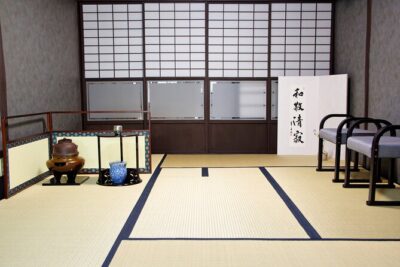
KYOTO Tea Ceremony with kimono near by Imamiya Jinjya Shrine
Read our review →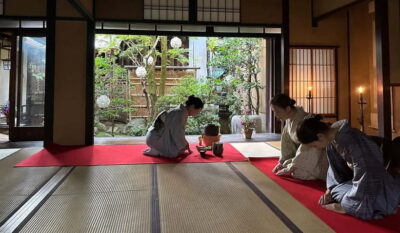
Kyoto: Kimono and Tea Ceremony Experience at Cultural Asset
Read our review →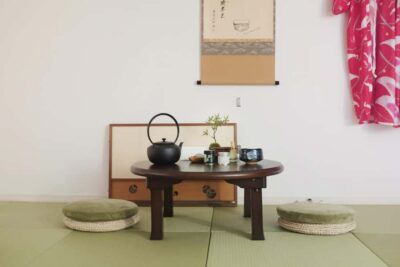
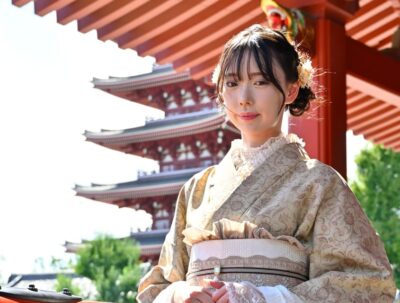
Tokyo: Asakusa Kimono Dressing and Matcha Experience
Read our review →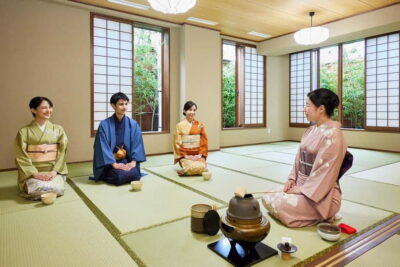
Asakusa: Kimono Tea Ceremony with Matcha and Sweet
Read our review →Browse the lists this tea experience appears in