
Review · OSAKA
Osaka: Matcha Making Experience with Japanese Sweets
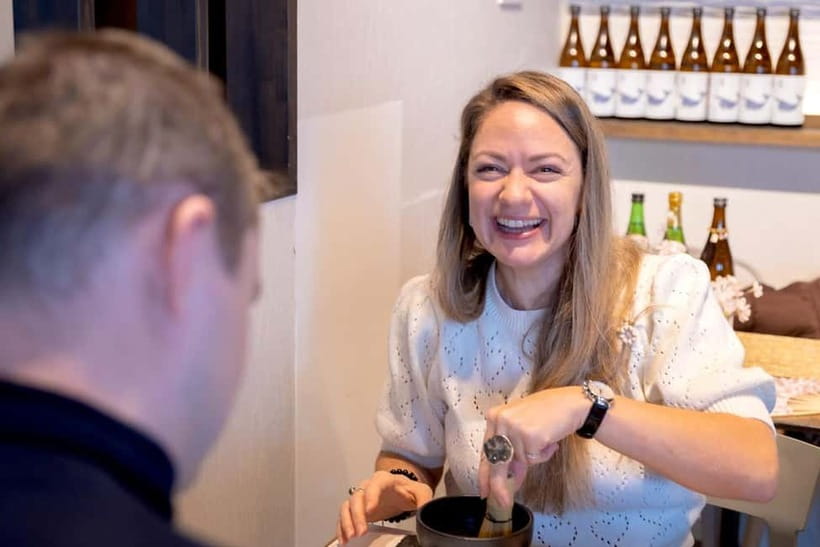
Central Osaka is a noisy, neon-lit place, so this one-hour matcha class offers a welcome change of pace. You learn where matcha came from, answer a few lighthearted quiz questions, and prepare your own bowl using traditional tools. The setting is close to Dotonbori and Shinsaibashi, but the class itself feels calm and focused.
I like the small six-person limit, which gives you room to ask questions and receive help with the whisk. I also like the balance between culture and hands-on practice: you do not just watch a demonstration, you make the tea and taste it with Japanese sweets. The main limitation is time. One hour is enough for an introduction, but not a long, formal tea ceremony or a substantial meal.
Key points to know before booking
- A compact matcha lesson: The full experience lasts one hour, making it easy to fit between Osaka sightseeing stops.
- Traditional tools in your hands: You whisk your own matcha rather than simply drinking a prepared cup.
- A useful cultural introduction: The class covers matcha history and Japanese tea customs through an interactive quiz.
- English-speaking instruction: Hosts including Fujiko, Reika, Yui, Serin, Matty, and Shota guide visitors in English.
- A quiet pause near Dotonbori: The class takes place near Shinsaibashi, close to Osaka’s food and shopping center.
- A tasting, not a meal: Japanese sweets accompany the tea, but the portions are designed for sampling rather than lunch.
A quiet cup of matcha near Dotonbori
The location works well for a short Osaka activity. You meet on the third floor of the Galleria Acca Building, about a five-minute walk from Shinsaibashi Station. Dotonbori and Shinsaibashi are nearby, so you can pair the class with shopping, street food, or an evening walk along the canal.
Finding the building may take a little attention. One participant described the facility as clean but slightly hard to spot, with the useful advice to go up the stairs. I would allow a few extra minutes to locate the entrance rather than arriving at the last second.
Inside, the room has a traditional feel without requiring you to kneel on the floor. A table setup lets you sit normally, which matters if you have young children, stiff knees, or simply prefer comfort during a hands-on lesson. The space is small by design, with seating for no more than six people.
That limited size shapes the whole experience. You can watch the instructor’s hand movements clearly, receive help with your whisking, and ask questions without having to compete with a large crowd. It also makes the class suitable for solo visitors, couples, families, and small friend groups.
More Matcha Experiences in Osaka
- Matcha Making Class in Osaka with Authentic Japanese Sweets Set
★ 5.0 · 509 reviews - Osaka Temple Cool Foot Bath & Matcha Experience〈45min〉
★ 4.9 · 82 reviews - Osaka Temple Head Spa &Matcha Facial – Refresh & Glow〈90min〉
★ 5.0 · 24 reviews
First comes the matcha story and quiz
The class begins with an introduction to matcha and its place in Japanese culture. Instead of delivering a long lecture, the instructor uses a light quiz to keep you involved. You learn basic history and tea customs while having something to do, which helps the information stick.
This opening section gives useful context to the bowl you will prepare later. Matcha is not simply green tea powder stirred into hot water. The class explains the process and the traditional way of preparing and drinking it, so the final tasting has more meaning.
The instructors bring different personalities to the lesson. Fujiko is described as funny and clear in English. Reika and Serin are noted for their interactive style, while Yui, Matty, Shota, Takara, and other hosts have guided visitors through the steps with patience and energy. The exact instructor depends on the session, but the activity is designed for English-speaking participants.
You can expect a casual tone rather than strict ceremony. The class includes formality and proper technique, but the atmosphere remains friendly enough for first-timers and children. An eight-year-old joined one family session, and another family brought a nine-month-old baby. The available information does not specify special childcare facilities, so families should still plan around their own needs.
Whisking your own bowl with traditional tools
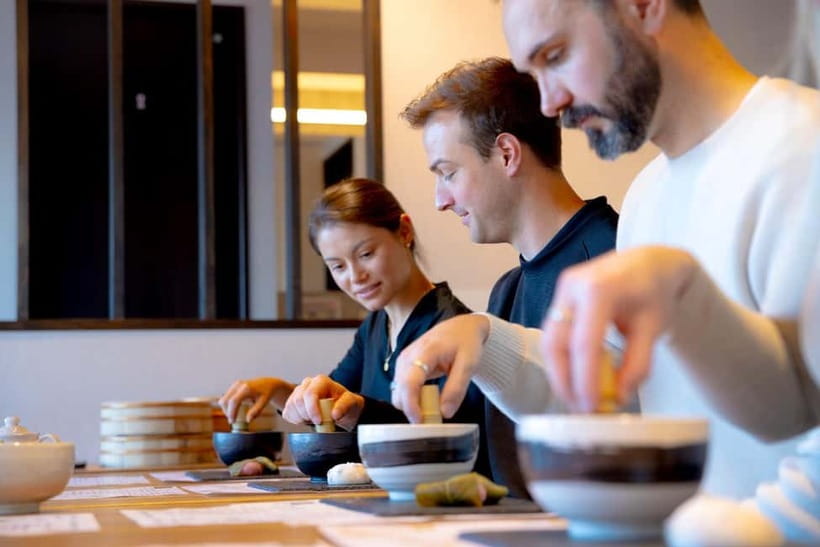
The practical part is the heart of the experience. You receive the ingredients and tools, then follow the instructor’s demonstration before preparing your own matcha. The basic process is approachable, but the instructor helps you improve the texture and technique.
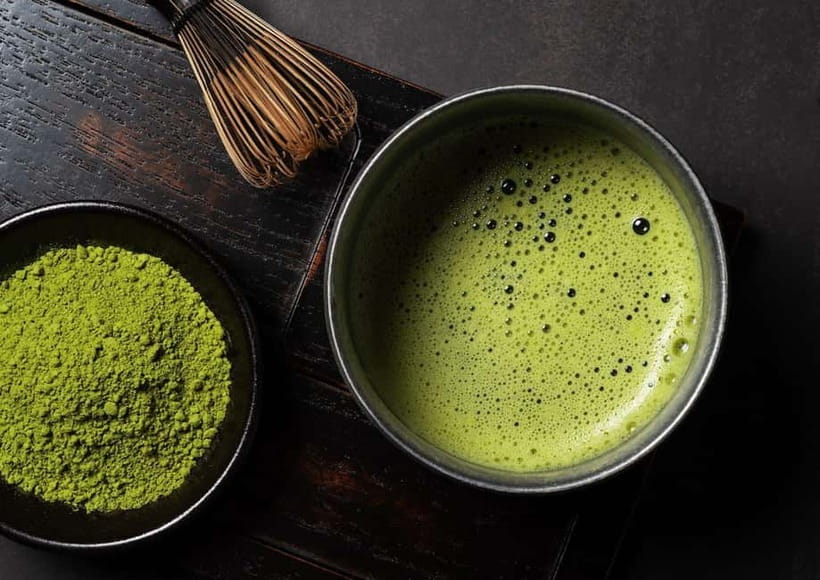
You learn how to dissolve the powder properly and whisk it into a smooth drink. That sounds simple, but the difference between a lumpy bowl and a fine, foamy one comes from small movements. The class gives you a chance to notice those details instead of treating matcha as an instant beverage.
I like this hands-on format because it gives you something to take home beyond a photograph. You can try the process again later, using the method shown in class. One participant even bought a chawan bowl, the traditional tea bowl, as a souvenir. That purchase is optional, and the activity price includes the lesson, ingredients, and instructor, not souvenirs.
The tools also make the session feel more connected to Japanese tea practice. You are not simply sampling a trendy drink in a café. You handle the whisk and prepare the tea yourself, with the instructor showing you how to use each item.
Still, keep your expectations in check. This is an introduction, not professional training. You will learn the basic method in a short period, but you will not master every detail of matcha preparation in one hour.
Japanese sweets complete the tasting
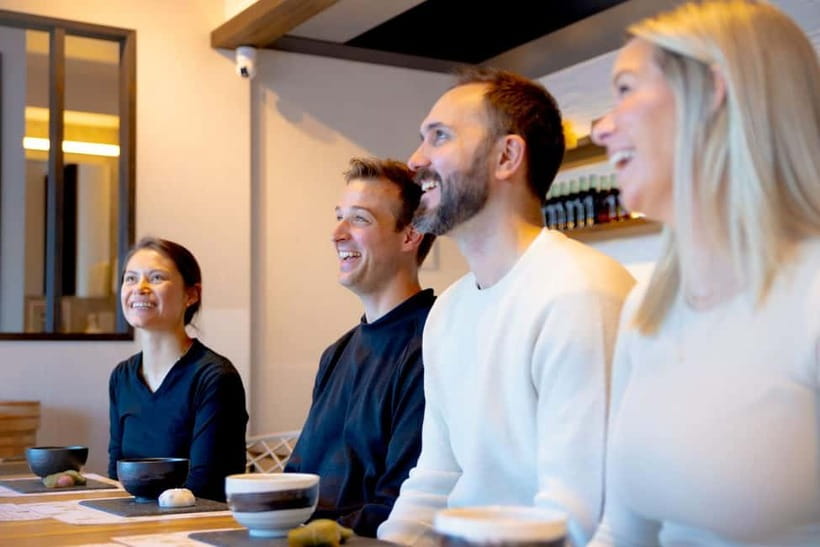
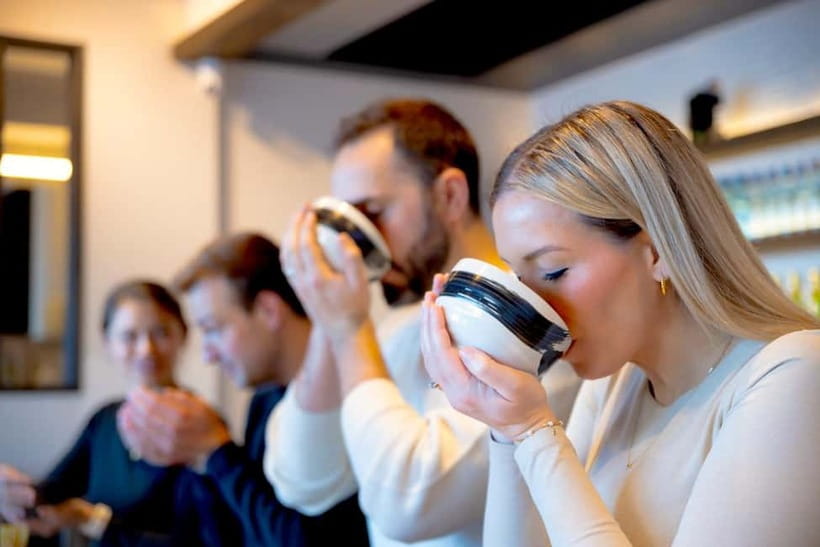
Once your matcha is ready, you drink it with Japanese sweets. The sweets provide a gentle contrast to the tea’s earthy, sometimes bitter taste, and they turn the preparation into a small tasting session rather than a technical exercise.
The food is a pleasant part of the experience, but it is not a replacement for lunch. One participant specifically noted that the amount of tea and food was modest, while still finding the overall experience worthwhile. Plan to eat separately if you are hungry.
The tasting gives you time to compare the drink with the sweets and notice how the flavors work together. You can also ask questions about the tea, preparation, and local food culture. Some hosts share restaurant suggestions for the Osaka area, which can be useful if you want to continue exploring Japanese food after class.
The session may feel a little short if you want a long, quiet tea moment. One person wished for more time to sit with the tea after making it. That is the clearest tradeoff here: the compact schedule is convenient, but the final relaxation period is limited.
More Tea and Sweets Making in Osaka:
- Osaka: Japanese Traditional Sweets Making and Tea Ceremony
★ 4.7 · 118 reviews - Osaka : Exclusive Tea Ceremony & Wagashi Cooking
★ 5.0 · 2 reviews - Matcha Making Class in Tokyo with Authentic Japanese Sweets Set
★ 5.0 · 744 reviews - Tangier: Sunset, Tea, Sweets, Camel Ride, and Hercules Caves
★ 4.9 · 575 reviews
Why the one-hour format works in Osaka
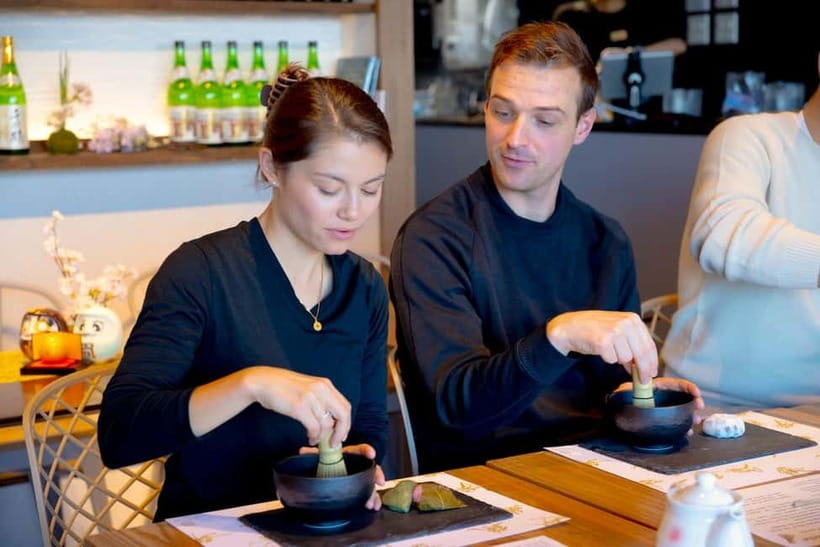
At $22 per person, this is priced as an affordable cultural activity rather than a full meal or elaborate ceremony. The fee covers instruction, ingredients, and the class itself. For the price, you receive a practical lesson, a small tasting, and direct help from an English-speaking instructor.
The value is strongest if you want an activity that is easy to fit into a busy day. You do not need to set aside half a day, travel to a distant neighborhood, or commit to a formal ceremony. A one-hour session can fit before dinner in Dotonbori, after shopping in Shinsaibashi, or during a break from Osaka’s crowded streets.
The value is less clear if you are looking for a large serving of food or an extended cultural program. The sweets are a light accompaniment, and the lesson moves at a brisk pace. You are paying for access to the tools, instruction, and cultural explanation, not for a full dining experience.
The small group helps justify the price. With only six places, the instructor can correct your technique and answer individual questions. That personal attention is more useful than a large demonstration where you only watch from the back.
Who will enjoy this matcha class most
I would recommend this for first-time matcha drinkers, especially if you want a clear introduction without a serious or intimidating tone. You do not need prior experience, and the instructors explain the process in English.
It also suits people who already enjoy matcha and want to understand how it is prepared in a more traditional way. The class gives you a chance to improve your whisking and learn the background behind the drink you may already order at home.
Families with older children can benefit from the quiz and hands-on format. Children have a clear task, and the activity is short enough to hold attention. The class is also a good choice for couples and solo visitors because the small group makes it easy to talk with the instructor and other participants.
This may not be the right pick if you want a silent, highly formal tea ceremony. The mood is interactive, casual, and sometimes funny. It is also not ideal as a food tour stop if you expect a full serving of sweets or a meal.
Timing, booking, and practical details
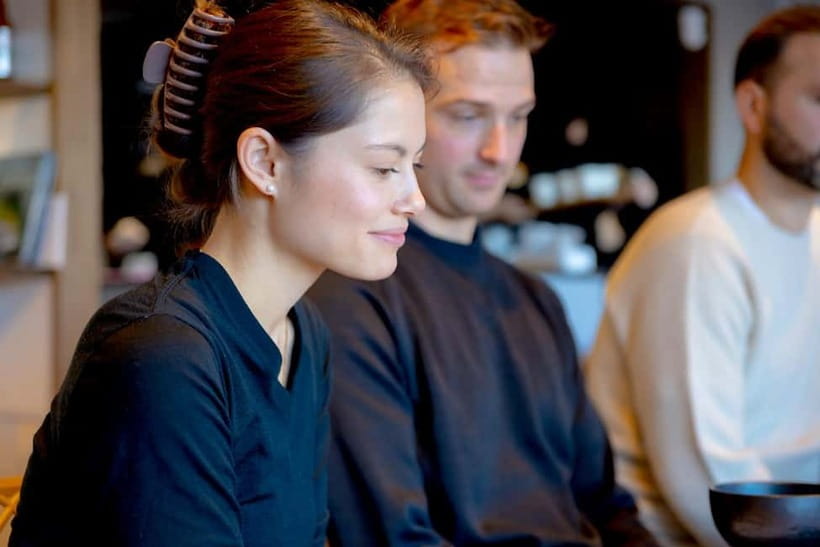
The activity runs for one hour, with starting times based on availability. You can cancel up to 24 hours in advance for a full refund, and the reserve-now, pay-later option keeps your plans flexible.
Hotel pickup and drop-off are not included. You make your own way to the Galleria Acca Building, on the third floor, near Shinsaibashi Station. The listed coordinates are 34.6723159, 135.5024459.
The activity is offered in English, and the group is limited to six participants. Since the location is near two of Osaka’s most popular areas, I would combine it with nearby plans rather than making a long separate trip for the class.
Arrive with enough time to find the building and go upstairs. The class is compact, so a late arrival could mean missing part of the history lesson or demonstration.
My take on the instructors and teaching style
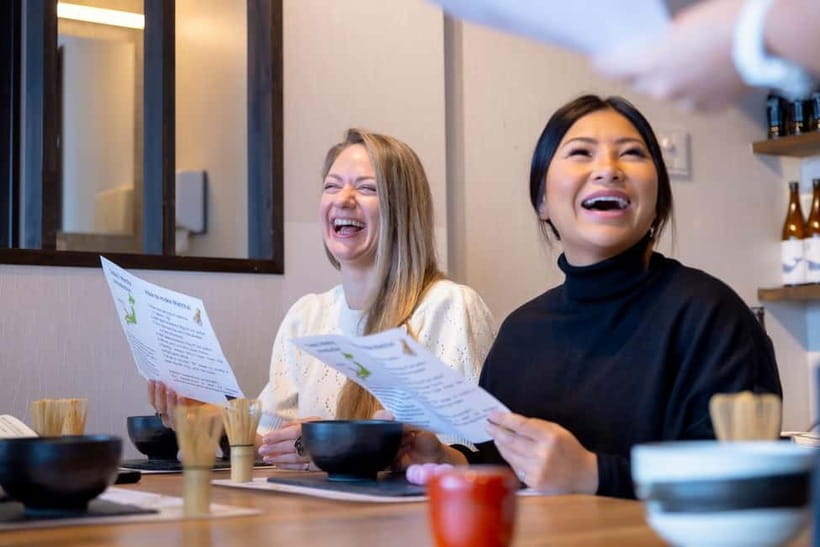
The teaching is one of the strongest parts of this experience. Names frequently associated with the sessions include Fujiko, Reika, Yui, Serin, Matty, Shota, Takara, Moe, Harita, Hinata, Lala, and Mayuho. The host changes, but the pattern is consistent: English instruction, plenty of interaction, and help with each step.
Fujiko has a particularly lively style, with clear English and a sense of humor. Matty is good with families and younger children, while Yui has introduced both tea in general and matcha in particular. Reika and Serin have led sessions that combine demonstration, history, and tasting.
You should not expect a recorded presentation or a fixed lecture delivered without conversation. The instructor answers questions and may offer suggestions for restaurants or other places to visit in Osaka. That personal exchange is a useful bonus, especially if this is your first contact with Japanese tea culture.
The class also seems comfortable for people who are unsure about matcha. If you have never tasted it, the instructor can explain the flavor and preparation without assuming prior knowledge. If you already make matcha at home, you can focus on technique and ask more specific questions.
Should you book this matcha experience?
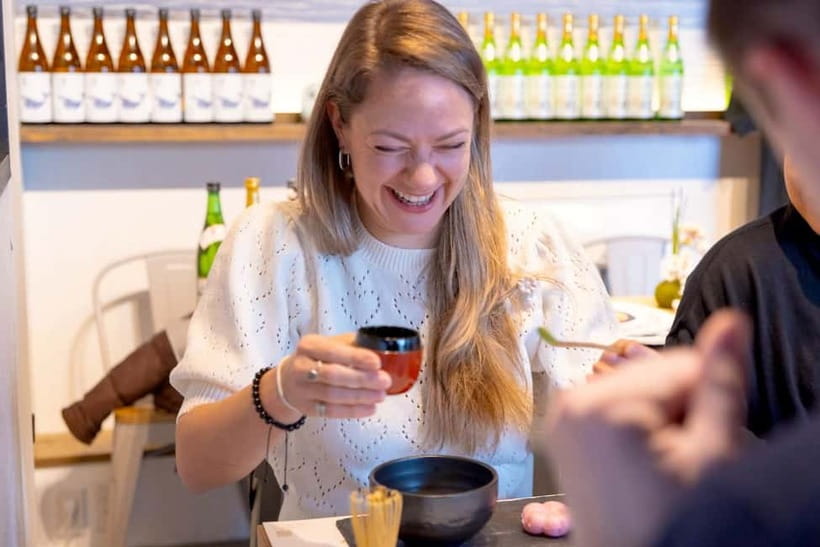
Book it if you want a short, affordable cultural activity with real participation. The small group, English-speaking hosts, traditional tools, and Japanese sweets give the hour enough substance to feel worthwhile.
I would especially choose it on a hot or crowded Osaka day, when an indoor break near Shinsaibashi sounds better than another stretch of pavement. Just remember that the food is light and the tea time is brief.
Skip it if your priority is a full meal, a long formal tea ceremony, or an advanced matcha course. For most visitors who want to understand the drink, make it themselves, and enjoy a calm hour near Dotonbori, this is a sensible choice.
FAQ
Where does the matcha making class take place?
It takes place on the third floor of the Galleria Acca Building in central Osaka, near Dotonbori and Shinsaibashi.
How far is the meeting point from Shinsaibashi Station?
The meeting point is about a five-minute walk from Shinsaibashi Station.
How long does the experience last?
The matcha making experience lasts one hour.
How much does the activity cost?
The listed price is $22 per person.
Is the class taught in English?
Yes. The instructor and local staff provide English-language instruction.
How many people can join the class?
The activity is a small-group class limited to six participants.
Do I need previous matcha-making experience?
No. The class is designed for beginners, and the instructor guides you through each step.
What is included in the price?
The price includes the cooking class, ingredients, and instructor.
Are hotel pickup and drop-off included?
No. Hotel pickup and drop-off are not included.
Can I cancel the booking for a refund?
Yes. You can cancel up to 24 hours in advance for a full refund.
Newly steeped around Osaka
- Osaka:Zen Tea Ceremony and Foot Bath Experience<45min>★ 5.0 · 7 reviews
- Osaka Japanese Cooking And Matcha Class near Osaka Castle★ 5.0 · 22 reviews
- Nara Deer Park, Uji Matcha, & Hot Spring Full-Day Tour from Osaka★ 4.0 · 21 reviews
- Osaka: Tea Ceremony, Calligraphy, and Kimono Experience★ 5.0 · 6 reviews
- Tea and Calligraphy Session at a Table in Osaka★ 5.0 · 4 reviews
- Osaka: Nara, Todaiji, Uji Matcha, and Hot Spring Tour★ 4.0 · 7 reviews
- Craft Sushi and Matcha Ice Cream in Central Osaka (3-Course Meal)★ 5.0 · 2 reviews
- ZEN therapy | Shiatsu-style massage, EnergyTherapy & Japanese Tea★ 5.0 · 5 reviews
Tea & Sweets Making, compared.
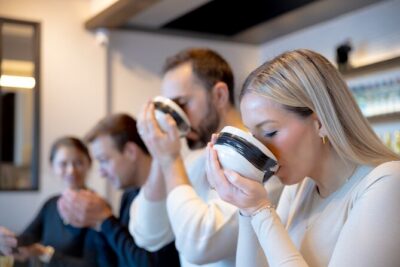
Matcha Making Class in Tokyo with Authentic Japanese Sweets Set
Read our review →
Tangier: Sunset, Tea, Sweets, Camel Ride, and Hercules Caves
Read our review →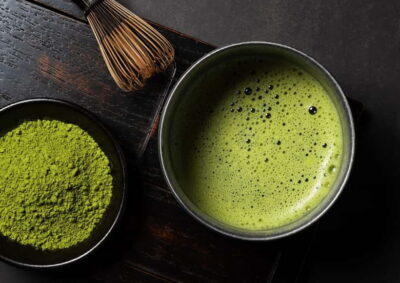
Tokyo: Matcha Making Experience with Mochi Sweets in Asakusa
Read our review →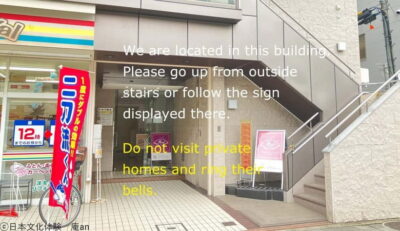
Kyoto: Japanese Traditional Sweets Making and Tea Ceremony
Read our review →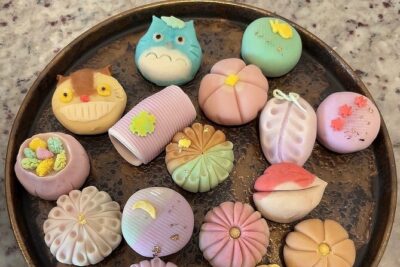
Make Traditional Nerikiri Sweets & Matcha experience in Shibuya
Read our review →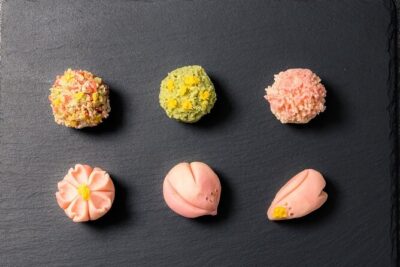
Sweets Making and Kimono Tea Ceremony at Tokyo Maikoya
Read our review →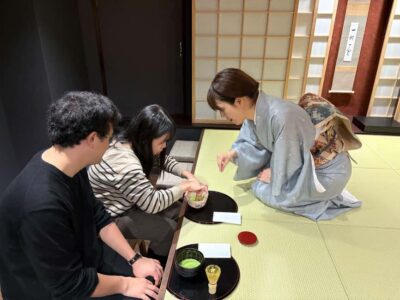
Kyoto: Traditional Tea Ceremony with Matcha & Sweets in Gion
Read our review →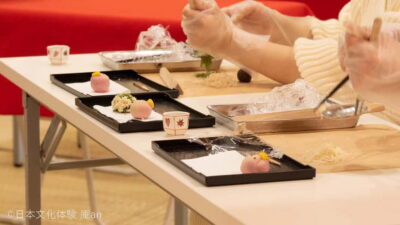
Tokyo: Two Types of Japanese Sweets Making and Tea Ceremony
Read our review →Browse the lists this tea experience appears in