
Review · TOKYO
Tokyo: Matcha Making Experience with Mochi Sweets in Asakusa
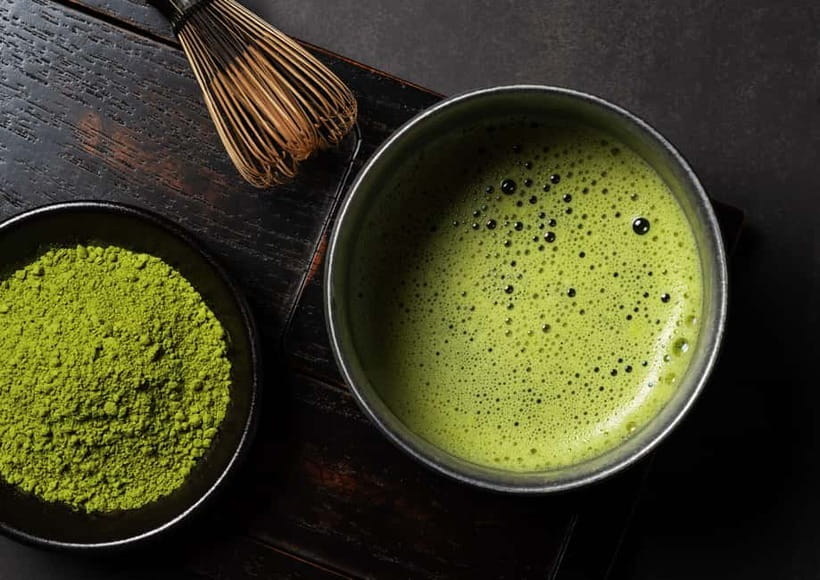
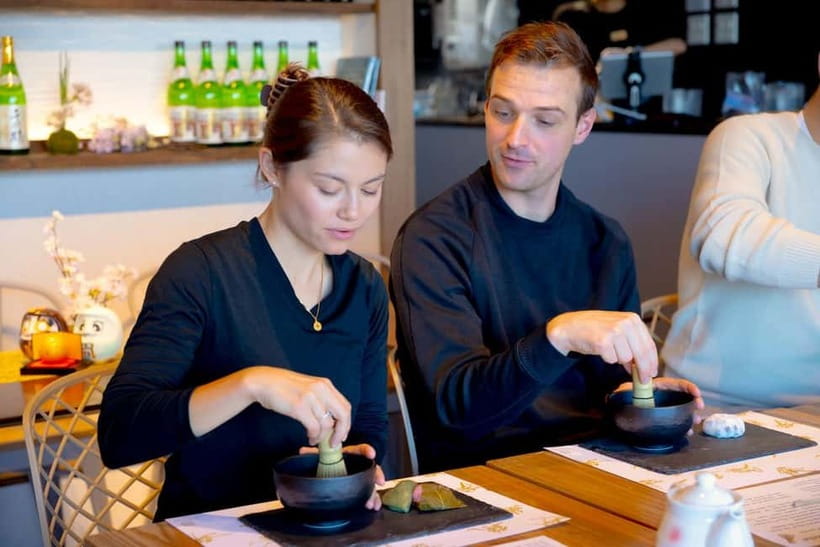
Making matcha here is less about a formal ceremony and more about learning by doing. In one hour, you hear the story of the tea, test your knowledge with a light quiz, watch a demonstration, and whisk your own bowl with a bamboo whisk. The class takes place in historic Asakusa, only a minute from Asakusa Station.
I like the friendly English-speaking staff, especially instructors such as Mana, Ken, Hayato, Hiyo, and Yui, who keep the lesson easy to follow and pleasantly funny. I also like the seated format, which lets you enjoy tea culture without kneeling on the floor. The main drawback is the short length: this is a clear introduction, not a full traditional tea ceremony or an advanced lesson in Japanese tea.
Key points
- Whisk your own matcha: Learn the basic technique with a traditional bamboo whisk and other tea tools.
- A playful history lesson: A light quiz adds context without turning the class into a lecture.
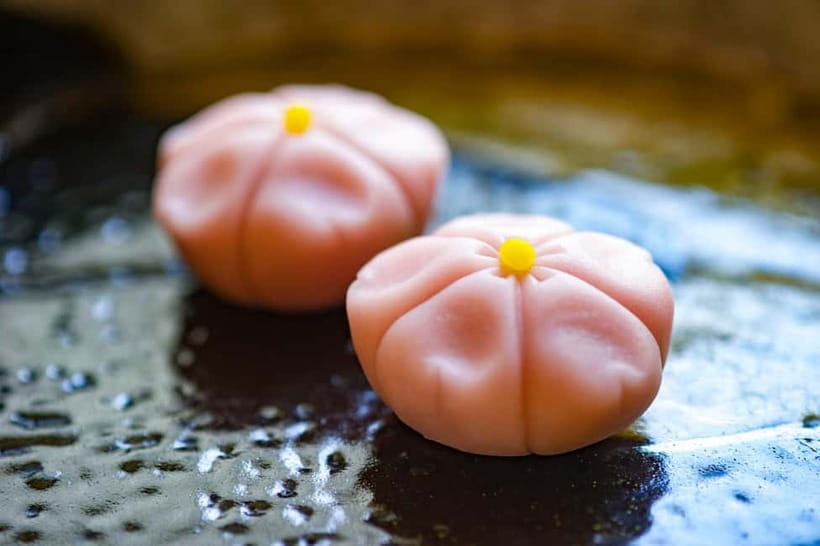
- Japanese sweets included: Drink your matcha with traditional sweets, including mochi-style treats.
- Easy English instruction: Staff explain the process clearly and keep the mood relaxed.
- Useful for solo visitors: You can join on your own and meet other people during the class.
- Good Asakusa timing: The activity lasts one hour and fits neatly around Sensoji, Tokyo Skytree, and other nearby sights.
A one-hour introduction to matcha in Asakusa
Matcha can look simple in a café bowl, but preparing it well takes a bit of care. The powder must be measured, mixed with water, and whisked until smooth and lightly frothy. This class gives you a chance to handle the tools yourself instead of only watching a demonstration.
The setting matters. Asakusa is one of Tokyo’s best areas for traditional culture, with old temples, narrow streets, food stalls, and views toward Tokyo Skytree. You will not spend the whole day indoors at a tea table. Instead, you can place this one-hour activity between sightseeing stops.
The meeting point is Relink KAMINARIMON building, 6F, about one minute from Asakusa Station. The listed coordinates are 35.710774, 139.7956532. Check the building name and floor before leaving the station, since a quick look at the directions will save you from wandering around the Kaminarimon area.
More Matcha Experiences in Tokyo
- Matcha Making Class in Tokyo with Authentic Japanese Sweets Set
★ 5.0 · 744 reviews - Asakusa Cultural Walk & Matcha Making Tour
★ 5.0 · 245 reviews - Tokyo: Matcha and Kimono Experience
★ 4.7 · 219 reviews
What happens when you arrive
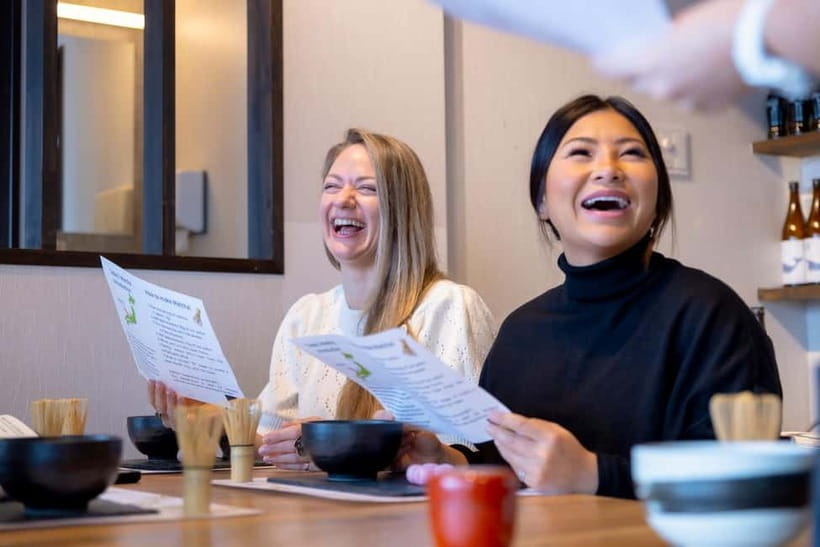
The class begins with an introduction to matcha and its place in Japanese food culture. The instructors use English, and the lesson is designed for people who have never prepared matcha before.
The opening quiz is a smart touch. It gives you a few simple questions about matcha history and customs, then lets the instructor explain the answers. This keeps the first part active and social. It also helps you understand why matcha is prepared in a particular way rather than treating the whisking as a random kitchen trick.
Do not expect a long scholarly talk. The tone is light, direct, and friendly. Instructors such as Ken and Mana are especially good at bringing energy to the room, while Hiyo, Yui, Honoka, Midori, and Hayato have also led classes. The staff lineup can vary, but the format remains in English and is built around participation.
Learning the tools before you whisk
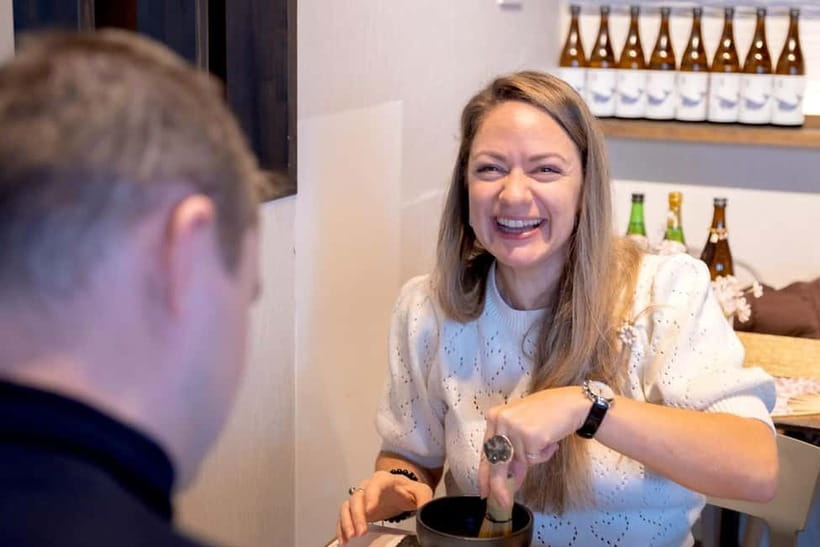
The heart of the activity is the hands-on preparation. You learn how to use traditional matcha tools, including the bamboo whisk, and see how the instructor handles the powder and water.
The demonstration comes first. Watch the motion carefully, since the aim is not to stir slowly in circles. You will then prepare your own bowl, following the instructor’s directions. This is where the activity earns its price. A tea tasting alone might be pleasant, but making the drink yourself gives you a practical skill to take home.
The class does not require previous experience. That makes it a good choice if your only contact with matcha has been a sweet latte or a powdered dessert. You get to taste matcha without sugar and notice its more direct flavor. If you already drink matcha, you will still pick up a cleaner method and a better sense of the care behind the preparation.
The hands-on section is also forgiving. You are not expected to perform perfectly on the first attempt. The instructors guide you through the process and answer questions as you go. That relaxed approach helps children take part, too. Families with children have found the class easy to enjoy, and the activity has also worked well for a 74-year-old parent traveling with an adult child.
Matcha and sweets at the same table
After making the tea, you drink it with Japanese sweets. The sweets provide a pleasant contrast to matcha’s earthy, slightly bitter taste. Mochi and other traditional sweets are not just a snack here. They show how Japanese food balances flavors and textures around tea.
This pairing may change your view of matcha. Without sugar added to the tea, the sweetness comes from the confection. Take a small bite of the sweet, then sip the matcha. The combination makes the tea easier for first-time drinkers and gives regular matcha fans a more traditional tasting experience.
The food portion is modest, so do not book this as a meal. It is a tea and sweets tasting attached to a short cooking class. You receive the ingredients and instruction as part of the $22 price, but hotel pickup, drop-off, and other meals are not included.
More Tea and Sweets Making in Tokyo
- Make Traditional Nerikiri Sweets & Matcha experience in Shibuya
★ 5.0 · 130 reviews - Sweets Making and Kimono Tea Ceremony at Tokyo Maikoya
★ 5.0 · 57 reviews - Japanese Traditional Sweets making and Tea Ceremony
★ 4.7 · 50 reviews - Mochi Matcha Gluten Free Japanese Sweets Class near Shibuya area
★ 5.0 · 26 reviews
Why the seated format helps
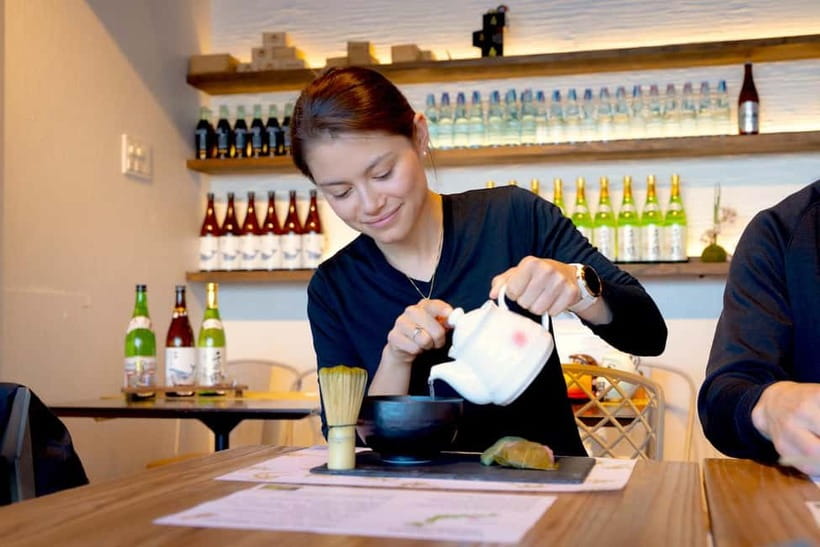
Japanese tea ceremonies are often pictured with formal kneeling, careful gestures, and long periods of quiet attention. This experience introduces some of that etiquette and tradition, but it takes place in a seated setting.
That is useful for several kinds of visitors. You may have tired legs after a morning at Sensoji. You may not be comfortable kneeling. You may simply prefer a casual class where you can focus on the lesson rather than worry about getting every movement right.
The seated format also makes the activity accessible across age groups. A parent, child, solo visitor, or couple can take part without needing special clothing or previous knowledge. The class is social, but it is not built around physical exertion. For many people, it is a welcome hour off their feet.
The instructors shape the experience
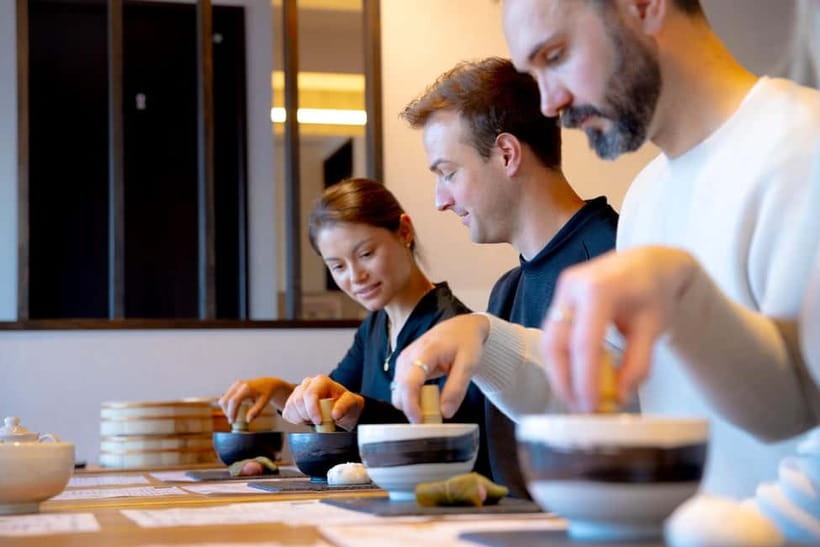
The hosts are a major part of the class. The material itself is straightforward, but the difference between a dull demonstration and a memorable one often comes down to delivery.
Mana is repeatedly described as energetic, funny, and patient. Ken has a playful teaching style. Hayato combines the practical method with explanations of matcha history and tea etiquette. Hiyo, Yui, Honoka, Midori, Rino, and other instructors have also received praise for clear English and warm interaction.
Names and teaching styles can change depending on the scheduled session, so do not book expecting one particular instructor unless the operator confirms it. Still, the structure gives each teacher room to add personality. You can ask questions, take part in the quiz, and compare your preparation with others in the room.
That social element helps solo visitors. You are not left to watch a private demonstration and leave. The shared table and group activity create easy chances to talk with people from different countries. Couples and families will also find enough interaction to keep the hour lively without forcing anyone to perform.
How much value do you get for $22?
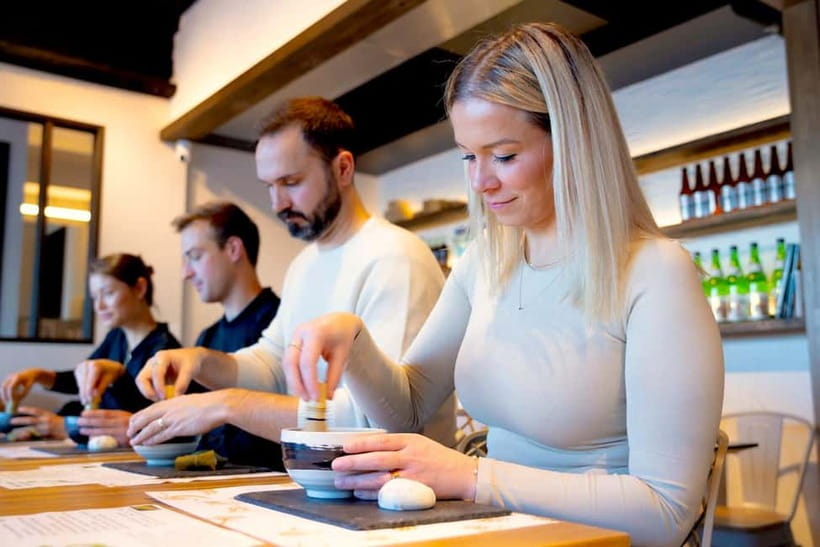
At $22 per person, this is a strong value if you want a short cultural activity rather than a full-day class. The price covers the cooking lesson, ingredients, instructor, matcha, and Japanese sweets. You also receive a skill you can repeat at home if you later buy the proper powder and whisk.
The one-hour length is part of the value. Tokyo schedules fill quickly, and a short class can fit before lunch, after temple sightseeing, or between stops near the river and Skytree. You are not committing half a day to an activity that may not suit your taste.
There are limits. You will not become a tea master in sixty minutes. You should also avoid comparing this with a formal multi-course tea ceremony, a detailed wagashi workshop, or a long cooking class. This is an introductory experience with a tasting and a practical lesson.
Some sessions may offer matcha-making equipment for purchase afterward. That can be useful if you want to continue at home, but buying equipment is optional and not part of the stated inclusions.
Who should book this Asakusa activity?
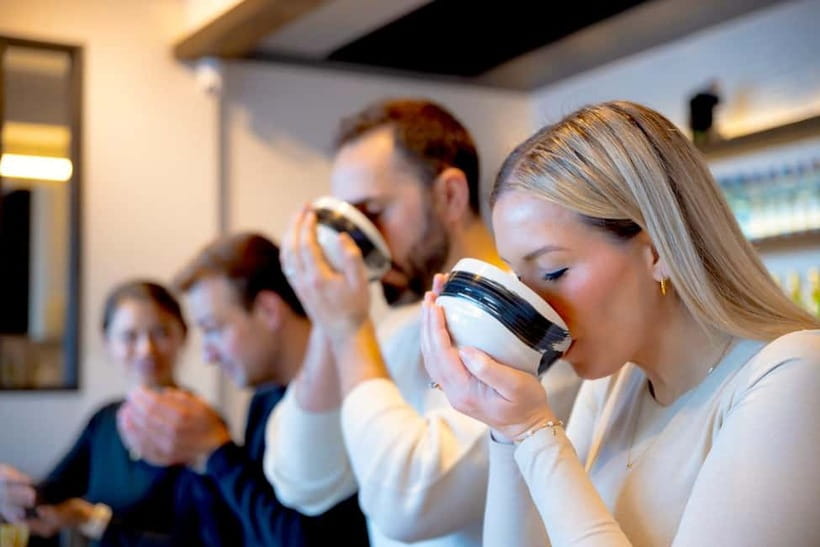
I would recommend it to first-time visitors who want a simple way into Japanese tea culture. You do not need to recognize tea tools, know the etiquette, or enjoy strong matcha before arriving.
It is also a good choice for families. Children can take part in the quiz and whisking, while adults get a short cultural lesson that does not require a long attention span. The seated format helps if your group includes older relatives or anyone who cannot kneel comfortably.
Solo visitors should consider it, too. The class offers an easy setting for meeting other people without the pressure of a bar, group tour, or formal dinner. If you are shy, the quiz and preparation steps provide natural conversation starters.
Matcha fans will appreciate the chance to drink it without sugar and practice the preparation method. At the same time, people who are unsure about matcha can make an informed judgment after tasting it alongside sweets.
You may want to skip it if you are looking for a quiet, highly formal ceremony with extended rituals. The staff keep the mood active and humorous, and the lesson is meant to be approachable. That is a strength for most visitors, but not the right fit for someone seeking a solemn temple-style performance.
Planning the class around Asakusa
The class is close to Asakusa Station and near Tokyo Skytree, so it works well as part of a neighborhood day. You can visit Asakusa’s historic sights before or after the tea lesson, then continue toward Skytree if that is on your plan.
Allow a little extra time to find Relink KAMINARIMON building and reach the sixth floor. The meeting point is central, but busy Tokyo streets and station exits can make a one-minute walk feel longer if you choose the wrong route.
The class lasts one hour, with starting times depending on availability. That short window makes it easier to book around meals and sightseeing. I would avoid scheduling it too tightly against a distant attraction, though. Give yourself enough time to arrive at the building, especially if you are crossing Asakusa from the temple area.
There is no hotel pickup or drop-off. You make your own way to the meeting point, which is normal for a short city-center activity and keeps the price down.
Booking flexibility and practical details
You can cancel up to 24 hours before the activity for a full refund. The reserve-now-and-pay-later option also helps if your Tokyo plans are still shifting.
Instruction is in English. Ingredients and the cooking class are included, while transportation and hotel transfers are not. The experience welcomes solo visitors and groups, and no prior matcha skill is required.
I would wear something comfortable and arrive ready to follow a few simple steps. The class is seated, so you do not need to prepare for a formal kneeling ceremony. If you have mobility concerns beyond kneeling, the available information does not give further accessibility details, so contact the operator before booking.
Should you book this matcha class?
Book it if you want an affordable, friendly introduction to matcha that fits neatly into an Asakusa day. The best features are the hands-on whisking, clear English instruction, sweets pairing, and relaxed seated setup.
I would especially choose it for families, solo visitors, first-time matcha drinkers, and anyone who wants a cultural activity without giving up half a day. Skip it only if you want a long, formal tea ceremony or an advanced cooking lesson. For $22 and one hour, it gives you a practical taste of Japanese tea culture and a memory you can recreate at home.
FAQ
Where does the matcha-making experience take place?
It takes place at Relink KAMINARIMON building, 6F, about one minute from Asakusa Station in Tokyo. The coordinates are 35.710774, 139.7956532.
How long does the activity last?
The experience lasts one hour.
How much does it cost?
The listed price is $22 per person.
Is the class taught in English?
Yes. The instructor and local staff provide the activity in English.
Do I need previous matcha-making experience?
No. The class is designed for beginners, and the staff guide you through the preparation.
What will I do during the class?
You learn about matcha history through a quiz, watch a preparation demonstration, whisk your own matcha with traditional tools, and drink it with Japanese sweets.
Are ingredients included?
Yes. The cooking class, ingredients, and instructor are included.
Are hotel pickup and drop-off provided?
No. Hotel pickup and drop-off are not included. You travel to the meeting point near Asakusa Station yourself.
Can I join if I am traveling alone?
Yes. Solo visitors are welcome, and the shared class format gives you a chance to meet other people.
Can I cancel for a refund?
You can cancel up to 24 hours in advance for a full refund. A reserve-now-and-pay-later option is also available.
Newly steeped around Tokyo
- Yokohama : Tea Ceremony with Sweets and Souvenir★ 5.0 · 5 reviews
- Walking Tour: Yanaka,Nezu& Sendagi: Tea Ceremony & Old Tokyo★ 5.0 · 3 reviews
- Private Mochi・Matcha sweets Making Class Near Shibuya Area★ 5.0 · 22 reviews
- 2 Hours Mochi &Nerikiri Making & Matcha Class in Bunkyo★ 5.0 · 21 reviews
- Private Kimono and tea ceremony at local home near Tokyo Disney★ 5.0 · 6 reviews
- Giant Sushi Cooking Class: Make a 1.5m Sushi Roll in Tokyo★ 5.0 · 9 reviews
- Kimono and Tea Ceremony in Asakusa Private Food Tour With Guide★ 5.0 · 4 reviews
- Tokyo Tea Ceremony Class at a Traditional Tea Room★ 5.0 · 2 reviews
Tea & Sweets Making, compared.

Matcha Making Class in Tokyo with Authentic Japanese Sweets Set
Read our review →
Tangier: Sunset, Tea, Sweets, Camel Ride, and Hercules Caves
Read our review →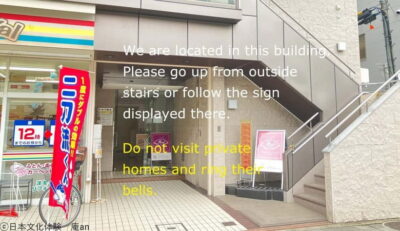
Kyoto: Japanese Traditional Sweets Making and Tea Ceremony
Read our review →
Osaka: Matcha Making Experience with Japanese Sweets
Read our review →
Make Traditional Nerikiri Sweets & Matcha experience in Shibuya
Read our review →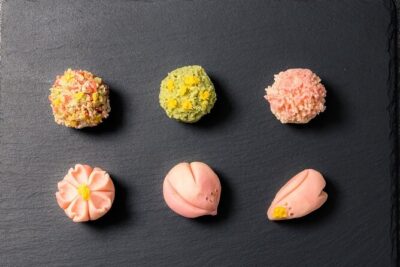
Sweets Making and Kimono Tea Ceremony at Tokyo Maikoya
Read our review →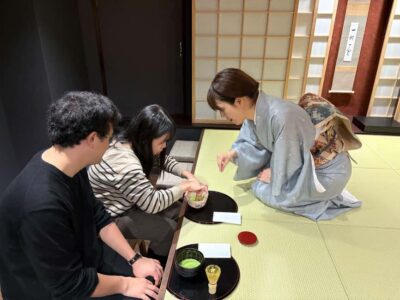
Kyoto: Traditional Tea Ceremony with Matcha & Sweets in Gion
Read our review →
Tokyo: Two Types of Japanese Sweets Making and Tea Ceremony
Read our review →Browse the lists this tea experience appears in