
Review · KYOTO
Japanese Traditional Sweets making with Tatedashi Matcha
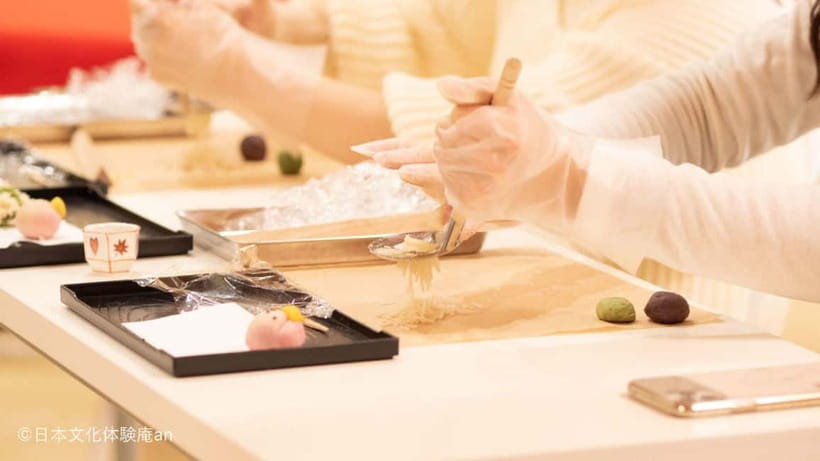
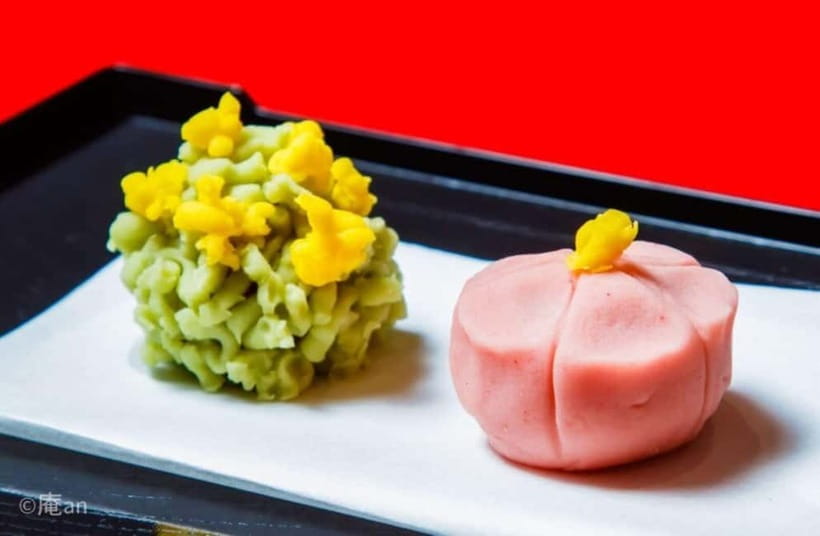
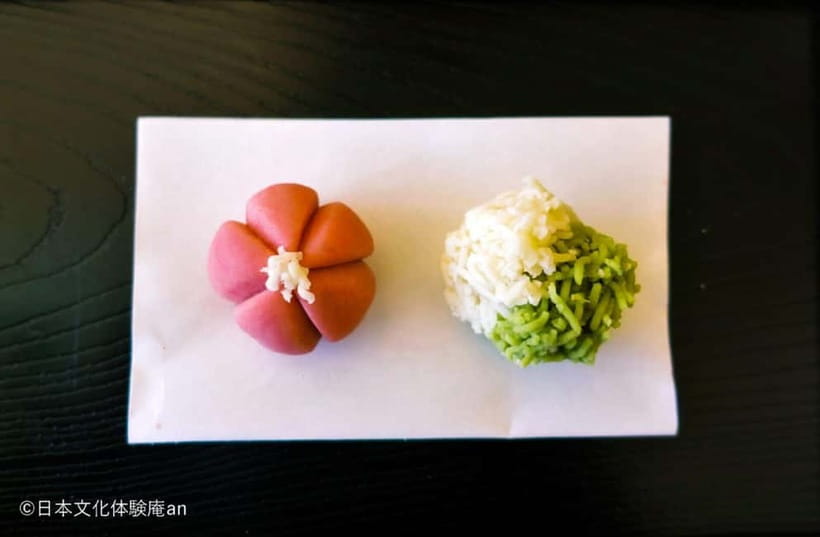
Kyoto’s elegant nerikiri sweets look like tiny works of art, and this class lets you make two yourself. You shape a flower-style sweet and a Kinton-style sweet, both matched to the season, then enjoy them with freshly provided Tatedashi Matcha.
I like the use of bean paste from long-established Kyoto shops, and I like the price: at $14 per person, this is an easy way to add a hands-on cultural activity to a Kyoto day. The main caution is class size and language. The instructor speaks Japanese, and English translation is provided as much as possible, so explanations may be less detailed than the visual work.
A 65-minute session is short enough to fit between sightseeing stops. You will need to arrive on time, since the class cannot be held for late arrivals, and the building has stairs with no elevator.
Key Points to Know
- Two seasonal nerikiri sweets: Make a flower-shaped sweet and a Kinton nerikiri, with designs that reflect the season.
- Kyoto-sourced ingredients: The white and red bean paste comes from long-established shops in Kyoto.
- Matcha included: Tatedashi Matcha is served after the shaping work, giving you a traditional pairing for the sweets.
- Easy Gojo location: The venue is one minute from Exit 1 of Gojo Station on the Subway Karasuma Line.
- Short, affordable activity: The class lasts 65 minutes and costs $14 per person, before optional extras.
- Japanese-led instruction: English translation is offered as much as possible, but this is not presented as a fully English-language class.
Making Kyoto Sweets Near Gojo Station
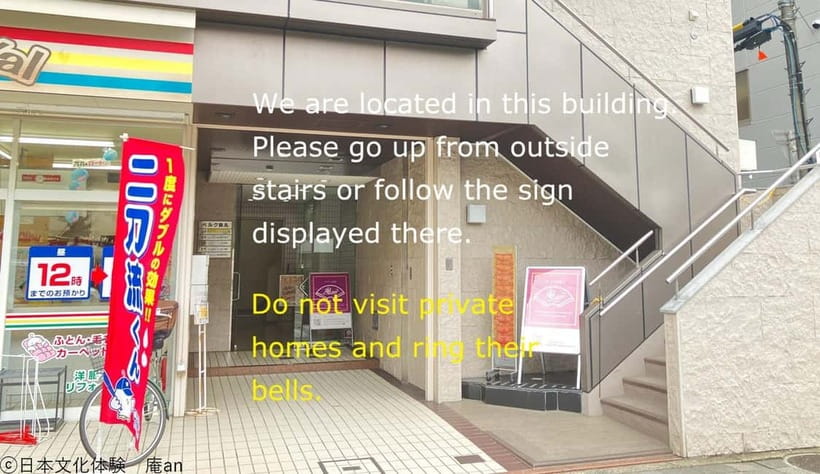
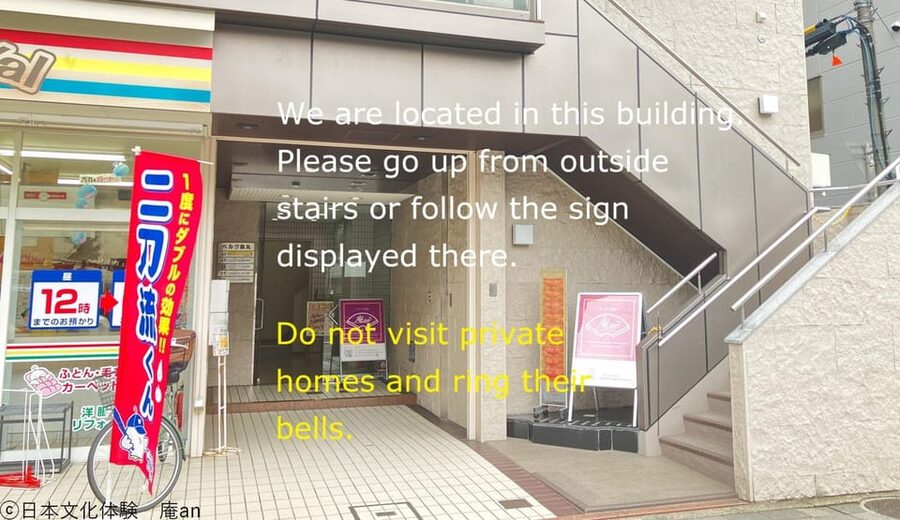
This experience takes place at AN Japanese Culture Experience, one minute from Exit 1 of Gojo Station on Kyoto’s Subway Karasuma Line. The entrance faces Gojo-dori, the main street, so you should look for the storefront from the road rather than relying only on the station exit area.
The location is useful for a Kyoto itinerary. Gojo sits south of the central shopping area and within reach of many sightseeing routes, so you can schedule this class before or after other plans. The short walk from the subway is especially helpful on a hot, rainy, or tiring day.
The session lasts 65 minutes from arrival through departure. That makes it a manageable stop for you if you want a cultural activity without giving up half a day. It also means the schedule is fairly tight. You should arrive with enough time to find the entrance, because the class will not wait for late arrivals.
The experience provider is B.B.Advisors Inc. AN KYOTO. The instructor is Japanese-speaking, with English translation provided as much as possible. You can still follow the shaping process through demonstration, but you should contact the provider in advance if you need detailed English instruction or have questions about the class format.
More Matcha Experiences in Kyoto
- Kyoto: Arashiyama Bamboo Forest, Monkeys, Matcha & Temple Tour
★ 5.0 · 759 reviews - Kyoto: Tea Ceremony Meditation – Make Matcha with Tea Master
★ 4.8 · 406 reviews - Kyoto: Kimono Tea Ceremony with Matcha and Sweet
★ 4.9 · 249 reviews
What Nerikiri Tells You About Japanese Sweets
Nerikiri is a traditional Japanese sweet made by shaping bean paste into seasonal forms. The appeal is visual as well as culinary. A finished sweet may suggest a flower, a plant, or another seasonal image, with color and texture doing much of the work.
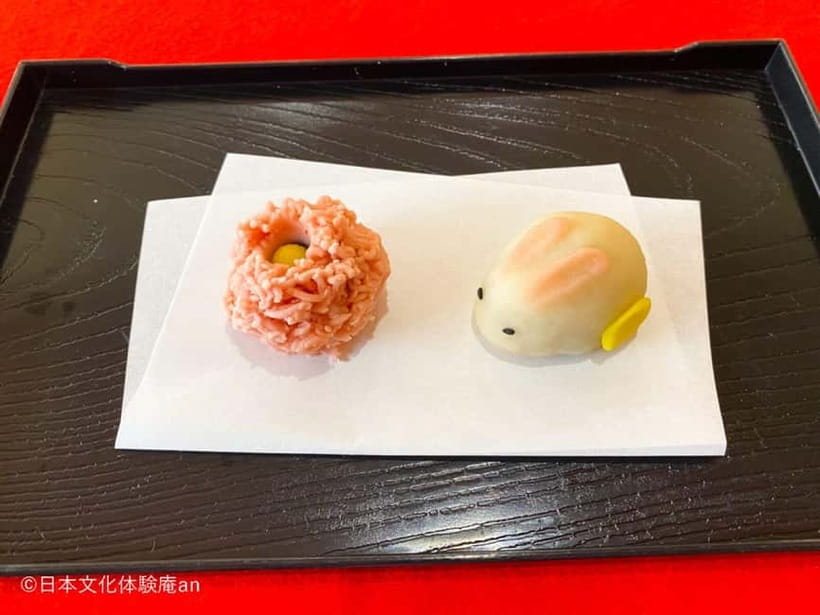
That seasonal focus is important. This is not simply a general dough-shaping activity where every participant makes the same permanent design. You will make two sweets selected to match the time of year: a flower-shaped nerikiri and a Kinton nerikiri.
The use of white and red bean paste from long-established Kyoto shops gives the class a clear connection to local food culture. The ingredients are not described as generic craft material. They are real sweet-making ingredients, and the finished pieces are meant to be eaten.
Still, you should set your expectations correctly. The activity focuses on making and presentation, not on a long lecture about the history of wagashi or a detailed cooking lesson. If you want a quiet, artistic introduction to Japanese sweets, it fits well. If you want advanced pastry instruction, this short class may feel basic.
The 65-Minute Schedule, Step by Step
00 to 10 Minutes: Introduction and Explanation
The class begins with an explanation of Japanese traditional sweets. This gives you the basic context before you start shaping the paste.
Since the instructor teaches in Japanese, the amount of English explanation may vary. English translation is provided as much as possible, but it is wise to pay close attention to demonstrations and watch the sequence before you begin. You can also contact the provider ahead of time if you want to request additional English support.
This opening is brief, which helps keep the session active. You are not spending most of the hour sitting through a lecture. The main purpose is to get you ready to work with the ingredients and understand the two designs.
More Tea and Sweets Making in Kyoto
- Kyoto: Japanese Traditional Sweets Making and Tea Ceremony
★ 4.4 · 314 reviews - Kyoto: Traditional Tea Ceremony with Matcha & Sweets in Gion
★ 4.9 · 27 reviews - 2 Types of Japanese Sweets making and Tea Ceremony
★ 4.6 · 17 reviews - Kyoto near Fushimiinari Wagashi making&Small Group Tea Ceremony
★ 5.0 · 14 reviews
10 to 30 Minutes: Flower-Shaped Nerikiri
The first project is a flower-shaped nerikiri. This is the moment when the class changes from explanation to hands-on work.
You will work with the prepared bean paste and shape it into a seasonal flower form. The finished piece depends on careful handling and a sense of proportion rather than on complicated kitchen equipment. That makes it accessible for beginners, including people who have never made a Japanese sweet before.
The flower design also gives you a clear visual goal. You can see how the color and shape are meant to come together, then adjust your own piece as you work. Do not expect every sweet to look identical. Part of the pleasure is seeing how a simple portion of paste becomes something decorative in your hands.
30 to 55 Minutes: Kinton Nerikiri
The second project is Kinton nerikiri. It gives you a different form to make, so the class does not repeat the same shaping exercise twice.
Making two sweets is a good feature for the price and duration. You get a chance to understand the basic handling with the first piece, then try another design with that experience in mind. You also end with two individual sweets rather than one small sample.
The class has received strong praise for being fun and simple, but that simplicity cuts both ways. If you enjoy low-pressure creative activities, you will likely find the work satisfying. If you want a technically demanding lesson, the process may feel more like a guided craft activity than professional confectionery training.
One piece of practical advice: do not judge the activity only by how polished your final sweets look. The point is to understand how traditional Japanese sweets are formed and presented. The finished plate is part of the experience, but your own attempt is the real souvenir.
55 to 65 Minutes: Photographing, Matcha, and Eating
After the two sweets are complete, you have picture time. This is useful because nerikiri is delicate, and the best moment to photograph it is before you eat it.
Tatedashi Matcha is then provided. The matcha gives you a traditional drink to pair with the bean paste sweets and turns the finished work into a small tea-time experience.
You can eat the sweets on the spot. That is worth noting when planning your day. The included activity is not designed around taking the sweets home, although you can purchase a take-out box for 100 JPY if you want to carry them with you.
The class ends after the eating and drinking time, with room departure at about the 65-minute mark. You should not expect a long lingering tea ceremony. This is a compact making-and-tasting session.
How Much Value Do You Get for $14?
At $14 per person, this is one of the easier Kyoto activities to fit into a budget. The price includes the traditional sweets-making session and Tatedashi Matcha. You also receive two sweets to make and eat, not just a demonstration or tasting sample.
The strongest value comes from the combination of hands-on work, local ingredients, and a short schedule. You are not paying for an entire day of instruction. You are paying for a focused cultural activity that can fill roughly one hour.
The price is especially reasonable if you are already planning to use Gojo Station. The venue is close to public transportation, so the activity does not require a long detour. It can work as a break from temples, shopping, or city walking.
There are two optional costs. A sweets take-out box costs 100 JPY, and an experience completion certificate costs 300 JPY. Neither is included, and neither is necessary for the basic experience.
The value depends on what you want from a food activity. If you want to taste rare ingredients without doing any work, this is not the right format. If you want a modest, creative introduction to Kyoto-style sweets, the low price makes it an appealing choice.
Group Size and the Feel of the Class
The class can be booked by solo participants or groups. That flexibility is useful if you are traveling alone, with a partner, or with family.
A possible drawback is the number of people in a session. A class can feel crowded when several participants are working at once, and one booking has specifically pointed to too many people in one class. If personal attention matters to you, ask about the expected group size before booking.
A larger group may also affect the English support available at each table. The instructor has to demonstrate and assist across the room, so you may not receive a long individual explanation. Watch the demonstration carefully, and ask for help during the shaping process when needed.
The activity is not limited to children, but its simple, tactile format can appeal to younger participants. Children under two who sit on a parent’s lap are free. Anyone who does not participate cannot enter the venue, so this is not a good arrangement for one adult to attend while another family member waits inside with a non-participating child.
English, Access, and Timing Details
The official language is Japanese. English translation is offered as much as possible, but you should not assume that every instruction will be delivered in fluent English. The visual nature of the activity helps, though you may want to contact the provider beforehand if language access is important to you.
The activity is described as wheelchair accessible, but the building has no elevator and you need to use stairs to reach each venue. That creates an important practical question for anyone with mobility needs. Contact the provider before booking to confirm that the specific route and room work for you.
Operating hours are 10:00 to 17:00. Reservations received after 17:00 are processed the next day. This matters if you are making a last-minute booking from your hotel in the evening.
You can cancel up to 24 hours in advance for a full refund, and the reserve-now-pay-later option lets you hold a place without paying immediately. Read the cancellation terms carefully, since fees apply after the free-cancellation period. The provider does not compensate you for travel expenses if you cancel.
If you need to change the date or time after a cancellation fee has been incurred, a specified fee may apply. The simplest plan is to choose a time you can reach reliably and allow extra time for the subway walk and finding the entrance.
Who Will Enjoy This Japanese Sweets Class?
I would suggest this activity for you if you want a short cultural break with a clear result. You make two sweets, photograph them, drink matcha, and eat what you created. There is no need to commit an entire afternoon.
It also suits first-time visitors who want to try a traditional food activity without needing advanced cooking skills. The class is simple enough to follow, and the two different designs give you a little variety.
Families and small groups may like the shared creative element. Solo participants can also take part, though the social feel will depend on the group size in your session.
You may want to skip it if you dislike hands-on activities, expect a detailed English lecture, or want a formal tea ceremony. One person found the process too similar to working with play dough, which is a fair warning for anyone seeking a serious culinary lesson. The activity is about shaping, presentation, and tasting, not complex cooking.
Should You Book the Gojo Nerikiri Experience?
Book it if you want an affordable, well-located Kyoto activity that gives you something to make, photograph, and eat. The Kyoto bean paste, seasonal designs, matcha, and short duration give the experience a clear purpose.
Before booking, think about three points: the Japanese-led instruction, the possibility of a crowded class, and the stairs in a building without an elevator. If those details work for you, $14 is a small price for a pleasant break from sightseeing and a direct way to handle a traditional Japanese sweet yourself.
FAQ
Where is the Japanese sweets-making experience held?
It is held at AN Japanese Culture Experience, one minute from Exit 1 of Gojo Station on Kyoto’s Subway Karasuma Line. The entrance faces Gojo-dori.
How long does the activity last?
The full experience lasts 65 minutes. The sweets-making portion ends at about 55 minutes, followed by matcha, eating, and drinking time.
How much does the experience cost?
The listed price is $14 per person. A take-out box costs 100 JPY, and an experience completion certificate costs 300 JPY.
What sweets will I make?
You will make two seasonal Japanese sweets called nerikiri. The program includes a flower-shaped nerikiri and a Kinton nerikiri.
Is matcha included?
Yes. Tatedashi Matcha is provided after you finish making the sweets.
Can I eat the sweets during the activity?
Yes. You can eat your handmade sweets on the spot during the eating and drinking portion.
Can I take the sweets home?
A take-out box is available for 100 JPY. The box is not included in the activity price.
Is the class taught in English?
The instructor’s language is Japanese. English translation is provided as much as possible, and you can contact the provider if you would like to request it.
Is the venue wheelchair accessible?
The activity is described as wheelchair accessible, but the building has no elevator and stairs are required to reach each venue. Contact the provider before booking to confirm the arrangement for your needs.
What is the cancellation policy?
You can cancel up to 24 hours in advance for a full refund. Cancellation fees apply after that period, and late cancellations do not include compensation for travel expenses to the venue.
Newly steeped around Kyoto
- Whisk Your Own Matcha: A Zen Matcha Experience at Temple★ 3.6 · 7 reviews
- Kyoto: Authentic Tea Ceremony in a Small Group★ 5.0 · 7 reviews
- Tea ceremony at Kyoto’s Zen Temple Teahouse★ 5.0 · 2 reviews
- Uji Walking Tour – Byodo-in temple and Tea Ceremony from Kyoto★ 3.5 · 3 reviews
- Tea Ceremony Experience in Traditional Kyoto Townhouse★ 5.0 · 19 reviews
- Tea Ceremony in 150 Years Old Townhouse with Tables and Chairs★ 5.0 · 22 reviews
- Silent Beauty of Kyoto Zen Walk and Tea Experience★ 5.0 · 2 reviews
- Traditional Tea Ceremony in Kyoto★ 4.5 · 3 reviews
Tea & Sweets Making, compared.

Matcha Making Class in Tokyo with Authentic Japanese Sweets Set
Read our review →
Tangier: Sunset, Tea, Sweets, Camel Ride, and Hercules Caves
Read our review →
Tokyo: Matcha Making Experience with Mochi Sweets in Asakusa
Read our review →
Kyoto: Japanese Traditional Sweets Making and Tea Ceremony
Read our review →
Osaka: Matcha Making Experience with Japanese Sweets
Read our review →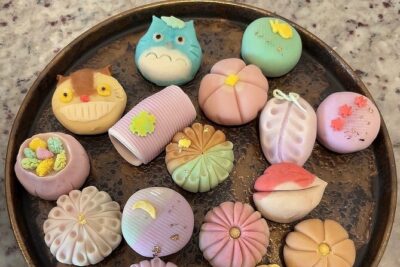
Make Traditional Nerikiri Sweets & Matcha experience in Shibuya
Read our review →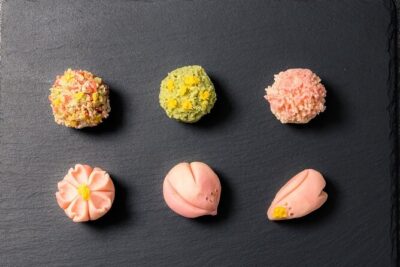
Sweets Making and Kimono Tea Ceremony at Tokyo Maikoya
Read our review →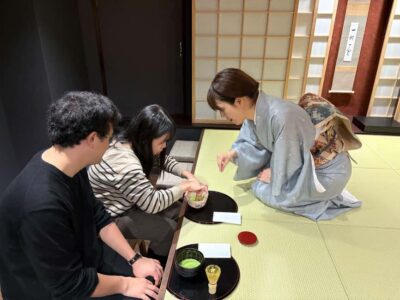
Kyoto: Traditional Tea Ceremony with Matcha & Sweets in Gion
Read our review →Browse the lists this tea experience appears in