
Review · NARA
Nara:Tea Tasting&Private Tea Ceremony -Master Matcha Making-
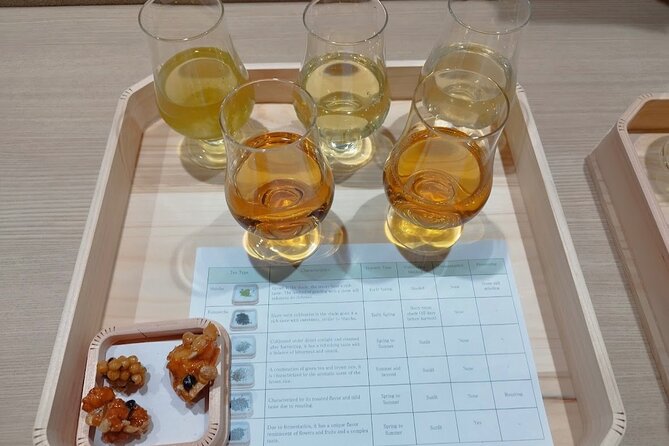
The best part of this Nara experience is the chance to slow down and taste tea properly. You sample five teas from Nara Prefecture, then choose a favorite for a carefully prepared pot serving before learning to whisk your own matcha with tea master Mike.
I like the private setting, which gives you room to ask questions and learn at your own pace. I also like the mix of tasting, hands-on practice, local conversation, and seasonal wagashi. The main consideration is the price: at $63.06 per person, this is not a quick cup of tea, but a focused cultural activity lasting about 90 minutes.
Key points to know before booking
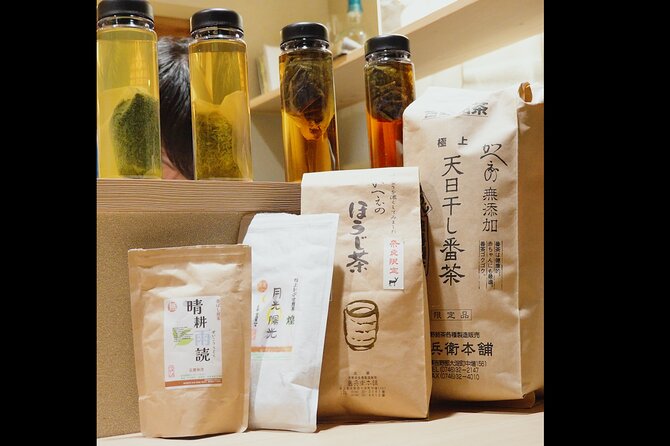
- Five Nara teas: Compare matcha, roasted teas, and other locally sourced varieties instead of trying only one familiar style.
- Personal matcha instruction: Mike gives private guidance on the tools, movements, and etiquette of whisking matcha.
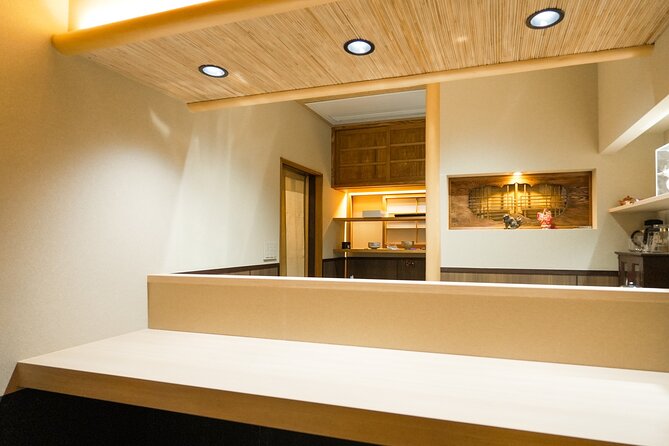
- A renovated traditional house: The tea room offers a quiet break from a busy sightseeing day.
- Your favorite tea brewed in a pot: After tasting the flight, you choose one tea for a fuller serving.
- Seasonal wagashi included: Traditional Japanese sweets balance the tea and add a small seasonal touch.
- Short and easy to fit in: The session lasts about 1 hour and 30 minutes, starts at Guesthouse Naramachi30, and ends there.
A calm introduction to Nara through five teas
Nara is best known for temples, shrines, gardens, and deer. This experience gives you a different way to understand the city, through taste, manners, tools, and conversation.
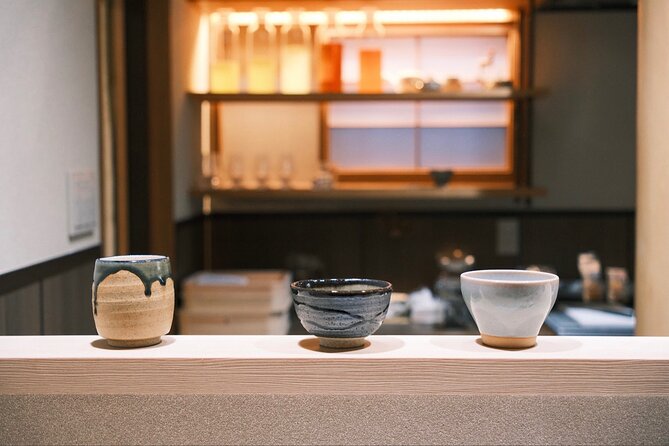
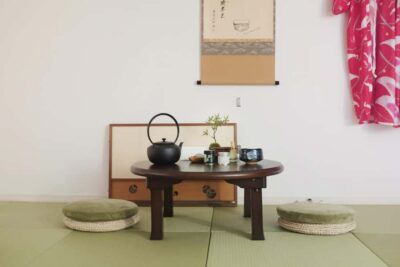
You begin at Guesthouse Naramachi30 in Kitakyōbatechō. The activity takes place in a renovated traditional Japanese house, where the setting does much of the work. You are not sitting in a modern café with a rushed order and a paper menu. You have time to notice the room, settle down, and pay attention to the tea in front of you.
The format is private, so only your group takes part. That matters more than it may sound. Tea customs can feel formal at first, and you may have questions about how to hold a cup, how matcha is whisked, or why a certain tea is served hot or cold. Here, you can ask without worrying about holding up a larger group.
Tea master Mike leads the session. His approach, based on the information available about the experience, combines clear explanations with a friendly, easygoing manner. He has also been praised for working well with children, so families do not need to assume that the session is meant only for serious tea enthusiasts.
More Private Tea Experiences in Japan
- Private Tea Ceremony and Sake Tasting in Kyoto Samurai House
★ 5.0 · 163 reviews - Tea Ceremony Experience in a Private Tea Room in Shibuya
★ 4.9 · 125 reviews - Kyoto: Private Tea Ceremony with a Garden View
★ 4.9 · 61 reviews
Comparing five teas from Nara Prefecture
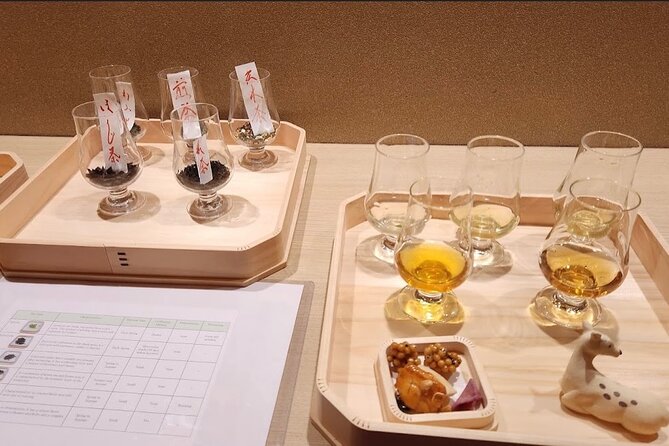
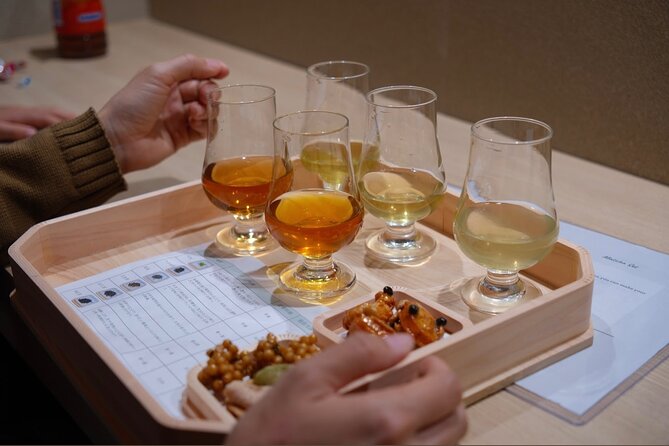
The tasting begins with five Japanese teas selected by the tea master. This is a smart starting point because it gives you a reference point for the rest of the session. Instead of hearing a long explanation about tea styles in the abstract, you taste the differences directly.
You might encounter the fresh aroma and gentle bitterness of matcha, along with mellow roasted teas and other local varieties. The supplied details do not name every tea in the flight, so you should expect the selection to depend on what the tea master has chosen rather than a fixed menu.
That changing selection is part of the appeal. Tea reflects how the leaves are grown, processed, roasted, brewed, and served. A tea that seems light when prepared one way can taste fuller when brewed with different water temperature or timing. Mike explains these points as you taste, helping you understand why Japanese tea is not simply one flavor.
One useful detail is that both cold-brewed and hot-brewed teas may be included. This gives you another comparison. Cold tea can bring out a softer, smoother character, while hot water may reveal more aroma or bitterness. If you already drink green tea at home, this part can help you decide what kinds of tea you actually prefer.
I recommend paying attention to texture as much as flavor. Notice the smell before drinking, the weight of the tea in your mouth, and the finish after you swallow. You do not need expert vocabulary. The point is to identify what you like.
Choosing one tea for a proper pot serving
After tasting the five teas, you choose your favorite for a special pot-brewed serving. This step gives the tasting some direction. You move from small comparisons to a fuller cup prepared with care.
The tea master controls the brewing to bring out the best flavor from the selected leaves. That can help you understand how much preparation affects the final drink. A tea that seemed ordinary in a small tasting portion may reveal more aroma or sweetness when brewed in a pot.
This is also the point where your own preferences matter. You do not have to choose the tea that sounds most traditional or expensive. Pick the one you genuinely enjoyed. If you prefer a mellow roasted style to a sharper green tea, that is useful information to take home.
The session is not presented as a formal examination, and you are not expected to know the right answer. The personal format makes it easier to talk through those choices. Mike can explain the tea, answer questions, and offer suggestions about other places to visit in Japan.
Learning the tools and manners of Japanese tea
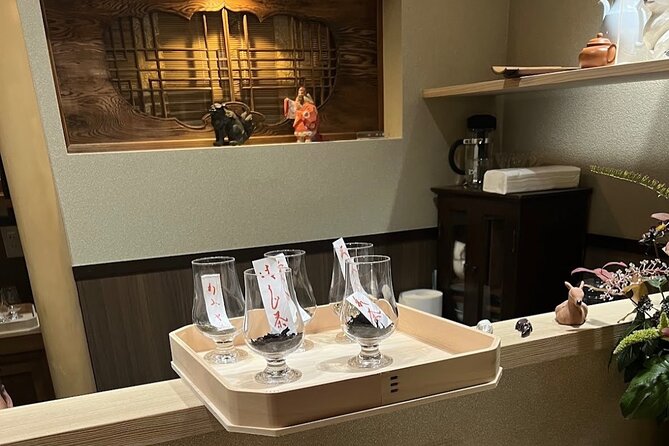
The experience also covers the background of Japanese tea customs, including its history, etiquette, and tools. This helps put the matcha practice into context.
A tea ceremony can look simple from the outside. Someone prepares tea, someone drinks it, and the moment is over. In practice, the movements and objects carry meaning. The order of actions, the way tools are handled, and the attention given to the guest all help create a quiet exchange between host and visitor.
You will learn enough to understand what you are seeing without needing to memorize every rule. That is important for a first experience. Too much ceremony can make a short activity feel like a lesson, while too little explanation leaves you watching without knowing why each step matters.
The instruction is private, so Mike can adjust his explanation to your interest. You might want more detail about the tools, ask about tea in daily Japanese life, or focus on practical ways to prepare matcha at home. The experience also gives you a chance to talk with a local about places to visit while you are in Japan, which adds value beyond the cup itself.
More Tea Tastings in Japan
- Matcha Experience with of Japanese Tea Tasting in Tokyo
★ 5.0 · 31 reviews - Nara:5 Type of Tea Tasting & Mindful Tea Ceremony
★ 5.0 · 28 reviews - Authentic Japanese tea tasting: sencha, matcha and gyokuro
★ 5.0 · 12 reviews - Authentic Japanese tea tasting session: sencha, matcha, gyokuro
★ 5.0 · 11 reviews
Whisking your own matcha
The hands-on portion is the part many people will remember most. After watching the tea master, you whisk your own matcha.
Matcha is powdered tea, so it is prepared differently from leaves steeped in a pot. You use a bamboo whisk to blend the powder with hot water until the surface becomes light and frothy. The motion is quicker and more controlled than simply stirring a drink with a spoon.
You receive personal feedback as you practice. That matters because the technique can feel unfamiliar. You may use too much force, move too slowly, or hold the whisk at an awkward angle. Mike can correct your movement and help you get a better result without turning the exercise into a test.
The calm rhythm is part of the experience. You are asked to focus on the motion, the aroma, and the taste of what you have prepared. This gives the activity a quiet center, especially if your day has been filled with temples, train rides, and crowded sightseeing stops.
Do not expect your first bowl to look exactly like a tea master’s. The value is in learning how the drink is made and understanding the care behind it. If you enjoy matcha, the lesson may also make you more confident ordering or preparing it later.
Wagashi and the balance of sweet and bitter
Seasonal wagashi, or traditional Japanese sweets, complete the tea experience. These sweets are not just a snack on the side. They are meant to balance the flavor of tea, especially matcha, which can have a noticeable bitter edge.
The sweet gives your palate a different starting point before another sip. After tasting the wagashi, the tea may seem smoother or more fragrant. This small pairing also shows how Japanese food traditions often treat taste, texture, appearance, and season as connected.
The exact wagashi selection is not specified, so you should expect the sweets to vary. That is normal for a seasonal offering. If you have dietary restrictions, ask about them before booking or contact the provider directly, since no specific allergy or dietary information is provided.
Families may find this part especially helpful. The sweets give children something familiar to enjoy while they learn about the tea. At the same time, the activity is not reduced to a simple snack stop. The wagashi supports the lesson and adds a traditional food element.
What the private format means for you
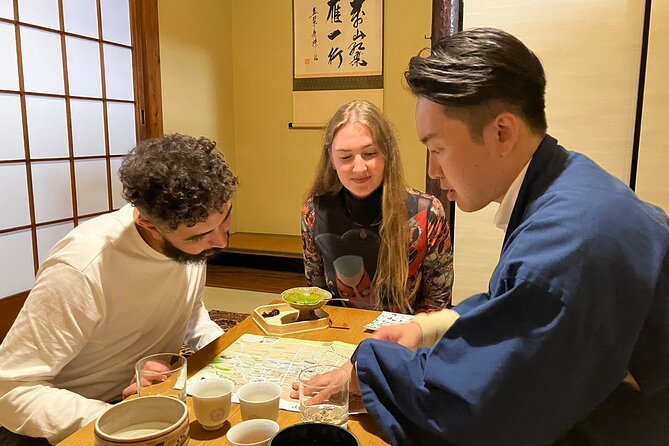
This is a private activity, not a large class. Only your group takes part, which makes it easier to shape the conversation around your interests.
If you are new to Japanese tea, you can ask basic questions without feeling out of place. If you already know matcha, you can spend more time on preparation methods, tea styles, or the cultural side of the ceremony. The private setting also suits couples, families, and small groups who prefer a slower experience.
The session has been described as friendly and accommodating, with a host who enjoys conversation. Mike has also shared local tips, so you can use the time to ask what else is worth seeing in Nara or elsewhere in Japan.
There is a practical tradeoff. A private class has a higher cost per person than a casual café visit or a group demonstration. It also means the experience depends heavily on your connection with the host. If you want a polished performance with little conversation, this may not be the best match. If you want to ask questions and take part, the format works well.
Timing, meeting point, and cost
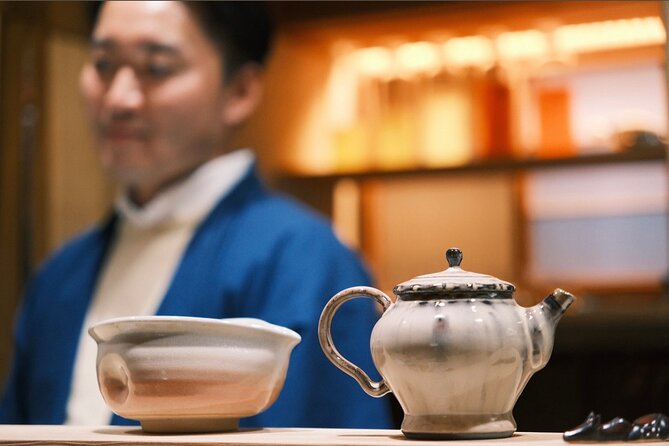
The experience lasts about 1 hour and 30 minutes. That is long enough for a five-tea tasting, a pot-brewed serving, an explanation of tea customs, matcha practice, and wagashi, but short enough to fit into a half-day plan.
You meet at Guesthouse Naramachi30, located at Kitakyōbatechō, Nara, 630-8322, Japan. The activity ends back at the same meeting point. It is near public transportation, and a mobile ticket is accepted.
At $63.06 per person, the price makes sense if you want more than a tasting. You are paying for a private session, five teas, instruction from a tea master, matcha practice, a selected pot-brewed tea, sweets, and local conversation. The value is strongest for people who would otherwise book a separate cultural activity and a tea stop.
The price may feel high if your main goal is simply to drink matcha. Nara has less expensive cafés and tea shops. This experience earns its cost through time, teaching, and personal attention rather than through the amount of tea served.
It is commonly booked around 26 days ahead, so you may want to reserve before your Nara plans are fixed. Free cancellation is available if you cancel at least 24 hours before the start time. Changes or cancellations inside that window are not accepted for a refund.
Who should book this Nara tea experience?
I would recommend it to anyone curious about Japanese tea but unsure where to start. The five-tea format gives you variety, while the matcha lesson gives you something active to do. You are not simply watching a ceremony from a distance.
It also suits visitors who want a quiet break between major sights. Nara can involve a lot of walking, and a calm hour and a half in a traditional house provides a useful change of pace.
Families can consider it too, especially since Mike has been described as good with children. Couples may appreciate the private atmosphere, while solo visitors can use the conversation to ask for local suggestions.
Tea specialists may find the session introductory rather than technical. The available information focuses on tasting, customs, tools, and matcha preparation, not advanced tea study. That is a strength for most first-time visitors, but serious enthusiasts should keep their expectations in check.
Should you book it?
Book this experience if you want a personal, unhurried introduction to Japanese tea and enjoy learning by doing. The strongest reasons are the private setting, five-tea comparison, friendly instruction from Mike, and the chance to make your own matcha.
Skip it if you only want a quick drink or if $63.06 feels too steep for a 90-minute activity. For everyone else, this is a thoughtful way to add food, craft, conversation, and calm to a Nara itinerary.
FAQ
How long does the tea experience last?
The activity lasts approximately 1 hour and 30 minutes.
Where does the experience begin?
You meet at Guesthouse Naramachi30, Kitakyōbatechō, Nara, 630-8322, Japan.
Where does the activity end?
The activity ends back at the meeting point.
Is this a private experience?
Yes. Only your group participates in the activity.
How many teas will I taste?
You will sample five different Japanese teas selected by the tea master and locally sourced in Nara Prefecture.
Can I make my own matcha?
Yes. You receive instruction and personal feedback while whisking your own matcha.
Is a tea ceremony included?
Yes. The experience includes instruction about Japanese tea tradition, etiquette, tools, and ceremony, along with hands-on matcha preparation.
Are Japanese sweets included?
Yes. Seasonal wagashi, traditional Japanese sweets, are included.
Is the meeting point near public transportation?
Yes. The meeting point is near public transportation.
Can I cancel for a full refund?
Yes, if you cancel at least 24 hours before the experience start time. Cancellations made less than 24 hours in advance are not refunded, and changes inside that period are not accepted.
More Tea Ceremonies in Japan
- Kyoto: Tea Ceremony in a Traditional Tea House in Kiyomizu
★ 4.9 · 3,519 reviews - Kyoto: Tea Ceremony Ju-An at Jotokuji Temple
★ 4.9 · 3,207 reviews - Kyoto: 45-Minute Tea Ceremony Lesson Experience
★ 4.3 · 2,378 reviews - Osaka: Tea Ceremony Experience
★ 4.9 · 1,426 reviews
More Matcha Experiences in Japan
- World Heritage Kyoto & Nara Uji Authentic Matcha Experience
★ 5.0 · 1,573 reviews - Kyoto: Arashiyama Bamboo Forest, Monkeys, Matcha & Temple Tour
★ 5.0 · 759 reviews - Matcha Making Class in Tokyo with Authentic Japanese Sweets Set
★ 5.0 · 744 reviews - Kyoto: Tea Museum Tickets and Matcha Grinding Experience
★ 4.9 · 739 reviews
Newly steeped around Japan
- Yokohama : Tea Ceremony with Sweets and Souvenir★ 5.0 · 5 reviews
- Whisk Your Own Matcha: A Zen Matcha Experience at Temple★ 3.6 · 7 reviews
- Walking Tour: Yanaka,Nezu& Sendagi: Tea Ceremony & Old Tokyo★ 5.0 · 3 reviews
- Visit local home for music and tea ceremony near Disney★ 4.9 · 13 reviews
- Trip to Kamakura & Enoshima: Shrines, Seaside, Temples &Tea★ 5.0 · 11 reviews
- Yokohama: Sushi & Gyoza Cooking with Matcha & GreenTea Experience★ 5.0 · 3 reviews
- Kyoto tea town for matcha lovers★ 5.0 · 16 reviews
- Uji: Private immersion into Kyoto’s tea and reglious culture★ 5.0 · 17 reviews
Matcha Experiences, compared.
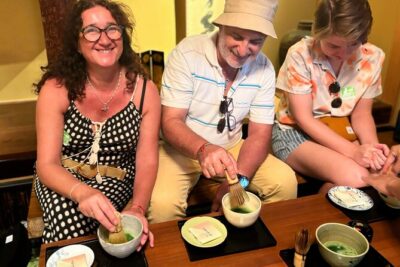
World Heritage Kyoto & Nara Uji Authentic Matcha Experience
Read our review →
Matcha Making Class in Tokyo with Authentic Japanese Sweets Set
Read our review →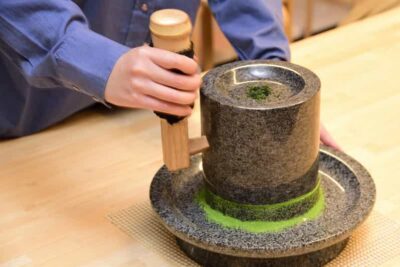
Kyoto: Tea Museum Tickets and Matcha Grinding Experience
Read our review →
Kyoto: Tea Ceremony Meditation – Make Matcha with Tea Master
Read our review →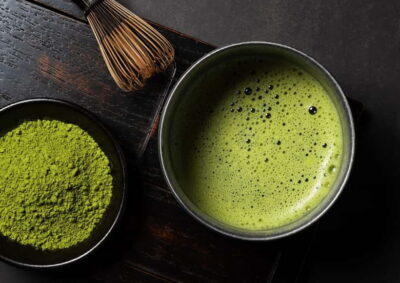
Tokyo: Matcha Making Experience with Mochi Sweets in Asakusa
Read our review →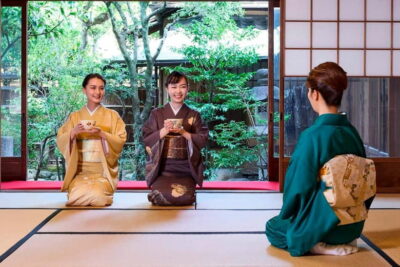
Kyoto: Kimono Tea Ceremony with Matcha and Sweet
Read our review →
Browse the lists this tea experience appears in