
Review · KYOTO
Nerikiri and Matcha Making Class in Kyoto
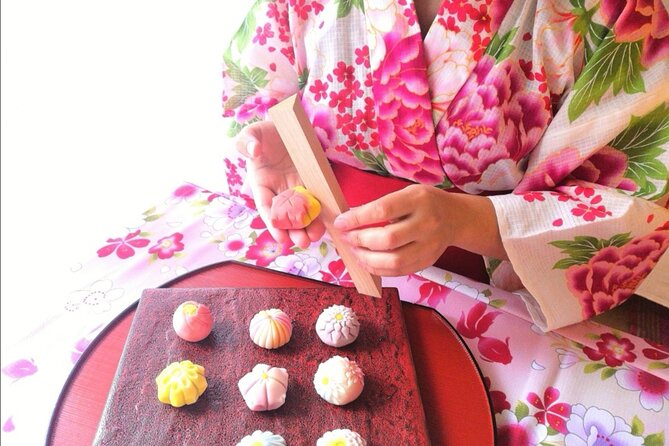
Kyoto’s nerikiri and matcha class gives you something more personal than a quick cooking demonstration. You sit down, shape five Japanese tea sweets with traditional tools, prepare matcha, and eat the results in a small home setting. I like the calm pace and the fact that you leave with both finished sweets and recipes for making the dough later.
I also like the clear hands-on format. The instructor prepares the dough ahead of time, then guides you through five designs, so you can focus on shaping rather than spending the whole session mixing ingredients. The main consideration is the strict, non-refundable cancellation policy, so book only when your Kyoto plans are firm.
Key points to know before booking
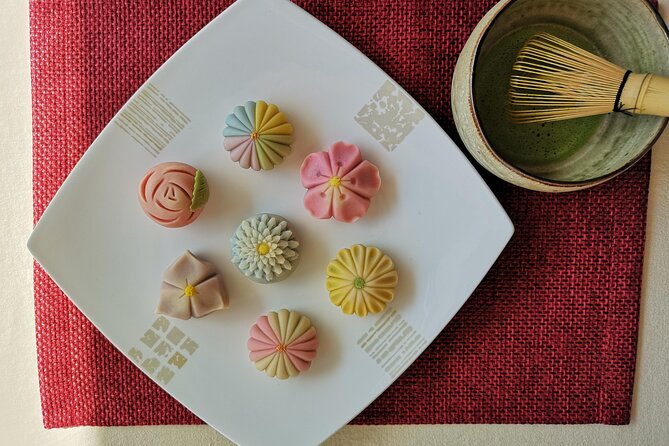
- Five different nerikiri designs: Learn several shaping methods and use various Japanese confectionery tools.
- A small class of up to eight people: The limited size allows for direct instruction and a quieter setting.
- Matcha made at the table: Prepare your own tea, then taste it with the sweets you created.
- Take-home treats included: A container is provided for the nerikiri you do not eat in class.
- Recipes arrive after class: The instructor sends two versions of the nerikiri dough recipe by email if you provide your address.
- Easy station meeting point: Meet at Matsugasaki Station at 10:00 a.m., with the activity ending at the same location.
What nerikiri tells you about Japanese tea culture
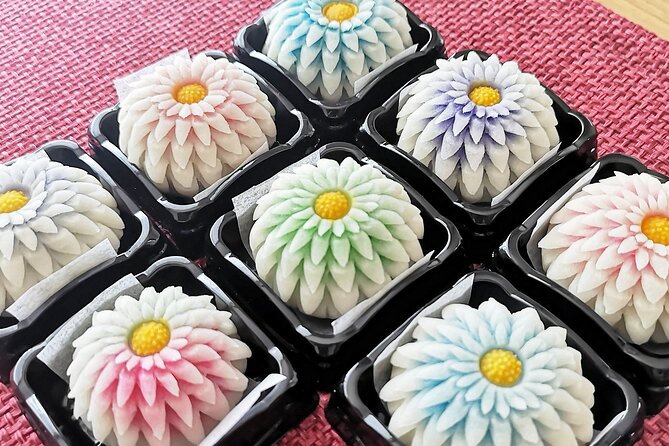
Nerikiri is a traditional Japanese confection served with tea. Its main ingredient is sweet white bean paste, which is shaped into refined designs using color, texture, and small tools.
These sweets are made to please the eye as much as the palate. A finished piece can look like a flower or another seasonal form, though the exact designs taught in this class are not specified in advance. That makes the shaping work the real focus. You are not simply following a standard cookie recipe. You are learning how to turn a soft paste into a small decorative object.
The class also gives you a useful glimpse of tea ceremony customs without asking you to attend a formal ceremony. You make matcha in a table-style setting, then drink it alongside the sweets. The pairing matters: nerikiri is sweet, while matcha has a more earthy, bitter taste. Each helps balance the other.
I find this kind of activity useful for understanding Kyoto beyond temples and gardens. You work with a food that has a clear place in Japanese culture, but the setting is relaxed enough for beginners. The process is quiet and focused, which may be welcome after a day spent walking through crowded streets.
More Matcha Experiences in Kyoto
- Kyoto: Arashiyama Bamboo Forest, Monkeys, Matcha & Temple Tour
★ 5.0 · 759 reviews - Kyoto: Tea Ceremony Meditation – Make Matcha with Tea Master
★ 4.8 · 406 reviews - Kyoto: Kimono Tea Ceremony with Matcha and Sweet
★ 4.9 · 249 reviews
Meeting at Matsugasaki Station at 10:00 a.m.
The meeting point is Matsugasaki Station in Sakyo Ward, at Matsugasaki Rokunotsubocho. The class begins at 10:00 a.m. and returns to the same meeting point when it ends.
Because private transportation is not included, you need to reach the station on your own. The location is near public transportation, which keeps the arrival simple, but you should still allow enough time to find the correct exit and meeting spot. A punctual start matters here. This is a small class, and arriving late could mean missing the explanation of the dough or the first shaping technique.
The total session lasts about two hours and thirty minutes. That is long enough to cover five designs without turning the class into a rushed photo stop. I would plan it as a morning activity, followed by lunch or another visit in Kyoto. The end time is approximate, so avoid booking a tight appointment immediately afterward.
The class takes place in the instructor’s home. That detail gives the experience a personal feel, but it also explains the rules. Only people who have booked the class may enter, and spectators are not allowed. The space is limited, with a maximum of eight participants.
Learning the dough before shaping begins
The instructor begins by explaining how nerikiri dough is made. The actual dough is prepared before class, so you will not make it from raw ingredients during the session.
That may sound like a missing step, but it is a sensible choice for a two-and-a-half-hour workshop. Dough preparation can take time and requires the right consistency. By preparing it ahead, the instructor gives you more time to practice the part that is hardest to learn from a recipe: handling the paste and shaping it cleanly.
You still receive an explanation of the dough process. After class, the instructor sends two versions of the nerikiri dough recipe by email to people who provide an address. This is useful if you want to repeat the activity at home, though you will need to source the ingredients and tools yourself.
The recipe follow-up adds value to the class. Without it, the experience would end when you leave the room. With it, you have a starting point for another attempt, even if your first designs are not perfect. I would give the instructor your email address at the start or before leaving if you want the recipes.
Five designs, five chances to practice
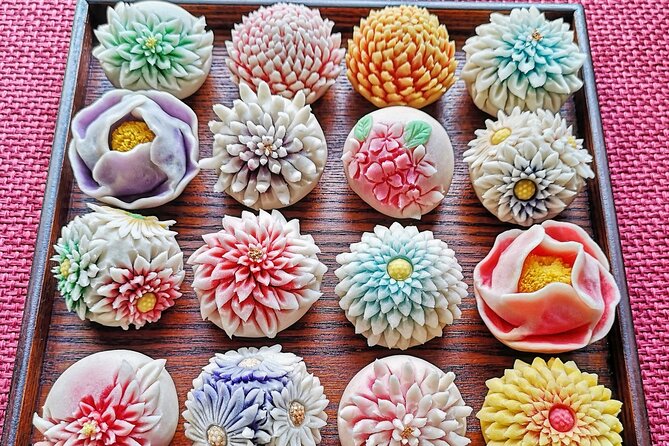
The main part of the class is making five nerikiri designs. The instructor demonstrates each design step by step, then you shape your own sweets using different techniques and various nerikiri tools.
This format should suit you if you like practical learning. You get repeated practice, but each piece has a different goal. One may require careful color placement, another may depend on pinching or pressing, and another may call for a more precise use of a tool. The supplied details do not name the designs, so do not book expecting a particular flower or seasonal motif.
The instruction is aimed at both first-timers and people who want to improve. Beginners can copy the demonstrations and receive guidance as they work. More experienced makers can pay attention to the small movements that create sharper lines and cleaner shapes.
The sweets are described as delicate, but the technique is considered doable with guidance. That is the right expectation. You should not assume that every piece will look like the instructor’s example on the first try. Nerikiri rewards patience, and small differences are part of the fun.
I would treat the five pieces as a progression rather than five unrelated crafts. The first one helps you understand the texture. Later designs give you more chances to control the paste, use the tools, and make the surface look neat. The calm pace also makes the session feel less like a contest.
More Tea and Sweets Making in Kyoto
- Kyoto: Japanese Traditional Sweets Making and Tea Ceremony
★ 4.4 · 314 reviews - Kyoto: Traditional Tea Ceremony with Matcha & Sweets in Gion
★ 4.9 · 27 reviews - 2 Types of Japanese Sweets making and Tea Ceremony
★ 4.6 · 17 reviews - Kyoto near Fushimiinari Wagashi making&Small Group Tea Ceremony
★ 5.0 · 14 reviews
A quiet, therapeutic part of a Kyoto morning
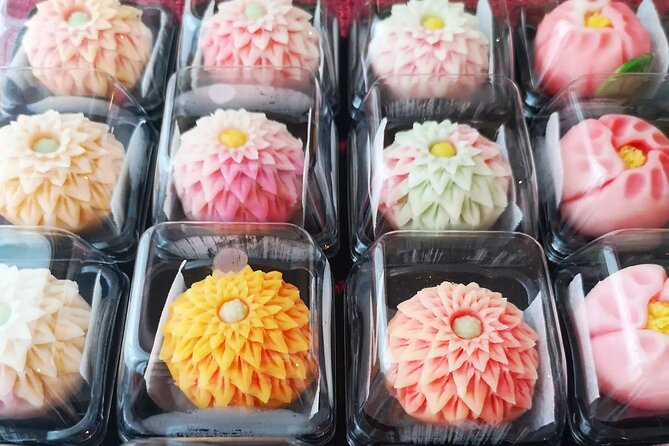
The class has a peaceful quality. The work is small-scale, repetitive, and precise. You are handling soft dough, concentrating on shape, and watching a plain piece become decorative. That makes the session a good fit if you want a break from a busy sightseeing schedule.
The home setting adds to that feeling. The instructor welcomes you into a private space, and the small group helps the session feel more personal than a large commercial workshop. One practical limit follows from this: companions who are not participating cannot wait inside or watch from the side.
The maximum group size is eight. That is not a private class, but it is small enough for the instructor to watch the work and give corrections. For a skill based on touch and finger pressure, that direct help matters. A large group would make it harder to see the demonstration or ask for assistance at the right moment.
Participants must be older than 10. Families with older children may find this a good shared activity, particularly if everyone enjoys careful handwork. Younger children cannot join, and there is no spectator option for them.
Making matcha at the table
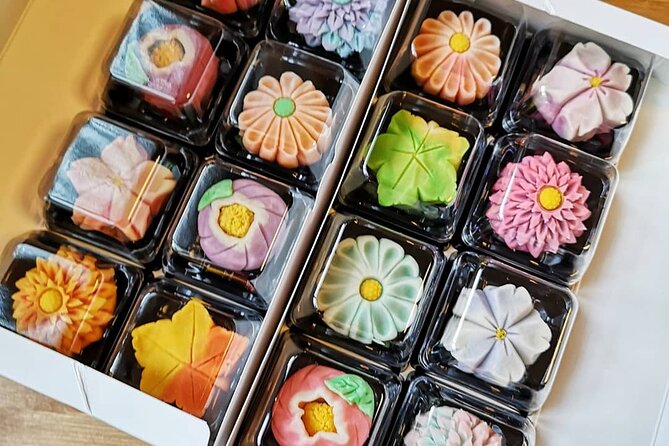
After the nerikiri work, you prepare matcha using the table-style method. This is not presented as a full formal tea ceremony. Instead, it gives you a direct, practical way to make and drink the tea alongside your sweets.
The timing is well chosen. Once you have spent time shaping the nerikiri, the matcha becomes the final part of the experience. You taste the tea with the sweets you made yourself, which gives the closing section a clear purpose rather than making it a separate demonstration.
Matcha has a strong flavor that may be unfamiliar if you usually drink mild green tea. Pairing it with sweet white bean confections makes the tasting more approachable. You also get a better sense of why these sweets are served with tea in the first place.
The class includes matcha, and you do not need to bring your own tea equipment. The information provided does not specify every utensil used, so do not expect a full list of ceremonial tools or a formal lecture on tea etiquette. The focus is on making the tea and enjoying it with your nerikiri.
Eating some and taking the rest home
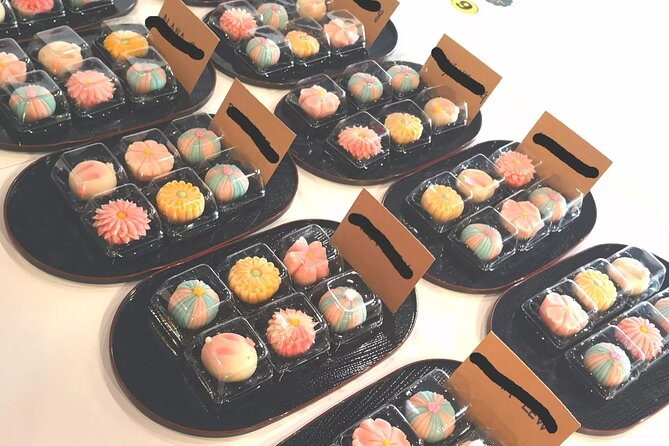
You receive five nerikiri as part of the experience. After making matcha, you can taste them during the class and take the remaining pieces home.
A container is provided, which is a small but important convenience. Soft sweets can be awkward to carry in a paper bag, especially after a full day of sightseeing. The container gives you a practical way to save what you do not eat.
The sweets are the main edible souvenir. They also make a nice reminder of the technique because you can compare the pieces you made in class with how they look later. Since they are handmade confections, handle the container with care and avoid treating it like a sturdy boxed souvenir.
You may want to leave room in your day for enjoying the sweets fairly soon after class. No storage guidance is provided, so the safest approach is to follow the instructor’s advice during the session rather than assume they will keep indefinitely.
Is $84.92 a fair price?
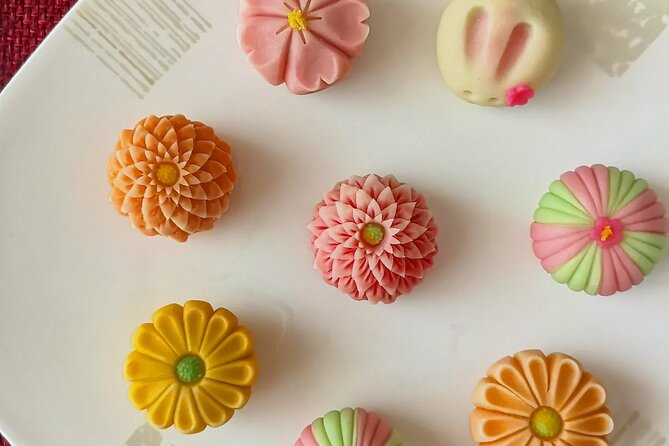
At $84.92 per person, this is not a budget snack stop. The value comes from the full package: about two and a half hours of instruction, five handmade nerikiri, matcha, a take-home container, a small group, and recipes sent after the class.
I think the price is reasonable if you want an activity rather than a quick tasting. You are paying for instruction and access to a specialized craft, not just for five sweets. The class also gives you a cultural context for the food and a chance to repeat the dough-making process later.
The value is weaker if you mainly want to eat traditional Japanese sweets or watch someone else work. You need to take part for the whole session, and only participants may attend. Someone looking for a short, casual food stop may find the class too long and too expensive.
The average booking time is 29 days ahead. That suggests you should not leave this until the last minute, especially if you need a particular morning during a busy Kyoto visit. Confirmation arrives within 48 hours of booking, subject to availability.
The cancellation terms require extra care. The experience is non-refundable and cannot be changed for any reason. If your schedule is uncertain, book only after your sightseeing plans and transport arrangements are settled.
Who will enjoy this class most?
I would recommend this experience to you if you like hands-on cultural activities, careful crafts, Japanese food, or small-group lessons. It is also a good choice if you want a calm morning that feels different from visiting another major sightseeing site.
It suits beginners because the instructor demonstrates every design step by step. You do not need to arrive with professional pastry skills. The five designs give you repeated practice, and the class is also suitable if you already want to improve your technique.
Families should note the age rule. Everyone taking part must be older than 10, and non-participating family members cannot sit in as spectators. Couples, friends, solo visitors, and families with older children can all fit the format, provided each person books a place.
I would think twice if you dislike slow, precise work or want to move around during an activity. The class centers on concentration at a table. It is peaceful, but it is not active in a physical sense.
Practical details that affect your day
Book early if the date matters, since the class is often reserved well ahead. Wait for confirmation, which is sent within 48 hours and depends on availability.
Meet at Matsugasaki Station at 10:00 a.m. The activity finishes back at the meeting point, and private transportation is not included. Keep your arrival plans simple and give yourself a time cushion.
Provide an email address if you want the two dough recipes after class. The finished sweets can go home in the supplied container.
Remember that the booking cannot be refunded or changed. This is the most important practical warning, especially if you are building a Kyoto schedule around weather, day trips, or uncertain train plans.
Should you book the Nerikiri and Matcha Making Class?
Book it if you want to make something with your hands, learn a Japanese confectionery skill, and spend a quiet morning in a small home setting. The strongest reasons are the five different designs, the direct step-by-step teaching, the matcha tasting, and the chance to take sweets and recipes home.
Skip it if you want a cheap tasting, a formal tea ceremony, or an activity that allows spectators. At $84.92, it works best when you value the lesson and the personal setting as much as the food.
For the right person, this is a thoughtful Kyoto experience with a clear result: five small sweets you shaped yourself and a better understanding of how nerikiri belongs beside matcha.
FAQ
Where does the nerikiri and matcha class meet?
The class meets at Matsugasaki Station, Matsugasaki Rokunotsubocho, Sakyo Ward, Kyoto, 606-0915, Japan.
What time does the class begin?
The activity starts at 10:00 a.m.
How long does the experience last?
The class lasts approximately two hours and thirty minutes.
How many people can join the class?
The maximum group size is eight travelers.
What is included in the price?
The class includes five nerikiri, matcha, and a container for taking the remaining sweets home. Private transportation is not included.
Can children attend the class?
Participants must be older than 10. Only people taking part in the class may attend, so spectators are not permitted.
Newly steeped around Kyoto
- Whisk Your Own Matcha: A Zen Matcha Experience at Temple★ 3.6 · 7 reviews
- Kyoto: Authentic Tea Ceremony in a Small Group★ 5.0 · 7 reviews
- Tea ceremony at Kyoto’s Zen Temple Teahouse★ 5.0 · 2 reviews
- Uji Walking Tour – Byodo-in temple and Tea Ceremony from Kyoto★ 3.5 · 3 reviews
- Tea Ceremony Experience in Traditional Kyoto Townhouse★ 5.0 · 19 reviews
- Tea Ceremony in 150 Years Old Townhouse with Tables and Chairs★ 5.0 · 22 reviews
- Silent Beauty of Kyoto Zen Walk and Tea Experience★ 5.0 · 2 reviews
- Traditional Tea Ceremony in Kyoto★ 4.5 · 3 reviews
Tea & Sweets Making, compared.

Matcha Making Class in Tokyo with Authentic Japanese Sweets Set
Read our review →
Tangier: Sunset, Tea, Sweets, Camel Ride, and Hercules Caves
Read our review →
Tokyo: Matcha Making Experience with Mochi Sweets in Asakusa
Read our review →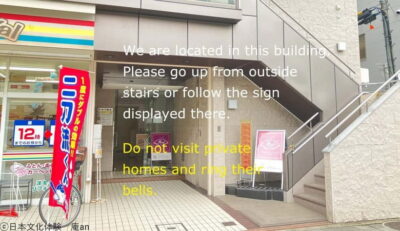
Kyoto: Japanese Traditional Sweets Making and Tea Ceremony
Read our review →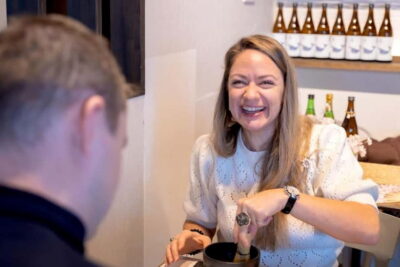
Osaka: Matcha Making Experience with Japanese Sweets
Read our review →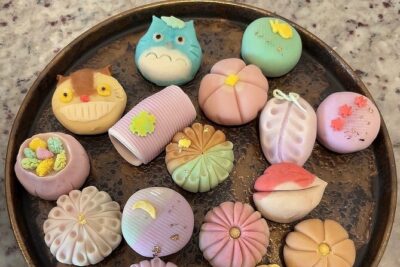
Make Traditional Nerikiri Sweets & Matcha experience in Shibuya
Read our review →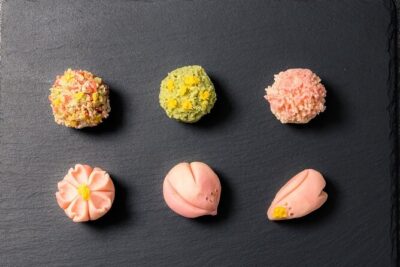
Sweets Making and Kimono Tea Ceremony at Tokyo Maikoya
Read our review →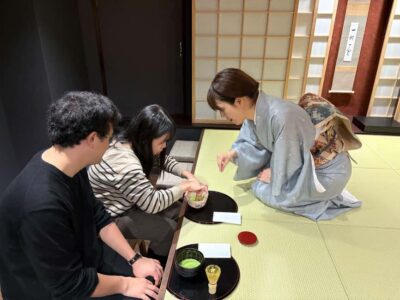
Kyoto: Traditional Tea Ceremony with Matcha & Sweets in Gion
Read our review →Browse the lists this tea experience appears in