
Review · HIROSHIMA
An Amazing set of Cultural experience: Kimono, Tea Ceremony and Calligraphy
At a historic Zen temple on Miyajima, you get more than a quick photo in a rented robe. You learn how a kimono is put together, prepare matcha, follow the basic movements of a tea ceremony, and practice Japanese writing. The combination of dress, tea, and calligraphy gives the visit real shape.
I like the warm, patient help with choosing and wearing the kimono, and I like that the tea ceremony is not just a performance. You watch first, then whisk your own tea. The main consideration is price: at $132.14 per person, this is not a bargain activity, especially after adding the cost and time of reaching Miyajima.
Key points at a glance
- Five minutes from the ferry port: Walk toward Tokujuji Temple to reach Okeiko Japan Miyajima.
- Three hands-on traditions: Put on a kimono, prepare matcha, and practice calligraphy.
- Small groups: The experience accepts no more than eight people, which allows personal help.
- Photos are part of the experience: Staff take pictures during the visit, including family and group shots.
- Flexible timing: Morning and afternoon starts suit different Hiroshima day plans.
- A thoughtful souvenir: Calligraphy practice can be written on wooden spoons and beautifully wrapped.
Why this Miyajima experience feels different
Miyajima is famous for its shrine, torii gate, deer, and sea views. Those sights are worth your time, but they can also make the island feel like a sequence of photo stops. This activity gives you a quieter way to connect with Japanese culture.
You enter Okeiko Japan Miyajima, near Tokujuji Temple, and spend roughly 90 minutes to two hours learning rather than simply looking. The official duration is about 1 hour 30 minutes, while the itinerary allows two hours, so I would leave a little breathing room in your schedule.
The setting matters. A temple provides a calm backdrop for activities that can feel rushed or overly commercial in a city studio. You are not just putting on a costume for a single photograph. You learn a few of the gestures, tools, and manners linked to the clothing, tea, and writing.
The tone also appears to be friendly and relaxed. That helps if you are unfamiliar with Japanese customs or worried about making a mistake. You are there to try, not to perform perfectly.
More Tea and Calligraphy Workshops in Japan
- Osaka: Tea Ceremony, Calligraphy, and Kimono Experience
★ 4.9 · 130 reviews - Experience all of Japanese culture and Japanese food experience classes “origami, udon, Japanese food, green tea, calligraphy” in 4 hours
★ 5.0 · 105 reviews - Osaka: Private Tea Ceremony and Calligraphy Experience
★ 5.0 · 50 reviews
Finding Okeiko Japan Miyajima from the ferry
The meeting point is Okeiko Japan Miyajima, at 741-1 Miyajimachō, Hatsukaichi, Hiroshima 739-0588. From the Miyajima ferry port, it is about a five-minute walk in the direction of Tokujuji Temple.
That short walk is useful, but do not treat the activity as something you can squeeze in between two tightly timed sightseeing stops. You need to arrive at the meeting point, choose clothing, change, take part in three activities, and finish the photo session. Miyajima’s ferry schedule and sightseeing crowds can also affect your day, so allow extra time around the booking.
Morning and afternoon start times provide some flexibility. A morning booking can give your day a clear first activity before you explore the island. An afternoon booking may work better if you want to see other parts of Miyajima first.
The activity finishes back at the same meeting point. There is no separate drop-off, which makes it easy to continue exploring the temple area, walk toward the main sights, or return to the ferry.
Choosing and wearing a traditional kimono
The kimono portion is the most visual part of the experience, but it is not only about dressing up. The staff help you select from the available clothing in your size, then arrange the layers and accessories. That assistance matters because traditional clothing can be confusing to put on correctly, especially when you are handling an obi, cords, socks, sandals, and decorative items for the first time.
You can expect time to choose colors and patterns, with the staff helping match the accessories. The supplied accounts describe a selection of kimonos and help with flowers, cords, obi, socks, and sandals. Sizes are available for different body types, although one person noted feeling unsure about fit before finding an option that worked.
Once dressed, you have the chance to take photographs around the temple grounds and during the wider activity. Staff take many pictures, including group and family photographs. This is a meaningful part of the value because you do not have to rely only on a quick self-timer shot.
The clothing is beautiful, but it may not feel like casual sightseeing attire. A kimono can restrict movement, and you may prefer to walk at an easy pace while wearing it. Plan your wider Miyajima sightseeing around the activity rather than assuming you will spend the whole day touring in the outfit.
For many people, the dressing session is the emotional center of the visit. It turns an abstract lesson about Japanese tradition into something physical. You feel the layers, see how the accessories change the outfit, and gain a better sense of the care involved.
Watching and making matcha
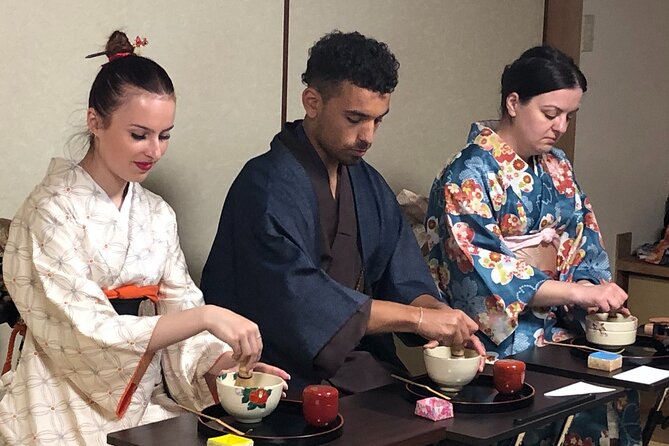
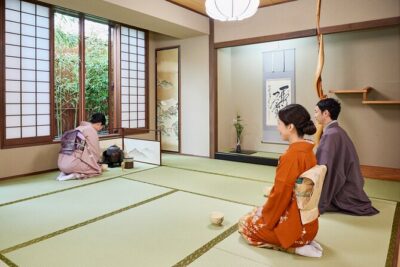
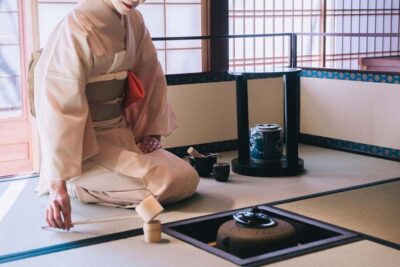
The tea ceremony offers a good balance between watching and doing. First, you see the ceremony performed and learn about the small movements and manners. Then you make your own matcha.
That structure is important. If you only watched, the tea ceremony might feel distant or formal. If you were asked to act without seeing the sequence first, it could feel awkward. Here, you have a chance to observe the rhythm before trying it yourself.
You prepare the powdered green tea with a whisk. The process is simple in equipment but not necessarily easy in practice. Getting the right motion takes attention, and the quiet focus of the activity gives you a break from Miyajima’s busier sightseeing areas.
The tea bowls used during the lesson were described as being made by local artisans. That adds a useful layer to the session. You are not just handling generic cups, but paying attention to the bowl as part of the tea setting.
You should not book this expecting a long, formal tea-school lesson. The experience is designed for a short visit and combines three activities. It gives you an introduction to the manners and actions, then lets you try them for yourself.
I especially like this part for families and first-time visitors because it is interactive without requiring prior knowledge. The minimum age is six, and most people can take part. Younger children may need help staying focused through the quieter moments, but the chance to whisk tea gives the lesson a practical hook.
More Kimono and Tea Ceremonies in Japan:
- Kimono Tea Ceremony at Kyoto Maikoya, NISHIKI
★ 5.0 · 911 reviews - Kimono Tea Ceremony at Tokyo, Asakusa Maikoya
★ 5.0 · 638 reviews - Kyoto: Kimono Tea Ceremony at Orizuruya Gion
★ 4.9 · 618 reviews - KYOTO Tea Ceremony with kimono near by Imamiya Jinjya Shrine
★ 5.0 · 343 reviews
Practicing Japanese calligraphy
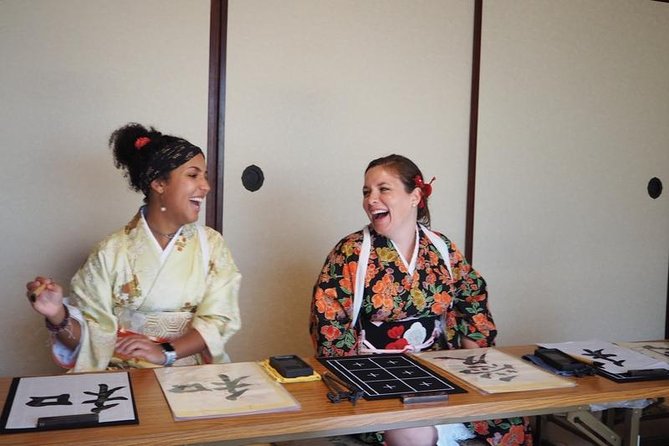
The calligraphy lesson follows the tea activity and changes the pace. You practice Japanese characters, including kanji and names, with guidance from the staff.
Calligraphy often looks easier than it is. The order and direction of brush strokes require care, and a few marks can change the balance of a character. That makes this a useful cultural activity rather than a simple craft project. You gain a small sense of the discipline behind Japanese writing.
The lesson is suitable for complete beginners. You do not need to read Japanese to enjoy it. The point is to handle the brush, attempt the symbols, and see how much control the writing requires.
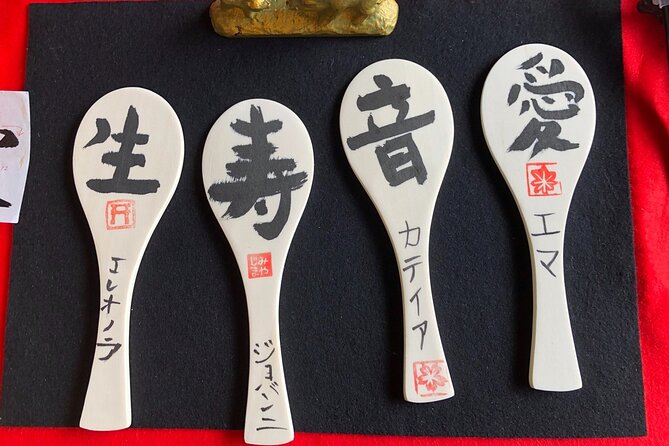
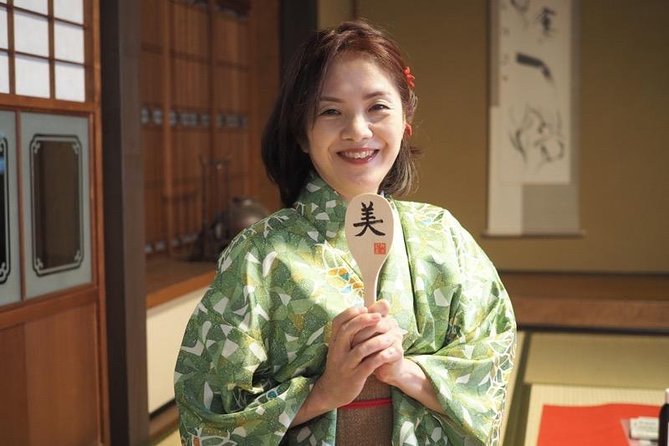
A particularly nice detail is the chance to place your work on wooden spoons and have them beautifully wrapped as a souvenir. That gives you something more personal than a standard shop purchase. Your writing may not be perfect, but that is part of its charm.
Calligraphy also gives the experience a more reflective finish. After the movement and photographs of the kimono session, you sit and concentrate on a few characters. If your Hiroshima visit has included difficult or serious historical sites, this quieter activity can offer a welcome pause without pretending to replace those experiences.
Photos, hospitality, and the small group setting
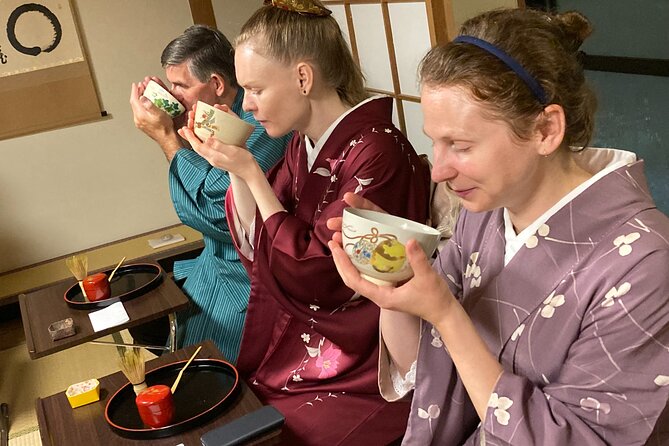
The group limit is eight people. That is a strong practical feature for an activity requiring clothing help, tea instruction, and brush practice. A large group could turn the kimono selection into a waiting line and make the ceremony hard to see. With no more than eight, staff have a better chance to help each person.
The staff take photographs throughout the experience, not only at the end. This can include solo portraits, couples, and family groups. If photographs matter to you, ask how they will be shared and check that you understand the process before leaving. One person had trouble with the app used for the photos, so the method may be worth confirming on the day.
The staff are repeatedly described as kind, welcoming, and willing to spend time with each group. That is especially helpful for anyone who feels nervous about etiquette. You can ask questions, try again, and enjoy the process without treating every movement as a test.
The atmosphere seems to work for mixed groups as well. It is not only a women’s dress-up activity. Men in one group enjoyed the experience, and the format suits families, couples, friends, and solo visitors who want a cultural activity with structure.
Is $132.14 a fair price?
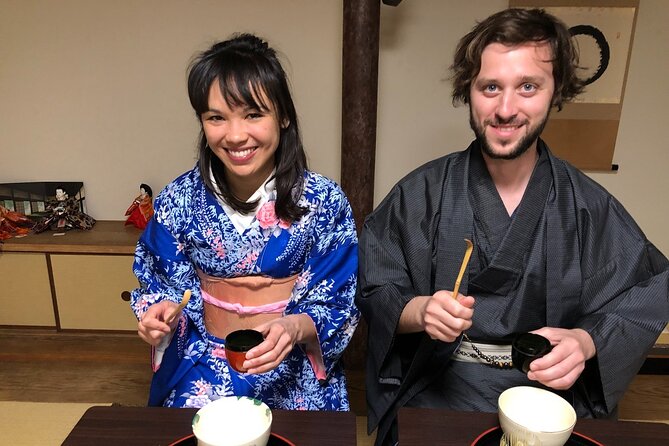
At $132.14 per person, this experience needs to deliver more than a rented kimono and a single photograph. It includes several connected activities, personal help with dressing, instruction in tea and calligraphy, photographs, and access to a temple setting. The group limit of eight also supports the price.
The value is strongest if you would otherwise pay separately for kimono rental, a tea lesson, and professional-style photos. You receive all three elements in one appointment, with staff guiding you from one part to the next.
The value is weaker if you mainly want a quick kimono photograph. Miyajima offers plenty to see, and a short photo stop would cost less through other arrangements. This activity earns its price through the teaching and the time spent with the staff.
You should also count the journey to Miyajima. The experience is in Hiroshima Prefecture, but reaching the island takes planning. The supplied accounts include one determined pair who made an early morning trip from Shin-Osaka and felt the effort was worthwhile, but that does not mean you need to copy such a demanding schedule.
If you are already planning a Miyajima day, the price is easier to justify. If you are staying in central Hiroshima for only a short time, compare the ferry journey and appointment time with your other priorities.
Who should book this cultural activity?
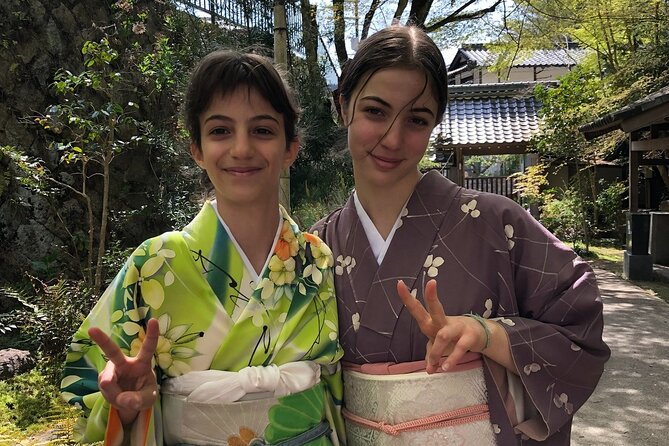
I would recommend it most strongly to first-time visitors who want an introduction to Japanese customs without committing to a full formal course. You get clear activities, practical guidance, and a souvenir to take away.
It also suits:
- Families with children aged six or older
- Couples who want photographs in traditional clothing
- Friends looking for a shared cultural activity
- Anyone curious about tea ceremony manners
- People who want a slower temple-based break from sightseeing
- Visitors who enjoy crafts and hands-on lessons
The experience may be less suitable if you dislike being photographed, have little interest in dressing in traditional clothing, or want a full-day temple and island tour. The activity is focused and structured. It does not replace time at Miyajima’s major sights.
Most people can participate, and the minimum age is six. The available information does not provide detailed clothing, mobility, or dietary guidance, so contact Okeiko Japan before booking if you have a specific need.
Timing, cancellations, and useful planning tips
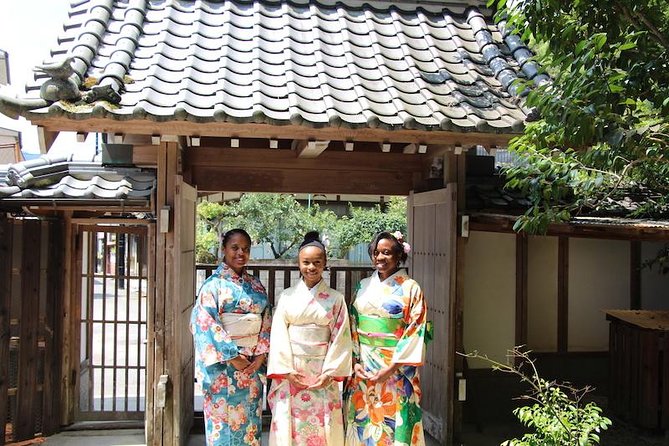
You can choose a morning or afternoon start. Because the experience ends where it begins, it is easy to fit into a broader Miyajima plan, but leave a buffer around the ferry and your appointment.
Booking is often made about 38 days ahead, which suggests that popular dates can fill well before your trip. If your Hiroshima schedule is fixed, reserving in advance is sensible.
The cancellation policy allows a full refund if you cancel at least 24 hours before the start time. Changes or cancellations made less than 24 hours before the local start time are not accepted for a refund.
A few practical tips will make the visit smoother:
- Allow more than five minutes to find the meeting point if Miyajima is busy.
- Keep your schedule flexible after the activity because the actual visit may take up to two hours.
- Tell the staff if you want plenty of individual, couple, or family photographs.
- Confirm how photographs will be delivered before you leave.
- Wear or bring clothing that allows you to change comfortably.
- Plan the appointment as one part of your Miyajima day, not as a substitute for seeing the island.
Should you book Okeiko Japan Miyajima?
Book it if you want a personal introduction to Japanese traditions, enjoy hands-on activities, and value photographs that record the occasion. The best features are the small group, patient dressing help, the chance to prepare your own matcha, and the calligraphy souvenir.
Think twice if your budget is tight or if your main goal is simply to see Miyajima’s temples and scenery. At $132.14, this is a special-interest activity, not an inexpensive add-on.
For the right person, it gives a Miyajima day more meaning. You leave with a better feel for the care behind a kimono, the focus of a tea ceremony, and the patience needed for calligraphy. That makes the cost easier to accept than a quick costume photograph alone.
FAQ
Where does the experience take place?
It takes place at Okeiko Japan Miyajima, at 741-1 Miyajimachō, Hatsukaichi, Hiroshima 739-0588, Japan.
How far is the meeting point from the ferry port?
Okeiko Japan Miyajima is about a five-minute walk from the Miyajima ferry port, in the direction of Tokujuji Temple.
How long does the activity last?
The experience is listed as approximately 1 hour 30 minutes. The itinerary allows two hours, so you should plan for some extra time.
What activities are included?
You learn to wear a kimono, take part in a tea ceremony, make your own matcha, and practice Japanese calligraphy.
Can I choose a morning or afternoon start?
Yes. Morning and afternoon start times are available.
What is the maximum group size?
The activity has a maximum of eight people.
What is the minimum age?
The minimum age is six.
Does the activity finish at the meeting point?
Yes. The activity ends back at Okeiko Japan Miyajima.
Are photographs taken during the experience?
Yes. The staff take photographs during the activity, including photographs in the kimono and group or family pictures. One practical point is to confirm how the photos will be shared.
How much does the experience cost?
The listed price is $132.14 per person.
Can I cancel for a full refund?
Yes, if you cancel at least 24 hours before the experience start time. Cancellations or changes made less than 24 hours before the local start time are not eligible for a refund.
More Tea Ceremonies in Japan
- Kyoto: Tea Ceremony in a Traditional Tea House in Kiyomizu
★ 4.9 · 3,519 reviews - Kyoto: Tea Ceremony Ju-An at Jotokuji Temple
★ 4.9 · 3,207 reviews - Kyoto: 45-Minute Tea Ceremony Lesson Experience
★ 4.3 · 2,378 reviews - Osaka: Tea Ceremony Experience
★ 4.9 · 1,426 reviews
Newly steeped around Japan
- Yokohama : Tea Ceremony with Sweets and Souvenir★ 5.0 · 5 reviews
- Whisk Your Own Matcha: A Zen Matcha Experience at Temple★ 3.6 · 7 reviews
- Walking Tour: Yanaka,Nezu& Sendagi: Tea Ceremony & Old Tokyo★ 5.0 · 3 reviews
- Visit local home for music and tea ceremony near Disney★ 4.9 · 13 reviews
- Trip to Kamakura & Enoshima: Shrines, Seaside, Temples &Tea★ 5.0 · 11 reviews
- Yokohama: Sushi & Gyoza Cooking with Matcha & GreenTea Experience★ 5.0 · 3 reviews
- Kyoto tea town for matcha lovers★ 5.0 · 16 reviews
- Uji: Private immersion into Kyoto’s tea and reglious culture★ 5.0 · 17 reviews
Kimono & Tea Ceremony, compared.

KYOTO Tea Ceremony with kimono near by Imamiya Jinjya Shrine
Read our review →
Kyoto: Kimono and Tea Ceremony Experience at Cultural Asset
Read our review →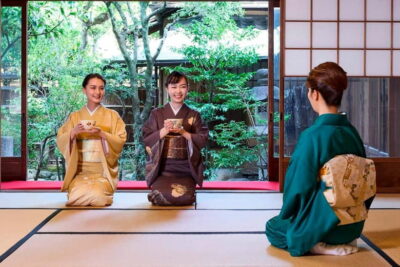
Kyoto: Kimono Tea Ceremony with Matcha and Sweet
Read our review →
Tokyo: Asakusa Kimono Dressing and Matcha Experience
Read our review →Browse the lists this tea experience appears in