
Review · KYOTO
Tea ceremony at Kyoto’s Zen Temple Teahouse
Kyoto sightseeing can run at full speed, so this 45-minute tea experience offers a useful pause. You walk through Ryosokuin Temple’s quiet garden to a traditional teahouse, where matcha and a small handmade sweet are served in a setting with more than 600 years of temple history.
I like the private format, which keeps the visit personal rather than turning it into a crowded demonstration. I also like that the garden is part of the experience, not just a backdrop for the tea. The main consideration is price: at $70.08 per person, you are paying for the setting, privacy, and calm as much as for the bowl of matcha.
Key Points to Know Before You Book
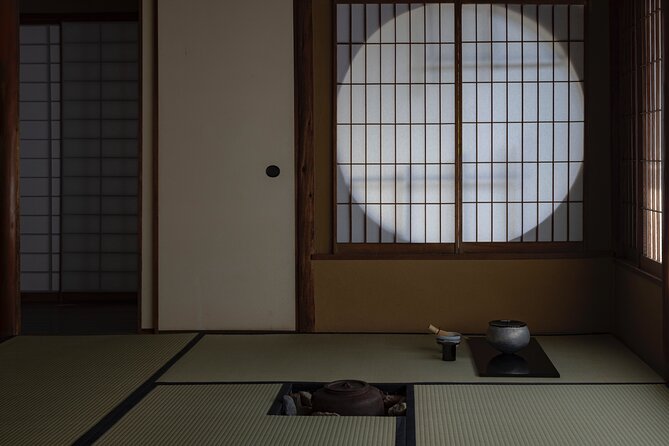
- A garden walk begins the visit: You enter through Ryosokuin Temple’s serene grounds before reaching the teahouse.
- Matcha and an artisanal sweet are included: The food portion is simple, focused, and traditional.
- The experience lasts about 45 minutes: It fits neatly into a day of sightseeing without taking over your schedule.
- Your group has the teahouse privately: One group participates at a time, with space for one additional adult or up to two children for an extra charge.
- The setting is more than 600 years old: The temple gives the tea a strong sense of place.
- Free cancellation is available until 24 hours before the start: Late cancellations and late changes are not accepted.
Entering Ryosokuin Temple Through the Garden
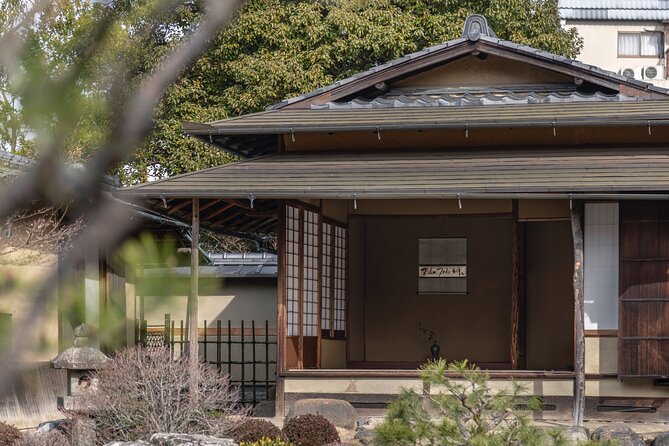
The experience begins at Kenninji Ryosokuin, at 591 Komatsuchō in Kyoto’s Higashiyama Ward. The temple is near public transportation, but the supplied information does not specify a particular station or walking time, so check your route before setting out.
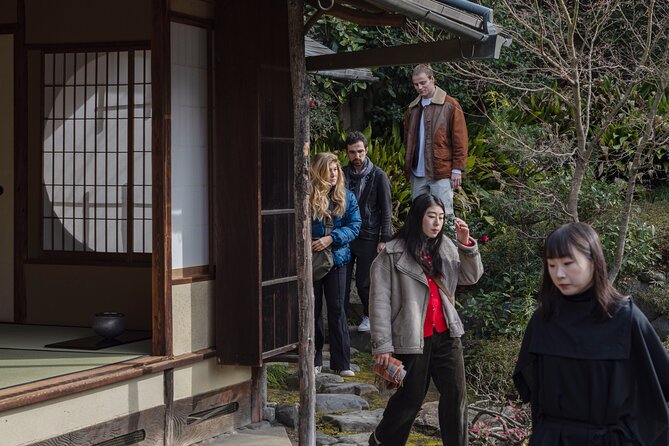
The first part is a walk through the temple garden. This matters because you do not simply arrive at a room, drink tea, and leave. The garden creates a slower transition from Kyoto’s busy streets to the quiet mood of the teahouse.
You should allow yourself enough time to arrive calmly. The meeting point is also the end point, so there is no need to arrange a separate return location. That is handy if you are fitting this stop between other sights in Higashiyama.
The garden itself is one of the experience’s main rewards. You can enjoy it before the tea, and the garden remains in front of the teahouse while you drink. The visit gives you a chance to look outward rather than focus only on the tea-making process.
More Tea Ceremonies in Kyoto
- Kyoto: Tea Ceremony in a Traditional Tea House in Kiyomizu
★ 4.9 · 3,519 reviews - Kyoto: Tea Ceremony Ju-An at Jotokuji Temple
★ 4.9 · 3,207 reviews - Kyoto: 45-Minute Tea Ceremony Lesson Experience
★ 4.3 · 2,378 reviews
The Traditional Teahouse and Its Quiet Pace
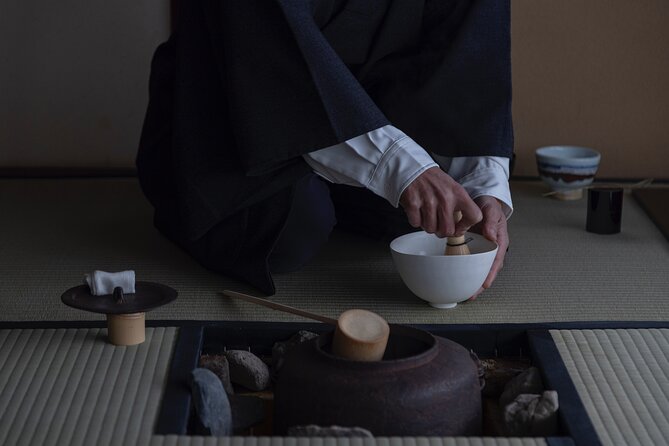
The teahouse is the heart of the visit. Once inside, you receive a bowl of matcha green tea and an artisanal piece of sweet. The offering is intentionally modest. This is not a full meal or a long food tasting. It is a short tea moment built around presentation, flavor, and stillness.
The description does not provide the names of the hosts or spell out every step of the preparation. You should therefore book this for the atmosphere and private setting, not for a detailed lecture or an elaborate stage performance.
That distinction helps set the right expectations. Some tea experiences focus heavily on ceremony instructions, hand movements, utensils, and formal etiquette. Here, the clearest promise is simpler: a traditional teahouse, matcha, a sweet, and time for reflection in a temple garden.
I like that approach for a busy Kyoto itinerary. You do not need to treat the visit like a test of Japanese etiquette. You can pay attention to the tea, the room, and the view in front of you. The quiet is part of what you are buying.
The two available ratings are both five out of five, with praise for the peaceful setting and kind, helpful hosts. One description calls it a simple matcha ceremony that provides welcome reflection during a busy trip to Japan. That is a useful way to understand the experience. Its strength is not a long list of activities. Its strength is the pause.
Matcha, Sweet, and Garden Views
Matcha has a firm, grassy flavor and a different character from the mild green tea served in many restaurants. If you already enjoy matcha, this bowl gives you a chance to appreciate it in a more traditional setting. If you are new to it, the small serving keeps the commitment low.
The artisanal sweet is an important part of the tea service. Japanese sweets are often used to balance matcha’s bitter edge, and the pairing gives the visit a clear rhythm: enjoy the sweet, sip the tea, and take in the garden.
The exact sweet is not specified, so you should not book this expecting a particular flavor or ingredient. If you have dietary restrictions, ask in advance. That is especially important because the ingredients of the sweet are not listed.
The garden view helps the experience feel less confined. You can savor the tea while looking toward a tranquil outdoor space, giving you something to notice as you sit. This is a good fit if you appreciate small details and do not need constant narration.
The visit also leaves room for reflection. That phrase can sound vague, but here it has a practical meaning. You have a short period without transfers, queues, shopping decisions, or a checklist of sights. For many people, that break can make the rest of the day more enjoyable.
Why the Private Format Matters
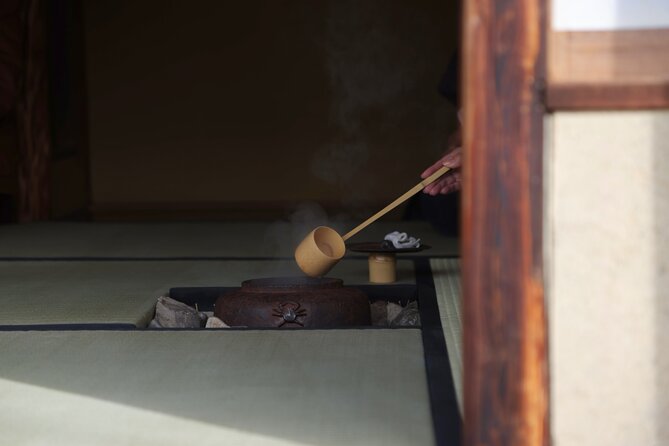
Only your group participates, which changes the feel of the visit. A private booking gives you a quieter setting and avoids sharing the teahouse with a large group. It can also make the experience easier for companions with different levels of interest in tea.
The room has limited space. The information provided allows one group with up to two children, or one additional adult, with extra charges applying. That makes this a small-scale visit rather than a flexible outing for a large family or tour party.
You should check the group arrangement carefully when booking. The private format is a strength, but the room size limits how many people can join. The available information does not give the exact additional charge, so confirm that before adding another adult or children.
For couples, solo visitors, or a small group of friends, the size may be ideal. You can settle into the moment without a crowd around you. Families should think about the children’s ages and patience, since a quiet tea setting may suit some children better than others. The data confirms that up to two children can be accommodated, but it does not describe children’s activities or a special family program.
More Zen Tea Sessions around Kyoto:
- Kyoto: Tea Ceremony Meditation – Make Matcha with Tea Master
★ 4.8 · 406 reviews - Kyoto: Mindful Tea Ceremony in 100-Year-Old Teahouse
★ 4.8 · 160 reviews - Oboro | Mindful Tea Ceremony in a 100-Year-Old Kyoto Teahouse
★ 5.0 · 19 reviews - The Art of Mindful Living: Tea Ceremony in Kyoto
★ 5.0 · 16 reviews
Is $70.08 a Fair Price?
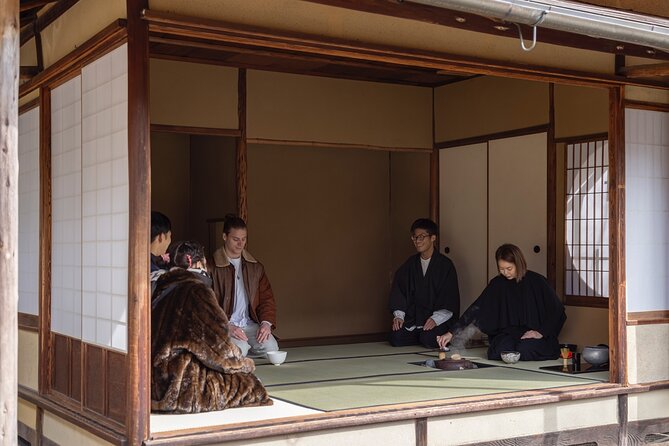
At $70.08 per person, this is not the cheapest way to drink matcha in Kyoto. You are not paying only for tea and a sweet. The fee also reflects the temple setting, the garden walk, the private arrangement, and the time set aside for quiet.
The value depends on what you want from the visit. If you mainly want to taste matcha, you can likely find less expensive options elsewhere. If you want a calm, place-based experience in a historic temple with your own small group, the price is easier to justify.
The 45-minute duration keeps the total commitment reasonable. You get enough time for the garden, the tea, and a period of contemplation without using half a day. That is useful if you are also planning temple visits, meals, or shopping in Kyoto.
The price becomes less attractive for someone who prefers a detailed cultural lesson or a larger menu. The supplied details promise one bowl of matcha and one artisanal sweet, not a meal, a multi-course tasting, or a long workshop. Book it for the setting and mood, not for quantity.
I would consider it a good-value splurge for a special part of a Kyoto trip. It works especially well after a crowded morning or before an evening meal, when you want a short reset. It is less compelling if your schedule is already packed and you would feel rushed sitting still.
Planning the Visit in Kyoto
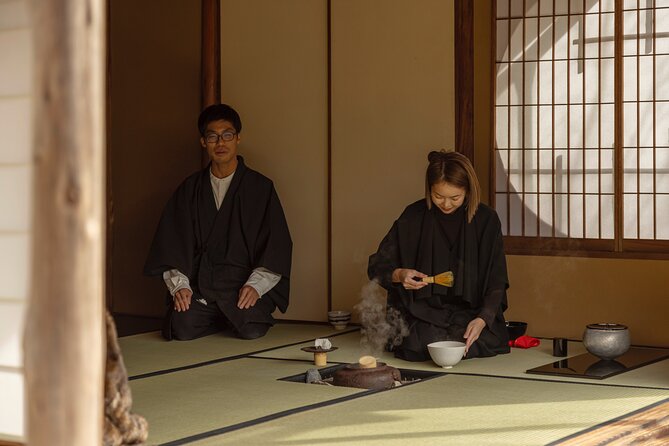
The meeting point is Kenninji Ryosokuin, 591 Komatsuchō, Higashiyama Ward, Kyoto, postal code 605-0811. The area is near public transportation, which makes the location practical, although no exact transit directions are supplied.
Use the full temple address when planning your route. Kyoto has many temples and narrow streets, so do not rely only on the general name. A mobile ticket is provided, and confirmation arrives at the time of booking.
The activity ends back at the meeting point. This is useful if you plan to continue exploring the same part of Kyoto. It also means you do not need to think about a separate drop-off or final destination.
The experience is booked, on average, 23 days ahead. That does not guarantee that every date sells out, but it suggests that reserving early is sensible if your Kyoto schedule is fixed. The private format and small room make last-minute space less certain than with a large public attraction.
Arrive with enough time to find the temple and settle down. The supplied details do not state a required arrival time, so follow the confirmation instructions you receive after booking.
Who Will Enjoy This Tea Experience?
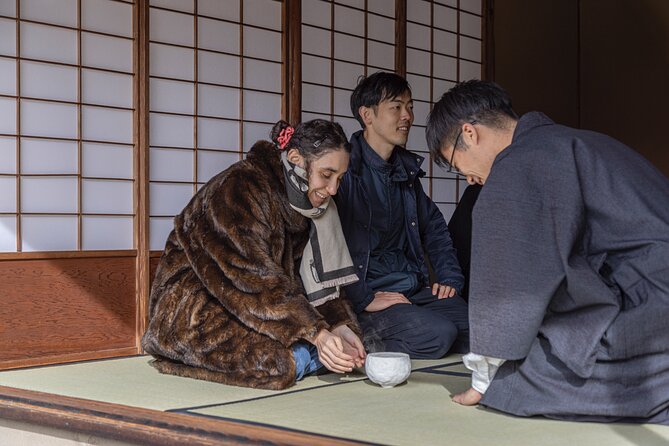
I would recommend this to you if you want a peaceful cultural stop rather than a long lesson. It suits people who appreciate gardens, traditional spaces, matcha, and time without a packed schedule.
It is also a good choice for a couple or small private group. The hosts have been described as lovely and helpful, and the private arrangement gives you a more personal setting. Since the visit has earned two five-star ratings, the strongest pattern is clear: the calm atmosphere and welcoming hosts are the main attractions.
This may not suit you if you want a large meal, extensive tea instruction, or a lively group activity. The experience is short and focused. You receive tea and a sweet, then enjoy the setting.
Families can inquire about bringing children, since the teahouse can accommodate one group with up to two children for an additional charge. Ask ahead about dietary needs, too. The provider specifically requests advance questions about restrictions, and the sweet’s ingredients are not provided.
Cancellation and Practical Details
You can cancel for a full refund up to 24 hours before the local start time. Cancellations made less than 24 hours ahead are not refunded, and changes within that same period are not accepted.
The activity is private, uses a mobile ticket, and begins and ends at Ryosokuin Temple. Confirmation is provided when you book. Those details make the reservation straightforward, but you still need to check the confirmation for the exact start time and any arrival instructions.
Because the visit is only about 45 minutes, late arrival could take a noticeable share of your time. Build in a little room for finding the temple, especially if you are coming from another sightseeing stop.
Should You Book It?
Book this experience if you want a quiet temple pause, a garden setting, and private time with matcha. The strongest reasons to go are the Ryosokuin setting, the small group format, and the chance to slow down during a busy Kyoto day.
Skip it if your main goal is the lowest-priced cup of tea or a long, formal lesson in tea ceremony. At $70.08 per person, the value rests in the setting and stillness. For the right visitor, that calm can be worth more than another rushed attraction.
FAQ
Where does the tea experience take place?
It takes place at Kenninji Ryosokuin, 591 Komatsuchō, Higashiyama Ward, Kyoto, 605-0811, Japan.
How long does the experience last?
The experience lasts approximately 45 minutes.
What is included?
You can enjoy a bowl of matcha green tea and an artisanal piece of sweet while spending time in the traditional teahouse and viewing the garden.
Is the activity private?
Yes. Only your group participates in the activity.
How many people can join?
The teahouse can accommodate one group with up to two children, or one additional adult. Additional charges apply.
Does the activity start and finish at the same place?
Yes. It starts at Kenninji Ryosokuin and ends back at the meeting point.
Is the location near public transportation?
Yes. The meeting point is near public transportation.
Will I receive a mobile ticket?
Yes. The experience includes a mobile ticket, and confirmation is received at the time of booking.
Can I ask about dietary restrictions?
Yes. You should inquire in advance if you have dietary restrictions.
Can I cancel for a refund?
You can cancel at least 24 hours before the local start time for a full refund. Cancellations or changes made less than 24 hours before the start are not accepted, and the amount paid is not refunded.
Newly steeped around Kyoto
- Whisk Your Own Matcha: A Zen Matcha Experience at Temple★ 3.6 · 7 reviews
- Uji Walking Tour – Byodo-in temple and Tea Ceremony from Kyoto★ 3.5 · 3 reviews
- Kyoto: Authentic Tea Ceremony in a Small Group★ 5.0 · 7 reviews
- Tea Ceremony Experience in Traditional Kyoto Townhouse★ 5.0 · 19 reviews
- Tea Ceremony in 150 Years Old Townhouse with Tables and Chairs★ 5.0 · 22 reviews
- Sencha-do the Japanese Tea Ceremony Workshop in Kyoto★ 5.0 · 21 reviews
- Silent Beauty of Kyoto Zen Walk and Tea Experience★ 5.0 · 2 reviews
- Traditional Tea Ceremony in Kyoto★ 4.5 · 3 reviews
Zen Tea & Meditation Experiences, compared.
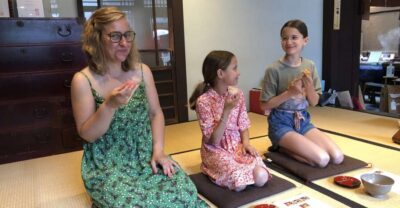
Kyoto: Tea Ceremony Meditation – Make Matcha with Tea Master
Read our review →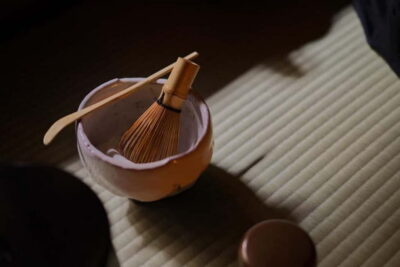
Kyoto: Mindful Tea Ceremony in 100-Year-Old Teahouse
Read our review →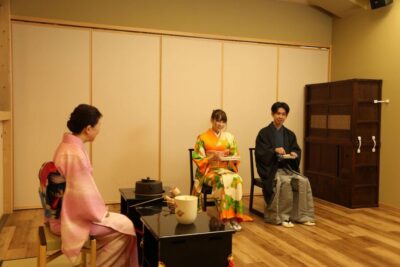
Tokyo: Practicing Zen with a Japanese Tea Ceremony
Read our review →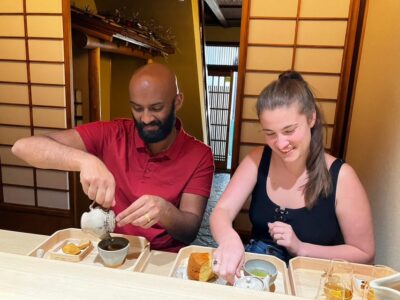
Nara:5 Type of Tea Tasting & Mindful Tea Ceremony
Read our review →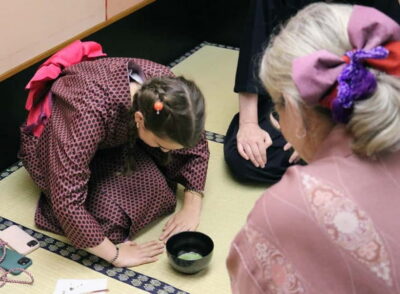
Learn Zen in a class of making Matcha tea near Osaka Castle
Read our review →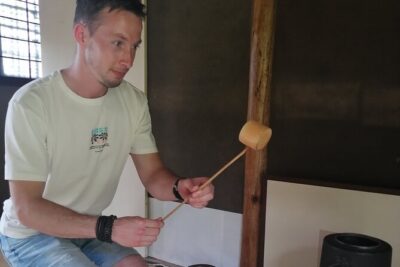
The Art of Mindful Living: Tea Ceremony in Kyoto
Read our review →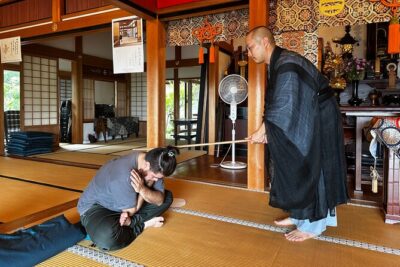
Shizuoka Shore Excursion: Zen, Matcha & Calligraphy Shimizu Port
Read our review →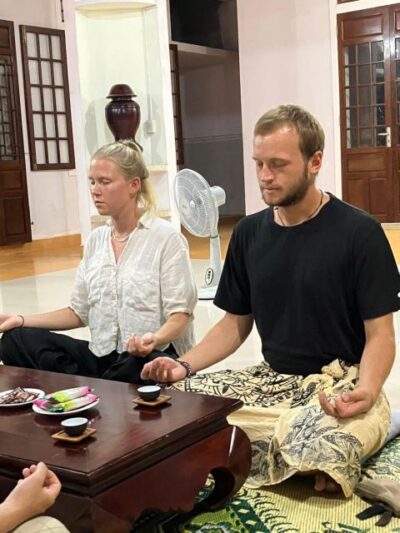
Hue Retreat: Tea and Meditation with Vegetarian Meal
Read our review →Browse the lists this tea experience appears in