
Review · TOKYO
Tokyo:Genuine Tea Ceremony, Kimono Dressing, and Photography
The heart of this Tokyo outing is a small, hands-on tea ceremony rather than a quick demonstration. You watch an experienced instructor prepare matcha at close range, then make your own bowl. The calm movements, tea sweets, and careful explanations give you a real look at the manners behind the ritual.
I like the chance to choose from more than 50 kimono and yukata, and I like that Sayoko teaches practical details such as how to walk, sit, and pray at a Shinto shrine. The main consideration is time: 2.5 hours can pass quickly, and choosing your outfit by the day before takes a little planning.
Key points
- More than 50 kimono and yukata choices: Wear a traditional silk kimono in winter or a cotton yukata in summer, with the obi and other pieces provided.
- You make your own matcha: Watch the instructor first, then prepare tea yourself as part of the ceremony.
- Sayoko handles the cultural details: Learn shrine etiquette, walking manners, sitting, and appropriate behavior in traditional clothing.
- A nearby shrine adds a second setting: Take commemorative photos in the shrine grounds as well as in the tea room.
- Very small groups: The experience is limited to three participants, which allows for personal help with dressing and tea.
- Practical comfort options: Chairs and a table can be provided if sitting on the floor is difficult, and a plastic umbrella is available in wet weather.
Why the tea ceremony is more than a cup of matcha
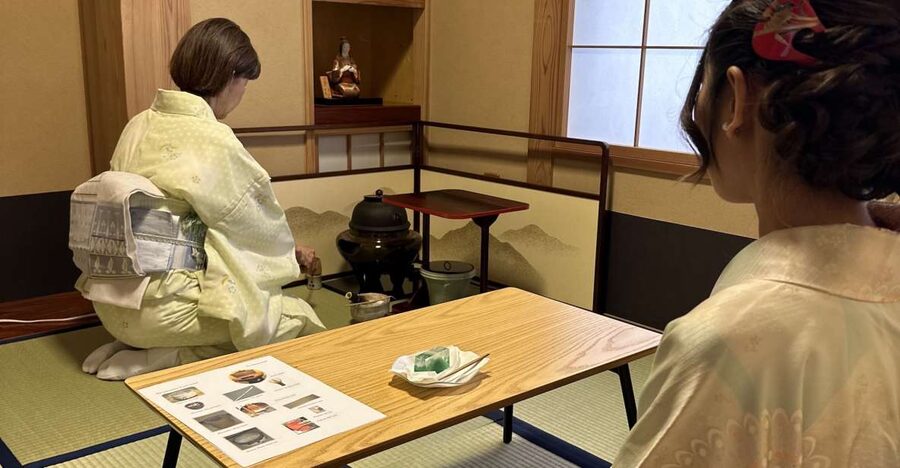
A tea ceremony can look simple from across a room: a bowl, a whisk, hot water, and green tea. Up close, the small movements carry the meaning. The way the tea is prepared, presented, received, and tasted reflects ideas of attention, respect, and calm.
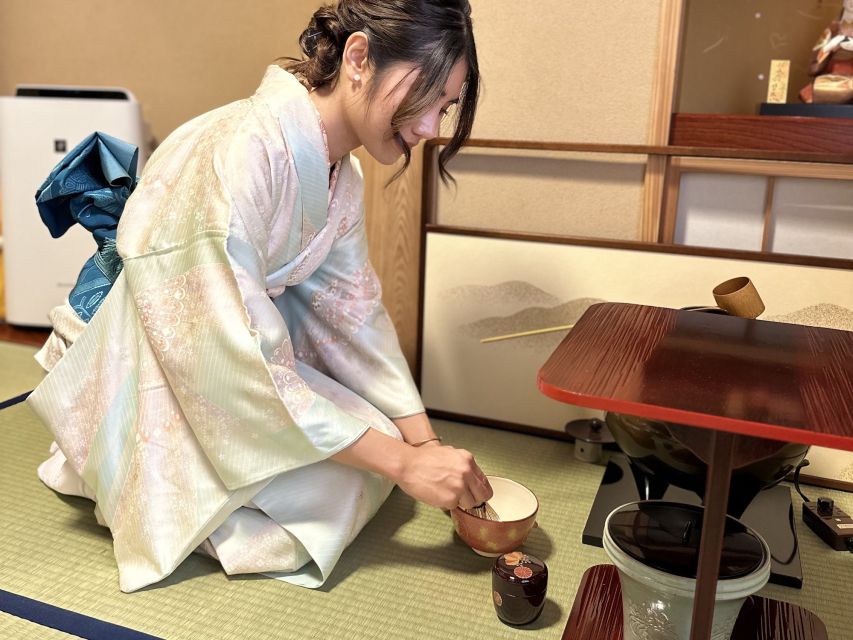
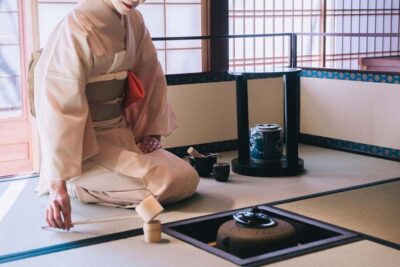
Here, you do not simply sit and watch. An experienced tea ceremony instructor shows you the process at close range and explains what is happening. You then prepare your own matcha, which turns the ritual from a performance into something you take part in.
I especially like this order. First, you can watch the instructor’s controlled movements without worrying about your own bowl. Then, when it is your turn, you have a clear example to follow. You also receive professionally prepared matcha, so you can compare it with the tea you make yourself.
Tea sweets are included. They provide a small taste alongside the matcha and help make the ceremony feel like a complete Japanese custom rather than a stand-alone drink.
More Kimono and Tea Ceremonies in Tokyo
- Kimono Tea Ceremony at Tokyo, Asakusa Maikoya
★ 5.0 · 638 reviews - Tokyo: Matcha and Kimono Experience
★ 4.7 · 219 reviews - Tokyo: Asakusa Kimono Dressing and Matcha Experience
★ 4.9 · 173 reviews
Choosing a kimono before the day
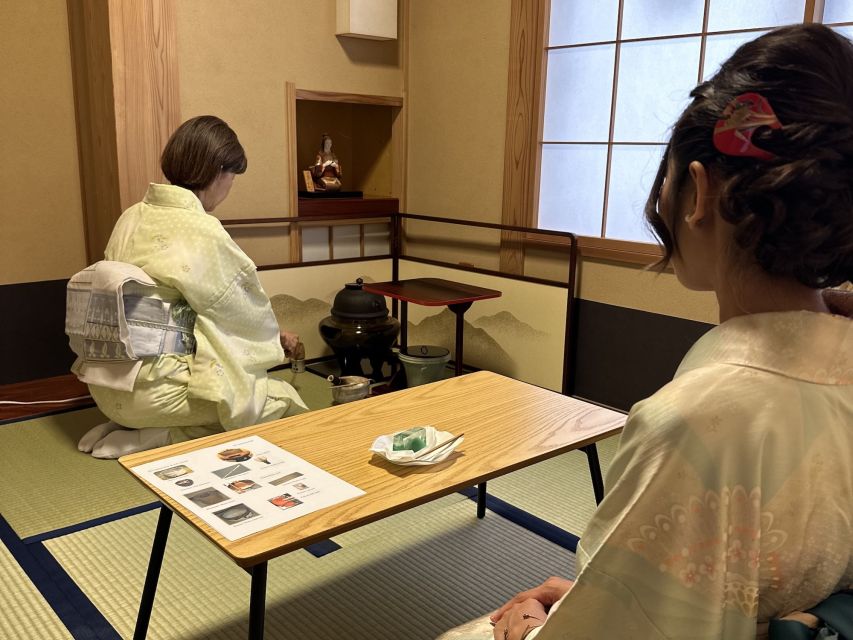
The clothing is a major part of the outing, so you need to make your choice before the day of the tour. After booking, Sayoko contacts you through GetYourGuide or WhatsApp, usually within 12 hours, and asks you to choose your kimono. Reply promptly so the outfit is ready.
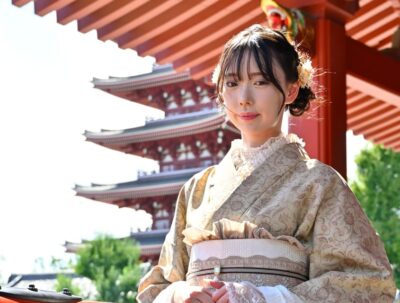
You can choose from more than 50 yukata or kimono. In summer, the clothing is a cotton yukata. In winter, you wear a kimono, including authentic silk options made in the traditional way. The outfit includes the obi and all accessories needed to wear it.
This advance choice is useful because it avoids spending much of your appointment sorting through clothing. It also means the selection process happens before the dressing begins. If you are booking close to the date, keep an eye on your messages and do not leave the choice until the last minute.
The clothing is not just for photographs. It changes the way you move. Sayoko shows you how to walk in a kimono or yukata, how to sit down, and how to behave appropriately while wearing it. Those small lessons help you avoid treating the outfit like a costume.
A kimono can also feel restrictive compared with ordinary sightseeing clothes. You may need to take shorter steps and pay attention when sitting. That is part of the lesson, but it is worth knowing before you book. Comfortable underlayers and an easygoing attitude will help.
A careful dressing session with Sayoko
Sayoko is the main contact before and during the outing. Her role goes beyond arranging clothing. She helps you understand the customs attached to it and guides you through the photo stops and shrine visit.
The dressing process is one of the most useful parts for anyone who has admired Japanese clothing but never understood how it is worn. The obi and accessories create the finished look, and the clothing needs to be arranged properly for walking and sitting.
You should allow the process to take its proper time. This is not a rushed costume change before a group photo. The aim is to help you look presentable and feel comfortable enough to move around during the shrine walk and tea session.
The group limit of three matters here. With only a few people, Sayoko can give direct help with the outfit and explain small points without trying to manage a large crowd. It also makes the photography less awkward than standing in a long line waiting for your turn.
If you want professional hair and makeup, those services are available for an extra fee. They are not part of the standard price, so decide in advance if that polished look matters to you.
Learning how to move in traditional clothing
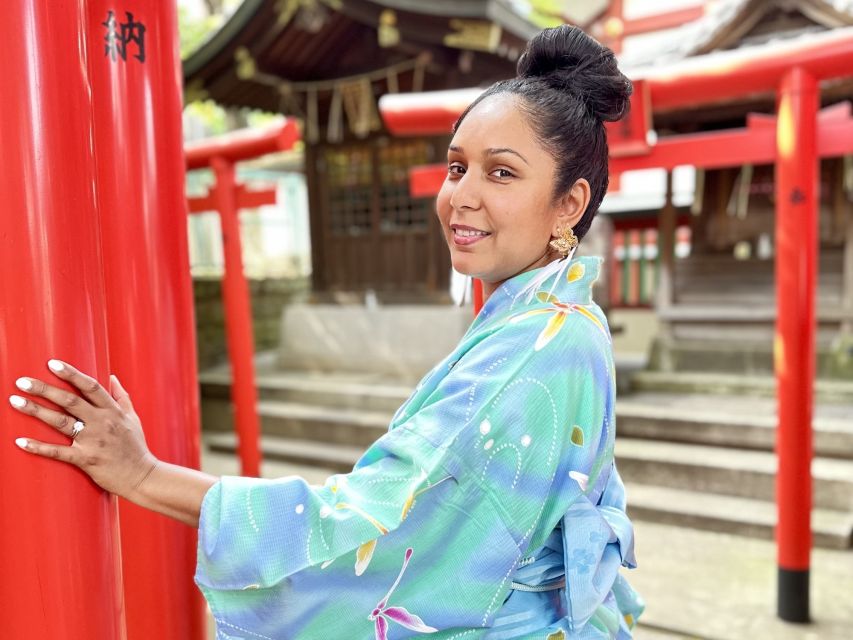
After dressing, you take a walk with Sayoko and an AKIZAKURA kimono upcycled umbrella. This adds a practical touch to the outing. You are not only posing in traditional clothes, you are learning how they work during ordinary movements.
Sayoko demonstrates walking manners, sitting down, and general behavior in a kimono or yukata. These instructions are valuable because the clothing affects your posture and stride. They also help you approach the shrine respectfully rather than treating it as a simple background for photos.
The tour runs rain or shine. A plastic umbrella is included if the weather turns wet, so rain does not automatically cancel the outing. The kimono upcycled umbrella is also part of the presentation, adding a distinctive prop for the walk and photographs.
Still, weather can affect the feel of the day. Rain may make outdoor photographs less predictable, and a kimono requires care around wet ground. If your priority is a particular outdoor photo, remember that the schedule continues in poor weather.
More Tea Ceremonies in Tokyo
- Tokyo: Traditional Tea Ceremony with a Tea Master
★ 5.0 · 528 reviews - Tea Ceremony Workshop in Tokyo by the Experienced Instrucor
★ 5.0 · 189 reviews - Asakusa: Kimono Tea Ceremony with Matcha and Sweet
★ 4.9 · 153 reviews - Tea Ceremony Experience in a Private Tea Room in Shibuya
★ 4.9 · 125 reviews
Visiting the local shrine with proper manners
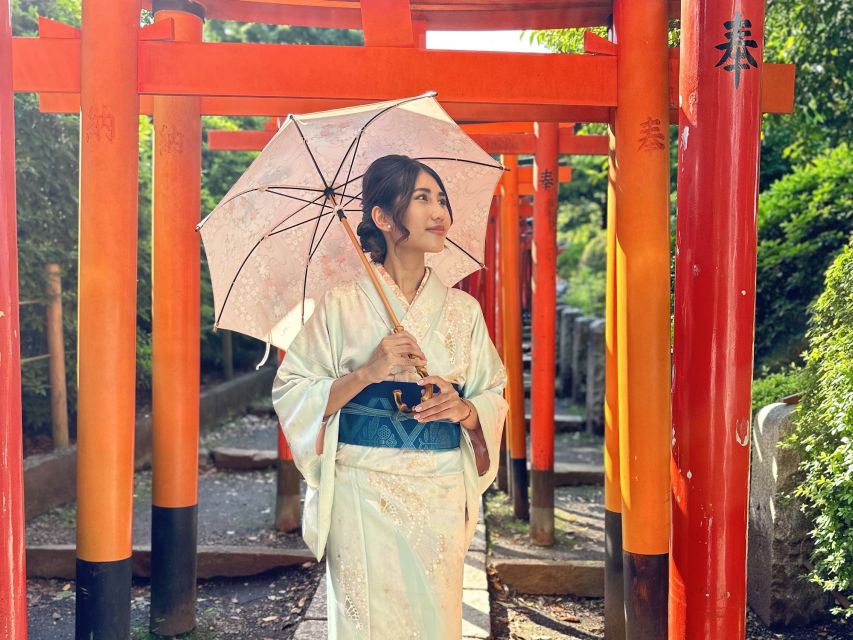
The shrine visit gives the clothing and etiquette lessons a natural setting. Sayoko explains the proper way to pray and helps you understand how to behave at a Shinto shrine.
This is one of the details I value most. A shrine visit can be easy to reduce to a few photographs, but learning the correct approach gives the stop more meaning. You are not expected to already know every gesture. Sayoko explains what to do and guides you through it.
The shrine is described as local and nearby, rather than as one of Tokyo’s major tourist sights. That is important when setting expectations. You are booking a cultural activity with a shrine visit, not a sightseeing tour built around a famous landmark.
Photography takes place at the shrine and in the tea room. Sayoko normally uses an iPhone 14 Pro, and the photography is included. The photographs and videos provide a record of the clothing, the ceremony, and the day’s small details.
If you want a more formal photography session, a professional photographer can be arranged for an additional cost. That upgrade may suit you if you want carefully directed portraits, but the standard activity is designed around Sayoko’s included iPhone photography.
The tea room brings the day together
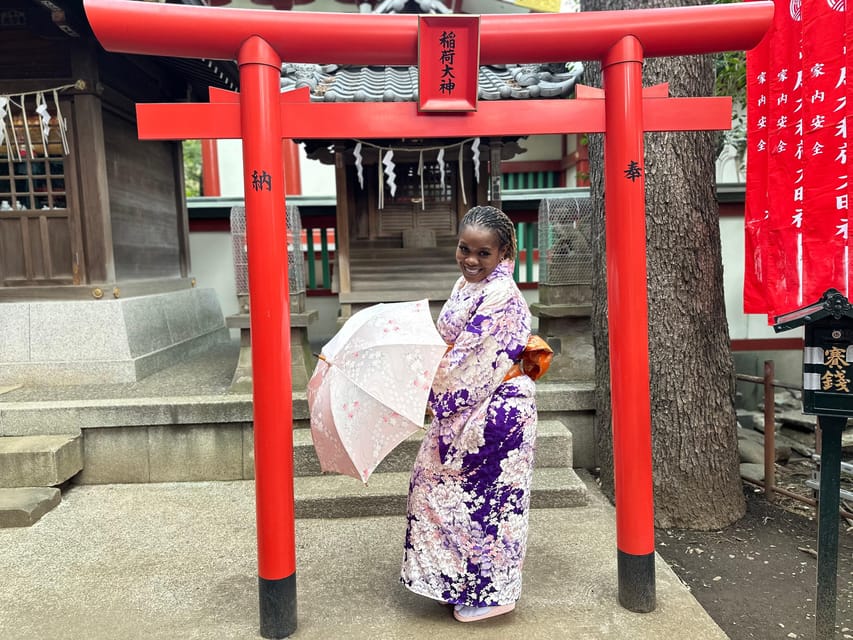
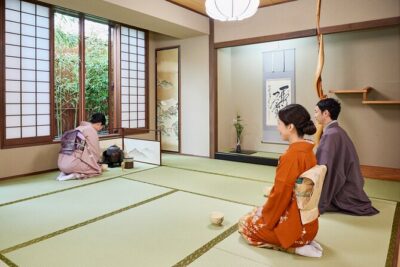
The tea room is where the clothing, manners, and tea lesson meet. You sit in traditional dress, watch the instructor make matcha, receive tea and sweets, and then prepare your own bowl.
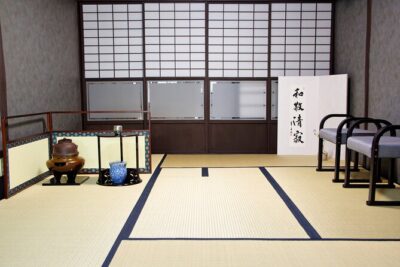
Some people may find sitting on the floor uncomfortable, especially while wearing a kimono. The host can provide a table, chairs, and other equipment to reduce leg strain. Mention this need when arranging the activity so the setup works for you.
The tea ceremony itself is calm and formal, but the teaching approach is not meant to leave you guessing. The instructor explains the process, and you can ask questions in English or Japanese. The language options are English and Japanese, which makes the session workable for international visitors who want context rather than silent observation.
You should expect a genuine ritual with a set rhythm, not a casual matcha workshop. At the same time, you are invited to participate. That balance is the reason this activity works well for first-time visitors: you receive an introduction to the custom while still taking part in it.
The intimate setting also allows the hosts to pay attention to your comfort and questions. The experience is limited to three people, so it feels more personal than a large cultural demonstration.
What the $115 price includes
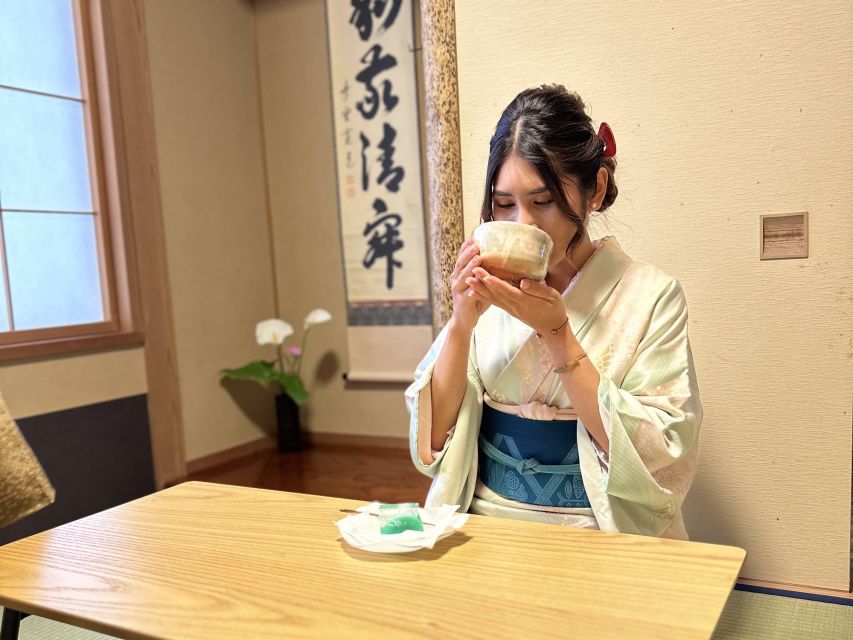
At $115 per person, this is not the least expensive way to drink matcha in Tokyo. The value comes from the number of elements combined in one 2.5-hour session.
Your fee includes the kimono or yukata, obi, and accessories; matcha and tea sweets; the kimono upcycling umbrella; and photography with an iPhone 14 Pro. You also receive instruction in tea preparation, shrine manners, walking, and sitting.
The clothing alone would make this a different purchase from a standard tea tasting. You are paying for help choosing and wearing a traditional outfit, not simply renting one for a short photograph. The shrine walk and included images add a second setting and help preserve the memory.
The small group size is another part of the value. A group of three gives you more direct help than a large workshop and leaves room for questions. If you want professional hair, makeup, or photography, budget extra for those services.
I would consider the price fair for someone who wants several cultural activities combined into one carefully guided appointment. It is less compelling if you only want to taste matcha or take a quick kimono photograph.
Who will get the most from this outing
This suits first-time visitors who want a gentle introduction to Japanese etiquette. You do not need prior knowledge of tea ceremony customs, shrine behavior, or kimono dressing.
It is also a good fit for couples, friends, or a very small family group who want shared photographs. The three-person limit makes it especially appropriate for a small party, although every person present must be included in the booking and charged, even if someone does not dress in a kimono.
You will likely appreciate it if you enjoy learning the reasons behind customs rather than only seeing them from a distance. The instruction on prayer, walking, sitting, and tea preparation gives the day more substance than a simple photo appointment.
This may be less suitable if you dislike formal rituals, have little patience for dressing, or want a fast-moving sightseeing tour. The activity follows a calm pace, and the clothing requires care. It also takes place rain or shine, so weather should not be ignored when you choose your date.
Booking details worth getting right
The activity lasts 2.5 hours, with start times based on availability. The date and time can sometimes be customized, so contact the provider if the available schedule does not fit your plans.
Choose your kimono by the day before. Sayoko sends instructions after booking, and replying quickly is one of the easiest ways to keep the morning or afternoon running smoothly.
Cancellation is free up to 24 hours in advance for a full refund. You can also reserve now and pay later, which helps if you are still arranging the rest of your Tokyo schedule.
The tour is offered in English and Japanese. It operates rain or shine, and a plastic umbrella is included for wet weather. For floor sitting concerns, request the table and chairs option.
Should you book the AKIZAKURA tea ceremony?
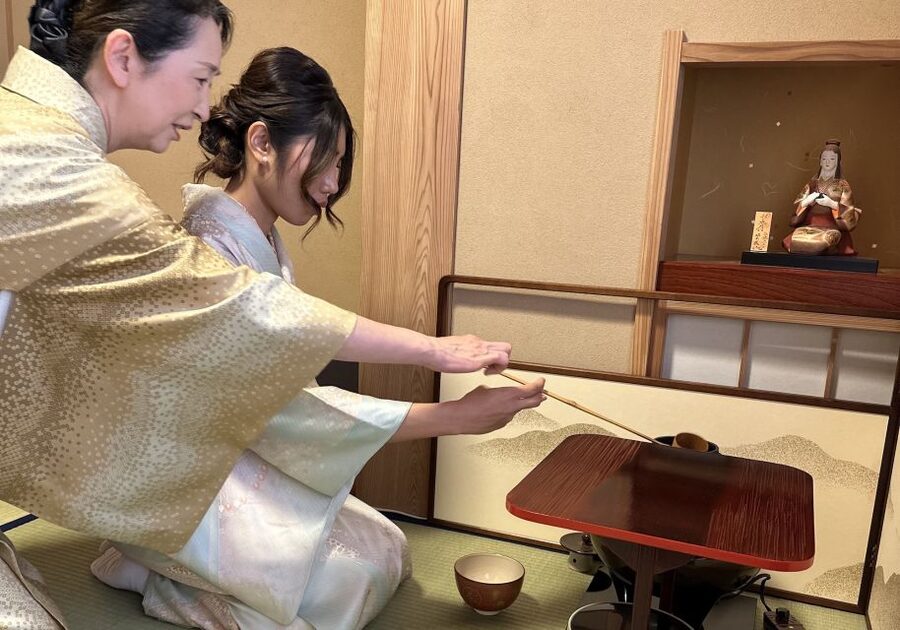
I would book this if you want a personal cultural activity that combines tea, clothing, etiquette, and photographs in one appointment. Sayoko’s guidance covers details many visitors would otherwise miss, especially the correct way to pray at a shrine and move in a kimono.
The strongest reason to choose it is the hands-on balance. You watch an experienced instructor, taste professionally prepared matcha, and then make your own. You dress in traditional clothing, visit a local shrine, and leave with photographs from both settings.
Think twice if you want a famous Tokyo sight, a large group atmosphere, or the lowest possible price. Also plan ahead for the outfit choice and remember that professional photography, hair, and makeup cost extra.
For a small group seeking a thoughtful introduction to Japanese tea culture, this is a well-rounded choice. The quiet pace, personal instruction, and chance to participate make the $115 fee easier to justify than a simple tea tasting.
FAQ
How long does the tea ceremony and kimono activity last?
The activity lasts 2.5 hours. Starting times depend on availability, and the date and time may sometimes be customized by contacting the provider.
What clothing is included?
You can choose from more than 50 yukata or kimono. A cotton yukata is used in summer, while a traditional kimono, including silk options, is used in winter. The obi and other accessories are included.
Do I get to make matcha myself?
Yes. You first watch the tea ceremony instructor prepare matcha, then make your own tea. Professionally prepared matcha and tea sweets are also included.
Where are the photographs taken?
Photographs are taken in the tea room and at a nearby local shrine. The standard photography uses an iPhone 14 Pro. A professional photographer can be arranged for an additional fee.
Can I sit on a chair instead of the floor?
Yes. A table, chairs, and other equipment can be provided for people who need to avoid sitting on the floor for a long time.
What happens if it rains?
The activity takes place rain or shine. A plastic umbrella is included if it rains, and you also use an AKIZAKURA kimono upcycled umbrella during the walk.
More Photo Sessions around Tokyo
- Kyoto: Tea Ceremony with Kimono and Photoshoot
★ 4.9 · 90 reviews - Kyoto Tea Ceremony and Samurai Photo Session
★ 5.0 · 70 reviews - Tea Ceremony with Kimono and Professional Photoshoot in Kyoto
★ 5.0 · 44 reviews - Private Tour in Kamakura: Matcha Tea Tasting & Photo Session
★ 5.0 · 6 reviews
Newly steeped around Tokyo
- Yokohama : Tea Ceremony with Sweets and Souvenir★ 5.0 · 5 reviews
- Walking Tour: Yanaka,Nezu& Sendagi: Tea Ceremony & Old Tokyo★ 5.0 · 3 reviews
- Private Mochi・Matcha sweets Making Class Near Shibuya Area★ 5.0 · 22 reviews
- 2 Hours Mochi &Nerikiri Making & Matcha Class in Bunkyo★ 5.0 · 21 reviews
- Private Kimono and tea ceremony at local home near Tokyo Disney★ 5.0 · 6 reviews
- Kimono and Tea Ceremony in Asakusa Private Food Tour With Guide★ 5.0 · 4 reviews
- Giant Sushi Cooking Class: Make a 1.5m Sushi Roll in Tokyo★ 5.0 · 9 reviews
- Tokyo Tea Ceremony Class at a Traditional Tea Room★ 5.0 · 2 reviews
Kimono & Tea Ceremony, compared.

KYOTO Tea Ceremony with kimono near by Imamiya Jinjya Shrine
Read our review →
Kyoto: Kimono and Tea Ceremony Experience at Cultural Asset
Read our review →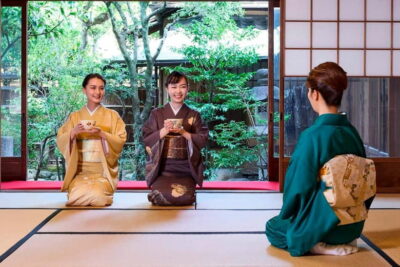
Kyoto: Kimono Tea Ceremony with Matcha and Sweet
Read our review →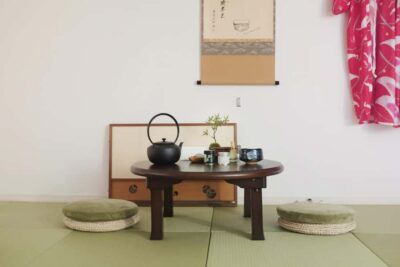
Tokyo: Asakusa Kimono Dressing and Matcha Experience
Read our review →Browse the lists this tea experience appears in