
Review · TOKYO
Kimono Tea Ceremony at Tokyo, Asakusa Maikoya
The best part of this Asakusa experience is the combination of kimono dressing and hands-on matcha making. You are not simply watching a staged performance. A tea master explains the tools, gestures, and manners, then guides you as you whisk your own bowl of green tea.
I like the choice of morning or afternoon times, and I like that the staff can arrange a simple hairstyle before the ceremony. The small photo areas and nearby Senso-ji Temple add real value, though you should confirm how long you may keep the kimono after the ceremony. The venue also has a three-person limit, so larger groups may need separate time slots.
Key points to know before booking
- You choose and wear a traditional kimono: Staff help with dressing, hair, and the final details.
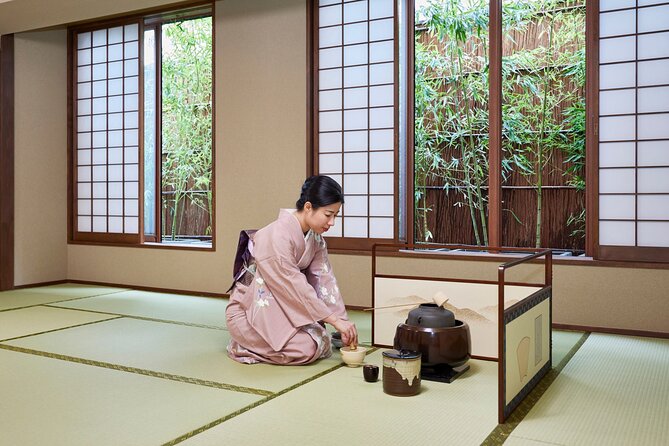
- You make your own matcha: The tea master explains each movement before you whisk the tea yourself.
- The ceremony lasts about 90 minutes: Dressing, instruction, tea, snacks, and photographs fit into the session.
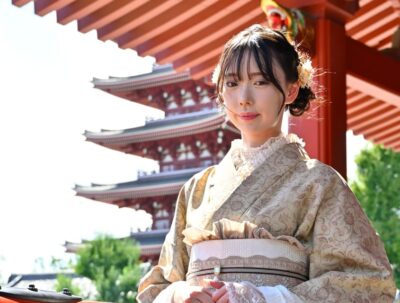
- Asakusa adds useful photo opportunities: Some bookings allow you to wear the kimono outside and walk toward Senso-ji before returning it.
- The teaching is available in English: Hosts including Erika and Iyume are praised for clear explanations and warm presentation.
- Small practical limits matter: Children under seven cannot enter, tripods are not allowed, and recording depends on the tea master’s instructions.
Why the kimono makes the tea ceremony more meaningful
A tea ceremony can be hard to understand if you only watch from the side. The kimono changes the pace of the experience. You become more aware of how you sit, how you move your hands, and how much care goes into a simple bowl of tea.
At Maikoya Asakusa, you first select from the available kimonos. Staff help you dress and arrange a simple hairstyle if you wish. The dressing is a real part of the activity, not a rushed costume change before the main event. Several people describe the staff as patient and attentive, especially while choosing colors and getting the layers to sit properly.
Men and women can take part. That matters for couples, families, and mixed groups, since the experience is not designed only for women. Teenagers have also found the dress-up portion enjoyable, and the relaxed approach makes it suitable for a solo visit as well.
The kimono is not just a photo prop. It gives you a small lesson in Japanese formality. You may notice that the ceremony feels slower and more deliberate once you are dressed. That is useful cultural context, even if you have no previous knowledge of tea etiquette.
More Kimono and Tea Ceremonies in Tokyo
- Tokyo: Matcha and Kimono Experience
★ 4.7 · 219 reviews - Tokyo: Asakusa Kimono Dressing and Matcha Experience
★ 4.9 · 173 reviews - Asakusa: Kimono Tea Ceremony with Matcha and Sweet
★ 4.9 · 153 reviews
What happens during the 90-minute visit
The experience begins at Kimono Tea Ceremony Maikoya Asakusa, at 1-chome-12-2 Asakusa in Taito City. You meet at the venue and finish there, with no hotel pickup or transportation included. The location is near public transportation, but leave enough time to find the entrance, particularly if you are unfamiliar with the Asakusa streets.
After check-in, the staff help you choose a kimono. The selection process gives you time to look at the colors and patterns rather than simply handing you a standard outfit. Staff then dress you and can create a simple hairstyle. The transformation is one of the most memorable parts of the visit because it gives you time to settle into the setting before the formal tea lesson begins.
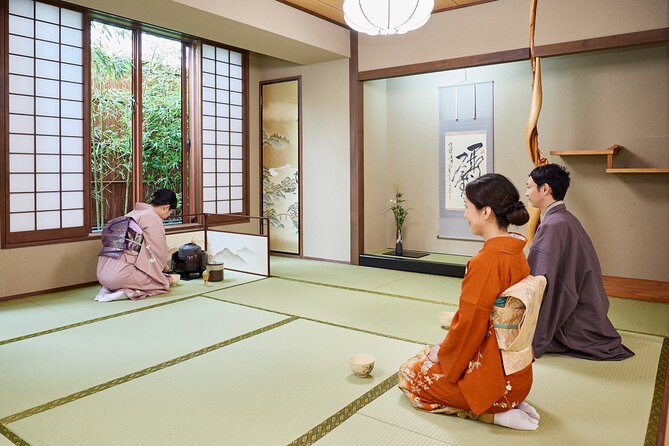
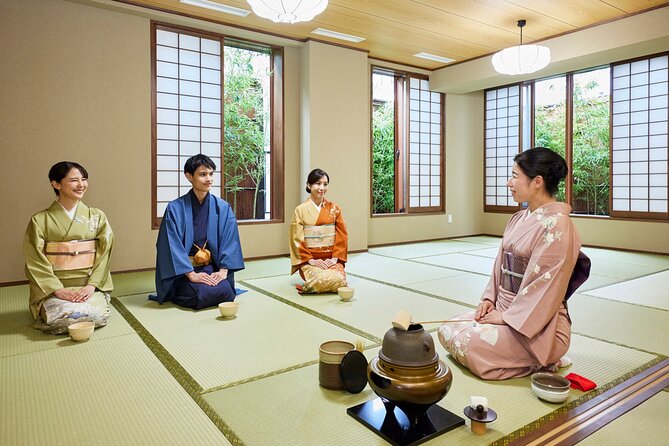
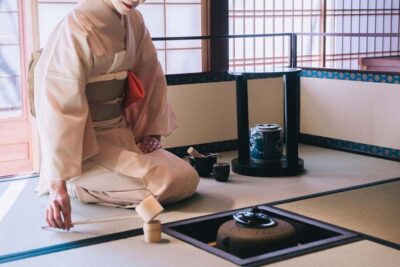
Once everyone is ready, you enter the tea room. The tea master demonstrates the ceremony and explains the purpose of the utensils, the order of the actions, and the meaning behind the movements. The lesson is not only about how to prepare matcha. It also covers proper conduct and the ideas of care, attention, and hospitality that shape the ritual.
You then prepare your own bowl. Under guidance, you add and whisk the matcha, following the steps shown by the tea master. This hands-on part is valuable because you can feel the difference between watching a ritual and taking part in it. The process is simple enough for beginners, but the formal setting encourages you to slow down and pay attention.
Green tea and local snacks are included. The snacks give you something small to enjoy with the tea and help make the session feel like a complete cultural visit rather than a short demonstration. The ceremony itself is the main event, so do not book this expecting a full meal.
The teaching style and the people guiding you
English-language instruction is one of the practical strengths here. Hosts named Erika and Iyume receive particular praise for explaining the ceremony with clarity, humor, and context. The guide does not simply tell you when to move your hands. You learn why the room, tools, and gestures matter.
That explanation makes a difference. Without it, the formal movements could seem mysterious or overly strict. With it, you begin to understand the ceremony as a carefully arranged exchange between host and guest.
The tone appears friendly rather than intimidating. Staff help with the kimono, hair, photographs, and tea preparation, so you do not need to arrive with any knowledge of Japanese etiquette. The activity also works well for a solo visitor. One solo participant in her fifties found the format easy to enjoy while her husband was at work, which suggests you do not need a partner or large group to make the visit worthwhile.
If you want a very quiet, purely traditional ceremony with no photo element, this may feel more social and prepared for visitors. If you want cultural explanation along with participation, that same quality is a benefit.
Photos inside the tea room and garden areas
Photography is built into the visit. After the tea portion, you have chances to take pictures in decorated areas with Japanese-style umbrellas and garden details. The setting gives you more variety than a single portrait against a plain wall.
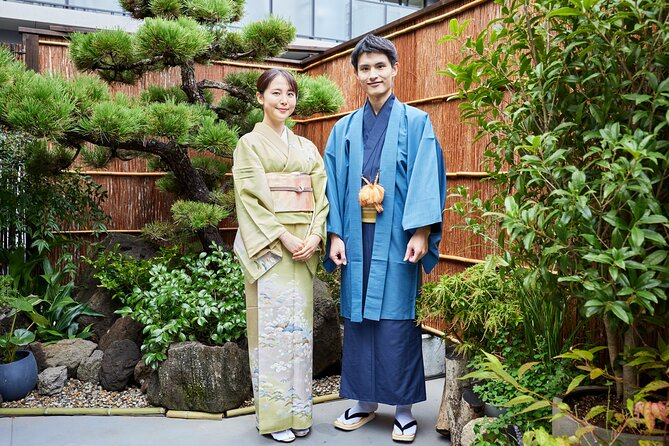
You may also get photographs on the patio or in outdoor areas at the venue. Staff can help with the presentation, and the kimono, hair, and tea utensils provide natural subjects without requiring elaborate staging.
There are rules. Tripods are not allowed during the ceremony, and photographs or video may be restricted at certain moments. Follow the tea master’s instructions rather than treating the tea room like a studio. You will have designated chances for pictures, and respecting the ritual is part of the experience.
If photographs are a major reason for booking, plan your clothing underneath the kimono with care and bring a phone that is easy to use quickly. The activity includes photo opportunities, but it does not promise a professional photographer or unlimited formal portraits.
More Tea Ceremonies in Tokyo
- Tokyo: Traditional Tea Ceremony with a Tea Master
★ 5.0 · 528 reviews - Tea Ceremony Workshop in Tokyo by the Experienced Instrucor
★ 5.0 · 189 reviews - Tea Ceremony Experience in a Private Tea Room in Shibuya
★ 4.9 · 125 reviews - Tokyo: Practicing Zen with a Japanese Tea Ceremony
★ 4.7 · 105 reviews
The extra value of wearing the kimono around Asakusa
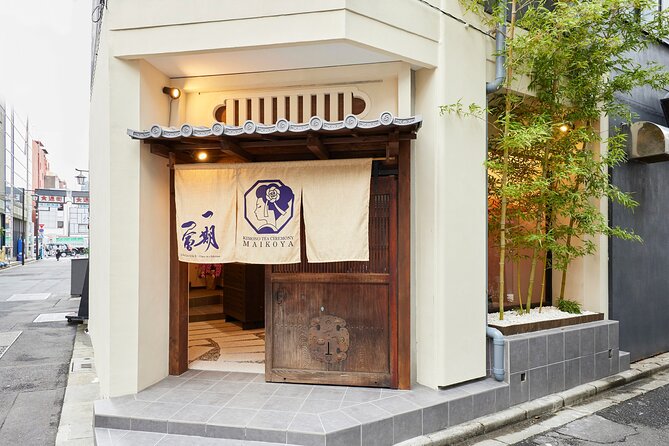
Some bookings allow you to keep the kimono on after the tea ceremony and walk around the nearby area until the venue closes. Several visitors used the extra time to photograph themselves near Senso-ji Temple, one of Asakusa’s best-known sights. This can turn a 90-minute activity into a longer afternoon plan.
You should confirm the exact return arrangement at the venue. The information provided by past participants says the kimono could be worn outside and returned before closing, with some mentioning a return time of 6 p.m. Treat this as an added possibility, not the only reason to book, since the precise allowance may depend on the booking and the day.
If the extra walking time is available, it is a strong value for the price. A kimono rental and tea ceremony together cost $55.81 per person, and the chance to use the outfit for nearby photographs gives you more than a short indoor presentation. Senso-ji is close enough to make the pairing especially practical.
Keep in mind that a kimono is formal clothing. Walking around Asakusa in it may be fun, but you should move carefully and follow the staff’s instructions. Return the outfit on time and in good condition.
Is $55.81 a fair price?
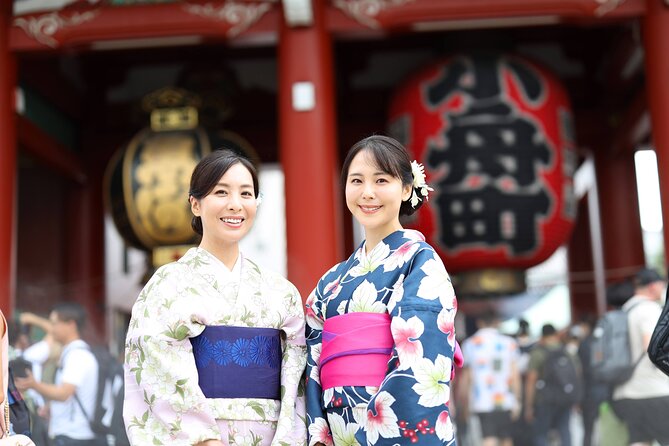
At $55.81 per person, the price covers more than tea. You receive kimono use, dressing assistance, a simple hairstyle, green tea, snacks, utensils, instruction, and access to photo areas. The value improves if your booking permits extra time in the kimono around Asakusa.
The strongest value comes from combining several short Tokyo activities in one visit. Instead of arranging a costume rental, a tea lesson, and a separate photo setting, you handle them in one location. That saves planning time and makes sense during a packed Tokyo schedule.
The price is less attractive if you only want to drink matcha or take a few quick pictures. This is a guided cultural activity, and much of what you pay for is the staff time involved in dressing, explaining, and supervising the ceremony.
There is also a practical group issue. The supplied booking information gives a maximum of three people for the activity, although larger parties have attended by splitting into different time slots or arranging additional bookings. If you are visiting with a family or group of friends, contact the provider before assuming everyone can enter together.
Choosing a morning or afternoon time
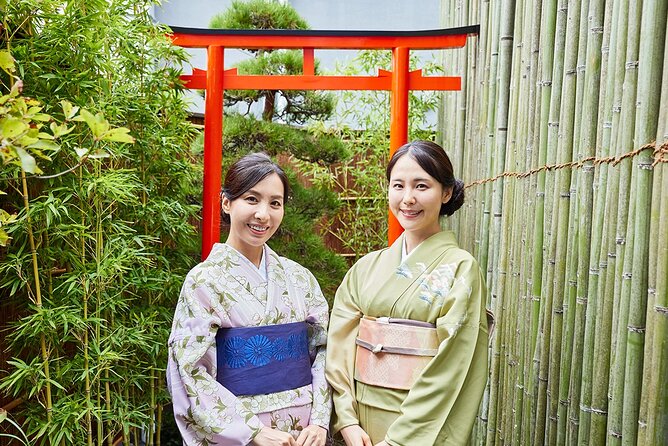
Morning and afternoon sessions make this easy to fit around sightseeing. An earlier booking can leave you with time to visit Senso-ji and other Asakusa sights afterward, especially if you can keep the kimono for a while. An afternoon booking may work better if you want a slower start or plan to place the ceremony between other activities.
Arrive with enough time to locate the venue. One participant arrived early but was still unsure of the entrance until the signs were put out shortly before the appointment. The activity starts at a specific time, and dressing takes part of the schedule, so do not count on arriving late and simply joining whenever you like.
A late arrival may be difficult because the tea ceremony has a set sequence. In one unusual case, staff accommodated a substantial delay by moving the booking to the next morning, but you should not plan on that. The cancellation terms allow a full refund only when you cancel at least 24 hours before the start time. Changes or cancellations inside that window are not accepted or refunded.
Comfort, children, and ceremony etiquette
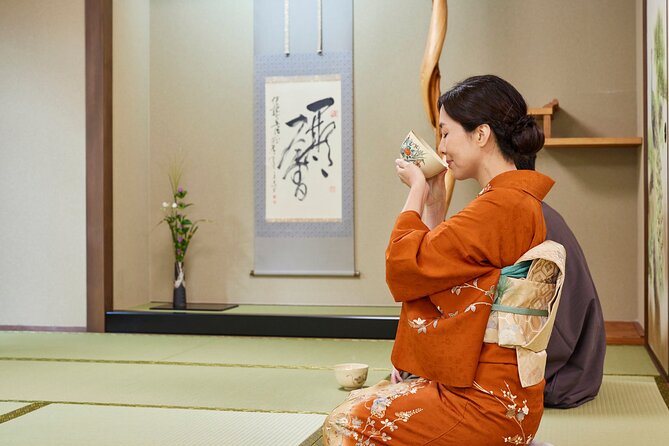
Children under seven cannot enter the tea ceremony venue. If your family includes a younger child, this activity will not work for the whole group. Check the age rule carefully before booking because the supplied information also describes the restriction as children under six not being permitted, while the more specific venue note says under seven cannot enter.
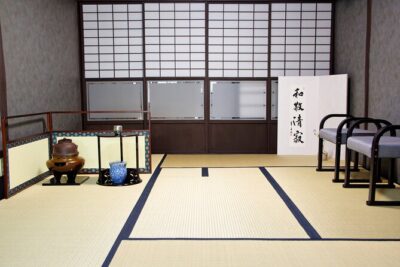
The ceremony may involve sitting in a formal room, but special chairs and tables are available for people who have difficulty kneeling or sitting directly on tatami. That is a helpful feature, though you should still mention mobility needs to the staff when arranging the visit.
Dress for comfort underneath the kimono. You will be dressed by staff, so loose layers and simple clothing are practical. The activity includes hair styling, but it does not describe a full salon service, so expect a simple hairstyle rather than an elaborate treatment.
During the ceremony, put your phone away unless the tea master allows photographs. The point is to observe the order and meaning of the ritual. You will have time for pictures before or after the formal portion.
Who will enjoy this most
I would recommend this experience to a first-time visitor who wants a clear introduction to Japanese tea culture without committing to a full-day class. It also suits couples, families with older children, and solo visitors who want a structured activity with plenty of guidance.
It is particularly good for anyone who values photographs. The kimono, hair styling, indoor decorations, patio, garden areas, and possible walk to Senso-ji give you several settings in one visit.
It may not suit you if you dislike dressing up, have little interest in cultural explanation, or want an entirely private ceremony. The format can include other participants, and the venue’s stated maximum is three people for the activity. Larger groups need separate arrangements.
The activity is also a good choice for visitors who want a gentle pace. The tea ritual encourages you to watch closely and follow instructions rather than rush from sight to sight. You get a cultural lesson, a practical skill, and a set of photographs in one compact stop.
Should you book Maikoya Asakusa?
Book it if you want to wear a kimono, learn how matcha is prepared, and understand the gestures instead of simply posing for photos. The clear English explanations from hosts such as Erika and Iyume, the friendly dressing staff, and the chance to visit nearby Senso-ji in costume give the experience real value.
Think twice if you want a private, highly formal ceremony with no costume or photo element. Also check the age rule, group size, and kimono return conditions before paying.
For most visitors spending time in Asakusa, $55.81 is a reasonable price for a 90-minute cultural activity that may extend into a longer photo outing. I would choose an early time slot if you want to pair it with Senso-ji, arrive early enough to find the entrance, and treat the ceremony itself with the same care the staff ask of you.
FAQ
How long does the kimono tea ceremony last?
The experience lasts approximately 1 hour and 30 minutes.
What is included in the price?
The activity includes a kimono costume, simple hairstyling, green tea, utensils, and snacks.
Can men and women participate?
Yes. Both men and women can take part in the kimono tea ceremony.
Can I make my own matcha?
Yes. The tea master demonstrates the process and guides you as you prepare and whisk your own bowl of matcha.
Are children allowed?
Children under seven cannot enter the tea ceremony venue. Check this restriction carefully before booking for a family.
Can I take photos during the ceremony?
Photography and video may be limited, and tripods are not allowed during the ceremony. Follow the tea master’s instructions about when photography is appropriate.
Where does the activity start and finish?
You meet at Kimono Tea Ceremony Maikoya Asakusa, 1-chome-12-2 Asakusa, Taito City, Tokyo. The activity ends back at the meeting point. Hotel pickup, drop-off, and transportation are not included.
Newly steeped around Tokyo
- Yokohama : Tea Ceremony with Sweets and Souvenir★ 5.0 · 5 reviews
- Walking Tour: Yanaka,Nezu& Sendagi: Tea Ceremony & Old Tokyo★ 5.0 · 3 reviews
- Private Mochi・Matcha sweets Making Class Near Shibuya Area★ 5.0 · 22 reviews
- 2 Hours Mochi &Nerikiri Making & Matcha Class in Bunkyo★ 5.0 · 21 reviews
- Private Kimono and tea ceremony at local home near Tokyo Disney★ 5.0 · 6 reviews
- Kimono and Tea Ceremony in Asakusa Private Food Tour With Guide★ 5.0 · 4 reviews
- Giant Sushi Cooking Class: Make a 1.5m Sushi Roll in Tokyo★ 5.0 · 9 reviews
- Tokyo Tea Ceremony Class at a Traditional Tea Room★ 5.0 · 2 reviews
Kimono & Tea Ceremony, compared.

KYOTO Tea Ceremony with kimono near by Imamiya Jinjya Shrine
Read our review →
Kyoto: Kimono and Tea Ceremony Experience at Cultural Asset
Read our review →
Kyoto: Kimono Tea Ceremony with Matcha and Sweet
Read our review →
Tokyo: Asakusa Kimono Dressing and Matcha Experience
Read our review →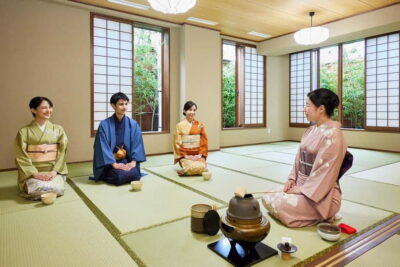
Asakusa: Kimono Tea Ceremony with Matcha and Sweet
Read our review →Browse the lists this tea experience appears in