
Review · JAPAN
Calligraphy and Matcha in a Warm Kumamoto Home
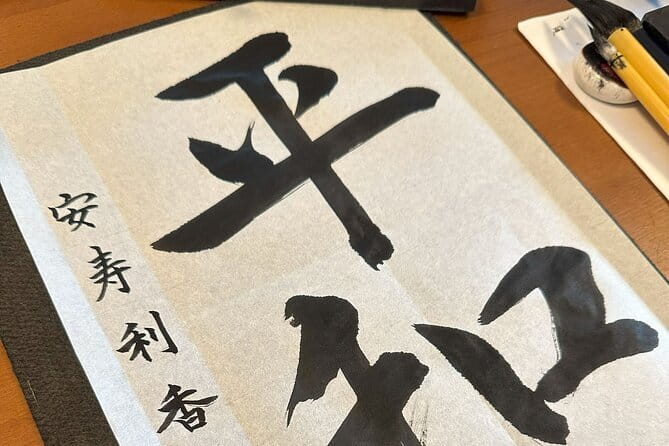
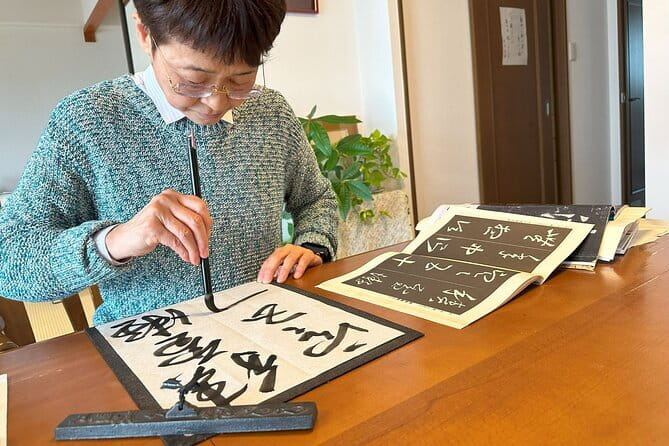
The most appealing part of this Kumamoto experience is the setting: you leave the sightseeing route and enter a local home about a 10-minute walk from Kumamoto Castle. Tommy, a qualified instructor in calligraphy, tea ceremony, and flower arrangement, gives you time to practice, corrects your technique, and helps you produce a finished hanging scroll.
I like the small maximum of four people, which keeps the lesson personal. I also like that you take home your own calligraphy rather than just a few photos. The main consideration is the price, $162.40 per person, which is high for a three-and-a-half-hour activity, though it includes instruction, materials, matcha, sweets, and the finished artwork.
Key Points to Know
- Write a favorite kanji and your name: You choose a character from provided examples, then write your name using kanji based on phonetic equivalence.
- Create a hanging scroll: Your final calligraphy is prepared as a piece you can take home.
- Meet near Kumamoto Castle: The stated meeting point is Shinmachi tram stop, about a 10-minute walk from the home.
- Learn in a private residence: This is a quiet cultural visit, not a large commercial class.
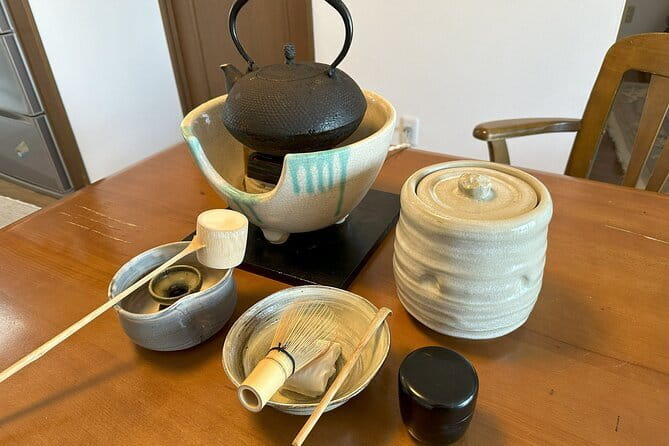
- Enjoy matcha at a table: The final 30 minutes feature matcha and traditional sweets in the BONTEMAE style.
- Expect personal communication: The start time may be adjusted, and you will need to contact Tommy after booking.
A Quiet Cultural Morning Near Kumamoto Castle
Kumamoto has plenty of major sights, but this activity offers a different kind of morning. Instead of moving from one attraction to another, you spend several hours focused on one brush, one sheet of paper, and one carefully chosen kanji.
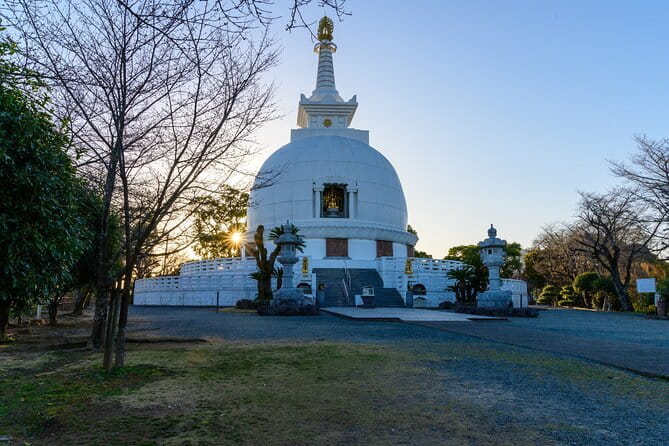
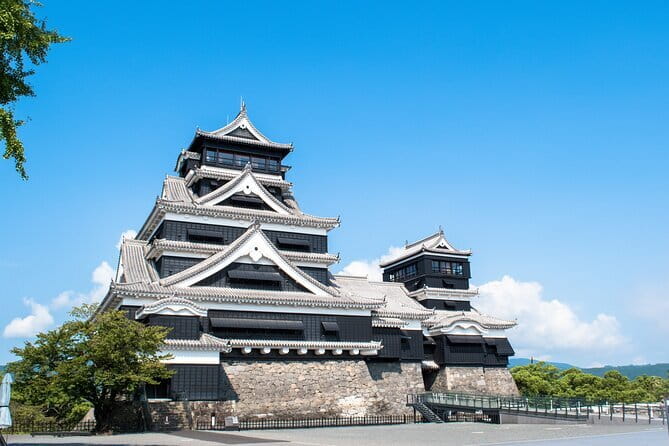
The home is about a 10-minute walk from Kumamoto Castle. That location makes it easy to pair the experience with castle sightseeing, though you should remember that transportation to the venue is not included.
The meeting point is listed at 2 Chome Shinmachi, near the Shinmachi tram stop. The scheduled start is 9:30 a.m., followed by the main class at about 10:00 a.m. The timing may be adjusted within the guide’s available range, so contact Tommy after booking instead of assuming the posted hour is fixed.
In messages with past customers, Tommy offered hotel pickup and asked about food allergies because she was preparing a snack. That suggests a thoughtful host who pays attention to small details, but the formal meeting information names Shinmachi as the start point. I would confirm pickup directly rather than plan your morning around it.
More Tea and Calligraphy Workshops in Japan
- Osaka: Tea Ceremony, Calligraphy, and Kimono Experience
★ 4.9 · 130 reviews - Experience all of Japanese culture and Japanese food experience classes “origami, udon, Japanese food, green tea, calligraphy” in 4 hours
★ 5.0 · 105 reviews - An Amazing set of Cultural experience: Kimono, Tea Ceremony and Calligraphy
★ 5.0 · 69 reviews
Why the Home Setting Matters
A home visit changes the mood of the activity. You are not sitting in a busy workshop with a steady stream of short-term participants. The group is limited to four people, so the guide can watch how you hold the brush, offer corrections, and give you room to work without rushing.
That private setting also makes the cultural exchange more personal. The program is built around conversation, not just instruction. Tommy’s husband, Taka, joined one couple during their visit, so you may meet him as well, although the supplied details do not promise that he will be present every time.
I would choose this experience if you enjoy quiet, thoughtful activities. It is less suitable if you want a fast introduction, a photo stop, or a packed schedule of attractions. The description specifically recommends it for intellectually curious people who can spend about three hours in a calm space.
The home setting does mean you should be comfortable entering a private residence and following the host’s guidance. This is a cultural exchange with a personal tone, not a standard sightseeing tour with a fixed public venue.
The 9:30 a.m. Meeting and Walk to the Venue
Your morning begins at the Shinmachi tram stop in Chuo Ward. The official meeting address is 2 Chome Shinmachi, Kumamoto, 860-0004, and the venue is roughly a 10-minute walk from Kumamoto Castle.
That proximity is useful. You can schedule the class before visiting the castle, or continue toward the castle afterward. Give yourself enough time to reach the meeting point, especially if you are carrying luggage or still learning Kumamoto’s tram system.
The activity ends back at the meeting point. Transportation is not included, so you pay separately for getting to Shinmachi and for any onward journey.
The 9:30 pickup time and 10:00 class start leave a short gap for the walk and arrival. The end is expected around 1:00 p.m., though the guide notes that the finish may vary slightly. I would avoid booking a tight lunch reservation immediately afterward.
Starting with the Story of Japanese Calligraphy
The calligraphy session begins with an introduction to the history of calligraphy. That matters because the class is not simply a handwriting exercise. You first get context for the art form, then watch the instructor demonstrate the technique on rice paper.
A demonstration is especially useful for beginners. Japanese calligraphy can look simple when viewed from a distance, but brush pressure, stroke order, spacing, and balance all affect the final result. Seeing the brush move before you try it gives you a clear model to follow.
The activity uses hanshi, traditional calligraphy paper, for practice and copying. Supplies are provided or rented as part of the fee, so you do not need to arrive with brushes, ink, or paper.
You should expect to make mistakes. That is part of the lesson. The point is not to produce museum-quality work on the first attempt, but to understand how the brush behaves and how a few bold strokes can fill a page.
Same leaf, a different ritual:
- Kyoto: Tea Ceremony in a Traditional Tea House in Kiyomizu
★ 4.9 · 3,519 reviews - Kyoto: Tea Ceremony Ju-An at Jotokuji Temple
★ 4.9 · 3,207 reviews - Kyoto: 45-Minute Tea Ceremony Lesson Experience
★ 4.3 · 2,378 reviews - World Heritage Kyoto & Nara Uji Authentic Matcha Experience
★ 5.0 · 1,573 reviews
Choosing a Kanji and Writing Your Name
After the introduction and demonstration, you choose a favorite kanji from the examples provided. The supplied information does not promise a completely open-ended choice of any character, so you will likely select from the guide’s prepared options.
You also write your name in kanji using phonetic equivalence. This is a particularly nice part of the session because it gives you a personal connection to the finished work. You are not simply copying a decorative character. You are making a piece tied to your own identity.
The guide then gives examples and direction as you practice. With a maximum of four people, the instruction should be more attentive than in a large class. I would take advantage of that by asking about the meaning of your chosen character and requesting help with spacing before you begin the final version.
The exact level of English or other language support is not stated, so communicate any needs when you book. The guide’s direct messages and flexible scheduling make that conversation important.
From Practice Sheets to a Finished Hanging Scroll
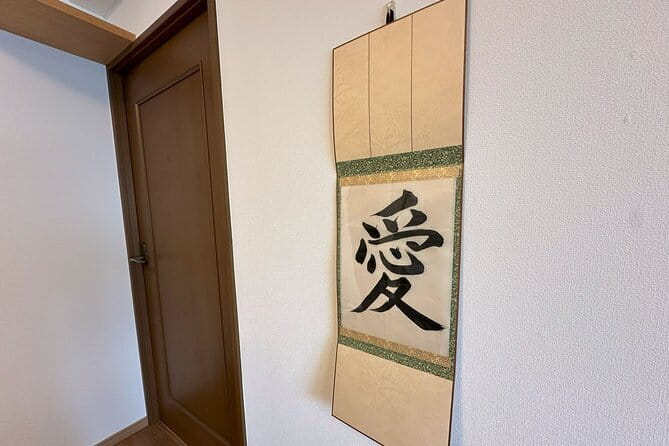
The session moves through several stages: copying examples, practicing on rice paper, receiving guidance, and producing a final version. That gradual process is one of the strongest parts of the program.
You get time to improve before the final piece. If your first strokes are uneven, you can try again. If the character feels crowded or unbalanced, the guide can show you how to adjust your approach.
The final work is made into a hanging scroll for you to take home. This adds real value to the experience. You leave with a physical reminder of your morning, not just a temporary lesson.
Still, keep your expectations sensible. Your scroll will be a personal souvenir created during an introductory experience, not a professional calligrapher’s work. The pleasure is in learning the form and making something yourself.
Think about how you will carry it during the rest of your trip. The program includes the scroll, but the supplied details do not specify its exact size, protective packaging, or whether mailing is available. If you are traveling with only a small bag, ask Tommy how it will be packed.
Matcha and Sweets at 12:30 p.m.

The calligraphy portion runs from about 10:00 a.m. to 12:30 p.m. The final half hour is a simple matcha experience served at a table in the BONTEMAE style.
This is not described as a formal, kneeling tea ceremony. You sit at a table, drink matcha, eat traditional sweets, and talk with the host. That makes the activity more comfortable for many people, especially if you are not used to sitting on the floor for long periods.
The matcha portion also gives the morning a natural pause. After concentrating on brushwork, you can relax, compare your finished pieces, and talk with Tommy. Past visits included a snack prepared with attention to allergies, so tell the guide about any dietary concerns before the appointment.
The wording simple matcha tea experience is worth noting. If you want a full ceremonial performance with every traditional movement explained, this may feel modest. If you want a relaxed introduction to matcha in a home setting, the table service is likely a better fit.
The Guide, Tommy, and the Personal Touch
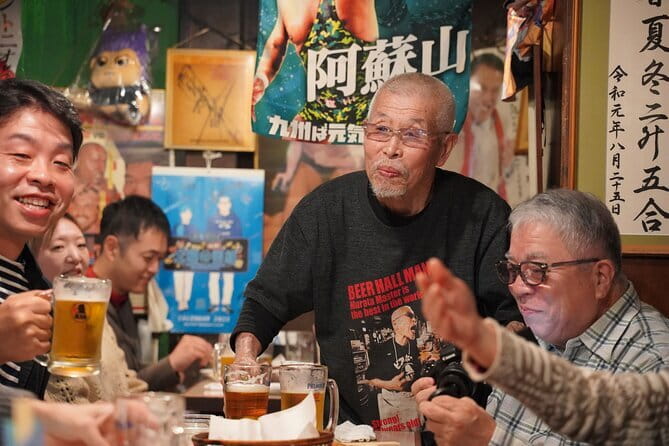
The instructor, Tommy, is described as qualified and experienced in calligraphy, tea ceremony, and flower arrangement. That combination gives the experience a broader cultural frame. She is not only helping you copy a character, but introducing several connected Japanese arts through the setting and conversation.
The personal communication is another advantage. After booking, you need to message the guide, and the start time can be adjusted within her available range. This is helpful for planning, but it also means you should not treat the booking confirmation as the end of the conversation.
Tommy’s messages have included questions about allergies and offers of hotel pickup. One couple also met Taka, her husband, during the visit. These details point to a host-led experience where the people matter as much as the scheduled activities.
The tradeoff is that a home visit can feel less standardized than a commercial class. The exact conversation, pickup arrangement, snack, and people present may vary. I see that as part of the personal nature of the program, but I would confirm anything important before the day.
Is $162.40 a Fair Price?
At $162.40 per person, this is not a budget activity. You are paying for roughly three and a half hours, a private or very small group setting, specialist instruction, supplies, matcha, sweets, and a hanging scroll to take home.
The price makes more sense if you value personal attention and the home setting. A class with only four participants can offer corrections and conversation that a large group cannot. The scroll also gives you a lasting souvenir, while the tea and sweets add a second cultural activity to the same morning.
The value is weaker if you mainly want a quick brush-painting souvenir. You could find less expensive cultural workshops elsewhere, though the supplied information does not provide comparisons. You are paying for the combination of instruction, hospitality, and access to a private home.
I would also factor in what you normally spend on guided cultural activities in Japan. If you enjoy learning a skill rather than simply seeing a place, the cost may feel reasonable. If your Kumamoto budget is tight, the price deserves careful thought before booking.
Who Will Enjoy This Most
I would recommend this experience to people who like calm, hands-on cultural activities. It suits solo visitors, couples, and small groups who want time for conversation and personal instruction.
It is also a good choice if you want an experience that works alongside Kumamoto Castle. The venue is close enough to combine with sightseeing, and the morning schedule leaves the rest of the day open.
You do not need to be a calligrapher. The itinerary is designed around introduction, demonstration, practice, guidance, and a final version. Most people can participate, according to the activity information.
I would hesitate to recommend it to anyone seeking constant movement or a strongly theatrical tea ceremony. The experience asks you to sit quietly, concentrate, and enjoy a slower pace for several hours.
The small-group format may work well for adults and older children who can focus for an extended period. The supplied information does not give a minimum age, so ask before booking if you are traveling with young children.
Booking Tips for a Smooth Morning
The experience is usually booked about 17 days in advance, which gives you a useful planning guide. If your Kumamoto schedule is fixed, reserve ahead rather than waiting until the last few days.
After booking, message Tommy about the start time, meeting arrangements, hotel pickup, allergies, and any language or dietary concerns. The formal start point is Shinmachi, even though hotel pickup was offered in a past visit.
Wear comfortable clothing that allows you to work at a table. You will be handling calligraphy supplies, so avoid bringing anything you would be upset to stain. The activity information does not describe a dress code, so practical clothing is the sensible choice.
The ticket is mobile, and confirmation arrives at booking. Free cancellation is available until 24 hours before the start time. Cancellations or changes made inside that window are not refunded or accepted, using local Kumamoto time.
Should You Book This Kumamoto Home Visit?
Book it if you want a personal cultural morning, enjoy making things with your hands, and value time with a local host. The best features are the four-person limit, the chance to create a hanging scroll, and the relaxed matcha service at a table.
Think twice if $162.40 feels high for a three-and-a-half-hour activity, or if you want a formal tea ceremony rather than a simple matcha experience. Also confirm pickup and food details, since the official meeting point is Shinmachi and the arrangements can depend on direct communication.
For the right visitor, this is more than a calligraphy lesson. It is a quiet pause near Kumamoto Castle, with a personal artwork to carry home and enough time to understand the care behind it.
FAQ
Where does the calligraphy and matcha experience begin?
The stated meeting point is 2 Chome Shinmachi, Chuo Ward, Kumamoto, 860-0004, Japan, near the Shinmachi tram stop.
How far is the home from Kumamoto Castle?
The residence is about a 10-minute walk from Kumamoto Castle.
What time does the experience start and end?
The scheduled start time is 9:30 a.m. The calligraphy session runs from about 10:00 a.m. to 12:30 p.m., followed by matcha and sweets until roughly 1:00 p.m. The end time may vary slightly.
What is included in the price?
The price includes instruction, calligraphy supplies rental, hanshi practice paper, a hanging scroll to take home, snacks, matcha, traditional sweets, and the instructor’s fee.
How many people can join?
The activity has a maximum of four participants.
Can I cancel for a full refund?
Yes. You can cancel for a full refund up to 24 hours before the experience starts. Cancellations or changes made less than 24 hours before the start time are not accepted, and the amount paid is not refunded.
More Matcha Experiences in Japan
- Kyoto: Arashiyama Bamboo Forest, Monkeys, Matcha & Temple Tour
★ 5.0 · 759 reviews - Matcha Making Class in Tokyo with Authentic Japanese Sweets Set
★ 5.0 · 744 reviews - Kyoto: Tea Museum Tickets and Matcha Grinding Experience
★ 4.9 · 739 reviews - Matcha Making Class in Osaka with Authentic Japanese Sweets Set
★ 5.0 · 509 reviews
Newly steeped around Japan
- Yokohama : Tea Ceremony with Sweets and Souvenir★ 5.0 · 5 reviews
- Whisk Your Own Matcha: A Zen Matcha Experience at Temple★ 3.6 · 7 reviews
- Walking Tour: Yanaka,Nezu& Sendagi: Tea Ceremony & Old Tokyo★ 5.0 · 3 reviews
- Visit local home for music and tea ceremony near Disney★ 4.9 · 13 reviews
- Trip to Kamakura & Enoshima: Shrines, Seaside, Temples &Tea★ 5.0 · 11 reviews
- Yokohama: Sushi & Gyoza Cooking with Matcha & GreenTea Experience★ 5.0 · 3 reviews
- Kyoto tea town for matcha lovers★ 5.0 · 16 reviews
- Uji: Private immersion into Kyoto’s tea and reglious culture★ 5.0 · 17 reviews
Tea & Calligraphy Workshops, compared.
Osaka: Tea Ceremony, Calligraphy, and Kimono Experience
Read our review →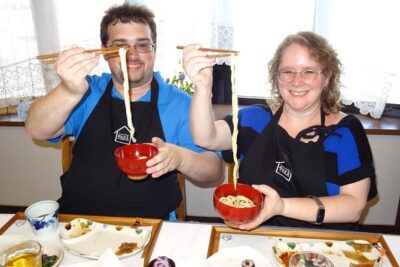
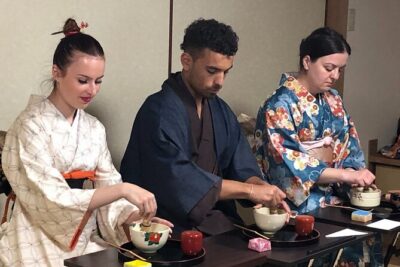
An Amazing set of Cultural experience: Kimono, Tea Ceremony and Calligraphy
Read our review →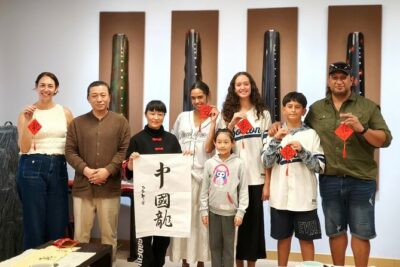
Beijing Culture: Tea Ceremony, Heritage Instrument & Calligraphy
Read our review →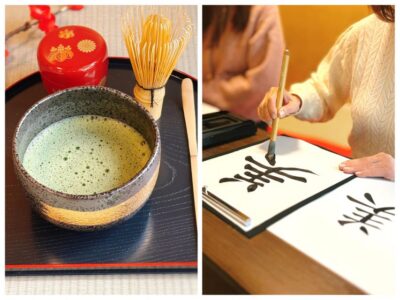
Osaka: Private Tea Ceremony and Calligraphy Experience
Read our review →
Cultural Activities :Kimono, tea ceremony, Calligraphy and Amulet
Read our review →
Samurai dress-up and shows, plus Tea Ceremony & Calligraphy
Read our review →
Premium Kimono Dressing, Tea Ceremony, Calligraphy, Samurai show
Read our review →Browse the lists this tea experience appears in