
Review · JAPAN
Experience Japanese calligraphy & tea ceremony at a traditional house in Nagoya
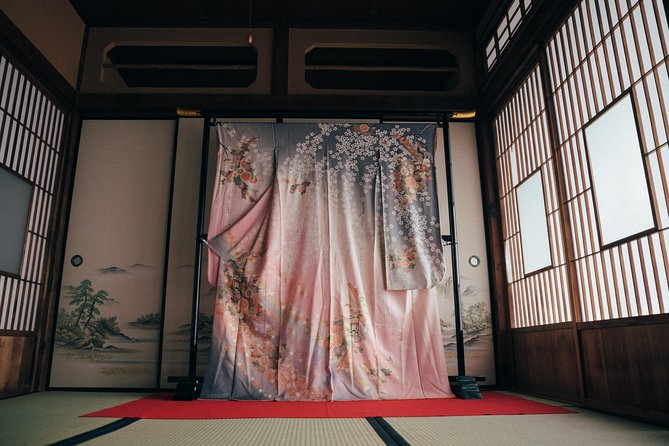
Nagoya’s best cultural moments may happen away from its major sights. Here, you enter a real kominka house, not a staged tourist facility, then learn calligraphy and tea ceremony in rooms with tatami mats, shoji screens, and a traditional garden. I like the short Sengoku-period briefing because it gives meaning to the rituals, and I like that your calligraphy is framed as a keepsake rather than left as a damp sheet of paper. The main drawback is the price: at $179.63 per person, this is a costly two-and-a-half-hour activity.
I also like the small group, limited to six people, and the patient, personal hosting from Yuzo Mori and his wife. The quiet setting and English explanations make this a good choice if you want cultural context, not just a quick photo opportunity. You should allow extra time to find the address in Showa Ward, since the meeting point is a private traditional house rather than a large attraction with a bold entrance.
Key points before you book
- A lived-in kominka house: Experience tatami, shoji screens, and a traditional garden in a home where people actually lived.
- Sengoku-period context: Hear a roughly 15-minute illustrated talk about Nagoya and the samurai leaders linked to the Owari district.
- Calligraphy with a finished souvenir: Grind ink, practice brush technique, choose meaningful symbols, and take home a framed final piece.
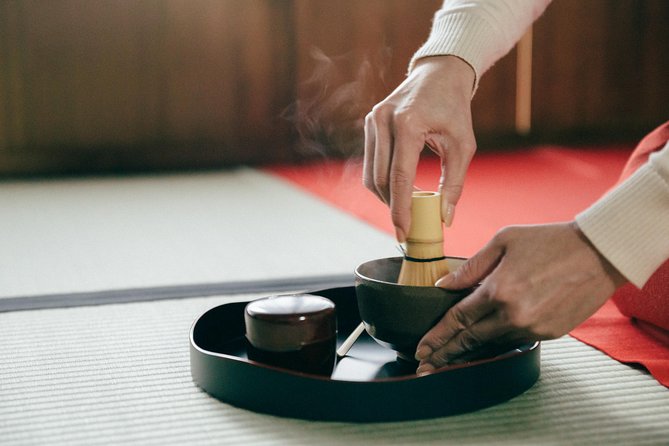
- Tea ceremony participation: Drink matcha with Japanese sweets, then try serving the tea yourself.
- Small English-language group: The maximum is six people, with cultural explanations throughout the session.
- A fixed, hands-on visit: The experience lasts about 2 hours 30 minutes, begins and ends at the same address, and includes a mobile ticket.
Entering a traditional Nagoya home
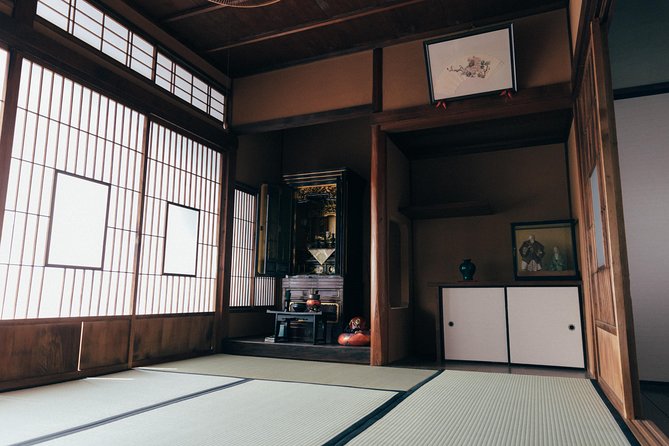
The setting does much of the teaching before anyone picks up a brush. You arrive at 4-chōme-32 Yamawakichō in Showa Ward, Nagoya, and step into a traditional house with tatami flooring, shoji paper screens, and a garden. This matters because the setting is part of the lesson. You are not simply being shown a calligraphy table in a modern studio. The house gives you a sense of how these arts fit into Japanese domestic life.
The experience is hosted by Yuzo Mori and his wife, who welcome you into their home. The small group limit of six should help keep the atmosphere calm and personal. It also means you are likely to have room to ask questions and receive help with the brush, ink, and tea utensils.
The address is near public transportation, but the information provided does not identify a station or give step-by-step directions. I would save the mobile ticket and address before leaving your hotel, then leave enough time to get your bearings. A private house can be harder to spot than a museum entrance.
More Tea and Calligraphy Workshops in Japan
- Osaka: Tea Ceremony, Calligraphy, and Kimono Experience
★ 4.9 · 130 reviews - Experience all of Japanese culture and Japanese food experience classes “origami, udon, Japanese food, green tea, calligraphy” in 4 hours
★ 5.0 · 105 reviews - An Amazing set of Cultural experience: Kimono, Tea Ceremony and Calligraphy
★ 5.0 · 69 reviews
A 15-minute introduction to the Sengoku period
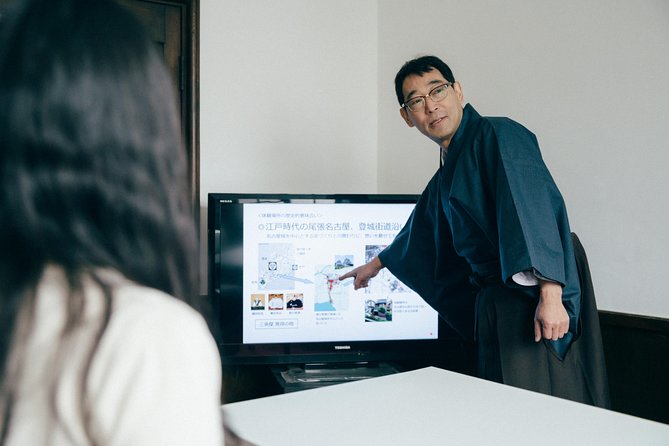
Before the practical activities begin, you listen to an easy-to-follow presentation of about 15 minutes. It uses slides to explain Nagoya during the Sengoku period, the era when samurai leaders fought for control of Japan.
The Owari district, which includes Nagoya, is linked with three of Japan’s best-known Sengoku figures: Oda Nobunaga, Toyotomi Hideyoshi, and Tokugawa Ieyasu. The presentation helps explain why Nagoya is a fitting place for an experience focused on traditional culture and samurai-era identity.
I appreciate this part because it is short. You get enough background to understand the setting without sitting through a long lecture before the hands-on portion. If Japanese history is new to you, the simple slide presentation should make the rest of the session easier to place. If you already know the basics, it still provides a local connection to figures you may have encountered elsewhere in Japan.
This briefing is not a replacement for a full museum visit or a detailed historical tour. Its job is more practical: it gives you a frame for the house, the arts, and Nagoya’s place in the story of Japan.
Grinding ink and writing your own calligraphy
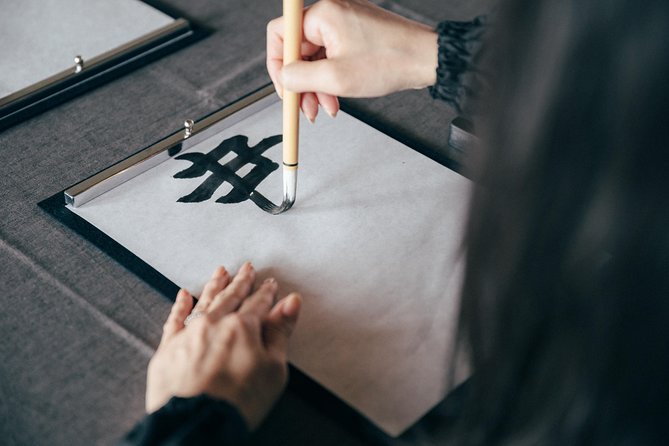
The calligraphy session begins with a task that slows the pace right down. You drip water onto an inkstone and rub an ink stick across it. The movement is simple, but it requires patience. You notice the smell of the ink and the change from water to usable black ink as you work.
That preparation is one of the most appealing details of the activity. In many short cultural demonstrations, the tools are already laid out and the visitor moves straight to the final step. Here, making the ink becomes part of the experience. It gives you a better sense of the care behind the finished characters.
You then learn the basic brush techniques, including how to hold and move the brush. The goal is not to produce perfect professional calligraphy. You are learning how the brush responds to pressure and movement, and you have time to focus in the quiet room.
Next, you choose symbols from sample designs. The information describes choices based on meaning and appearance, so you can select words or characters that appeal to you rather than copying one fixed example. This personal choice makes the souvenir more useful than a generic certificate. You create something tied to your own interests and interpretation of Japan.
After practicing, you write on a clean sheet. Your completed work is framed as a souvenir. The frame is an important value point, since it turns a temporary activity into something you can display at home. It also means you should think about how you will carry it for the rest of your trip.
Calligraphy does require concentration. If you are hoping for a fast, light activity with constant conversation, this may feel slower than expected. That is also the point. The session gives you time to settle into the rhythm of the brush and the room.
Matcha, sweets, and the tea room
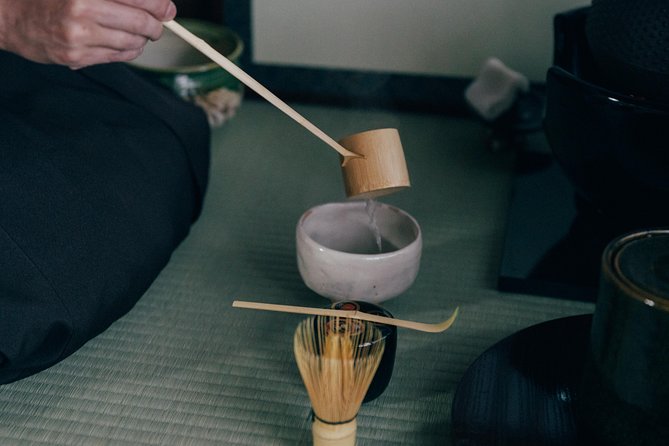
After calligraphy, you move into the tea room. The host explains the room’s arrangement and the utensils used for the ceremony. You first sit as a guest while matcha is prepared and served to you with Japanese sweets.
The tea is not presented as a drink you simply order and consume. The setting, tools, movements, and manners all matter. You are encouraged to notice the atmosphere and the care involved in serving the bowl. The sweets provide a small taste alongside the matcha, and coffee or tea is included in the experience description, with one bowl of matcha specifically noted.
Once you are familiar with the atmosphere, you get to try serving tea yourself. This is a strong feature for anyone who wants participation rather than observation. You see the ceremony first, then repeat part of the process with guidance.
The tea ceremony section is described as a chance to calm your mind and feel the spirit of the practice. That does not mean you need prior knowledge or special preparation. Most people can participate, and the explanations are given in English. You simply need to be willing to slow down and follow the sequence.
Anyone with food allergies should notify the hosts in advance because sweets are provided. The supplied information does not specify the ingredients, so this is worth handling before the appointment rather than trying to sort it out at the table.
Same leaf, a different ritual:
- Kyoto: Tea Ceremony in a Traditional Tea House in Kiyomizu
★ 4.9 · 3,519 reviews - Kyoto: Tea Ceremony Ju-An at Jotokuji Temple
★ 4.9 · 3,207 reviews - Kyoto: 45-Minute Tea Ceremony Lesson Experience
★ 4.3 · 2,378 reviews - World Heritage Kyoto & Nara Uji Authentic Matcha Experience
★ 5.0 · 1,573 reviews
Why the small group changes the experience
With a maximum of six people, this is far more intimate than a large cultural demonstration. You are not watching from the back of a crowded room while a guide repeats the same movements for a dozen or more people.
A small group also suits calligraphy. Brush position and movement are easier to understand when the host can watch what you are doing. The same applies to tea preparation, where small details of handling the bowl and utensils matter.
The tradeoff is that the activity depends on the tone of the people attending that day. A quiet house works best when everyone is ready to pay attention and take part respectfully. The format is not designed for a loud, quick-moving group.
The warm hosting is a major strength. Yuzo Mori and his wife create the sense that you are being welcomed into a family space, not processed through a commercial attraction. That personal touch is one of the reasons this experience feels different from a standard workshop.
What the $179.63 price includes
At $179.63 per person, the cost is high for a two-and-a-half-hour activity. You are paying more than the materials alone. The price covers access to a private traditional house, English cultural explanation, the calligraphy instruction, the tea ceremony, matcha, sweets, and all calligraphy tools.
The framed calligraphy is the clearest physical value. You do not need to buy separate paper, ink, brushes, or framing during your visit. You leave with a finished item that reflects your own work.
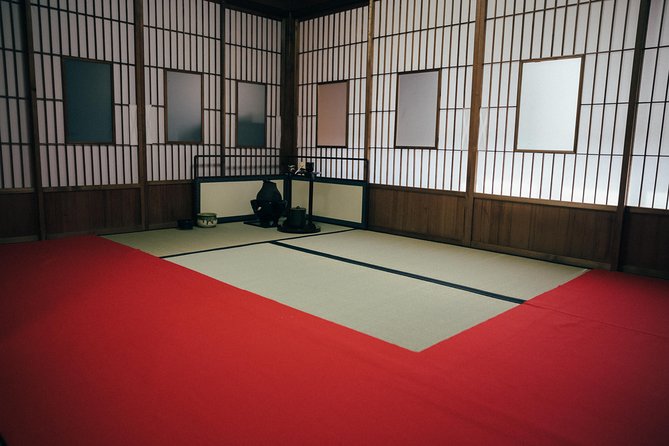
The less obvious value is the setting. A traditional house with tatami, shoji, and a garden offers an atmosphere that a hotel workshop may not provide. The experience is especially worthwhile if you care about Japanese customs and want a quiet cultural activity that connects objects, gestures, and local history.
Still, I would not call it a bargain. If your main goal is to try one brush stroke and taste matcha, the price may feel steep. If you want both activities, historical background, personal instruction, and a framed result in a small group, the cost is easier to justify.
Timing, meeting point, and practical details
The session lasts approximately 2 hours 30 minutes. It starts and ends at 4-chōme-32 Yamawakichō, Showa Ward, Nagoya, Aichi 466-0063. Since the activity returns to the same point, you do not need to arrange a separate pickup after the tea ceremony.
A mobile ticket is provided, which keeps the booking simple. Confirmation is normally sent at booking. If you book within seven days of the date, confirmation may arrive within 48 hours and depends on availability.
The activity is near public transportation, and most people can participate. No special fitness requirement is stated. The description does not provide specific wheelchair or seating details, so you should ask the provider directly if you have mobility needs or require a particular arrangement.
The experience is non-refundable and cannot be changed after booking. That rule makes timing important. Confirm your Nagoya plans first, especially if you are booking several weeks ahead. The activity is booked on average 17 days in advance, so leaving it until the last minute may not be wise.
Who will enjoy this most
I would recommend this to you if you want a slower cultural session with real participation. It suits adults, couples, solo visitors, and families with older children who can focus during the quiet calligraphy and tea portions.
It is also a good fit if you have already seen major Nagoya attractions and want something more personal. The Sengoku introduction gives the visit a local anchor, while the house provides a calm change from city sightseeing.
You may want to skip it if you are searching for a low-cost activity, a large group tour, or a full-day historical program. It is not a substitute for visiting every samurai-related sight in Nagoya. It is a focused introduction to two traditional arts, held in a home where the surroundings matter as much as the instruction.
My recommendation for booking
I would book this experience if you value authentic setting and personal instruction more than a low price. The combination of a traditional Nagoya house, a short Sengoku briefing, hands-on ink preparation, framed calligraphy, and tea preparation gives you a complete cultural visit in a manageable 2.5-hour block.
The strongest reasons to choose it are the small group, warm hosts, and finished calligraphy piece. Before booking, check your schedule carefully because the activity cannot be refunded or changed, and contact the hosts ahead of time about any sweet allergies or mobility concerns.
If $179.63 fits your budget, this is a thoughtful way to spend part of a Nagoya day. You leave not only with a framed piece of writing, but with a better sense of how place, ritual, and patience shape these Japanese arts.
FAQ
Where does the calligraphy and tea ceremony take place?
The activity takes place at 4-chōme-32 Yamawakichō, Showa Ward, Nagoya, Aichi 466-0063, Japan, in a traditional Japanese kominka house.
How long does the experience last?
The experience lasts approximately 2 hours 30 minutes.
What activities are included?
You receive a short Sengoku-period history presentation, Japanese calligraphy instruction and practice, a framed piece of your calligraphy, and a tea ceremony experience that includes drinking and serving matcha.
Is matcha included?
Yes. The experience includes a bowl of matcha tea and Japanese sweets.
Are calligraphy materials provided?
Yes. All Japanese calligraphy tools are included.
How many people can join?
The activity has a maximum of six people.
What happens if I have a food allergy?
Japanese sweets are provided, so you should tell the hosts about any allergies in advance.
More Tea Ceremonies in Japan
- Osaka: Tea Ceremony Experience
★ 4.9 · 1,426 reviews - Kyoto: Table-Style Tea Ceremony at a Kyo-Machiya
★ 4.9 · 1,211 reviews - Kanazawa: Kenrokuen Tea Ceremony Experience
★ 4.8 · 1,139 reviews - Kimono Tea Ceremony at Kyoto Maikoya, NISHIKI
★ 5.0 · 911 reviews
Newly steeped around Japan
- Yokohama : Tea Ceremony with Sweets and Souvenir★ 5.0 · 5 reviews
- Whisk Your Own Matcha: A Zen Matcha Experience at Temple★ 3.6 · 7 reviews
- Walking Tour: Yanaka,Nezu& Sendagi: Tea Ceremony & Old Tokyo★ 5.0 · 3 reviews
- Visit local home for music and tea ceremony near Disney★ 4.9 · 13 reviews
- Trip to Kamakura & Enoshima: Shrines, Seaside, Temples &Tea★ 5.0 · 11 reviews
- Yokohama: Sushi & Gyoza Cooking with Matcha & GreenTea Experience★ 5.0 · 3 reviews
- Kyoto tea town for matcha lovers★ 5.0 · 16 reviews
- Uji: Private immersion into Kyoto’s tea and reglious culture★ 5.0 · 17 reviews
Tea & Calligraphy Workshops, compared.
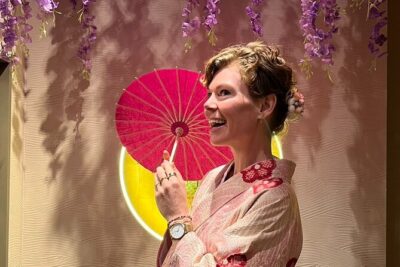
Osaka: Tea Ceremony, Calligraphy, and Kimono Experience
Read our review →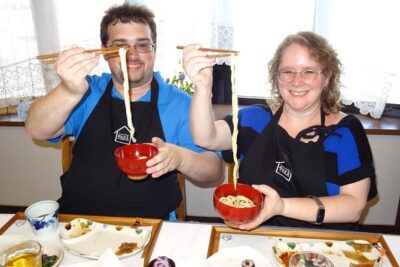
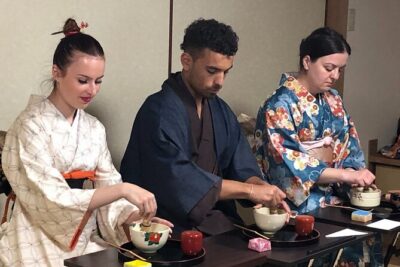
An Amazing set of Cultural experience: Kimono, Tea Ceremony and Calligraphy
Read our review →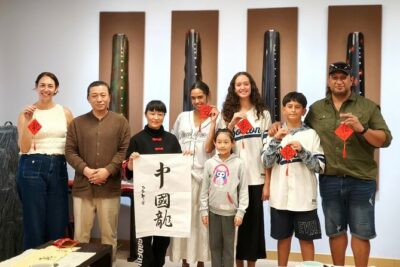
Beijing Culture: Tea Ceremony, Heritage Instrument & Calligraphy
Read our review →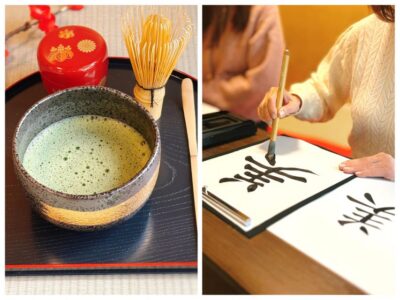
Osaka: Private Tea Ceremony and Calligraphy Experience
Read our review →
Cultural Activities :Kimono, tea ceremony, Calligraphy and Amulet
Read our review →
Samurai dress-up and shows, plus Tea Ceremony & Calligraphy
Read our review →
Premium Kimono Dressing, Tea Ceremony, Calligraphy, Samurai show
Read our review →Browse the lists this tea experience appears in