
Review · KYOTO
Kyoto: Make Zen Garden and Taste Matcha in Pottery Shop
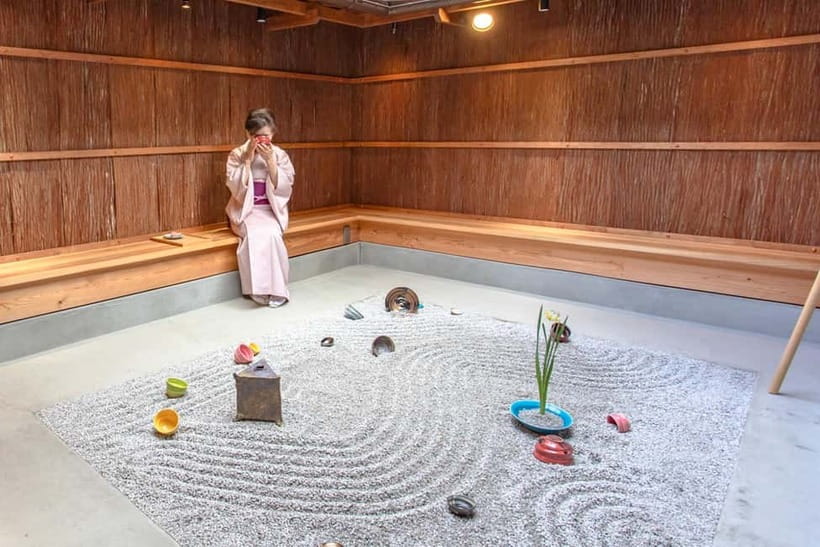
Most Zen gardens are made for looking at. At Ninshu pottery shop, you get to rake and arrange your own small karesansui, the dry sand garden style associated with Kyoto temples. Then you sit in front of it with matcha and a seasonal Japanese sweet, turning a familiar cultural symbol into something you actively make.
I like two things right away: the activity brings several Kyoto traditions into one short visit, and the setting is a renovated 100-year-old machiya, not a large staged attraction. The matcha comes from respected Kyoto tea company Ippodo, and the handmade pottery makes a useful souvenir rather than a dust collector. The main drawback is pace. With only 30 minutes and limited instruction, a decisive group may finish the garden quickly, while anyone hoping for a formal lesson may find the free-form format too loose.
Key points to know before booking
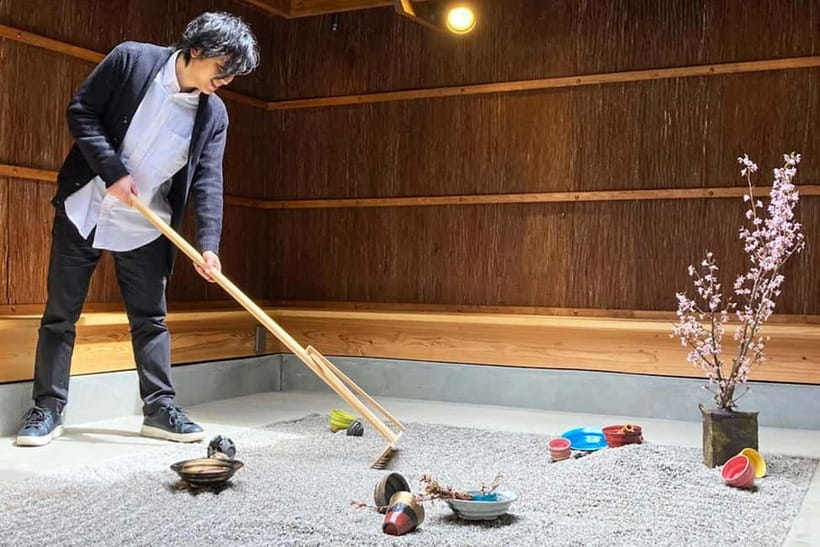
- You make the Zen garden yourself: Rake the sand and arrange the garden in your own way instead of simply viewing one behind a temple fence.
- Matcha comes from Ippodo: Your tea is served with a seasonal wagashi sweet from Senbon Tamajushuken.
- The setting is a traditional machiya: Ninshu occupies a renovated 100-year-old Kyoto townhouse near the Imperial Palace Park.
- The format is compact: The full activity lasts 30 minutes, so it fits neatly between sightseeing stops.
- Groups stay small: A maximum of eight participants keeps the shop experience relatively personal.
- The pottery is practical: Handmade pieces are dishwasher and microwave safe, making them easier to use at home.
A small Kyoto experience with a hands-on twist
Kyoto offers plenty of chances to admire gardens, tea rooms, ceramics, and old wooden homes. This experience ties those elements together in a small space, which makes it useful when you want a taste of local culture without committing half a day to a temple visit or formal workshop.
The centerpiece is the miniature Zen garden. You are given sand and garden elements to arrange, then use a rake to create lines and patterns. The point is not to produce a perfect replica of a famous temple garden. It is to make a personal composition, even if your design is simple.
That distinction matters. This is not a detailed gardening class, and nobody expects you to master the principles of Zen aesthetics in one sitting. Think of it as a creative introduction. You have room to make choices, but not a long lecture explaining every symbol or technique.
I like that the activity asks you to slow down before the tea is served. Kyoto sightseeing can become a parade of temples, gates, and photographs. Here, you spend a few minutes deciding where the sand should be smooth, where the lines should curve, and how the small elements should sit together. That simple task gives the visit a quieter rhythm.
More Matcha Experiences in Kyoto
- Kyoto: Arashiyama Bamboo Forest, Monkeys, Matcha & Temple Tour
★ 5.0 · 759 reviews - Kyoto: Tea Ceremony Meditation – Make Matcha with Tea Master
★ 4.8 · 406 reviews - Kyoto: Kimono Tea Ceremony with Matcha and Sweet
★ 4.9 · 249 reviews
Making a karesansui garden in the back of the shop
The garden is located in the back of Ninshu, a pottery shop. That combination is part of the appeal. You are not entering a huge cultural center designed for crowds. You are stepping into a working retail space where pottery, an old townhouse setting, and a small outdoor garden share the same visit.
The garden style is called karesansui, often described in English as a dry or Zen garden. Sand represents water, while stones and other elements suggest islands, mountains, or natural forms. In a temple, the garden is normally viewed from a fixed position. Here, you get to alter the sand yourself.
Expect the instructions to be fairly light. The activity is free form, so you may need to decide your design without much coaching. That works well if you enjoy creative choices and do not need every step explained. It is less suitable if you want a structured workshop with a teacher demonstrating several techniques before you begin.
A practical tip: do not spend the entire activity trying to make the garden flawless. You have a short time, and the tea portion is part of the experience. A simple pattern made with care is enough. If you are visiting with friends or family, you can also treat the garden as a shared project rather than a test of artistic skill.
The setting gives you a useful photo opportunity. Once the garden is finished, you can sit in front of it with your tea and sweet. The result captures more than a close-up of a souvenir. It shows you taking part in a small piece of Kyoto culture.
Matcha from Ippodo and a seasonal wagashi
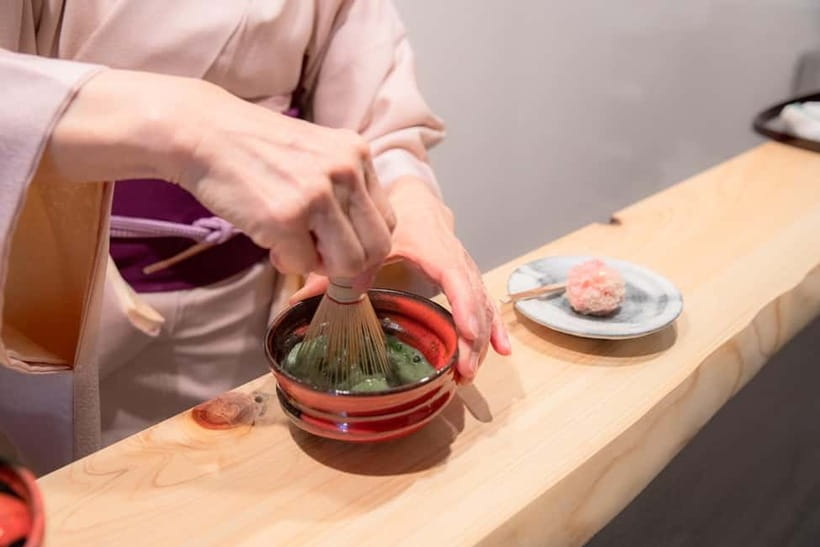
After making the garden, you receive matcha from Ippodo, one of Kyoto’s well-known tea companies. You can choose hot or iced matcha, which is a welcome option if the weather is warm or if you are not accustomed to hot green tea.
The tea is served with a seasonal wagashi sweet from Senbon Tamajushuken. The exact sweet can vary, so you should not expect a fixed item every day. The pairing matters because Japanese tea is traditionally enjoyed with a small sweet that balances the tea’s bitter, grassy edge.
The sweet is described as a mochi cookie, giving you a slightly different texture from the soft, molded wagashi often served in formal tea settings. That makes the pairing approachable for people who are trying matcha for the first time. You get a clear taste of the tea without the ceremony becoming intimidating.
This is not presented as a full tea ceremony. You should not book it expecting an extended performance, elaborate utensils, or a long explanation of tea etiquette. Instead, it is a relaxed tasting enjoyed beside the garden you just created.
I like this sequence because the drink comes after the hands-on part. You have something to look at while you sip, and the garden gives the photo a personal connection. The tea is not simply handed to you in isolation. It becomes the quiet end of the activity.
Why the machiya setting matters
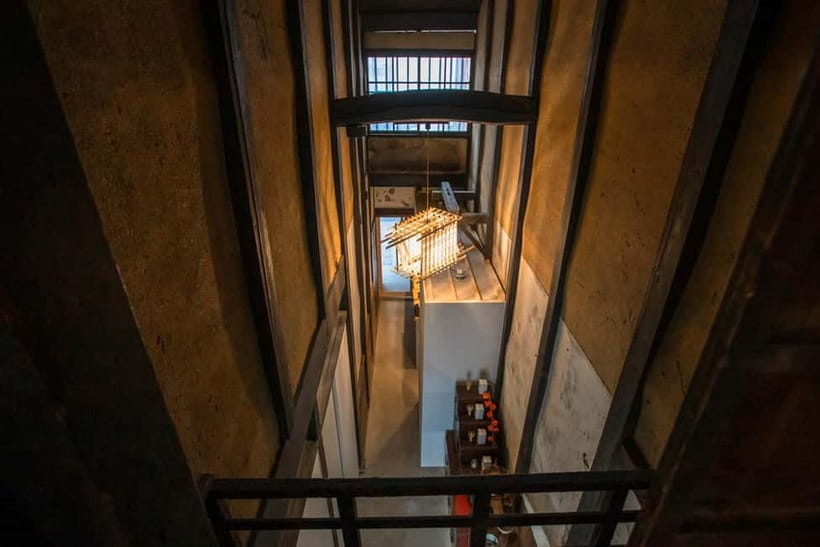
Ninshu is in a renovated 100-year-old Kyoto townhouse. Traditional machiya are known for their narrow street-facing design and deeper interior spaces, although the supplied information does not specify every architectural feature of this particular building. What you can count on is a historic shop setting rather than a modern tour facility.
That makes the experience feel connected to the neighborhood. You are not being taken away to an isolated attraction. You are visiting a small business in central Kyoto, close to older shops and cultural sights.
The location is especially convenient for a short stop. Ninshu is about 100 meters south of Kyoto Imperial Palace Park along Teramachi Dori and about two minutes north of Ippodo. If you are already visiting the palace grounds or walking along Teramachi Dori, the activity can fit naturally into your route.
It is about an 11-minute walk from Kyoto Shiyakusho-mae Station on the Subway Tozai Line and roughly nine minutes from Jingu-Marutamachi Station on the Keihan Main Line. Those walking times make the shop accessible, but you should still allow a little extra time to find the exact entrance in a traditional street setting.
The area also rewards a few minutes of wandering before or after the activity. Handmade and antique homeware shops are found around the pottery store, giving you a chance to continue browsing Kyoto crafts once the 30-minute session ends.
More Zen Tea Sessions around Kyoto:
- Kyoto: Mindful Tea Ceremony in 100-Year-Old Teahouse
★ 4.8 · 160 reviews - Oboro | Mindful Tea Ceremony in a 100-Year-Old Kyoto Teahouse
★ 5.0 · 19 reviews - The Art of Mindful Living: Tea Ceremony in Kyoto
★ 5.0 · 16 reviews - Kyoto Hidden Riverside Zen Mediation and Uji Matcha Experience
★ 5.0 · 9 reviews
Browsing the pottery and choosing a useful souvenir
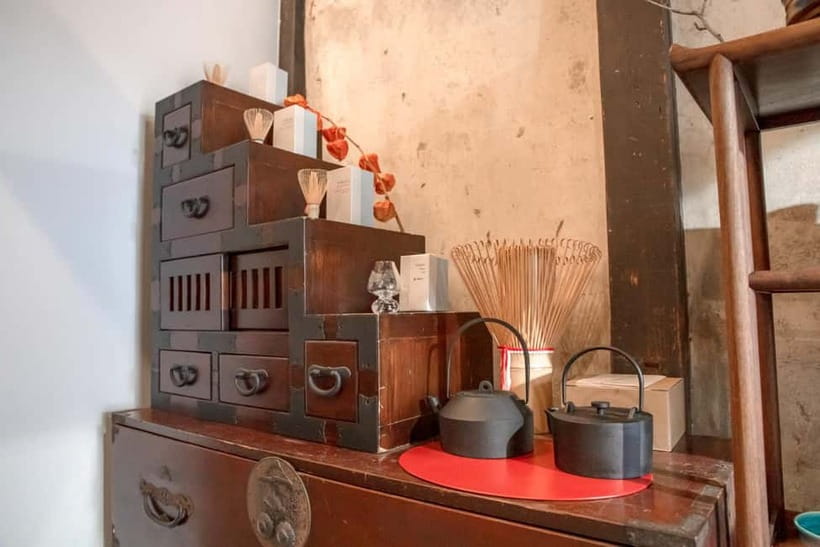
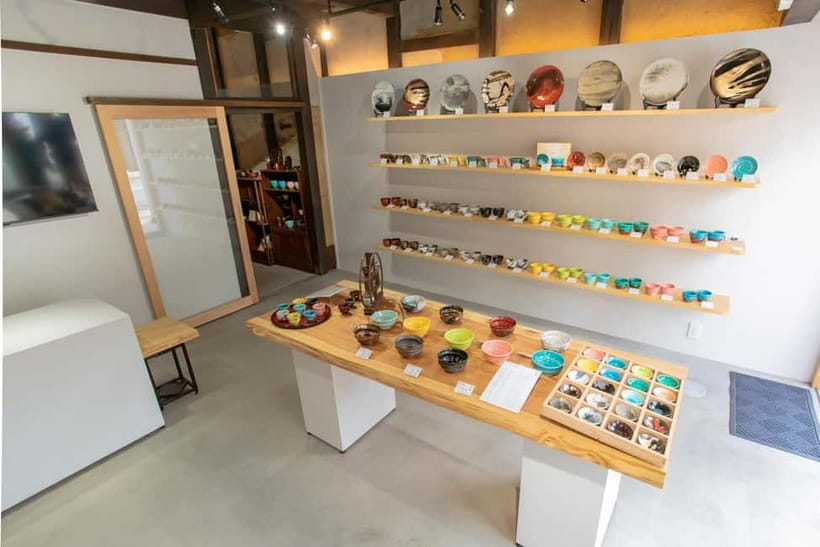
Ninshu is not only the meeting point. It is also a pottery shop, and handmade pieces are available for purchase. The most practical detail is that the pottery is dishwasher and microwave safe.
That feature will matter to you if you want a souvenir you can use every week. Traditional ceramics can look beautiful in a suitcase and then become too delicate for daily life. Dishwasher and microwave safety makes these pieces easier to bring home and put into regular service.
You may find bowls, cups, plates, or other household pieces, but the supplied information does not specify a complete product range or fixed prices. Treat the shopping as an optional part of the visit rather than a guaranteed shopping list.
If you plan to buy ceramics, pack with care. The activity information does not state that shipping is available, so you should be prepared to carry your purchase or ask the shop about its current arrangements. The pottery is a stronger souvenir choice for someone who values use and craftsmanship over a small, inexpensive trinket.
The shop setting also adds context to the garden activity. You see how pottery fits into ordinary Japanese life rather than encountering it as a museum object only. That connection between making, serving, and using objects is one of the most appealing parts of the stop.
What 30 minutes feels like
Thirty minutes is enough for an introduction, not a full workshop. You will make the garden, arrange the sand, and then enjoy matcha with the sweet. The short duration is helpful if you have a packed Kyoto schedule, but it also limits how much instruction and conversation can fit into the visit.
A likely rhythm is:
- You arrive at Ninshu and settle into the shop’s garden area.
- You rake the sand and decorate your miniature Zen garden.
- You photograph the finished garden and yourself with it.
- You receive hot or iced matcha and the seasonal sweet.
- You spend a few quiet minutes enjoying the setting and browsing pottery.
The exact order may vary, and no named guide is provided. The small-group limit of eight keeps the activity from becoming a large class, but it does not turn the session into a private lesson.
The free-form structure is best for people who can make quick decisions. If your group spends ten minutes debating every stone and rake line, the tea portion may feel rushed. If you are comfortable creating something simple, the timing should feel manageable.
Families, couples, solo visitors, and small friend groups can all use the format differently. Children may enjoy the tactile garden-making, while adults may prefer the calm tea and photography. Since the information does not give a minimum age or specific child policy, check the current booking details before reserving for young children.
Price, group size, and overall value
At $12 per person, the experience is inexpensive for central Kyoto. The price includes the activity, matcha, seasonal Japanese sweet, and reservation and system fees. You are paying for a compact cultural stop, not a long class or a major attraction ticket.
The value comes from combining several small experiences. A separate cup of matcha, a pottery shop visit, and a garden activity might each be easy to arrange, but this booking puts them together in one location. You also avoid spending time planning each part yourself.
The price is less compelling if you only want a formal tea ceremony or a detailed Zen garden lesson. This is a light introduction. You receive enough structure to participate, but not enough time for expert-level instruction.
The small group size helps the price feel fair. With no more than eight participants, the visit should be more manageable than a large commercial demonstration. Still, the experience is held in a shop, so the atmosphere is intimate rather than grand.
I would consider it particularly good value for a first Kyoto visit, a rainy-day backup, or a short cultural break between larger sights. It also works well for people who want an activity they can photograph without spending hours in costume or at a staged studio.
Who should book this experience
Book it if you like small-scale cultural activities, hands-on crafts, Japanese tea, and practical souvenirs. It is a good match for anyone who wants to do more than look at Kyoto’s gardens but does not need a serious art course.
It suits:
- First-time visitors looking for a gentle introduction to Zen gardens and matcha
- Couples or friends who want a shared creative activity
- Families whose children can follow light instructions and handle sand carefully
- Pottery shoppers seeking dishwasher-safe handmade ceramics
- People visiting the Imperial Palace Park or Teramachi Dori
- Photographers who want a personal garden-and-tea picture
Think twice if you need a tightly scripted lesson, detailed historical explanation, or long tea ceremony. The activity is intentionally short and informal. You may also want to skip it if you dislike shopping environments or have no interest in pottery.
The best mindset is simple: make something small, enjoy a good cup of tea, and move on with a pleasant Kyoto memory. Do not judge the garden as a work of art. The value is in the making.
Location and booking tips
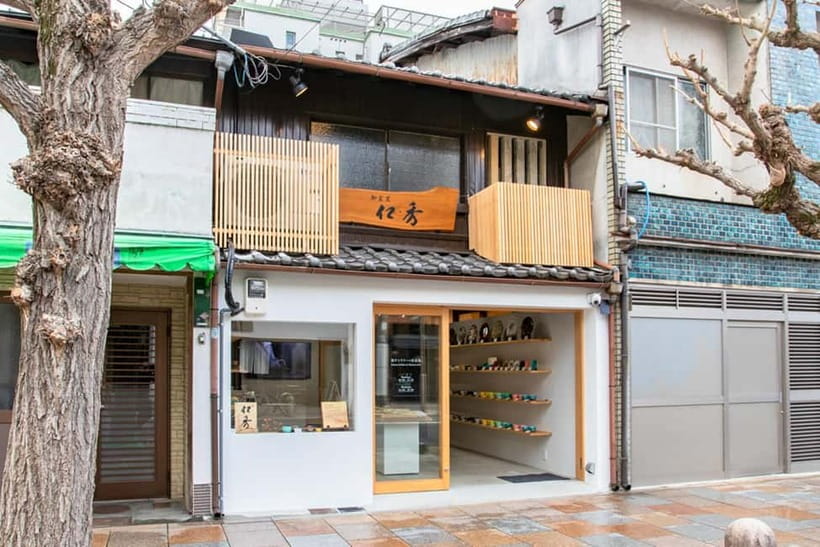
The meeting point is Ninshu, about two minutes north of Ippodo and 100 meters south of Kyoto Imperial Palace Park along Teramachi Dori. The listed coordinates are 35.0157879, 135.7673992.
From Kyoto Shiyakusho-mae Station, allow about 11 minutes on foot. From Jingu-Marutamachi Station, allow about nine minutes. The activity lasts 30 minutes, so arriving with a little time to spare is sensible, especially if you are walking from another sight.
You can reserve now and pay later, which helps if your Kyoto schedule is still changing. Free cancellation is available up to 24 hours before the start time for a full refund. Check the available starting times when booking, since the exact schedule is not fixed in the information provided.
The experience has a maximum of eight participants. If you want the smallest possible group, choose a time with low availability or contact the provider, Ninshu, before booking. The activity is offered in a small-shop setting, and no separate transportation is included.
Should you book Ninshu’s Zen garden and matcha experience?
I would book this for the right reason: it is a short, affordable chance to make a small karesansui garden, drink Ippodo matcha, taste a seasonal sweet, and browse useful Kyoto pottery in an old townhouse setting.
I would not book it expecting a formal tea ceremony or an in-depth lesson. The instructions are light, the schedule is brief, and a creative, self-directed approach works best.
If you are near the Imperial Palace Park or Ippodo, the location makes the decision easy. Add it to a walking day, keep your garden design simple, and leave time to browse the pottery. At $12, it offers a pleasant slice of Kyoto culture without taking over your itinerary.
FAQ
How long does the Kyoto Zen garden and matcha experience last?
The activity lasts 30 minutes.
What is included in the price?
The price includes the experience cost, matcha, a seasonal Japanese sweet, and reservation and system fees.
Can I choose hot or iced matcha?
Yes. You can have either hot or iced matcha.
How many people can join the activity?
The experience is limited to eight participants.
Where is the meeting point?
Ninshu is about two minutes north of Ippodo and 100 meters south of Kyoto Imperial Palace Park along Teramachi Dori. It is about an 11-minute walk from Kyoto Shiyakusho-mae Station and a nine-minute walk from Jingu-Marutamachi Station.
Can I buy pottery at the shop?
Yes. Handmade pottery is available to purchase, and the pieces are dishwasher and microwave safe.
Newly steeped around Kyoto
- Whisk Your Own Matcha: A Zen Matcha Experience at Temple★ 3.6 · 7 reviews
- Kyoto: Authentic Tea Ceremony in a Small Group★ 5.0 · 7 reviews
- Tea ceremony at Kyoto’s Zen Temple Teahouse★ 5.0 · 2 reviews
- Uji Walking Tour – Byodo-in temple and Tea Ceremony from Kyoto★ 3.5 · 3 reviews
- Tea Ceremony Experience in Traditional Kyoto Townhouse★ 5.0 · 19 reviews
- Tea Ceremony in 150 Years Old Townhouse with Tables and Chairs★ 5.0 · 22 reviews
- Traditional Tea Ceremony in Kyoto★ 4.5 · 3 reviews
- Sencha-do the Japanese Tea Ceremony Workshop in Kyoto★ 5.0 · 21 reviews
Zen Tea & Meditation Experiences, compared.
Kyoto: Tea Ceremony Meditation – Make Matcha with Tea Master
Read our review →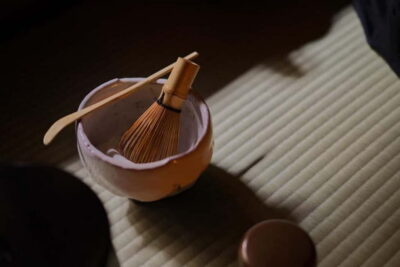
Kyoto: Mindful Tea Ceremony in 100-Year-Old Teahouse
Read our review →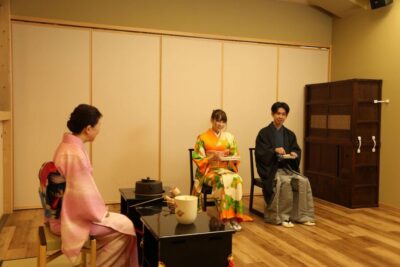
Tokyo: Practicing Zen with a Japanese Tea Ceremony
Read our review →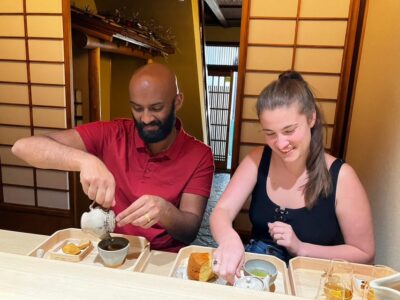
Nara:5 Type of Tea Tasting & Mindful Tea Ceremony
Read our review →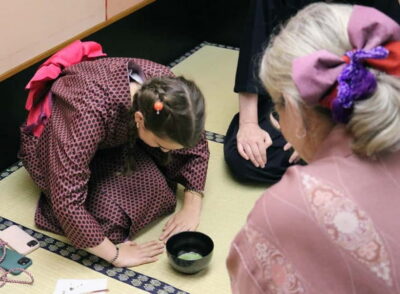
Learn Zen in a class of making Matcha tea near Osaka Castle
Read our review →
The Art of Mindful Living: Tea Ceremony in Kyoto
Read our review →
Shizuoka Shore Excursion: Zen, Matcha & Calligraphy Shimizu Port
Read our review →
Hue Retreat: Tea and Meditation with Vegetarian Meal
Read our review →Browse the lists this tea experience appears in