
Review · KYOTO
Oboro | Mindful Tea Ceremony in a 100-Year-Old Kyoto Teahouse
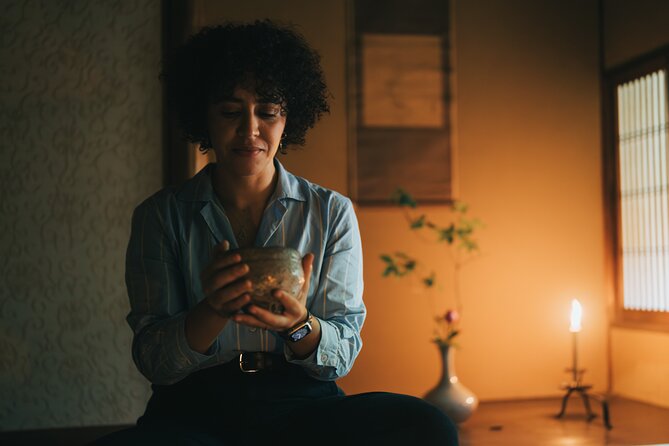
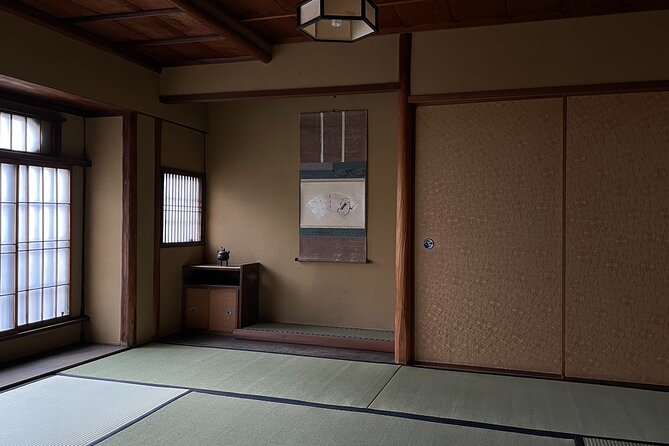
The most striking part of Oboro’s tea ceremony is the setting. You enter a 100-year-old Kyoto teahouse lit by handmade candles, with minimal decoration and very little noise. The room asks you to slow down before the matcha even appears.
I like the small group limit of eight, which gives you a better view of the host’s careful movements. I also like that an English-speaking guide translates and explains the ritual, so you can focus on the meaning instead of trying to follow a speech in Japanese.
The main consideration is timing. The ceremony lasts about 50 minutes, and you must arrive on time: after 10 minutes, you cannot join. This is a quiet cultural experience, not a hands-on matcha class or a long meal.
Key Points Before You Book
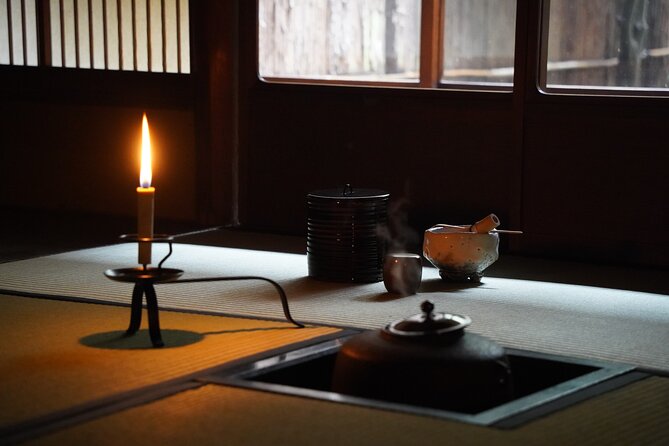
- Candlelit setting: The ceremony takes place in a softly lit, minimally decorated teahouse rather than a busy restaurant.
- Small group size: A maximum of eight people keeps the experience personal and makes it easier to watch the tea preparation.
- English guidance: Your host explains the ceremony and translates, with hosts including Taku, Naoki, and Ryoko named in the experience details.
- A full sensory ritual: You receive welcome tea and sweets, observe the cleaning of utensils, taste matcha, and notice the warmth of the bowl and the candlelight.
- Short but focused: The 50-minute format fits neatly into a Kyoto sightseeing day, though it leaves little room for lingering.
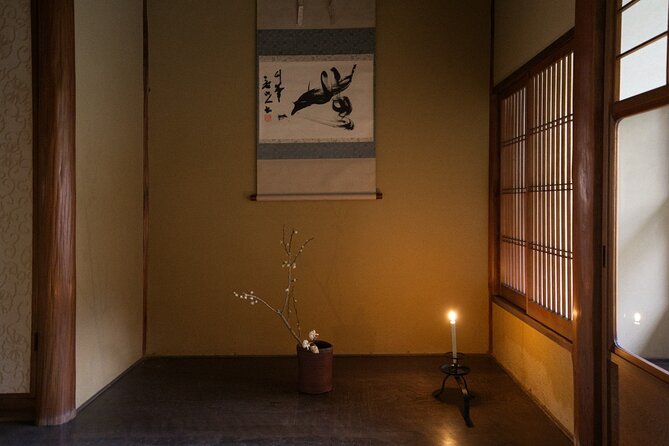
- A thoughtful keepsake: The experience ends with a small handmade candle that reflects the ceremony’s theme of calm and attention.
Entering a 100-Year-Old Kyoto Teahouse
Oboro’s location is at 237 Nakaogawachō in Kyoto’s Kamigyo Ward, near public transportation. The experience begins and ends at this meeting point, so you do not need to arrange a separate ride between the ceremony and your next stop.
The first impression is intentionally quiet. Instead of bright café lighting, you find a softly lit room with handmade candles, spare decoration, and gentle sounds. That simplicity matters. A tea ceremony can feel like a performance if the room is crowded or noisy. Here, the setting helps you notice small things: the movement of the host, the sound of utensils, the shape of the tea bowl, and the glow of the candlelight.
You begin with a welcome tea and sweets. This gives you time to settle in and shift attention away from the day’s sightseeing. Kyoto can be tiring, especially after temples, shopping streets, and busy buses. This opening pause gives the ceremony a clear purpose beyond simply drinking matcha.
The teahouse is described as more than a century old, while the ceremony connects to a tea tradition in Japan that reaches back more than 1,200 years. Those are different claims, and it is useful to keep them separate. You are sitting in an old Kyoto house while taking part in a much older cultural practice.
More Tea Ceremonies in Kyoto
- Kyoto: Tea Ceremony in a Traditional Tea House in Kiyomizu
★ 4.9 · 3,519 reviews - Kyoto: Tea Ceremony Ju-An at Jotokuji Temple
★ 4.9 · 3,207 reviews - Kyoto: 45-Minute Tea Ceremony Lesson Experience
★ 4.3 · 2,378 reviews
Watching the Matcha Preparation
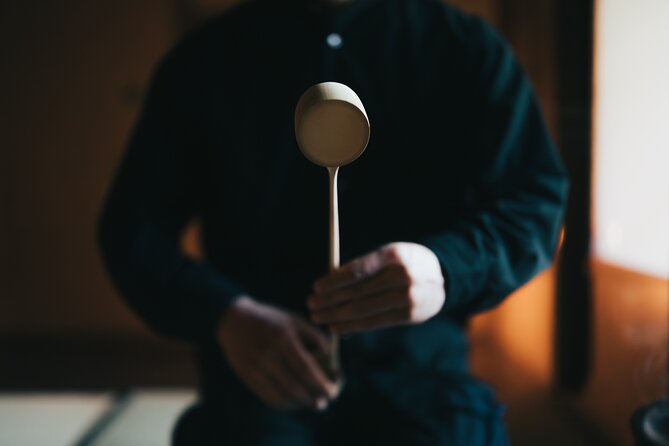
The heart of the experience is observation. Your host cleans and prepares the utensils before making the matcha. These actions are not rushed. The order, care, and repetition are part of the point.
You see techniques that are rarely shown in an ordinary restaurant tea service. The host handles each item with purpose, then whisks a rare organic green tea and serves it one bowl at a time. The individual serving helps keep the focus on the ritual. You are not taking a cup from a counter or drinking while looking at your phone.
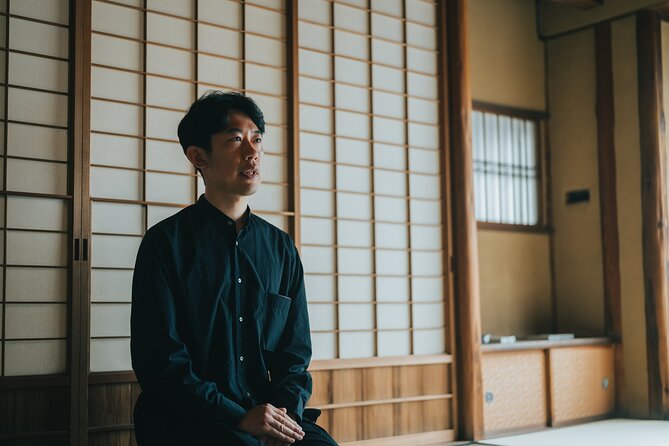
English explanations make a real difference here. Taku is specifically praised for speaking excellent English and for explaining both the preparation and the cultural meaning behind it. Naoki is described as a soft-spoken tea master, a quality that suits the reflective tone of the session. The named hosts are not simply preparing a drink for you. They help you understand why each movement matters.
The experience does not demand strict expertise from you. You are not expected to know every rule before you sit down. The ceremony emphasizes mutual respect and quiet wonder rather than making you worry about perfect form. That makes it a good first introduction for someone who has never attended a tea ceremony.
Tasting Matcha Without Rushing
When your bowl arrives, you are invited to pay attention to more than flavor. Notice the warmth of the bowl in your hands, the texture of the tea, and the effect of the quiet room around you.
The matcha is described as a rare organic green tea, and the preparation gives it a distinct place in the session. You taste it after watching the work behind it. That order changes the experience. A bowl of matcha in a café can be pleasant, but here you have seen the tools cleaned, the tea whisked, and the bowl presented with care.
The tea is not the only option for every person. One family member chose matcha while another had black tea, and both could take part in the experience. The supplied details identify coffee and tea as included, but they do not provide a full menu or promise a particular alternative at every session. If you have a strong preference, check before booking.
A small dessert or sweet is also part of the visit. It comes before the tea and gives you a traditional contrast to the bitter, grassy taste of matcha. The exact sweet is not specified, so do not book this expecting a full dessert course. It is a small treat within a ritual, not a meal.
Why the Small Group Matters
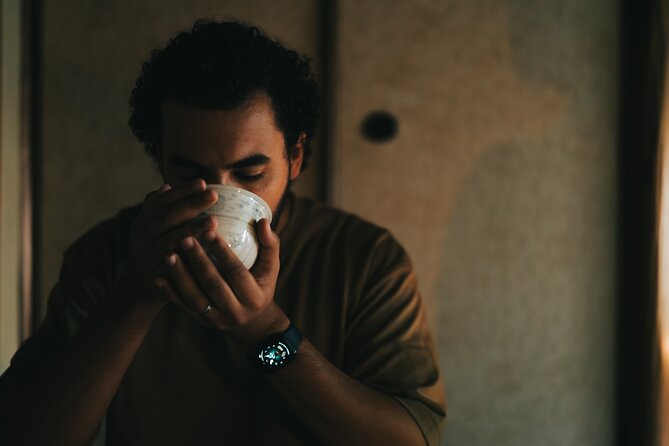
The maximum group size is eight. That is small enough to let you see the host’s hands and hear the explanation without the room feeling like a stage show.
A group of six has been described as comfortable, with the whole party able to enjoy the session together. Your experience may be smaller or may approach the eight-person limit, depending on the booking. Either way, the format is more intimate than a large cultural demonstration.
Small groups also help preserve the quiet. You have space to concentrate on the ritual without a crowd moving around you. The tradeoff is that you will have less anonymity than in a large tour. If you prefer to sit silently at the back of a room and avoid all interaction, this may feel more personal than you want.
The host answers questions, so you can ask about the tea, utensils, or the meaning of the ceremony. At the same time, the mood is not built around constant conversation. The best approach is to listen first, then ask a few thoughtful questions when the moment feels right.
More Zen Tea Sessions around Kyoto:
- Kyoto: Tea Ceremony Meditation – Make Matcha with Tea Master
★ 4.8 · 406 reviews - Kyoto: Mindful Tea Ceremony in 100-Year-Old Teahouse
★ 4.8 · 160 reviews - The Art of Mindful Living: Tea Ceremony in Kyoto
★ 5.0 · 16 reviews - Kyoto Hidden Riverside Zen Mediation and Uji Matcha Experience
★ 5.0 · 9 reviews
A Mindful Experience, Not a Formal Lesson
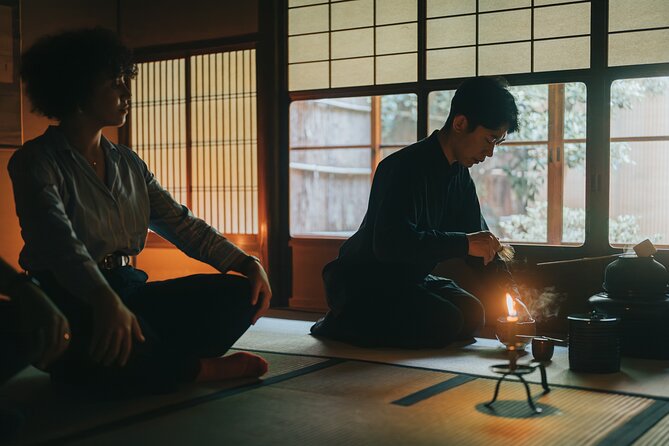
The word mindful can sound vague, but here it has a practical meaning. The ceremony gives you a series of small tasks for your attention: watch the preparation, receive the bowl, notice its warmth, taste the tea, and sit with the quiet.
You do not leave with a certificate or a complete education in tea ceremony. You leave with a clearer sense of why the ritual matters. The experience shows how an everyday act can become a shared practice built around respect, patience, and presence.
The host does not treat the ceremony as a stiff test of etiquette. That is important for first-time visitors. You can appreciate the ritual even if you do not know the correct way to hold a bowl or respond to every movement. The explanations provide enough context to help you follow along without turning the session into a lecture.
One participant who did not even like tea still found the coordinated movements compelling. That is a useful point for anyone unsure about booking. The ceremony is about tea, but also about design, hospitality, history, and concentration. You should still be comfortable tasting tea, but you do not need to be a matcha enthusiast.
The Handmade Candle at the End
The session closes with a small handmade candle. It is a simple souvenir, but it fits the experience better than a generic gift-shop item would. The candle recalls the light in the room and gives you a physical reminder of the quiet pause you took.
This ending also ties the whole visit together. The ceremony starts by drawing you away from daily noise and ends by suggesting that you carry some of that calm into the rest of your day. You might use the candle at home, or simply keep it as a reminder of the teahouse.
Do not expect a large shopping opportunity or a long final presentation. The candle is a modest token, not the main value of the experience. The real value comes from the setting, the host’s explanations, and the chance to watch the tea made with care.
Is $45.98 Good Value?
At $45.98 per person, Oboro costs more than buying a bowl of matcha at a Kyoto café. That comparison is not quite fair. You are paying for a 50-minute guided cultural experience in an old teahouse, not just for the drink.
The price includes tea, a sweet, an English-speaking guide, the ceremony, and the handmade candle. It also buys you a small group setting, translation, and access to techniques you would not normally see during a casual tea stop.
I consider the price reasonable if you want one focused cultural activity during your Kyoto visit. It is especially good value for a first tea ceremony because the guide explains what you are seeing. If you only want to taste matcha, you can spend less elsewhere.
The short duration helps the value for many schedules. You can fit the ceremony between other Kyoto plans without losing half a day. On the other hand, the compact format means the experience is tightly paced. You receive a thoughtful introduction, not a detailed multi-hour course in tea preparation.
Timing, Arrival, and Practical Details
The ceremony lasts about 50 minutes. Plan your route carefully and arrive early. The stated rule is strict: if you arrive more than 10 minutes after the start, you cannot participate.
You receive confirmation when you book, and the activity offers a mobile ticket. The meeting point is near public transportation at 237 Nakaogawachō, Kamigyo Ward, Kyoto, postal code 602-0053. The activity returns you to that same location at the end.
The experience requires good weather and a minimum number of participants. If poor weather cancels the session, you can choose another date or receive a full refund. The same choice applies if the minimum number is not met.
Free cancellation is available until 24 hours before the start time. Cancellations or changes made less than 24 hours before the start time are not refunded or accepted. The cut-off follows local Kyoto time, so keep that in mind if you are booking from another country.
Tips and gratuities are not included. The experience is capped at eight people, and the listed price is per person.
Who Will Enjoy Oboro Most?
I would choose this for a first-time visitor who wants a cultural activity that feels personal rather than crowded. It suits couples, families, and small groups who are happy to sit quietly and pay attention.
It is also a good choice for anyone who has already seen several temples and wants a different way to connect with Kyoto. You are not walking through another site while listening to a guide. You are staying in one room and learning through a carefully ordered ritual.
Families can take part, though children who need constant movement may find 50 minutes of quiet difficult. The supplied information does not specify a minimum age or accessibility details, so check those points directly if they affect your plans.
Tea lovers will enjoy the tasting, but the experience does not require expert knowledge. Even if matcha is not your favorite drink, you may appreciate the host’s technique and the calm setting.
You may want to skip it if you want a lively cooking class, a large meal, or an activity with lots of hands-on work. This is mainly a watching, listening, tasting, and reflecting experience.
Should You Book This Kyoto Tea Ceremony?
Book Oboro if you want a quiet introduction to Japanese tea culture, clear English guidance, and an old Kyoto setting. The candlelight, small group, careful preparation, and handmade candle give the 50 minutes a strong sense of place.
I would especially recommend it for first-time tea ceremony visitors. Taku, Naoki, and the other hosts create an experience that is understandable without stripping away its formal beauty. Just arrive early, expect a calm ritual rather than a class, and remember that the value lies in the full setting, not simply in the bowl of matcha.
FAQ
Where does the Oboro tea ceremony take place?
It takes place at 237 Nakaogawachō, Kamigyo Ward, Kyoto, Japan, postal code 602-0053.
How long does the tea ceremony last?
The experience lasts approximately 50 minutes.
What is included in the price?
Tea, a welcome sweet, an English-speaking guide, and the tea ceremony are included. A small handmade candle is also given at the end.
Is the experience conducted in English?
An English-speaking guide is included. The guide translates and explains the ceremony so there is no stated language barrier for English-speaking participants.
How many people can join?
The activity has a maximum of eight participants.
Do I need previous tea ceremony experience?
No previous experience is stated as necessary. The host explains the process and guides you through the ceremony.
Is matcha the only drink available?
Matcha is prepared and served during the ceremony. The included services list coffee and/or tea, and the experience details mention that one participant chose black tea instead of matcha. A full selection of alternatives is not specified.
Can I cancel for a full refund?
Yes. You can cancel at least 24 hours before the local start time for a full refund.
What happens if the activity is canceled?
If poor weather or a failure to meet the minimum number of participants causes cancellation, you can choose another date or receive a full refund.
What happens if I arrive late?
You cannot join if you arrive more than 10 minutes after the experience begins. Plan to reach the meeting point early.
Newly steeped around Kyoto
- Whisk Your Own Matcha: A Zen Matcha Experience at Temple★ 3.6 · 7 reviews
- Kyoto: Authentic Tea Ceremony in a Small Group★ 5.0 · 7 reviews
- Tea ceremony at Kyoto’s Zen Temple Teahouse★ 5.0 · 2 reviews
- Uji Walking Tour – Byodo-in temple and Tea Ceremony from Kyoto★ 3.5 · 3 reviews
- Tea Ceremony Experience in Traditional Kyoto Townhouse★ 5.0 · 19 reviews
- Tea Ceremony in 150 Years Old Townhouse with Tables and Chairs★ 5.0 · 22 reviews
- Silent Beauty of Kyoto Zen Walk and Tea Experience★ 5.0 · 2 reviews
- Traditional Tea Ceremony in Kyoto★ 4.5 · 3 reviews
Zen Tea & Meditation Experiences, compared.
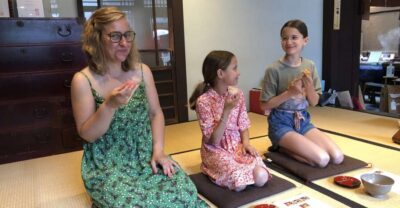
Kyoto: Tea Ceremony Meditation – Make Matcha with Tea Master
Read our review →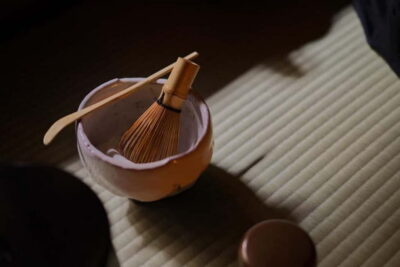
Kyoto: Mindful Tea Ceremony in 100-Year-Old Teahouse
Read our review →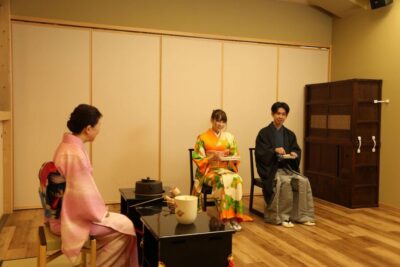
Tokyo: Practicing Zen with a Japanese Tea Ceremony
Read our review →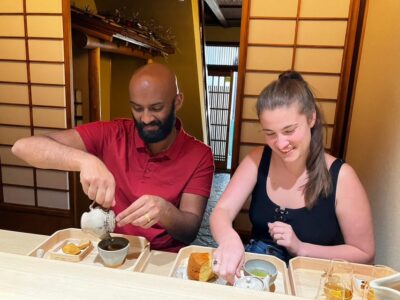
Nara:5 Type of Tea Tasting & Mindful Tea Ceremony
Read our review →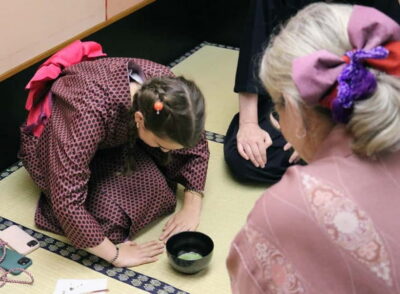
Learn Zen in a class of making Matcha tea near Osaka Castle
Read our review →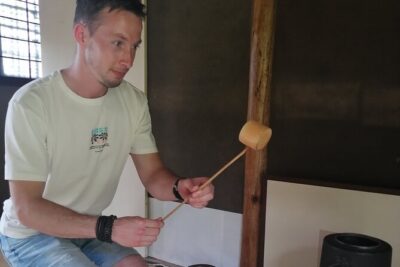
The Art of Mindful Living: Tea Ceremony in Kyoto
Read our review →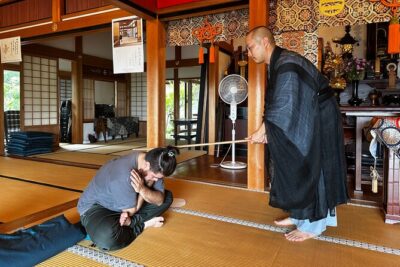
Shizuoka Shore Excursion: Zen, Matcha & Calligraphy Shimizu Port
Read our review →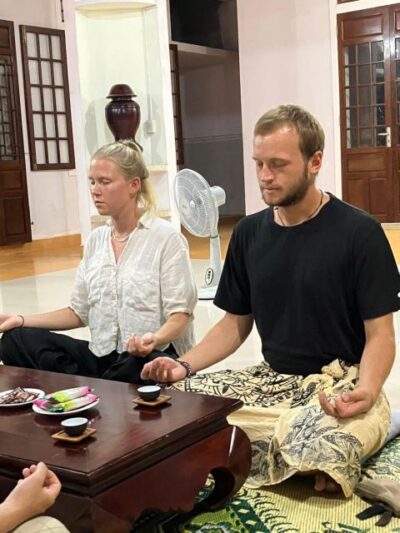
Hue Retreat: Tea and Meditation with Vegetarian Meal
Read our review →Browse the lists this tea experience appears in