
Review · OSAKA
Osaka:Zen Tea Ceremony and Foot Bath Experience<45min>
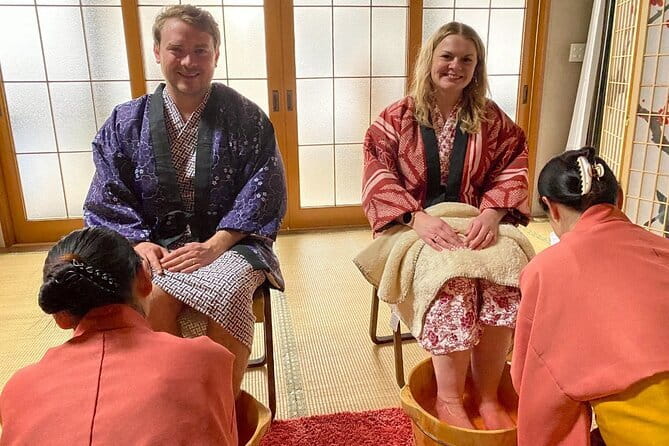
Osaka’s temple tea ceremony is paired with an unusual extra: a cooling foot bath and light scrub massage. In about 45 minutes, you move from incense and meditation to matcha and wagashi, with time to change into a yukata and slow down.
I like the tiny group size, capped at three people, and the way the experience mixes culture with simple physical comfort. The staff explain worship, temple customs, and matcha rather than leaving you to guess what each gesture means. The main point to consider is timing: the description calls it a 45-minute experience, while the overall booking duration is listed as about one hour.
Key points at a glance
- Three-person maximum: You may receive close attention from the staff, especially if you book alone or with one companion.
- Temple setting: The experience takes place in a small temple space described by one participant as about 500 years old.
- Culture and comfort together: You’ll offer incense, meditate, prepare matcha, and enjoy a cooling foot bath with a scrub massage.
- Yukata and photos: You can change into traditional clothing, and staff take smartphone photos for you.
- A gentle rainy-day plan: The meeting point is near public transportation, making this a useful indoor pause in Osaka.
- Price and timing: At $42.35 per person, the value depends on how much you want personal attention rather than a long formal tea lesson.
A small temple pause in Osaka’s Kitahorie district
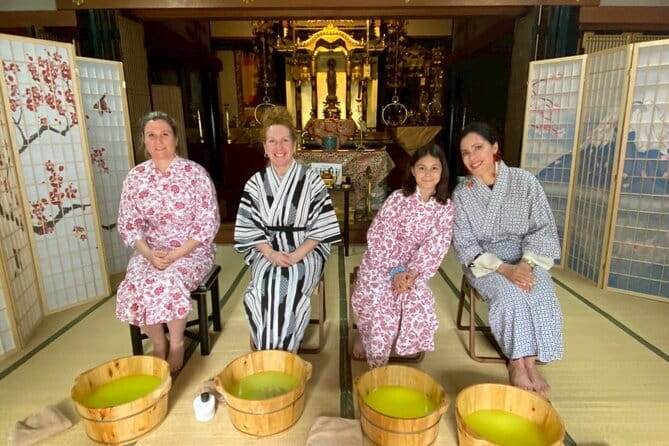
This experience begins at Tossa de coracao, 1-chōme-6-19 Kitahorie, in Osaka’s Nishi Ward. The activity returns to the same place, so you do not need to arrange a second meeting point or find your way across the city afterward.
The setting is a useful part of the appeal. You are not simply sitting in a modern room for a quick cup of matcha. The experience is held in a temple-style space, and one detailed account describes it as a small temple with about 500 years of history. That detail gives the ceremony a sense of place, though you should keep expectations in check. This is a compact cultural session, not a full temple tour.
The staff begin by explaining the temple, the proper way to worship, and the history and origins of matcha. Guidebooks are used to support the explanations. That matters because Japanese religious customs can feel formal if you do not know what to do. A short introduction helps you understand the meaning behind the incense, gestures, and quiet pauses.
I like that the experience does not treat the tea ceremony as a photo prop alone. You are given some cultural context before the matcha arrives. At the same time, the explanations are designed for a short visit, so anyone hoping for an advanced study of tea practice will find the format limited.
More Tea Ceremonies in Osaka
- Osaka: Tea Ceremony Experience
★ 4.9 · 1,426 reviews - Tea Ceremony Experience in Osaka Doutonbori
★ 5.0 · 754 reviews - Osaka: Tea Ceremony, Calligraphy, and Kimono Experience
★ 4.9 · 130 reviews
Worship, incense, and a little quiet
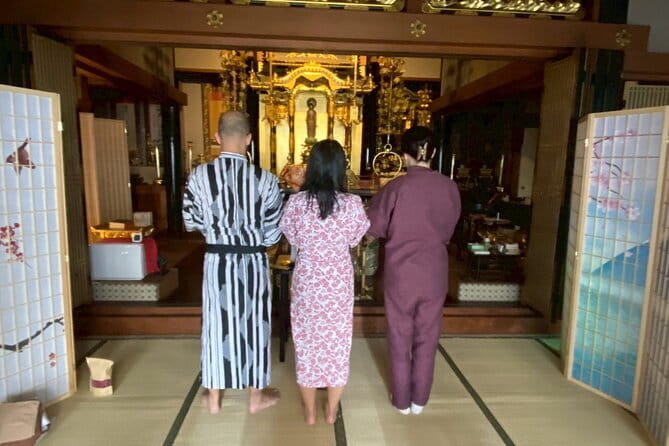
The first part includes worship and an incense offering. You are shown how to approach the temple space and how to take part respectfully. You also apply kneaded incense and spend time in meditation.
These steps give the visit a clear rhythm. Instead of rushing straight to the tea, you first settle into the surroundings. The smell of incense, the deliberate movements, and the brief meditation create a calm break from Osaka’s busy streets.
You do not need prior knowledge of Buddhism or Japanese tea customs. The staff explain what to do, and the use of guidebooks makes the process easier to follow. That makes this a good choice if you want a first introduction without committing to a long ceremony.
The meditation portion is short, based on the total length of the session. It is best viewed as a moment to pause rather than a serious meditation course. If you find quiet rituals uncomfortable, this part may feel more structured than relaxing. For most people, though, the simple instructions keep it approachable.
The kneaded incense is a particularly nice touch. It adds another sensory element before the tea and connects the ceremony to traditional Japanese practice. You are doing more than watching someone else perform a ritual, but the staff remain close enough to guide you.
Changing into a yukata before the tea
The experience includes traditional clothing. The activity details refer to a yukata, while one account calls it a kimono. Either way, you should expect a Japanese-style outfit as part of the presentation rather than a full dressing lesson.
Wearing the clothing changes the feel of the visit. It helps mark the ceremony as a special occasion and makes the smartphone photos more memorable. Staff take pictures with your phone and give them to you, so you do not have to depend on a stranger or rush to capture the moment yourself.
This is also one area where expectations matter. The listed session is short, so changing clothes is likely part of the experience rather than a long lesson in garment history or formal dressing. If you are looking for an elaborate costume rental, this is not the right product. If you want a simple way to feel part of the ceremony and leave with a few personal pictures, it fits well.
The small group limit helps here. With no more than three people, staff can give more direct attention to clothing, posture, and photographs. A solo booking may feel especially personal. One participant described receiving undivided attention from two staff members, which gives you a good idea of the level of care possible when the group is small.
A cooling foot bath with scrub massage
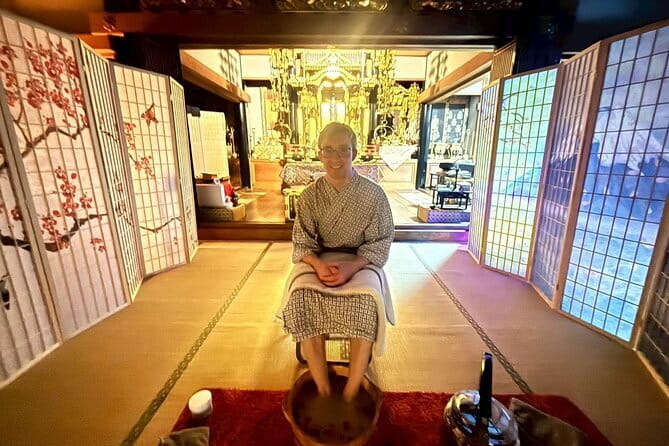
After the ritual elements, you receive a cooling foot bath with a scrub massage. This is not just an ornamental extra. It gives you a chance to sit, relax, and let the pace of the visit slow down further.
The word cooling is important. This is not described as a hot spring soak or a heated spa treatment. If you are expecting steaming water, ask the staff for clarification before the session. The supplied details specifically describe a cooling foot bath, paired with a light scrub massage.
The treatment is light rather than a full massage. That makes it suitable for someone who wants a little refreshment during a sightseeing day, but not for anyone booking a serious foot therapy appointment. One staff member named Arisa was praised for being gentle and kind during the massage and tea ceremony, though staff assignments can vary.
I like the way this part balances the more formal ceremony. Worship and incense ask you to pay attention; the foot bath lets you relax. It also makes the experience appealing on a rainy day, when you may want an indoor break near a train station rather than another sightseeing stop.
There is a practical point to remember: a foot bath is a shared activity format, but the group is very small. If you prefer privacy for changing or personal treatments, confirm the arrangements when you arrive. The available information confirms the small group size, but it does not describe the room layout or changing facilities.
More Zen Tea Sessions around Osaka:
- Learn Zen in a class of making Matcha tea near Osaka Castle
★ 4.8 · 17 reviews - ZEN therapy | Shiatsu-style massage, EnergyTherapy & Japanese Tea
★ 5.0 · 5 reviews - Kyoto: Tea Ceremony Meditation – Make Matcha with Tea Master
★ 4.8 · 406 reviews - Kyoto: Mindful Tea Ceremony in 100-Year-Old Teahouse
★ 4.8 · 160 reviews
Preparing matcha and eating wagashi
The tea portion is the heart of the experience. Staff explain the traditions and history of matcha, then guide you through a traditional preparation and serving. You are not simply handed a sweet green drink. You learn how the tea is made and how it fits into Japanese culture.
Matcha has a strong, grassy taste with a pleasant bitterness. That is why it is commonly paired with a Japanese sweet. Here, you receive wagashi, the small confection served with the tea. The sweet helps balance the matcha and gives you a better sense of how the two are enjoyed together.
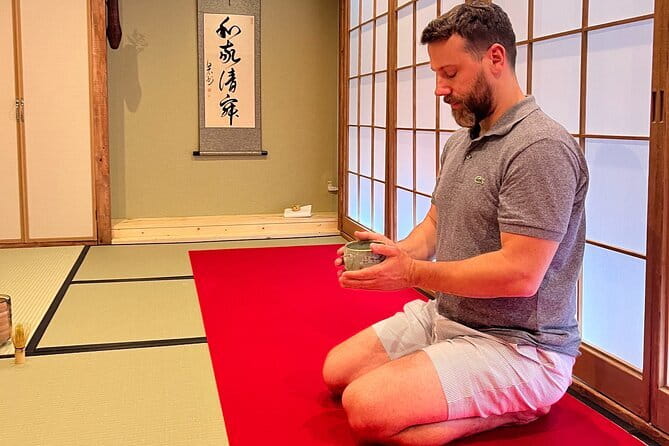
The tea ceremony takes place in the quiet temple setting, which changes the experience from a café stop into a cultural activity. You have time to notice the movements, the bowl, the tea, and the pauses between steps. The session is still brief, but it gives you a clear introduction to the basic shape of a tea ceremony.
The staff’s explanations are useful for first-time participants. You can ask questions and follow along without already knowing the etiquette. The ceremony may feel less formal than a long traditional tea school demonstration, but that accessibility is also its strength.
The wagashi is a small detail with real value. It gives you something to taste alongside the matcha and makes the lesson more complete. Do not expect a full meal. This is a light cultural refreshment, so plan to eat separately if you are hungry.
What $42.35 buys you
At $42.35 per person, the price is not the cheapest way to taste matcha in Osaka. You can find tea in a café for far less. The value here comes from the combination of services: temple customs, incense, meditation, traditional clothing, smartphone photos, a foot bath with scrub massage, personal guidance, matcha, and wagashi.
The three-person maximum is important to the price calculation. You are paying for a short, closely guided experience rather than a large group demonstration. If you book alone, you may receive extensive attention from the staff. If you book with two friends, the cost buys a private-feeling cultural break that you can share.
The total duration also matters. The main activity is listed as 45 minutes, while the booking information describes the full experience as approximately one hour. That is still a short appointment. You should not compare it with a half-day cultural class. Instead, compare it with the price of combining several small activities yourself: a tea tasting, a temple visit, a light foot treatment, and photos in traditional clothing.
I consider the price fair for someone who wants comfort and cultural explanation in one stop. It is less compelling if your only goal is to drink matcha or see a large historic temple. The experience is personal and compact, not extensive.
Who will get the most from this visit
I would recommend this for first-time visitors to Japan who want a gentle introduction to several customs at once. The staff explain worship and matcha, so you do not need to prepare beforehand. You can take part without worrying about making a major etiquette mistake.
It also suits couples, friends, and solo visitors. Three friends can book together and keep the group small. A solo visitor may receive particularly close attention, which can make the short session feel more personal.
This is a good option for a rainy afternoon. The indoor setting, foot bath, and nearby public transportation give you somewhere to pause without losing half a day. It also works well between larger Osaka attractions, especially when you need a quiet change of pace.
Families should check the details directly before booking if children are involved, since the supplied information does not specify age limits or child pricing. The same applies to anyone with mobility or medical concerns related to sitting, changing clothes, or using a foot bath. Service animals are allowed, but the details do not explain the space or procedure, so advance confirmation is sensible.
You may want to skip it if you prefer a long, highly formal tea ceremony with extensive instruction. The short schedule leaves room for several activities, but none can be explored at great length.
Practical timing, transport, and cancellation
The meeting point is Tossa de coracao, 1-chōme-6-19 Kitahorie, Nishi Ward, Osaka, 550-0014, Japan. The location is described as being near public transportation, but the available details do not identify a specific station or give walking times. Check the exact route before setting out, especially if you are arriving with luggage.
The activity ends back at the meeting point. That makes planning easier, since you are not left at a separate temple or required to arrange a taxi afterward.
A mobile ticket is provided, and confirmation arrives at booking. The group maximum is three people. Those details make this a relatively simple booking for a short gap in your schedule, but I would still allow a little extra time to find the entrance in Kitahorie.
Cancellation is free if you cancel at least 24 hours before the local start time. Within 24 hours, you receive no refund, and changes are not accepted. That is a reasonable policy for a small appointment with staff reserved for you, but it means you should avoid booking before your Osaka schedule is settled.
Should you book the Osaka temple tea and foot bath?
Book it if you want a short, personal cultural experience that combines matcha with incense, meditation, traditional clothing, photos, and a foot bath. The small group size and kind, attentive staff make it more personal than a standard tea tasting.
The best fit is a solo visitor, couple, or small group looking for a calm indoor break. At $42.35, the price makes sense when you value the massage, temple setting, clothing, and guidance as much as the tea itself.
Skip it if you want a long ceremony, a substantial meal, or a full spa treatment. The program is compact, and the foot massage is light. For everyone else, this is a pleasant way to give one hour in Osaka a slower, more thoughtful shape.
FAQ
How long does the experience last?
The main tea ceremony and foot bath experience is listed as 45 minutes. The overall booking duration is described as approximately one hour.
Where does the experience begin and end?
It begins at Tossa de coracao, 1-chōme-6-19 Kitahorie, Nishi Ward, Osaka, 550-0014, Japan. The activity ends back at the same meeting point.
What is included in the experience?
The session includes worship and an incense offering, kneaded incense, meditation, a cooling foot bath with scrub massage, and a matcha experience with Japanese wagashi.
Is the activity suitable for a small group?
Yes. The maximum group size is three people, which allows for close attention from the staff.
Are service animals allowed?
Yes, service animals are allowed. The experience is also described as being near public transportation.
What is the cancellation policy?
You can cancel for a full refund up to 24 hours before the experience start time. Cancellations or changes made within 24 hours are not accepted, and the amount paid is not refunded.
Newly steeped around Osaka
- Osaka Japanese Cooking And Matcha Class near Osaka Castle★ 5.0 · 22 reviews
- Nara Deer Park, Uji Matcha, & Hot Spring Full-Day Tour from Osaka★ 4.0 · 21 reviews
- Osaka: Tea Ceremony, Calligraphy, and Kimono Experience★ 5.0 · 6 reviews
- Tea and Calligraphy Session at a Table in Osaka★ 5.0 · 4 reviews
- Osaka: Nara, Todaiji, Uji Matcha, and Hot Spring Tour★ 4.0 · 7 reviews
- ZEN therapy | Shiatsu-style massage, EnergyTherapy & Japanese Tea★ 5.0 · 5 reviews
- Discover Japanese Tea Blending Techniques in Osaka★ 5.0 · 19 reviews
- Craft Sushi and Matcha Ice Cream in Central Osaka (3-Course Meal)★ 5.0 · 2 reviews
Zen Tea & Meditation Experiences, compared.
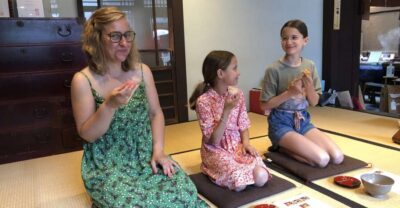
Kyoto: Tea Ceremony Meditation – Make Matcha with Tea Master
Read our review →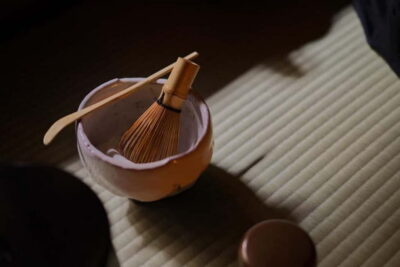
Kyoto: Mindful Tea Ceremony in 100-Year-Old Teahouse
Read our review →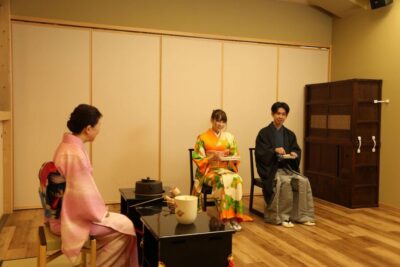
Tokyo: Practicing Zen with a Japanese Tea Ceremony
Read our review →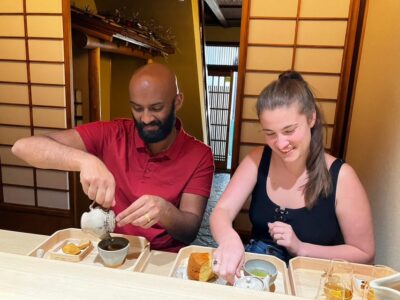
Nara:5 Type of Tea Tasting & Mindful Tea Ceremony
Read our review →
Learn Zen in a class of making Matcha tea near Osaka Castle
Read our review →
The Art of Mindful Living: Tea Ceremony in Kyoto
Read our review →
Shizuoka Shore Excursion: Zen, Matcha & Calligraphy Shimizu Port
Read our review →
Hue Retreat: Tea and Meditation with Vegetarian Meal
Read our review →Browse the lists this tea experience appears in