
Review · TOKYO
Matcha Kimono Tea Ceremony in Tokyo
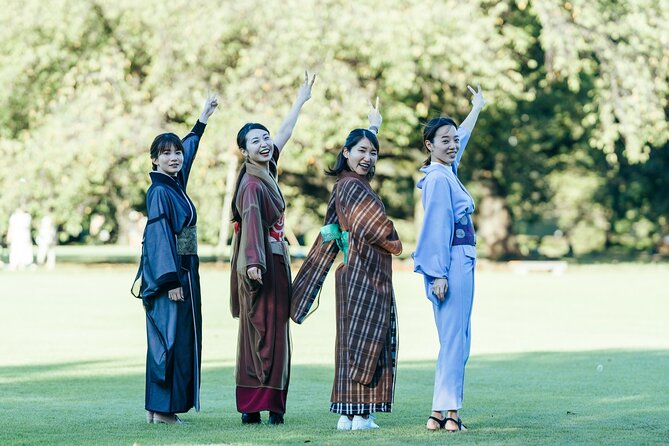
This Shinjuku workshop gives you a friendly introduction to matcha without demanding the formality or time of a full tea ceremony. You put on a specially designed kimono, learn the basics of tea culture, taste matcha from Japan, and whisk your own bowl.
I like the easy kimono rental, which avoids the long dressing process of a standard kimono. I also like the chance to compare teas with your eyes, nose, and tongue, rather than simply hearing a lecture. The main drawback is the strict start time: arriving more than 10 minutes late means automatic cancellation with no refund.
Key points to know
- Sample first-flush matcha: Taste high-quality matcha selected from a collection of more than 100 Japanese teas.
- Wear a quick-change kimono: The simple design is made for easy dressing and comfort during the class.
- Make your own bowl: Learn how to use the whisk and other tea implements, then practice the basic way to drink matcha.
- Ask plenty of questions: The English-speaking host keeps the session informal and welcomes questions about tea and Japanese customs.
- Small-group setting: The class accepts a maximum of 10 people, allowing more room for personal help.
- Plan for socks: You must wear socks in the tatami room, and you may need to buy a pair on site if you forget.
A relaxed introduction to matcha in Shinjuku
At $59.46 per person, this is a compact cultural activity rather than a full-scale sightseeing tour. You spend about 90 minutes in one place, which makes it easy to fit between shopping, museum visits, or an evening meal in Tokyo.
The setting is in Shinjuku, near public transportation, with the activity beginning and ending at the same meeting point. You do not get private transportation, a neighborhood walk, or a large theatrical performance. Instead, the value comes from personal instruction, tasting, clothing rental, snacks, and the chance to handle traditional tea tools yourself.
The group is capped at 10 people. That matters here. You are not just watching a host whisk tea from across a room. You have a chance to ask why matcha tastes bitter, how it differs from ordinary green tea, and what the gestures of a tea ceremony mean.
The host teaches in English and has been praised for explaining the subject clearly and patiently. The tone is informal, so this suits you if you want cultural context without needing to know Japanese etiquette in advance.
More Kimono and Tea Ceremonies in Tokyo
- Kimono Tea Ceremony at Tokyo, Asakusa Maikoya
★ 5.0 · 638 reviews - Tokyo: Matcha and Kimono Experience
★ 4.7 · 219 reviews - Tokyo: Asakusa Kimono Dressing and Matcha Experience
★ 4.9 · 173 reviews
Putting on the easy kimono
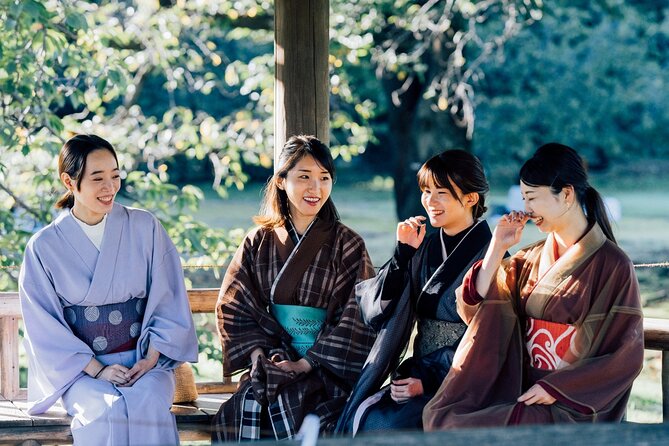
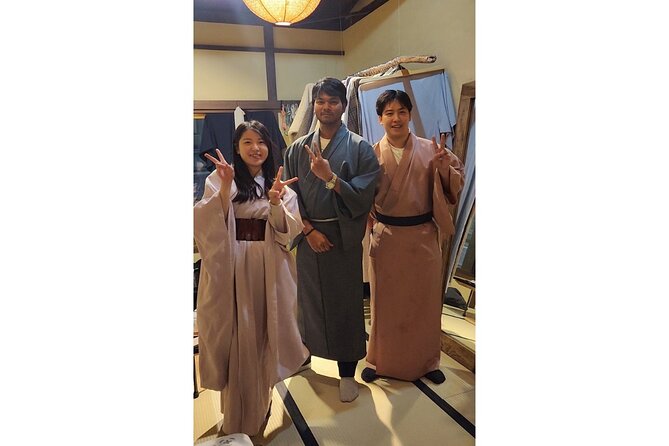
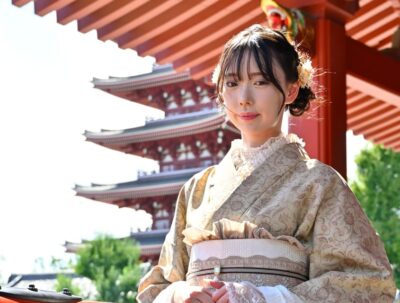
The experience begins with choosing and wearing one of the simple kimonos. These are not the heavily layered garments that can take about 30 minutes to put on. They are made for a quicker change, which keeps the activity practical for a short Tokyo itinerary.
That design also makes the session less intimidating. You do not need to know how to tie a traditional obi or worry about maintaining a perfect formal appearance. The host helps you put the garment on properly, and the clothing becomes part of the lesson rather than a separate photo stop.
You will sit in a tatami room, so wear socks. This is a firm practical rule, not a minor suggestion. If you arrive without them, you are asked to buy socks at the workshop location.
The kimono adds useful cultural context. You can see how Japanese clothing affects posture and movement, and you get a better sense of why formal tea settings place such importance on careful gestures. Still, keep expectations sensible. This is an easy-to-wear kimono rental, not a full professional dressing service or an extended kimono photo session.
The host can also take photographs during the activity. That is a nice extra for couples, families, and solo visitors who want a record of the experience without arranging a separate photographer.
Tasting matcha from across Japan
The tea lesson goes beyond the familiar green powder served in cafés. The host introduces different varieties of tea, including green, black, and Chinese teas, then explains how Japanese matcha differs from teas produced overseas.
A particularly appealing part is the tasting approach. You are encouraged to use your eyes, nose, and tongue to find a favorite from a collection of more than 100 matchas gathered from around Japan. This turns the subject into something you can judge for yourself.
The session also features an exclusive first-flush matcha. In tea terms, first flush refers to the earliest picking of the season. The workshop presents it as a high-quality choice, and you can decide how its flavor compares with other samples.
This tasting is valuable because matcha is often treated as one single flavor. In reality, the powder can vary in aroma, bitterness, sweetness, and finish. You may prefer a smoother bowl, a stronger vegetal taste, or a more intense cup. The class gives you a vocabulary for those differences.
A decaf option is available, along with an alternative matcha option noted by the provider. If caffeine matters to you, ask about the choice at the start. The supplied information does not explain the exact ingredients or caffeine level of every option, so do not assume every tea has the same profile.
The Japanese snacks help make the tasting feel like a small cultural lesson rather than a technical class. They are included in the price and offer something to eat alongside the tea.
Understanding tea ceremony without the stiffness
The lecture covers the difference between tea types and introduces the philosophy of Teaism and the tea ceremony. This is where the activity gains depth. You are not only learning how to make a drink. You are learning why preparation, attention, and respect matter in a traditional tea setting.
The presentation is designed for questions. You can ask about tea history, the kimono, ceremony etiquette, or the difference between matcha and regular green tea. The host has been praised for speaking fluent English, which makes it easier to ask precise questions instead of nodding along to a talk you only partly understand.
Do not expect a full formal tea ceremony lasting several hours. The focus is an accessible explanation followed by hands-on practice. That balance works well for first-time learners, especially if you want a useful introduction before deciding if you would like a longer or more formal ceremony elsewhere.
The host also explains basic manners for drinking a bowl of matcha. You learn how to receive it, how to handle the bowl, and how to drink it respectfully. These details give you more confidence if you later visit a traditional tea house.
More Matcha Experiences in Tokyo
- Matcha Making Class in Tokyo with Authentic Japanese Sweets Set
★ 5.0 · 744 reviews - Tokyo: Matcha Making Experience with Mochi Sweets in Asakusa
★ 4.9 · 388 reviews - Asakusa Cultural Walk & Matcha Making Tour
★ 5.0 · 245 reviews - Asakusa: Kimono Tea Ceremony with Matcha and Sweet
★ 4.9 · 153 reviews
Whisking your own bowl of matcha
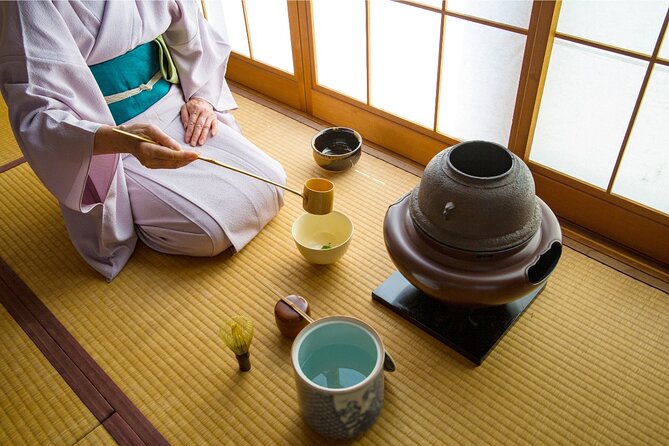
After the lecture and tasting, you prepare a bowl of matcha yourself. The tea implements are included, so you do not need to bring anything except socks and a willingness to try.
This is the most hands-on part of the session. You can see how the powder is combined with water, practice using the whisk, and work toward a smooth layer of foam. The host demonstrates the process and helps you correct your technique.
Your first bowl may not look perfect. That is part of the point. Whisking matcha is a physical skill, and the experience gives you a better understanding of the care involved in preparing it. The activity treats the process as approachable rather than sacred or intimidating.
The taste may also surprise you. Matcha is concentrated, grassy, and sometimes bitter. If you already enjoy matcha, the tasting can help you identify the styles you prefer. If you are unsure about the flavor, the class still has value because you can learn why it tastes different from steeped green tea.
The basic drinking etiquette rounds out the practice. You are not just making a bowl and walking away. You learn how to receive and enjoy it in a way that connects the drink with the broader ceremony.
What the $59.46 price includes
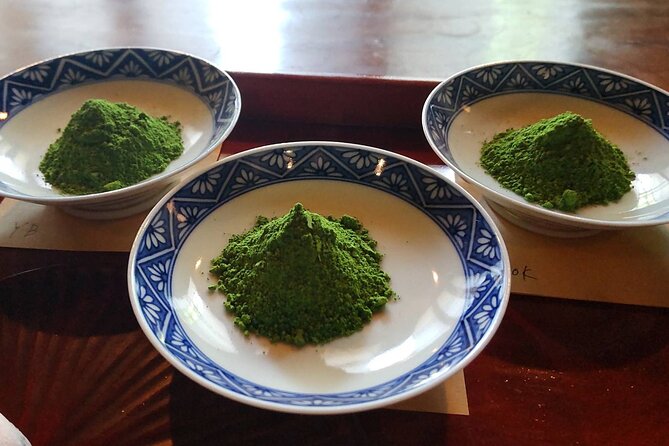
The price includes several elements that would cost extra if booked separately: easy-to-wear kimono rental, Japanese traditional snacks, tea implements, high-quality matcha, and an authentic Japanese welcome drink. Coffee and tea are also listed among the inclusions.
For a 90-minute activity, $59.46 is not the cheapest way to taste matcha in Tokyo. A café drink costs far less. But a café does not give you kimono rental, guided tea instruction, a tasting session, or the chance to whisk your own bowl.
The value is strongest if you want several cultural details in one short appointment. You get clothing, a lesson, tasting, practice, and photographs. It is also a reasonable fit for a busy schedule because there is no transportation between stops.
The value is weaker if you only want a quick cup of matcha or a formal ceremony performed by experts while you watch. This experience is educational and participatory. You are paying for access, instruction, and context, not just for the drink.
The small maximum group size helps support the price. With no more than 10 people, the host can answer questions and assist with the kimono and whisking. The exact group size on your date may be smaller, but the activity is not designed for a large crowd.
Timing, meeting point, and the strict late-arrival rule
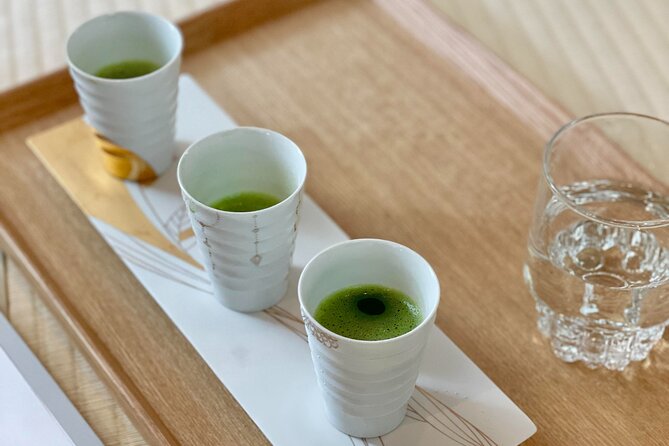
The activity begins at the listed meeting point in Shinjuku and ends there. Since private transportation is not included, you need to make your own way to the starting location using Tokyo’s public transportation network.
Allow extra time to find the meeting point. The activity lasts approximately one hour and 30 minutes, and the start time matters. The reservation is automatically canceled after a 10-minute delay, with no refund.
This is stricter than many casual Tokyo activities. I would treat the meeting time as a firm appointment and arrive early, especially if you are traveling from another part of the city. Tokyo’s rail system is excellent, but stations can be large, and finding the correct exit can take longer than expected.
The short duration is otherwise a strong point. You can fit the workshop into a day that already includes Shinjuku sights, shopping, or meals. You do not need to give up half a day to learn the basics of matcha.
Confirmation is provided at booking, and the activity uses a mobile ticket. Keep the ticket available on your phone when you arrive.
Who will get the most from this experience
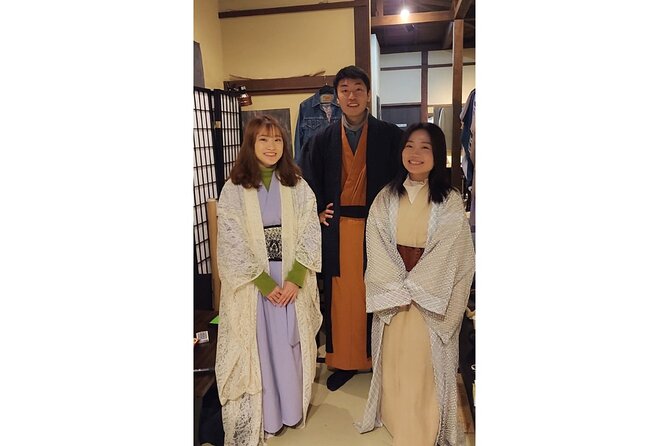
This workshop suits first-time visitors who want a clear introduction to Japanese tea culture. You do not need previous knowledge of matcha, tea ceremony, or kimono dressing.
It is also a good choice for people who enjoy food and drink experiences. The tasting lets you compare matchas instead of accepting one flavor as typical, and the hands-on preparation makes the lesson more memorable.
Families can attend, but all children are charged the full price. That makes the cost worth considering before booking. The activity may appeal to older children who can sit through a lecture and handle tea tools carefully, but the supplied information does not give a minimum age.
Couples and solo visitors can both enjoy the format. The host can take photographs, and the small group gives solo participants a natural setting for questions without needing to organize a private class.
This may not suit you if you dislike powdered tea, have no interest in wearing traditional clothing, or want a highly formal ceremony. It is deliberately relaxed and practical, with the emphasis on learning by doing.
A few practical things to remember
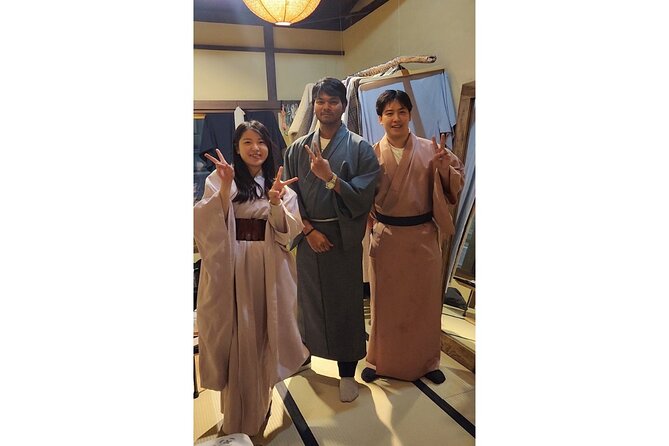
Bring or wear socks for the tatami room. Comfortable clothing underneath the kimono is sensible, although no special dress requirement is provided.
Keep the timing tight. A late arrival can cancel the booking, and changes made less than 24 hours before the start are not accepted. You can cancel for a full refund up to 24 hours in advance, based on local time.
The experience requires a minimum number of participants. If the provider cancels because that number is not reached, you are offered another date or experience, or a full refund.
The activity is recommended by 99 percent of respondents and has a five-star rating based on 104 ratings. Those figures fit the experience’s strongest points: patient instruction, clear English, an informal atmosphere, and a good mix of explanation and practice.
Should you book this matcha and kimono workshop?
Book it if you want an approachable cultural activity that combines tea tasting, clothing, etiquette, and hands-on practice in 90 minutes. The small group, English instruction, and easy kimono make it less demanding than a formal ceremony, while the matcha collection gives the tasting real interest.
Skip it if your main goal is a cheap drink, a long traditional ceremony, or a private tour with transportation. At $59.46, the price makes sense when you use the full package: kimono rental, snacks, tea, tools, instruction, and photographs.
For most first-time visitors curious about matcha, this is a practical Shinjuku stop. Arrive early, bring socks, and go ready to ask questions. You will leave with a better idea of how matcha tastes, how it is prepared, and why the ritual around it matters.
FAQ
How long does the Matcha Kimono Tea Ceremony last?
The activity lasts approximately one hour and 30 minutes.
Where does the experience take place?
It takes place at the listed meeting point in Shinjuku City, Tokyo, and ends back at the same meeting point.
What is included in the price?
The price includes Japanese traditional snacks, an easy-to-wear kimono rental, tea ceremony tool rental, high-quality matcha, and a Japanese welcome drink. Coffee and tea are also listed as included.
Do I need to bring my own kimono or tea tools?
No. The kimono and tea ceremony tools are provided as part of the experience.
Do I need to wear socks?
Yes. Socks are required in the tatami room. If you forget them, you are asked to buy socks at the workshop location.
Is the class suitable for people who are new to matcha?
Yes. The class explains the differences between matcha, green tea, black tea, Chinese tea, and overseas matcha, then teaches you how to prepare and drink matcha.
Is an English-speaking host available?
Yes. The host teaches in English and provides opportunities to ask questions during the workshop.
How many people can attend?
The activity has a maximum of 10 participants.
What happens if I arrive late?
The reservation is automatically canceled after 10 minutes of delay from the starting time, and no refund is accepted in that situation.
More Tea Ceremonies in Tokyo
- Tokyo: Traditional Tea Ceremony with a Tea Master
★ 5.0 · 528 reviews - Tea Ceremony Workshop in Tokyo by the Experienced Instrucor
★ 5.0 · 189 reviews - Tea Ceremony Experience in a Private Tea Room in Shibuya
★ 4.9 · 125 reviews - Tokyo: Practicing Zen with a Japanese Tea Ceremony
★ 4.7 · 105 reviews
Newly steeped around Tokyo
- Yokohama : Tea Ceremony with Sweets and Souvenir★ 5.0 · 5 reviews
- Walking Tour: Yanaka,Nezu& Sendagi: Tea Ceremony & Old Tokyo★ 5.0 · 3 reviews
- Private Mochi・Matcha sweets Making Class Near Shibuya Area★ 5.0 · 22 reviews
- 2 Hours Mochi &Nerikiri Making & Matcha Class in Bunkyo★ 5.0 · 21 reviews
- Private Kimono and tea ceremony at local home near Tokyo Disney★ 5.0 · 6 reviews
- Kimono and Tea Ceremony in Asakusa Private Food Tour With Guide★ 5.0 · 4 reviews
- Giant Sushi Cooking Class: Make a 1.5m Sushi Roll in Tokyo★ 5.0 · 9 reviews
- Tokyo Tea Ceremony Class at a Traditional Tea Room★ 5.0 · 2 reviews
Kimono & Tea Ceremony, compared.


KYOTO Tea Ceremony with kimono near by Imamiya Jinjya Shrine
Read our review →
Kyoto: Kimono and Tea Ceremony Experience at Cultural Asset
Read our review →
Kyoto: Kimono Tea Ceremony with Matcha and Sweet
Read our review →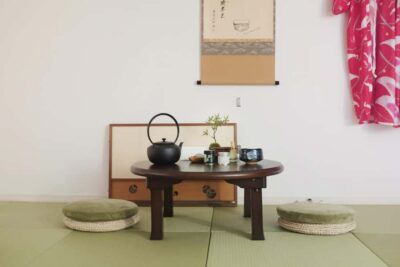
Tokyo: Asakusa Kimono Dressing and Matcha Experience
Read our review →Browse the lists this tea experience appears in