
Review · TOKYO
Authentic Japanese tea tasting: sencha, matcha and gyokuro
The real draw here is the chance to taste 12 Japanese teas side by side, rather than sipping one cup and calling it a lesson. You move from daily sencha to hand-picked gyokuro, with four matcha powders in between, so the differences in aroma, color, sweetness, bitterness, and umami become much easier to notice.
I like the family-farm sourcing and the small group of no more than four people. I also like the setting: a quiet apartment room in downtown Tokyo, not a crowded attraction. The main consideration is that this is a serious tea tasting, not a quick cultural show, and some flavors may be too grassy, bitter, or savory for casual tea drinkers.
Key points to know before booking
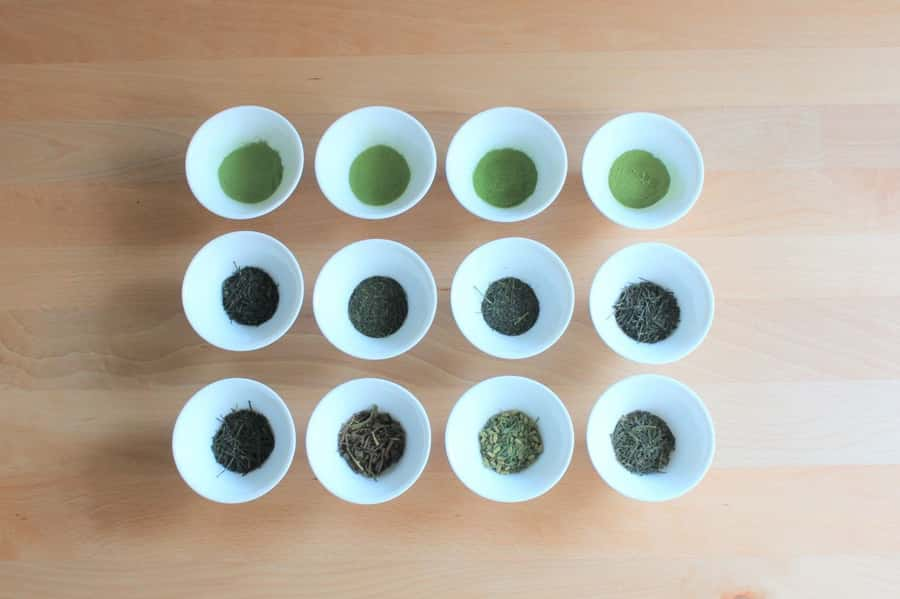
- Twelve teas in 90 minutes: Seven sencha, four matcha powders, and one premium gyokuro.
- A useful range of quality: Taste everyday tea beside higher-grade and hand-picked teas.
- English instruction: Learn how tea is grown, graded, prepared, and served.
- Small apartment setting: The group is limited to four people for a calm, personal session.
- Matcha with a Japanese sweet: A small traditional confection helps balance matcha’s sharper flavors.
- Adults only: The activity is not suitable for children under 18 or pregnant women.
A tea tasting built around comparison
Many visitors first meet Japanese tea through a single cup of green tea served with a meal. That is pleasant, but it tells you little about the range of Japanese tea. This session takes a better teaching route: it gives you several teas in one sitting and asks you to compare them.
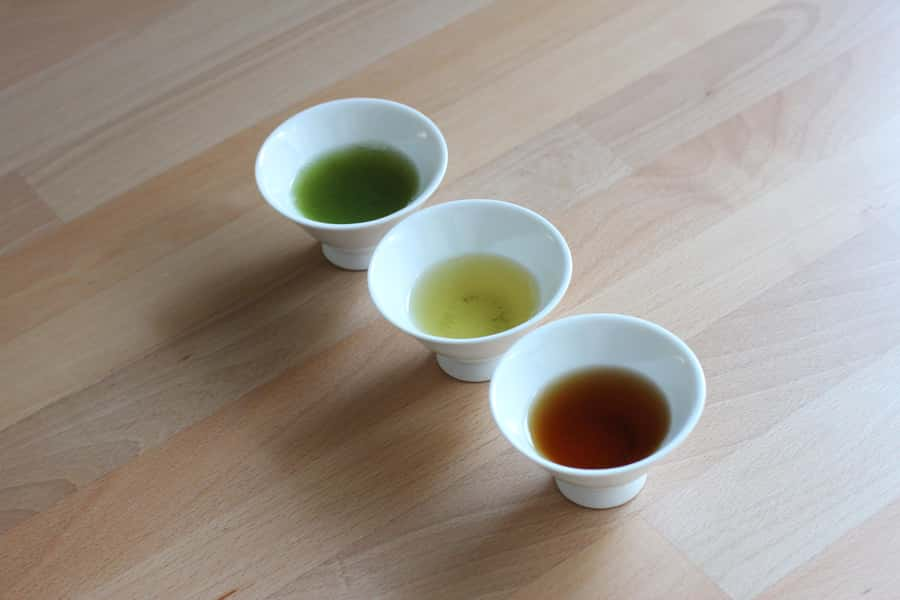
That comparison is the heart of the activity. You may notice that one sencha smells fresh and vegetal, while another feels rounder or more savory. A matcha may taste smooth and sweet, while another brings more bitterness or a stronger seaweed-like note. The point is not to find one winner. It is to understand why Japanese tea can taste so different from cup to cup.
The session lasts 90 minutes, which gives the tea expert time to explain the subject without turning the event into a full-day class. You have enough time to taste carefully, ask questions, and notice how preparation affects the final drink.
I would treat this as a focused cultural activity for a morning or afternoon in Tokyo. It is not designed to fill an entire day, and that is part of its value. You can fit it between other plans while still giving your attention to something very particular to Japan.
More Green Tea Tours in Japan
- Experience all of Japanese culture and Japanese food experience classes “origami, udon, Japanese food, green tea, calligraphy” in 4 hours
★ 5.0 · 105 reviews - Authentic Japanese tea tasting session: sencha, matcha, gyokuro
★ 5.0 · 11 reviews - Ginza Tokyo: Easy Matcha (Green Tea) Experience
★ 5.0 · 7 reviews
Seven sencha teas show the everyday range
Sencha is the largest part of the tasting, with seven types served during the session. That is a smart choice because sencha is the green tea most closely tied to ordinary daily drinking in Japan.
The seven cups are meant to show a range from everyday tea to higher grades. You may find that the less expensive styles are brisk and refreshing, while more carefully grown or processed teas bring fuller flavor and a longer finish. The difference is easier to understand when you taste the teas close together.
Preparation matters here. Japanese green tea is sensitive to water temperature, steeping time, and the amount of leaf used. A tea expert prepares each tea in an appropriate way, so you are not left wondering if a good tea simply received poor treatment.
Sencha can be challenging for people who expect tea to taste mild or sweet. Some cups may be grassy, astringent, or savory. That is not a flaw. It is part of the profile you are learning to recognize. If you are new to Japanese tea, take small sips and let the flavor settle before judging it.
The useful question is not simply Do I like this? Try asking yourself what changed between cups. Did one taste more rounded? Did another leave a dry feeling in your mouth? Did a cooler or hotter preparation bring out a different note? That kind of comparison gives you something to take home beyond a pleasant drink.
Four matcha powders, not just one ceremonial bowl
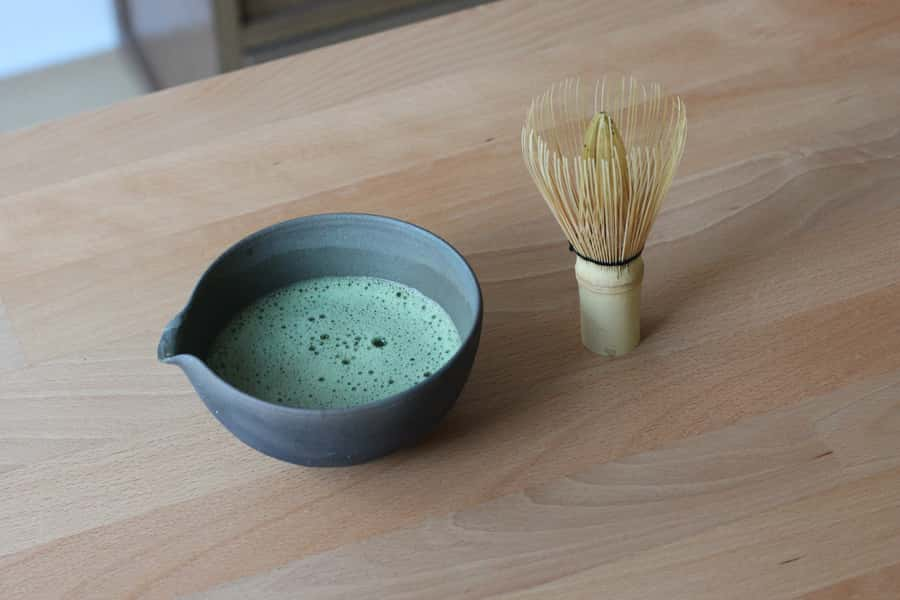
Matcha is often treated as a single category, but the tasting includes four different matcha powders. This gives you a better sense of how grade and production affect the drink.
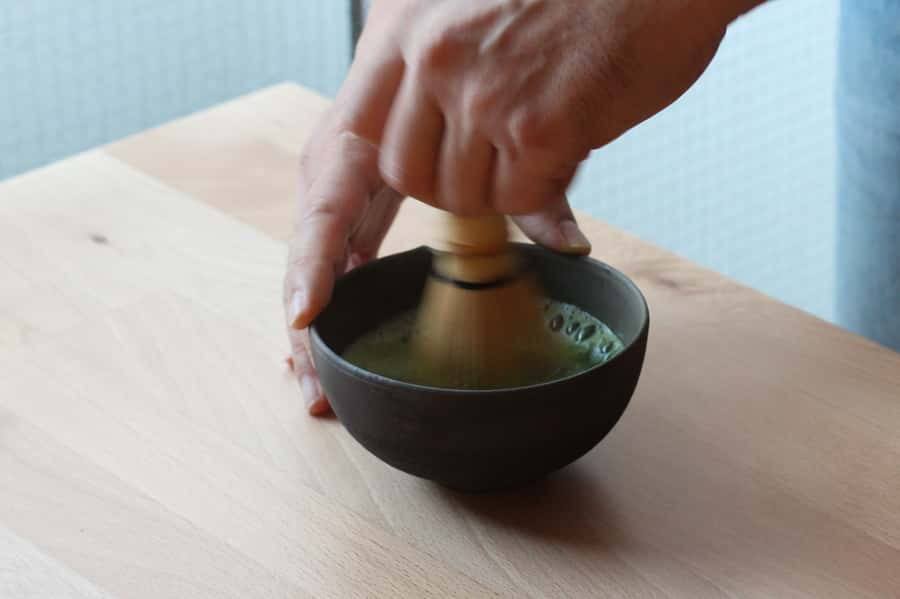
Matcha is made from powdered green tea, so you consume the whole leaf rather than drinking an infusion and leaving the leaves behind. That helps explain its concentrated taste and texture. It can be creamy, vegetal, savory, bitter, or sweet, depending on the tea and the way it is prepared.
The session also explains how to have a tea ceremony, according to the activity details. Do not expect a grand formal ceremony with elaborate costumes or a large traditional room. The setting is a cozy apartment, and the focus is on learning by tasting. That is a practical format for someone who wants to understand matcha rather than simply watch a short performance.
A small Japanese traditional confection is paired with the matcha. This is more than decoration. Japanese sweets are often served with matcha because their sweetness balances the tea’s bitterness and brings out different flavors. The portion is small, so think of it as a tasting partner rather than a snack or dessert.
If you already drink matcha at home, the four-way comparison should be especially useful. You can ask about the differences between powders and learn what to look for when buying tea later. One particularly practical benefit is the chance to taste before purchasing. A tea that sounds premium may not suit your palate, and a side-by-side tasting helps you spend your money with more confidence.
Gyokuro gives the tasting a premium finish
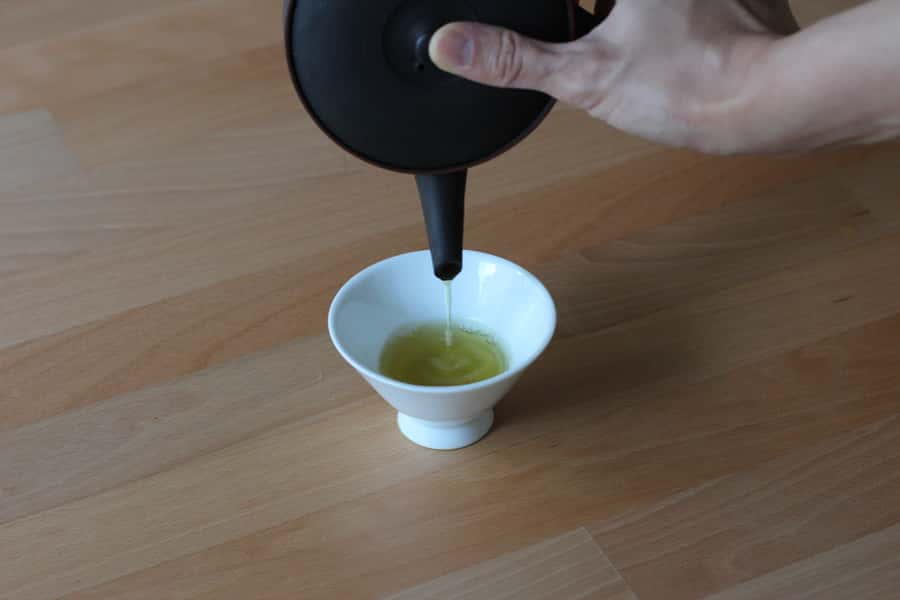
The final category is one premium-grade gyokuro. There is only one gyokuro in the session, but that single cup has an important role. It gives you a reference point for one of Japan’s most prized green teas.
Gyokuro is known for a strong umami character and careful cultivation. You may notice a fuller, more savory flavor than in ordinary sencha. The taste can be unfamiliar if your experience is limited to tea bags or lightly brewed green tea.
Because only one gyokuro is served, you will not be comparing several versions of it. Instead, you are tasting it as the high point of the session, after learning about everyday sencha and several matchas. That progression helps you understand why certain teas command higher prices.
I like this structure because it keeps the premium tea in context. You are not simply told that gyokuro is special. You taste a broad range first, then have a basis for comparison. The lesson becomes clearer: price can reflect cultivation, picking, processing, and scarcity, but personal taste still matters.
This is also where expectations matter. A high price does not guarantee that gyokuro will become your favorite tea. Some people love its savory umami. Others prefer the cleaner, lighter taste of sencha. The session respects that difference by giving you several styles instead of pushing one tea as the correct choice.
More Matcha Experiences in Tokyo
- Matcha Making Class in Tokyo with Authentic Japanese Sweets Set
★ 5.0 · 744 reviews - Tokyo: Matcha Making Experience with Mochi Sweets in Asakusa
★ 4.9 · 388 reviews - Asakusa Cultural Walk & Matcha Making Tour
★ 5.0 · 245 reviews - Tokyo: Matcha and Kimono Experience
★ 4.7 · 219 reviews
The apartment setting keeps the lesson personal
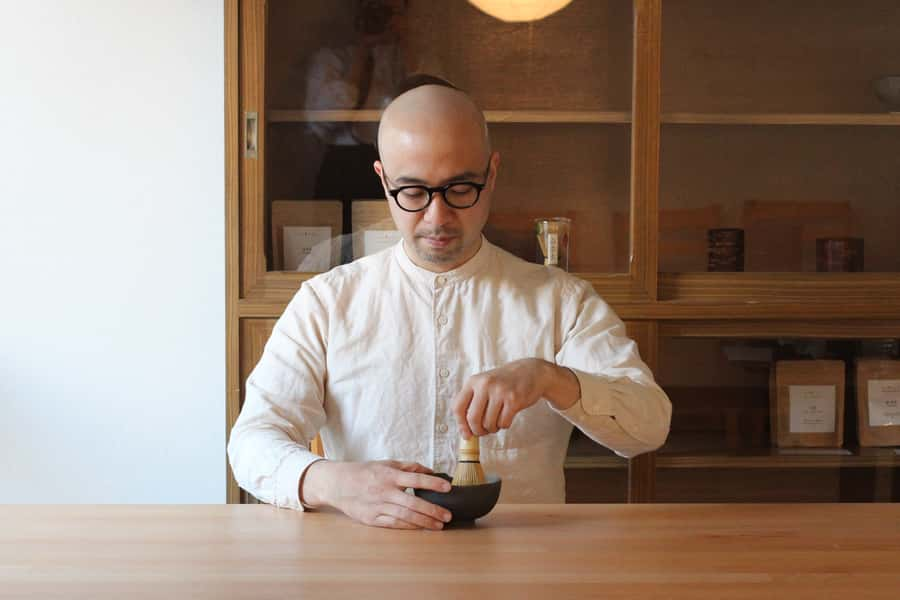
The tasting takes place in a cozy apartment room in downtown Tokyo. That setting will appeal to you if you prefer a quiet local activity to a large commercial venue.
The group is limited to four participants. This matters because tea tasting works best when you can see the preparation, hear the explanation, and ask questions without competing with a crowd. A small group also makes it easier to discuss your own reactions to each tea.
The setting is informal, but the subject is not treated casually. The tea expert explains the background and history of Japanese tea, along with how it evolved. You learn about the drink in the cup and the choices behind it, from farm sourcing to preparation.
There is no named instructor listed for this activity, so you should book it for the subject and format rather than for a specific personality. The guide teaches in English, which makes the session accessible to English-speaking visitors who want more than a basic demonstration.
The meeting point requires a little attention. At the apartment entrance, you push 202 and then press the bottom-right button. Keep those instructions handy on your phone. An apartment meeting point is less obvious than a museum entrance, so arriving with the access information ready will make the start easier.
What makes the family-farm sourcing important
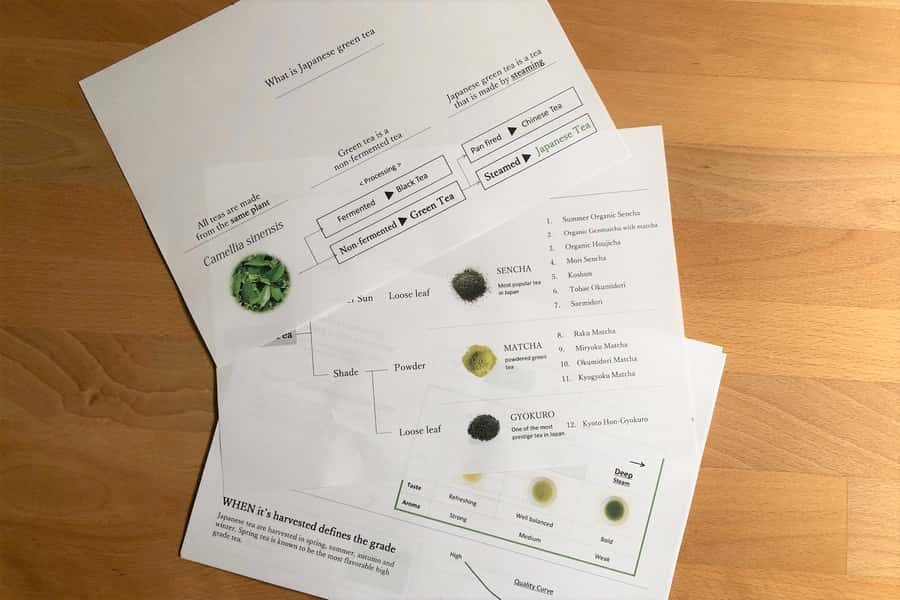
The teas are sourced from family farms. That detail gives the tasting a more direct connection to tea production than a generic shop sampling.
You are not just comparing labels. You are tasting teas linked to growers and different grades of production. The expert can use those differences to explain why one tea costs more, why hand-picked tea is valued, and how farming and processing affect flavor.
The activity includes daily tea as well as premium hand-picked tea. That range is important for a visitor on a budget. Japanese tea culture is not only about expensive ceremonial products. Sencha is an everyday drink, and the tasting helps you see both sides of the subject.
I would also pay attention to the practical buying advice during the session. The material provided does not promise a formal shopping stop or a set amount of tea to take home. One attendee did receive tea to bring home, but you should not assume that is included for every booking. Treat any purchase or gift as an extra, not part of the advertised package.
Is $87 good value for 90 minutes?
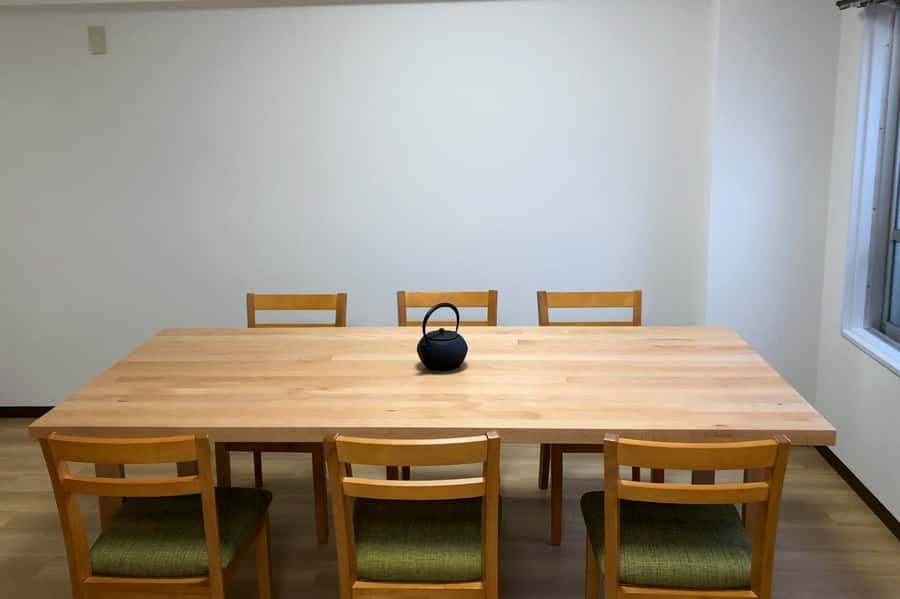
At $87 per person, this is not a cheap cup of tea. It is also more than a casual tea ceremony aimed at giving you one brief taste of matcha. The value depends on how seriously you want to explore Japanese tea.
You are paying for 12 tastings, an English-speaking expert, family-farm teas, preparation suited to each tea, historical background, and a small-group format. If you bought 12 quality teas separately and tried to prepare them at home, you would still need the equipment and guidance to make a fair comparison.
The price makes more sense if you are curious about tea, already enjoy green tea, or want a calm cultural activity that does not involve a large crowd. It makes less sense if you dislike grassy or savory flavors, want a filling food experience, or only need a quick introduction to matcha.
The session is also useful before buying Japanese tea to take home. Tasting several grades can keep you from spending on a premium tin simply because the packaging looks impressive. You leave with a clearer idea of what flavors suit you.
For a special-interest activity in downtown Tokyo, I consider the price reasonable, but not automatic. This is a value purchase for learning and comparison, not for quantity, sightseeing, or lunch.
Who will enjoy this most
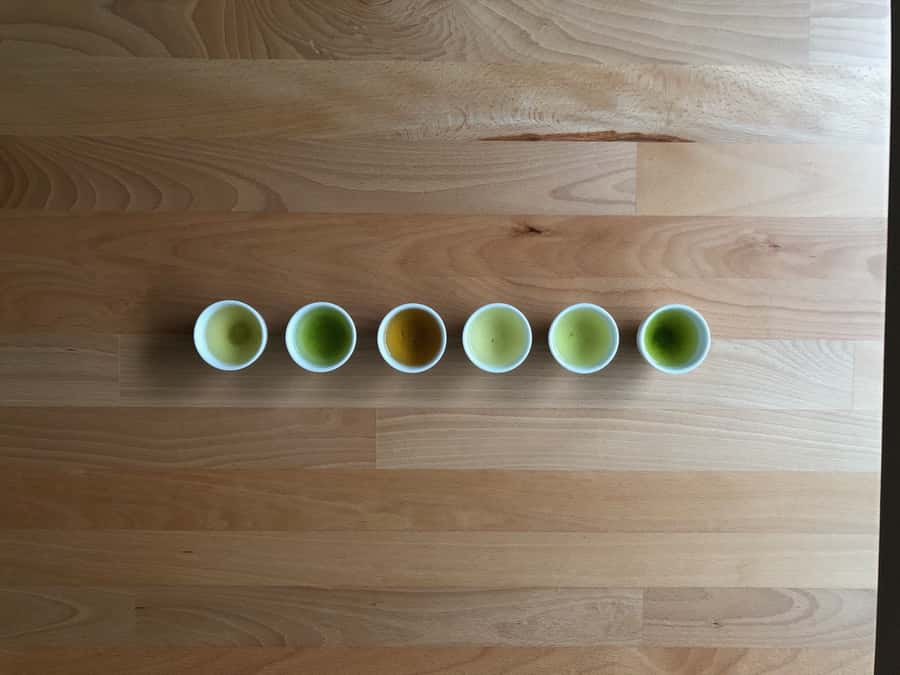
I would recommend the tasting to adults who already like green tea or want to understand why Japanese tea has such a wide range of flavors. It is also a good choice if you enjoy small-group workshops and prefer talking with an instructor rather than watching a staged show.
It suits a solo visitor, a couple, or a small group of friends particularly well because the maximum group size is four. The calm setting may be welcome after a day spent moving through Tokyo’s busy streets.
You should be comfortable with the possibility that not every cup will please you. The tasting includes several grades and styles, so the point is discovery rather than guaranteed sweetness. If you think of tea only as a mild hot drink, some of the stronger umami and bitter notes may come as a surprise.
The activity is not suitable for pregnant women or children under 18. The provided information does not give a reason for the pregnancy restriction, so follow that stated rule when deciding. It is also wise to avoid booking if you want a meal, since the Japanese confection is only a small portion.
Practical details for a smooth visit
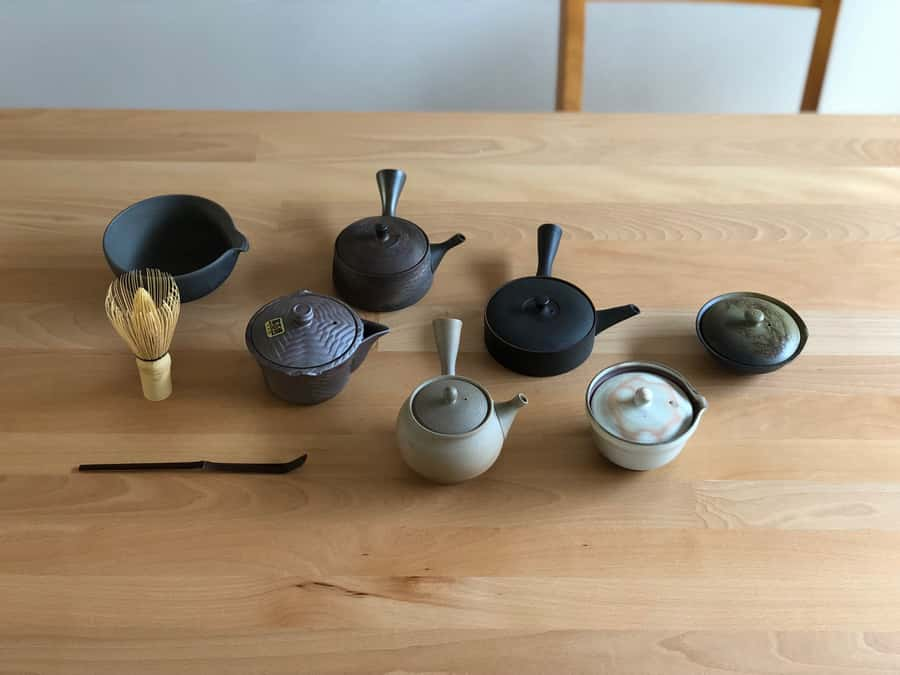
Set aside the full 90 minutes rather than planning to rush out early. The session works through 12 teas, and tasting them thoughtfully takes time.
Bring the meeting instructions with you. At the apartment entrance, push 202 and press the bottom-right button. Since the meeting point is an apartment, do not rely on finding a large tour sign.
The class is taught in English, and the group is limited to four. Check the available starting times when booking, since the exact schedule is not fixed in the activity details.
You can cancel up to 24 hours in advance for a full refund. The reserve-now, pay-later option can help if your Tokyo plans may change, though you should still check the final booking terms before confirming.
Should you book this tea tasting?
Book it if you want a close look at Japanese tea rather than a quick photo opportunity. The strongest reasons are the 12-tea comparison, the family-farm sourcing, the small group, and the chance to taste daily sencha beside matcha and premium gyokuro.
I would especially choose it early in a Tokyo visit if you expect to buy tea later. The lesson can help you understand labels, grades, and your own preferences before you spend more money.
Skip it if you are looking for a large traditional ceremony, a substantial food stop, or a fast activity with little explanation. The session asks you to pay attention to flavor, preparation, and background.
For adults who enjoy green tea and want a calm hour and a half indoors, this is a focused and worthwhile choice. You will not merely drink matcha. You will leave with a clearer sense of why Japanese tea tastes the way it does.
FAQ
Where does the tea tasting take place?
It takes place in a cozy apartment room in downtown Tokyo, on Honshu, Japan.
How long does the activity last?
The tea tasting lasts 90 minutes.
How many teas will I taste?
You will taste 12 different Japanese teas.
Which teas are included?
The tasting includes seven types of sencha, four types of matcha powder, and one premium-grade gyokuro.
Is the tea tasting taught in English?
Yes. The instructor language is English.
How large is the group?
The activity is limited to four participants.
Is Japanese confectionery included?
Yes. A small portion of traditional Japanese confectionery is paired with matcha.
Is the activity suitable for children?
No. It is not suitable for children under 18.
Is the activity suitable for pregnant women?
No. The activity information states that it is not suitable for pregnant women.
What is the cancellation policy?
You can cancel up to 24 hours in advance for a full refund. You can also reserve now and pay later.
More Green Tea Tours in Tokyo
- Uji: Green Tea Tour with Byodoin and Koshoji Temple Visits
★ 4.8 · 72 reviews - Scenic Green Tea Fields of Hidden Kyoto & Local Tea Exp (Private)
★ 5.0 · 32 reviews - Osaka; Japanese Tea ceremony experience, Macha and Sencha
★ 4.9 · 29 reviews - Kyoto Matcha Green Tea Tour
★ 4.7 · 28 reviews
More Tea Tastings in Japan
- Matcha Experience with of Japanese Tea Tasting in Tokyo
★ 5.0 · 31 reviews - Nara:5 Type of Tea Tasting & Mindful Tea Ceremony
★ 5.0 · 28 reviews - Nara:Tea Tasting&Private Tea Ceremony -Master Matcha Making-
★ 5.0 · 19 reviews - Small Group Japanese Green Tea Tasting in Shizuoka
★ 5.0 · 7 reviews
Newly steeped around Tokyo
- Yokohama : Tea Ceremony with Sweets and Souvenir★ 5.0 · 5 reviews
- Walking Tour: Yanaka,Nezu& Sendagi: Tea Ceremony & Old Tokyo★ 5.0 · 3 reviews
- Private Mochi・Matcha sweets Making Class Near Shibuya Area★ 5.0 · 22 reviews
- 2 Hours Mochi &Nerikiri Making & Matcha Class in Bunkyo★ 5.0 · 21 reviews
- Private Kimono and tea ceremony at local home near Tokyo Disney★ 5.0 · 6 reviews
- Kimono and Tea Ceremony in Asakusa Private Food Tour With Guide★ 5.0 · 4 reviews
- Giant Sushi Cooking Class: Make a 1.5m Sushi Roll in Tokyo★ 5.0 · 9 reviews
- Tokyo Tea Ceremony Class at a Traditional Tea Room★ 5.0 · 2 reviews
Green Tea Tours, compared.
Uji: Green Tea Tour with Byodoin and Koshoji Temple Visits
Read our review →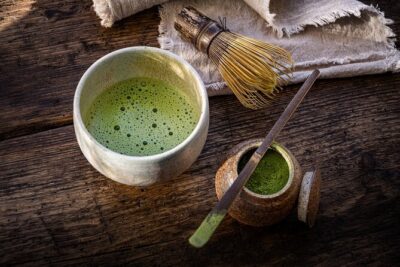
Scenic Green Tea Fields of Hidden Kyoto & Local Tea Exp (Private)
Read our review →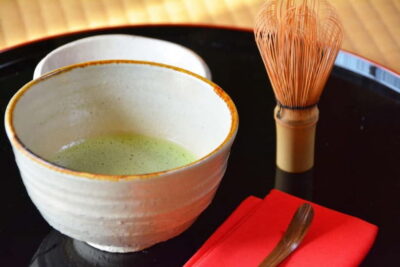
Osaka; Japanese Tea ceremony experience, Macha and Sencha
Read our review →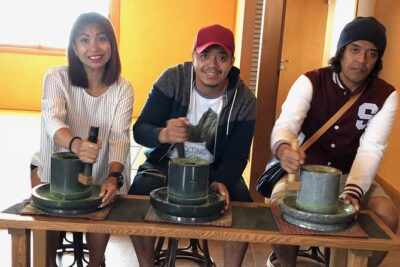
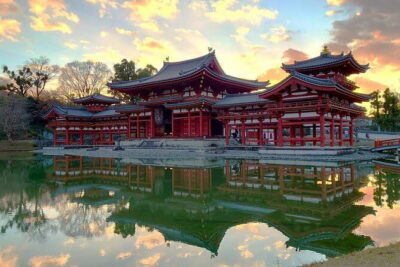
Slow Cycling Tour at Uji’s Matcha Green Tea Fields and Heritage
Read our review →
Sencha-do the Japanese Tea Ceremony Workshop in Kyoto
Read our review →
Uji Tea Ceremony and UNESCO Heritage Walking Tour
Read our review →Browse the lists this tea experience appears in