
Review · TOKYO
Tokyo: Matcha and Kimono Experience
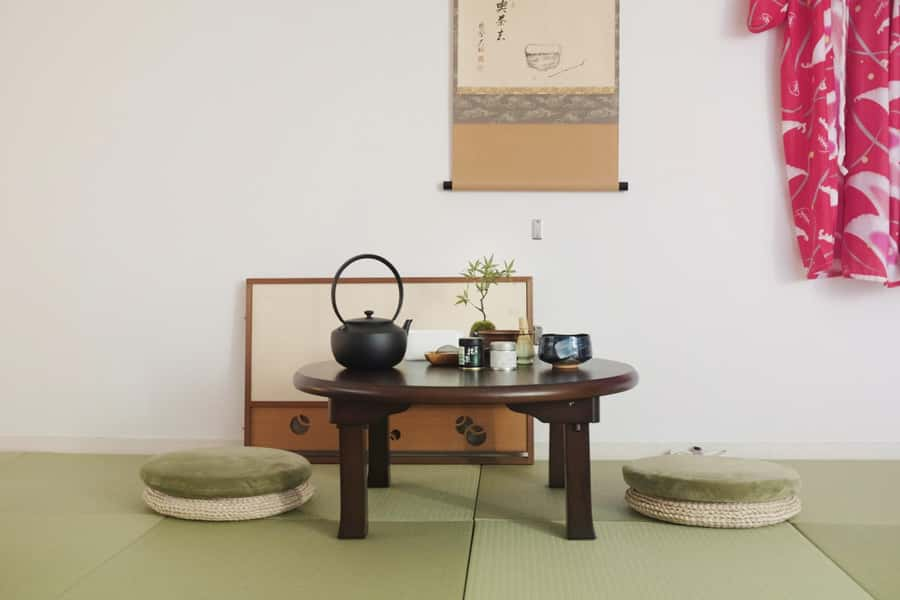
The best part of this Tokyo activity is that it treats matcha as more than a bright-green drink. You learn how tea, manners, tools, clothing, and quiet attention fit together in Japanese culture. The host, Komei, guides the session with warmth, humor, and a clear passion for his subject.
I like the chance to taste first-flush matcha selected from more than 100 teas, and I like that you make the tea yourself instead of simply watching a formal performance. The easy kimono makes the clothing portion approachable, though some people may feel the dressing segment takes time away from the actual matcha lesson.
Key points to know before booking
- Taste serious matcha: Sample a high-grade first-flush tea and compare genuine Japanese matcha with lower-quality or overseas versions.
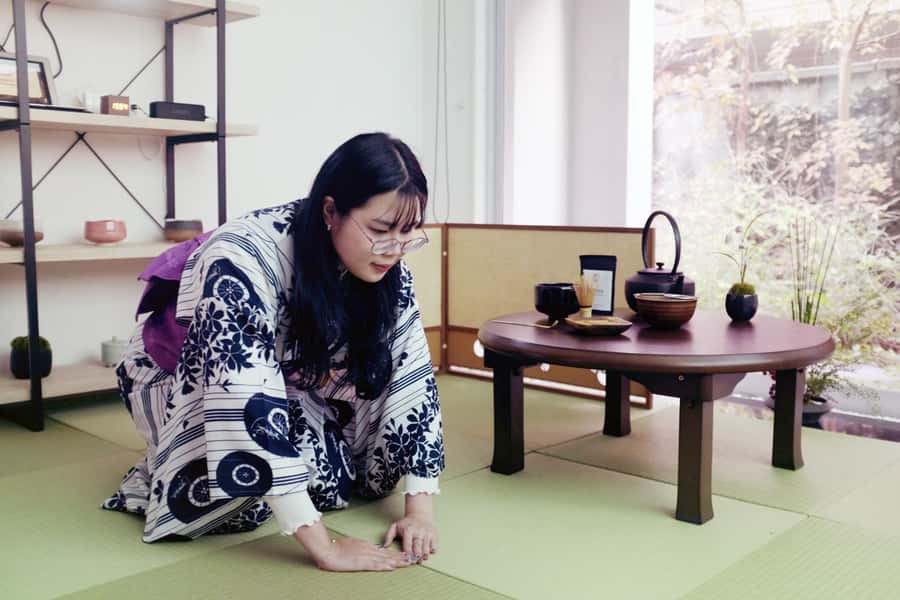
- Wear a quick kimono: Pick a kimono to wear throughout the workshop without the long dressing process of a full traditional kimono.
- Learn four connected traditions: The session covers tea ceremony, teaism, matcha, and kimono.
- Make your own bowl: Practice the four key points needed to prepare a graceful bowl of matcha at home.
- Meet near Yotsuya: The workshop is about a six-minute walk from Yotsuya Station, with the activity ending at the same place.
- Plan for a punctual start: Arrival more than 10 minutes late results in automatic cancellation without a refund.
A small Tokyo workshop with a big lesson about tea
At $57 per person, this is a reasonably priced cultural class near Shinjuku. You are not paying only for a cup of tea and a costume photo. The fee includes the kimono, tea tools, sweets, a welcome drink, a lecture, tasting, and hands-on preparation.
That combination gives the activity good value if you want context rather than a quick photo stop. You leave with a better sense of why matcha tastes different from ordinary green tea and why a tea ceremony pays attention to every movement.
The class is taught in English and Japanese. Komei is the name most often associated with the session, and his style is conversational rather than stiff. He uses a presentation as part of the lesson, answers questions, and explains difficult ideas in a way that first-time visitors can follow.
You should still set your expectations correctly. This is an introduction, not professional tea-master training. The kimono is designed for quick wearing, so it is more practical than a fully formal kimono dressing appointment. That is a plus for most visitors, but anyone seeking a long, ceremonial dressing process may find it a little light.
More Kimono and Tea Ceremonies in Tokyo
- Kimono Tea Ceremony at Tokyo, Asakusa Maikoya
★ 5.0 · 638 reviews - Tokyo: Asakusa Kimono Dressing and Matcha Experience
★ 4.9 · 173 reviews - Asakusa: Kimono Tea Ceremony with Matcha and Sweet
★ 4.9 · 153 reviews
Finding the workshop near Yotsuya Station
The meeting point is in front of the LUUP scooter stand next to the ACN Yotsuya Building. Look for the guide holding a workshop sign. From Yotsuya Station, allow about six minutes on foot.
The location is described as being next to Shinjuku, but the practical station for this activity is Yotsuya. Check your route before setting out, especially if you are starting from central Shinjuku. The meeting point is not a place where you want to arrive casually and search around at the last minute.
Punctuality matters here. The booking is automatically canceled after 10 minutes of delay, and there is no refund in that situation. I would aim to reach Yotsuya early enough to find the building, use the restroom, and arrive at the meeting point without rushing.
The activity returns to the same meeting place. That makes it easy to combine with other plans in Tokyo, though you should not book a tight connection immediately afterward because the exact class length is not stated.
Choosing an easy-to-wear kimono
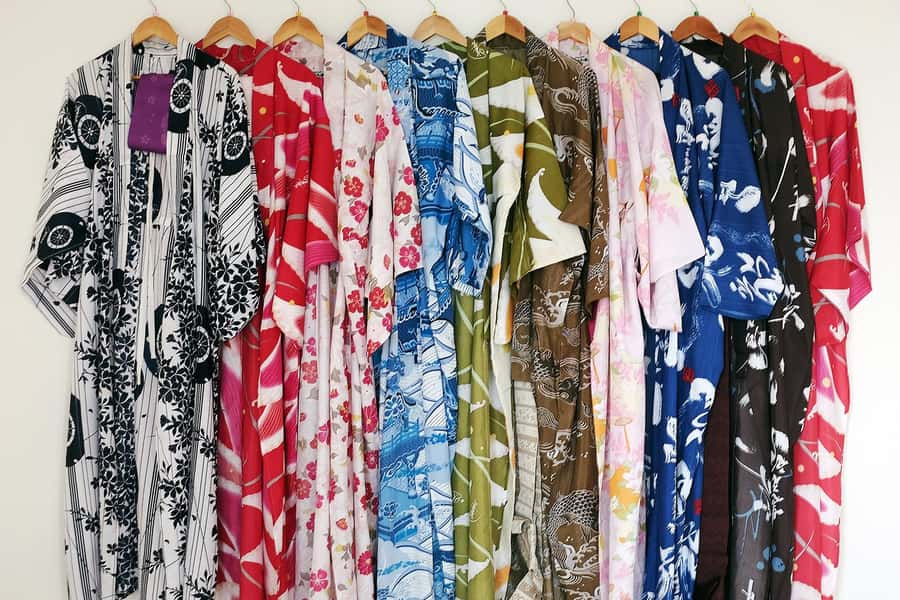
Before the main lesson begins, you choose a kimono and put it on with help from the host. These garments are made for quick use, unlike a formal kimono dressing appointment that can take about 30 minutes.
This is one of the most enjoyable parts for many people because you wear the kimono during the rest of the experience. It also gives you a chance to see how clothing affects movement, posture, and manners in a tea setting.
The quick design keeps the session moving. You do not need to know how to tie every layer or manage a full traditional outfit. You do, however, learn basic points about wearing a kimono correctly, which adds more substance than simply posing in borrowed clothing.
Bring socks. You will need them to protect the traditional flooring, and if you forget, you may be asked to buy a pair at the workshop. Strong fragrances are not allowed, since scent can interfere with the delicate smell of the tea. Alcohol, drugs, and noisy behavior are also prohibited.
The kimono portion can take a meaningful share of the session. If your main goal is tasting and preparing matcha, keep that in mind. If you enjoy clothing, photographs, and a hands-on introduction to Japanese customs, the time spent dressing will feel worthwhile.
Tasting first-flush matcha from across Japan
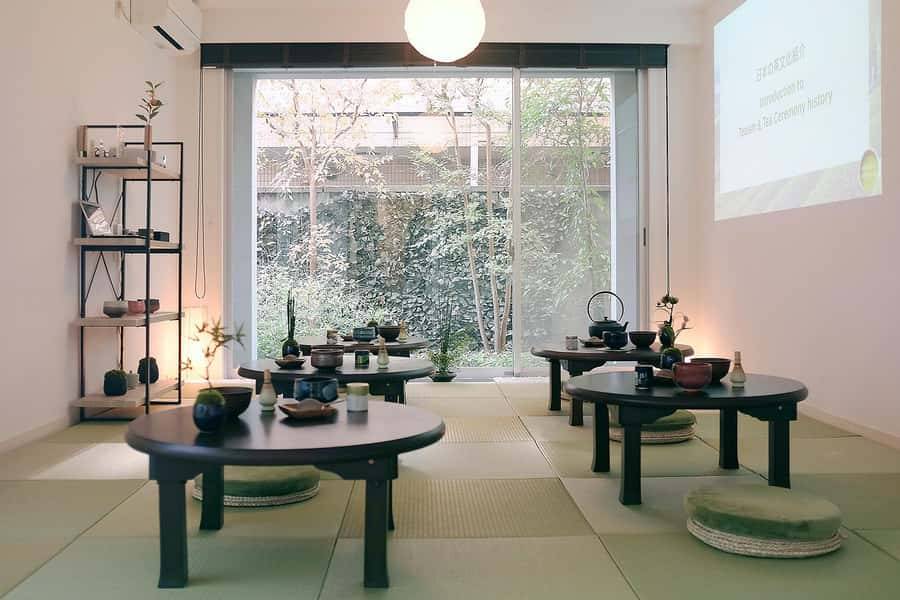
The tea lesson begins with the quality and identity of matcha. You taste an exclusive first-flush matcha, meaning tea harvested early in the season and selected for its high quality. The host draws from a collection of more than 100 matcha teas from around Japan.
That variety gives the tasting a clear purpose. Instead of treating matcha as one standard flavor, you use your eyes, nose, and tongue to notice differences. Color, aroma, bitterness, sweetness, and texture all become part of the discussion.
You also compare genuine Japanese matcha with matcha sold overseas. This is useful because the word matcha now appears on everything from drinks to desserts, yet quality and production can vary greatly. The class helps you understand what you are tasting rather than simply telling you that one powder is better.
I like this part for practical reasons. Once you know what to look for, you can make smarter choices in cafés and shops during the rest of your Japan trip. You may also find that the tea you prefer is not the most expensive one. Personal taste matters.
Japanese traditional sweets accompany the tea. Their sweetness provides a useful contrast to matcha’s vegetal, bitter, and sometimes creamy notes. This is not just a snack. It shows how tea settings use food to balance the drink and shape the pace of the gathering.
More Matcha Experiences in Tokyo
- Matcha Making Class in Tokyo with Authentic Japanese Sweets Set
★ 5.0 · 744 reviews - Tokyo: Matcha Making Experience with Mochi Sweets in Asakusa
★ 4.9 · 388 reviews - Asakusa Cultural Walk & Matcha Making Tour
★ 5.0 · 245 reviews - Make Traditional Nerikiri Sweets & Matcha experience in Shibuya
★ 5.0 · 130 reviews
From green tea to teaism
The lecture places matcha within the wider tea world. You learn about green tea, black tea, Chinese tea, and the ways different teas are prepared and understood.
The session also introduces teaism, the philosophy connected with tea culture. The point is not only to memorize a set of rules. You begin to see tea as a way of paying attention to the people, objects, season, room, and gestures involved.
Tea ceremony can look mysterious from the outside because the host follows established movements. The explanation helps those actions make sense. You learn why tools are handled carefully, why the bowl matters, and why drinking tea has its own basic manners.
This cultural background is where the activity earns its price. A simple demonstration might show you how to whisk powder, but this workshop explains the ideas behind the act. You get a more useful introduction to Japanese customs without needing prior knowledge.
The presentation is structured and easygoing. Komei has been praised for being funny, patient, and willing to answer questions. That matters in a topic where unfamiliar terms and formal behavior could otherwise feel intimidating.
Making a beautiful bowl at home
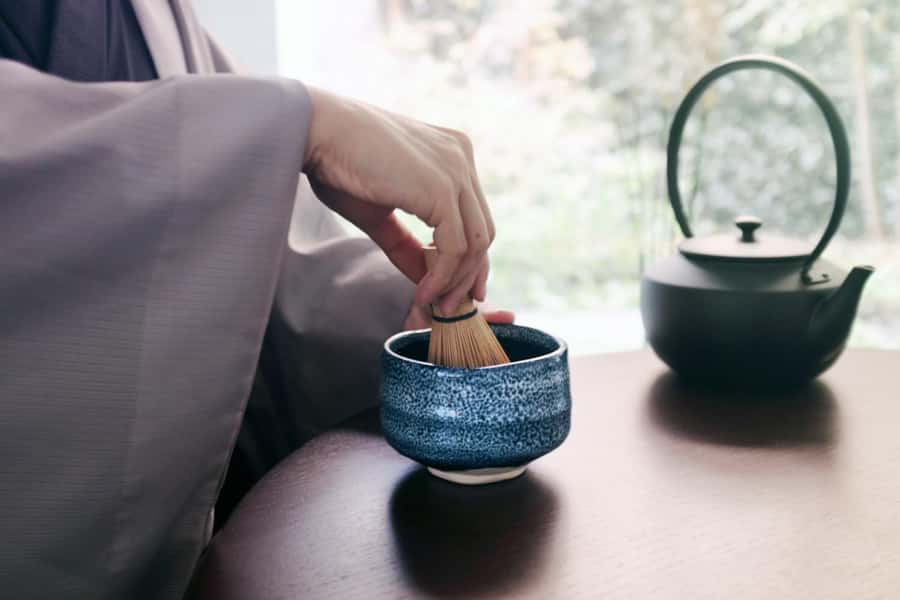
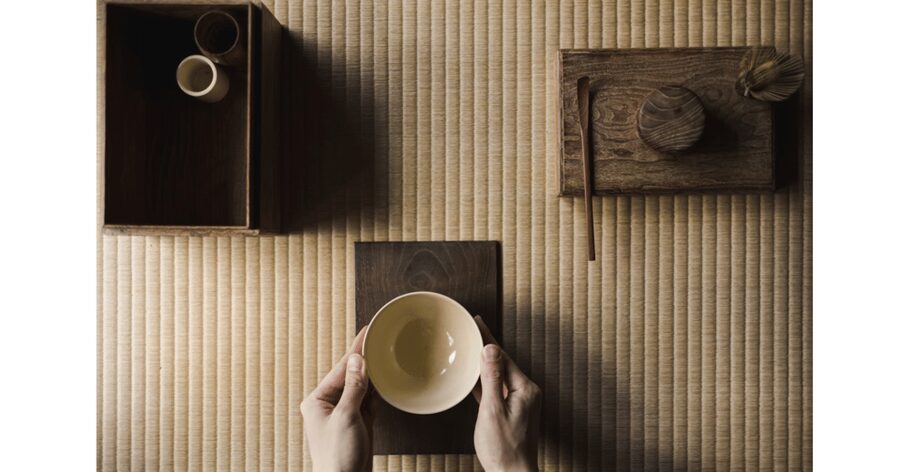
After the lecture, you use tea tools to prepare your own matcha. The lesson focuses on four key points for making a good bowl at home.
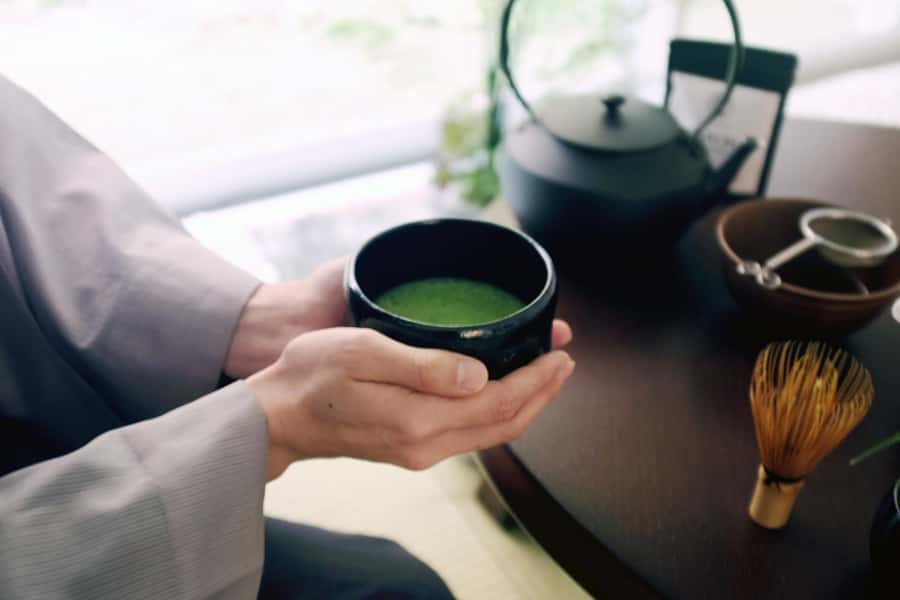
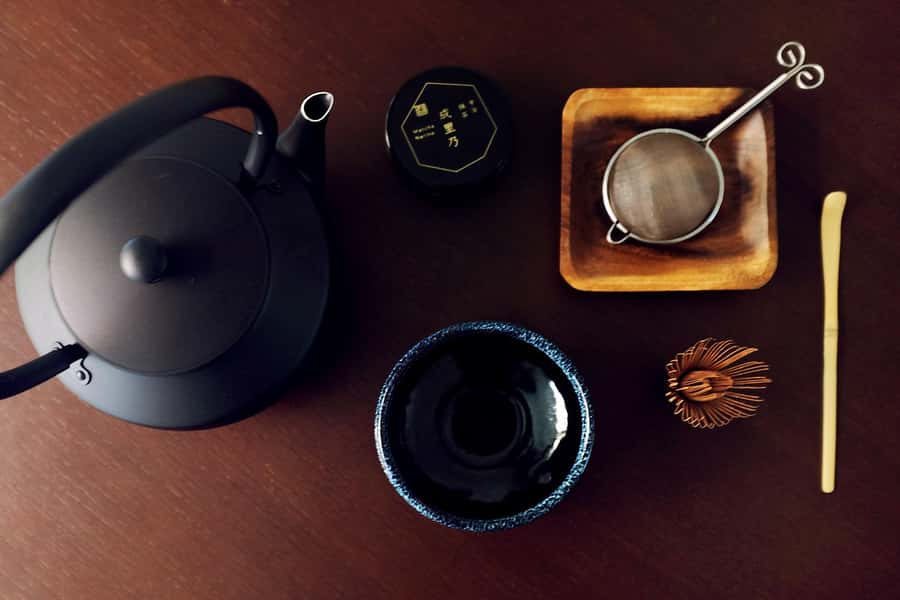
You learn how the tools work, how to handle them, and how to whisk the tea into a smooth drink. You also practice the basic manner of drinking a bowl of matcha. This gives you a clear sequence to remember once you return home.
The hands-on section is more useful than a passive ceremony because you discover where the process feels awkward. Whisking requires attention, and the result depends on more than adding powder to hot water. The class gives you a foundation without pretending that one workshop makes you an expert.
A practical benefit is that you can repeat the process later. If you buy matcha in Japan, you will know more about storing it, preparing it, and judging the result. The lesson may also change how you think about tea at home. Matcha is not simply an instant green beverage. It is a prepared food and a small daily ritual.
The class also explains ceremony manners. You learn how to receive and drink the tea in a respectful way, which helps if you attend another tea event in Japan. The tone remains accessible rather than severe, so you can ask basic questions without feeling out of place.
What the teaching style adds
The strongest thread running through the session is the host’s enthusiasm. Komei explains the material with energy and keeps the atmosphere friendly. You are not left to decode a silent ritual from across the room.
His teaching style appears to suit mixed groups. Some people arrive already excited about matcha, while others are trying it for the first time. The discussion covers basic facts, cultural meaning, and small details about making tea, giving both types of participant something to take away.
The English presentation makes the experience easier to follow for international visitors. Japanese is also available. The lesson includes historical information about matcha and kimono, but the focus stays on useful understanding rather than a long academic lecture.
One point to consider is that the balance between kimono and tea can vary according to the group. An earlier participant felt that a little more time on matcha would have been preferable. If you are a dedicated tea enthusiast, you may want to ask how much time will be devoted to each section when booking.
Who will get the most from this $57 experience
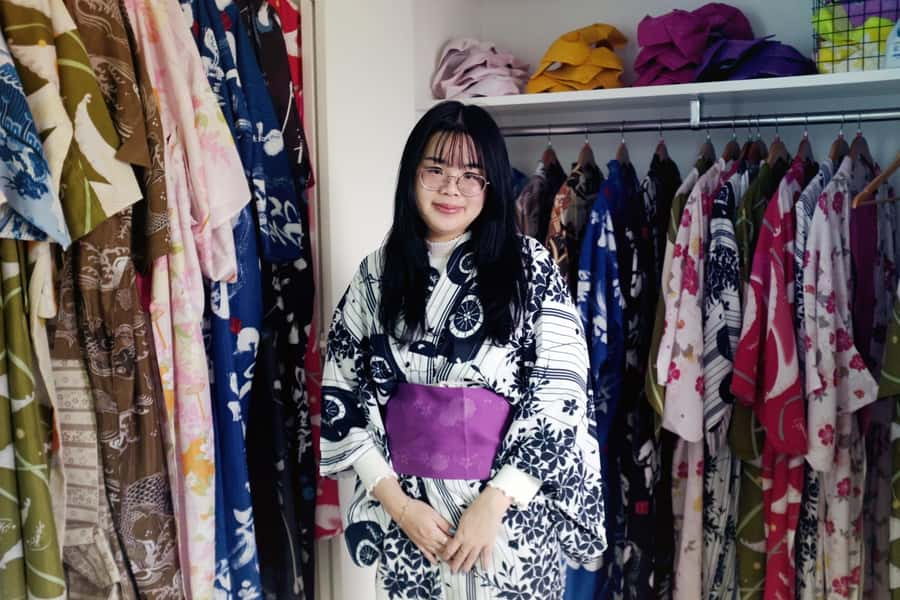
I would recommend this activity to you if you want a cultural introduction with something to do at every stage. You taste, dress, listen, handle tools, make tea, and practice manners. It suits couples, friends, solo visitors, and families with children aged five or older.
It is especially good for a first visit to Japan because it connects several subjects that can otherwise seem separate. You see a kimono, then learn how clothing fits a formal setting. You taste matcha, then learn about tea ceremony and teaism. Each part supports the next.
Matcha fans will appreciate the chance to compare teas rather than settle for one sweet café drink. People who are less interested in tea may still enjoy the kimono and cultural explanations, though the workshop is built around matcha, so it is not a general Japanese crafts class.
The activity is not suitable for children under five. Strong scents and noisy behavior are not allowed, which makes sense in a traditional tea room but may be difficult for very young children. Bring socks and arrive early.
For value, the package is solid. You receive instruction from a tea expert, tea tasting, traditional sweets, a welcome drink, a kimono to wear, and use of the ceremony tools. A full formal kimono appointment would likely involve a different level of clothing service, but this workshop offers more content for a moderate price.
Booking details that affect your choice
You can reserve now and pay later, which helps if your Tokyo plans are still changing. Cancellation is free up to 24 hours in advance.
The experience is offered in English and Japanese. It starts and ends at the same meeting point near Yotsuya. The exact duration is not provided, so leave a comfortable gap before your next reservation.
Wear or bring socks, avoid strong fragrances, and do not count on a refund if you arrive more than 10 minutes late. These are small rules, but they matter more here than on a casual sightseeing walk because the workshop uses traditional flooring and begins at a set time.
Should you book the matcha and kimono experience?
Book it if you want a friendly, hands-on introduction to Japanese tea culture near Shinjuku. The combination of first-flush matcha, kimono, sweets, tea tools, and home preparation gives you more than a quick ceremonial display.
I would be most likely to recommend it to first-time visitors, curious food lovers, and anyone who wants a cultural activity that is easy to follow in English. Komei’s warm teaching style is a major part of the appeal.
Think twice if you want a highly formal tea ceremony or a long, traditional kimono dressing appointment. This is a practical workshop with a relaxed tone. For $57, that is exactly why it works: you gain context, participation, and a memorable taste of Japanese tradition without committing half a day to a formal ceremony.
FAQ
Where does the matcha and kimono experience meet?
The guide meets you in front of the LUUP scooter stand next to the ACN Yotsuya Building, holding a workshop sign. The location is about a six-minute walk from Yotsuya Station.
Does the activity end at the same place?
Yes. The activity ends back at the meeting point near Yotsuya.
What is included in the price?
The price includes the matcha experience, kimono rental for the session, a tea lecture, matcha-making instruction, first-flush matcha, traditional Japanese sweets, a welcome drink, and tea ceremony tools.
Do I need to bring anything?
Bring your own socks to protect the traditional flooring. If you forget, you may be asked to buy socks at the workshop.
Is the experience available in English?
Yes. The experience is offered in English and Japanese.
Can children join?
Children under five are not allowed to participate.
What happens if I arrive late?
Your booking is automatically canceled after 10 minutes of delay from the appointment time, and no refund is provided in that situation.
Newly steeped around Tokyo
- Yokohama : Tea Ceremony with Sweets and Souvenir★ 5.0 · 5 reviews
- Walking Tour: Yanaka,Nezu& Sendagi: Tea Ceremony & Old Tokyo★ 5.0 · 3 reviews
- Private Mochi・Matcha sweets Making Class Near Shibuya Area★ 5.0 · 22 reviews
- 2 Hours Mochi &Nerikiri Making & Matcha Class in Bunkyo★ 5.0 · 21 reviews
- Private Kimono and tea ceremony at local home near Tokyo Disney★ 5.0 · 6 reviews
- Kimono and Tea Ceremony in Asakusa Private Food Tour With Guide★ 5.0 · 4 reviews
- Giant Sushi Cooking Class: Make a 1.5m Sushi Roll in Tokyo★ 5.0 · 9 reviews
- Tokyo Tea Ceremony Class at a Traditional Tea Room★ 5.0 · 2 reviews
Kimono & Tea Ceremony, compared.


KYOTO Tea Ceremony with kimono near by Imamiya Jinjya Shrine
Read our review →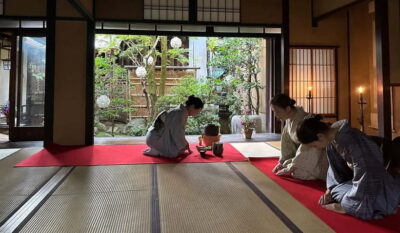
Kyoto: Kimono and Tea Ceremony Experience at Cultural Asset
Read our review →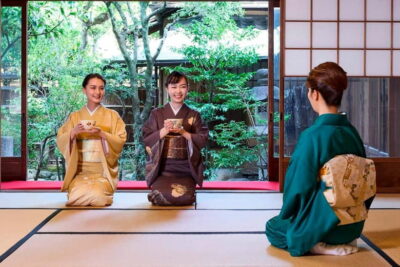
Kyoto: Kimono Tea Ceremony with Matcha and Sweet
Read our review →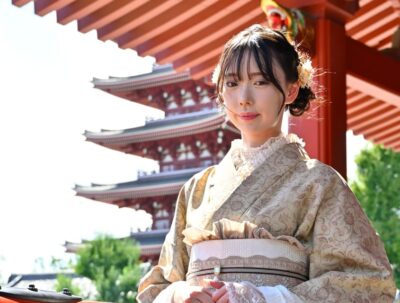
Tokyo: Asakusa Kimono Dressing and Matcha Experience
Read our review →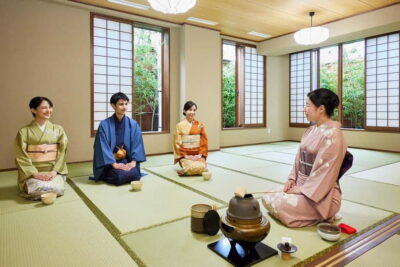
Asakusa: Kimono Tea Ceremony with Matcha and Sweet
Read our review →Browse the lists this tea experience appears in