
Review · TOKYO
Tokyo: Private Tea Ceremony with Matcha and Sweet
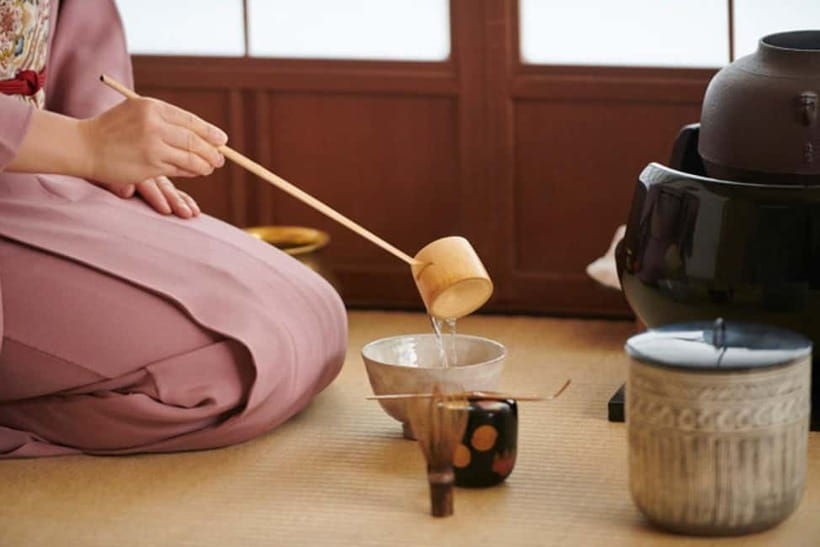
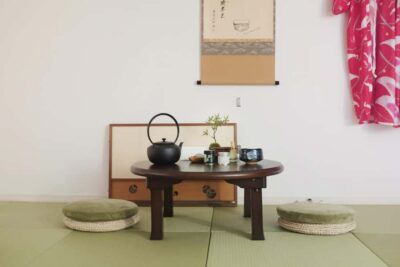
Tokyo’s tea ceremony is not a stage show with a quick cup at the end. In this private one-hour session, you learn why each movement matters, watch a demonstration, whisk your own organic matcha, and taste a seasonal Japanese sweet. The setting is a tea room on the eighth floor of Toyosu Cultural Center, close to Toyosu Station and teamLab Planets.
I like the small private format, which gives you room to ask questions and try the steps without feeling rushed by a large group. I also like the balance between ceremony and hands-on work: you taste matcha made mainly from Uji tea, then make a matcha dessert and compare strong and weak tea.
The main consideration is time. One hour gives you a neat introduction, not a long study of tea practice. The experience also excludes transportation, and it is not suitable for children under four, pregnant women, or people with food allergies.
Key points to know before booking
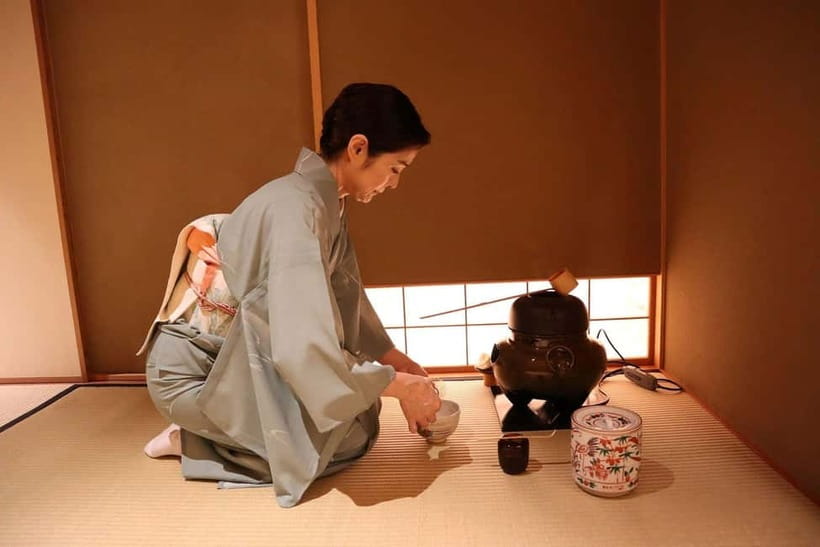
- Private tea room: Meet at the Toyosu Cultural Center tea room on the eighth floor, with the station only about one minute away.
- English instruction: Learn from an English-speaking instructor certified in Urasenke, Japan’s largest tea ceremony school. Mariko is named as an instructor connected with this experience.
- Real Uji matcha: Taste organic matcha selected mainly from Uji in Kyoto, with its natural sweetness, aroma, and bitterness.
- Hands-on preparation: Watch the ceremony, make your own matcha, and prepare a matcha dessert.
- Seasonal wagashi: The Japanese sweets come from famous confectioners and are served as part of the tea experience.
- Easy clothing rules: Comfortable clothes and socks are recommended, and you do not need to sit upright for the entire session.
A calm cultural stop in Toyosu
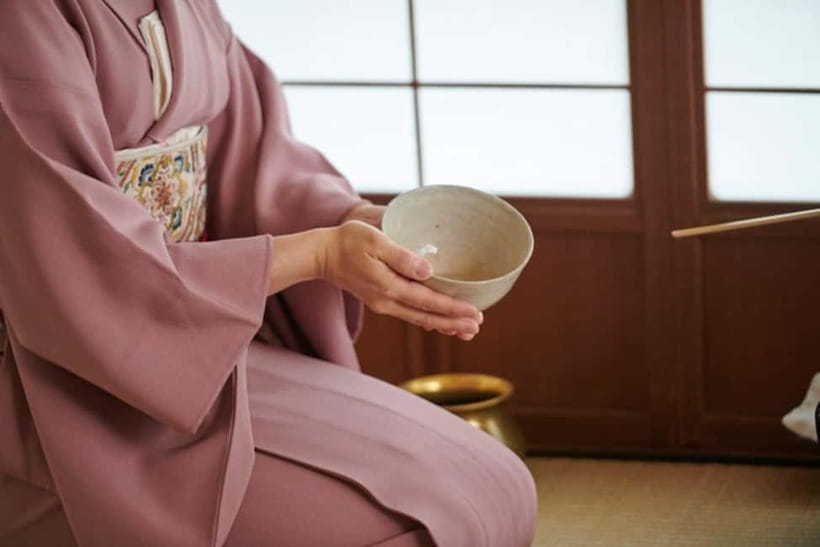
This experience takes place in Toyosu, on Tokyo’s eastern side, rather than in one of the city’s older tourist districts. That location gives it a practical advantage if you are already visiting teamLab Planets or spending time around Toyosu Station.
The meeting point is simple to reach. The Toyosu Cultural Center is about a one-minute walk from exit 7 of Toyosu Station on the Tokyo Metro Yurakucho Line. It is also about one minute from the Toyosu Station stop on the New Transit Yurikamome Line. You make your own way there, since transportation is not included.
Once inside, you go to the eighth-floor tea room. The short journey from the station matters in Tokyo, where a cultural activity can quickly become a half-day affair once transfers and long walks are added. Here, the travel time is limited, and the activity itself lasts one hour.
The room is a better fit for people who want a focused introduction than for anyone seeking a full afternoon at a traditional tea house. You receive a clear beginning, middle, and end: instruction, demonstration, preparation, tasting, and a photo.
More Matcha Experiences in Tokyo
- Matcha Making Class in Tokyo with Authentic Japanese Sweets Set
★ 5.0 · 744 reviews - Tokyo: Matcha Making Experience with Mochi Sweets in Asakusa
★ 4.9 · 388 reviews - Asakusa Cultural Walk & Matcha Making Tour
★ 5.0 · 245 reviews
What the first lesson covers
The ceremony starts with an explanation of the history and purpose of tea practice. You also learn about matcha nutrition, manners, and the simple rules for drinking the tea. These points give you context before you handle the bowl yourself.
That teaching is useful because Japanese tea ceremony can look formal and mysterious if you only watch from the outside. The instructor explains what you are doing and why, so the gestures become easier to follow. You learn how to drink matcha properly rather than simply being handed a cup and told to enjoy it.
Instruction is in English. The teacher is certified in Urasenke, the largest school of tea ceremony, so the session connects its practical demonstrations to an established school of practice. Mariko is named as one of the instructors, and the personal warmth associated with her teaching is part of the appeal for English-speaking visitors.
Do not expect a lecture packed with dates and technical terms. The value here is the direct connection between explanation and action. You hear about manners, then see them. You learn about matcha, then taste it. That keeps the hour moving.
Watching the tea ceremony demonstration
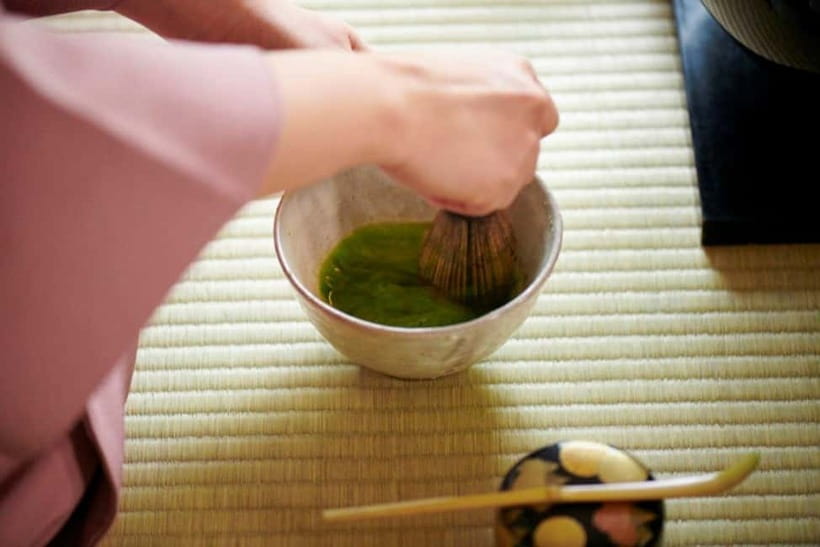
The demonstration gives you a chance to see the ceremony before trying it. Pay attention to the handling of the bowl, the pace of the movements, and the quiet attention given to preparation. Tea ceremony is partly about the drink, but it is also about care, order, and respect.
The demonstration is important for beginners because matcha preparation is not quite the same as making ordinary tea. The powder is whisked into water rather than steeped and removed. The result has a fine texture and a distinct taste that can be sweet, grassy, bitter, or slightly astringent.
You may find the formal manners more detailed than expected. That is part of the point, but it can also feel less casual than a standard food workshop. If you want a relaxed café stop, this is not the right format. If you enjoy learning a custom through its gestures, the demonstration adds real value.
The private group format helps here. You can watch closely, and the instructor can adjust the explanation to your questions. A large public demonstration might show the ceremony, but it would not give you the same chance to follow each step at close range.
Tasting organic matcha from Uji
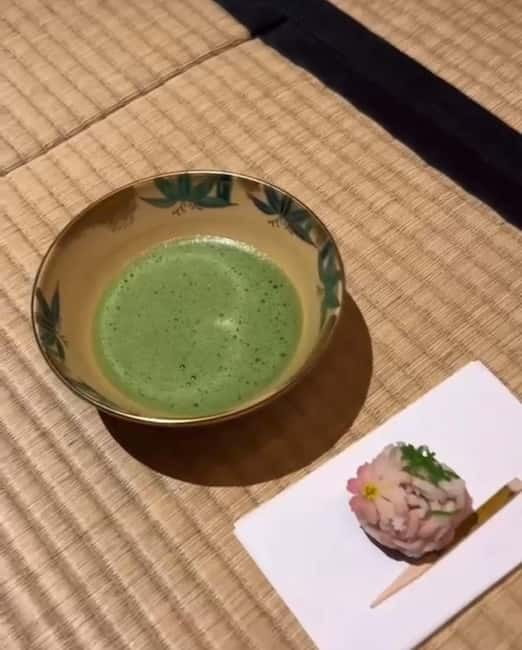
The matcha is made from carefully selected tea, mainly from Uji in Kyoto. Uji is one of Japan’s best-known tea-growing areas, and the source gives the tasting a useful sense of place. You are not sampling a generic powdered drink dressed up as a cultural activity.
The session encourages you to notice several parts of the flavor: aroma, sweetness, bitterness, and texture. Real matcha can surprise people who expect something sugary. It has a concentrated taste, and the bitterness is part of the experience rather than a flaw to hide.
The word organic is also important here. The included hands-on preparation uses 100 percent organic matcha. You make the drink yourself, which lets you see how the powder changes as it is whisked and how preparation affects the finished cup.
The nutrition discussion may appeal to you if you are curious about matcha beyond ceremony. Still, this is a cultural activity first, not a health consultation. The information is included as part of the lesson, while the main focus remains manners, preparation, and taste.
More Private Tea Experiences in Japan
- Tea Ceremony Experience in a Private Tea Room in Shibuya
★ 4.9 · 125 reviews - Private Tea Ceremony and Sake Tasting in Kyoto Samurai House
★ 5.0 · 163 reviews - Kyoto: Private Tea Ceremony with a Garden View
★ 4.9 · 61 reviews - Kyoto Private Tea Ceremony with Tea Master at Home
★ 5.0 · 58 reviews
Making your own matcha
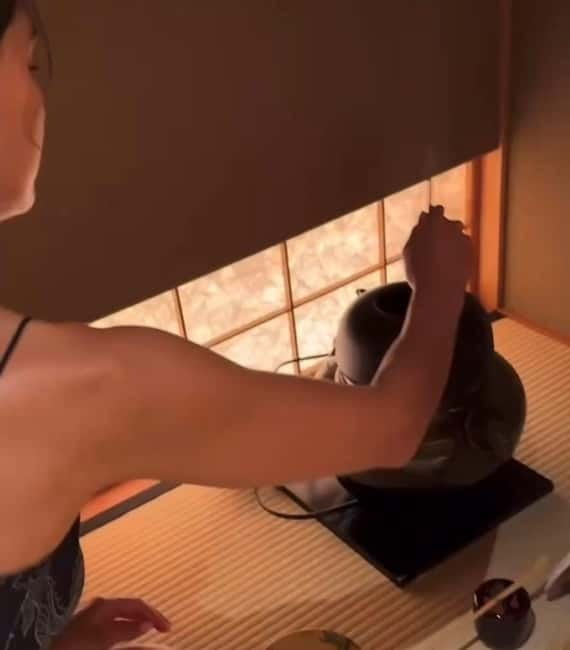
The hands-on portion is where the activity becomes more than a demonstration. You prepare your own matcha under instruction, following the basic method shown by the teacher.
This is a good feature for first-time visitors because you leave with an action you can repeat at home. The class does not only tell you that matcha requires care. It lets you feel the rhythm of whisking and see the difference between a well-mixed drink and one that needs more attention.
You also learn about strong and weak matcha. This comparison helps explain why matcha is not a single fixed flavor. The amount of powder and water changes the result, and the difference can be easier to understand when you taste both versions close together.
There is a small physical note to keep in mind. The activity says it is fine if you cannot sit upright, which makes the session more approachable for people who find formal sitting difficult. You should still wear comfortable clothes, and socks are requested. This is not the time for shoes-off sightseeing in bare feet.
Wagashi and the matcha dessert
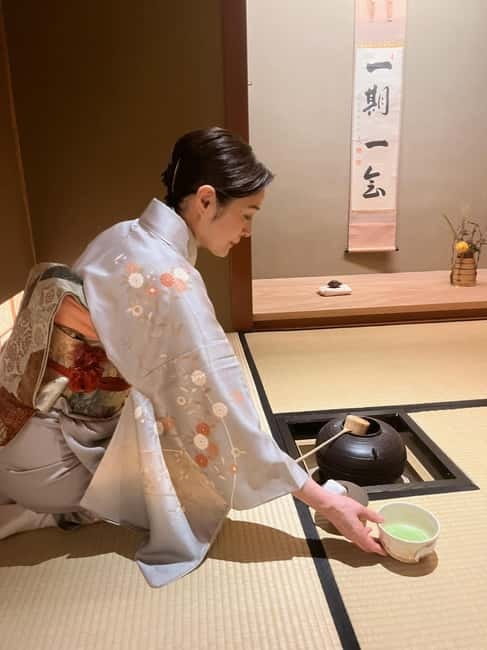
Tea ceremony traditionally pairs tea with a sweet, and this experience includes seasonal wagashi from famous confectioners. Wagashi are Japanese sweets designed to complement tea, often with a careful shape or seasonal feel. The sweetness helps balance matcha’s bitterness.
The pairing also teaches you how the ceremony controls flavor. The sweet is not just an extra snack. It prepares your palate for the tea and gives the bitter drink a softer edge. Pay attention to how the matcha tastes before and after the wagashi.
The final food activity is making a matcha dessert. This adds variety to the hour and gives you another way to notice the difference between stronger and lighter matcha. You are not only drinking the ingredient. You are seeing how it works in a sweet dish.
Food restrictions deserve attention before you book. The experience is not suitable for people with food allergies, and pregnant women are advised not to participate. The activity also does not accept children under four. The supplied details do not specify every ingredient in the wagashi or dessert, so anyone with dietary concerns should seek confirmation before reserving.
A photo to take home
At the end, you can take a photo as a keepsake. This is a modest touch, but it gives the short activity a clear closing moment. You leave with a visual reminder of the tea room and the preparation you learned.
Bring a camera if you want that record. The photo is not a substitute for a longer cultural visit, but it is useful if this ceremony is one part of a wider Tokyo trip. You can look back on the bowl, the sweets, and the setting after you return home.
The photo also makes this activity work well for couples, friends, or families with older children who meet the age requirements. Since the group is private, you do not need to share the moment with a room full of strangers.
Is $50 per person fair?
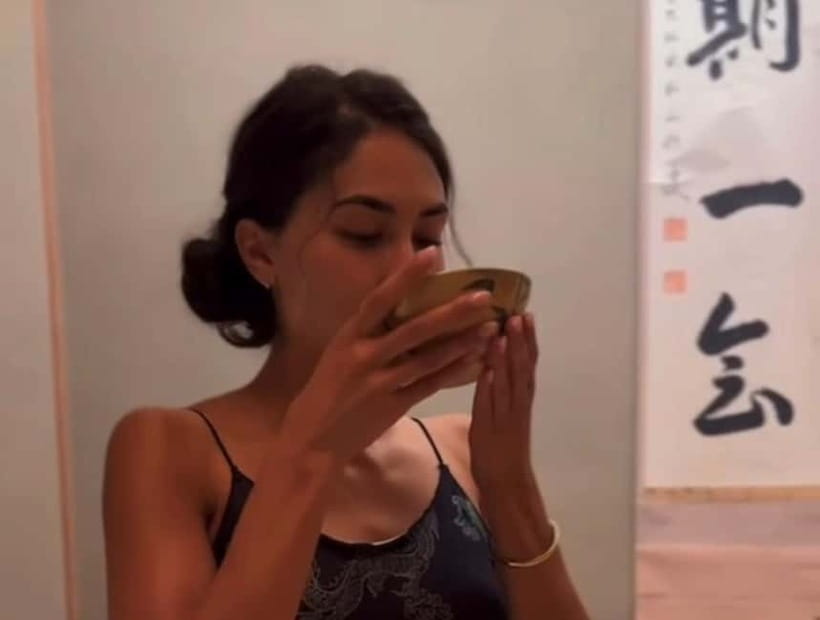
At $50 per person, this is not the cheapest way to drink matcha in Tokyo. You can find a simple cup of tea for much less. The price makes more sense when you count the instruction, private tea room, demonstration, seasonal wagashi, organic matcha preparation, dessert-making, and English guidance.
I would judge the value by what you want from the hour. If you only want a taste of matcha, the cost is high. If you want to understand the manners, see a proper demonstration, and prepare the drink yourself, the price is reasonable for a private cultural lesson in Tokyo.
The one-hour length also keeps the commitment manageable. You can fit it into a day around Toyosu without giving up an entire morning or afternoon. That is useful for a packed Tokyo schedule, though anyone seeking a slow, extensive study should look for a longer tea program.
The booking terms add flexibility. You can cancel up to 24 hours ahead for a full refund, and you can reserve now and pay later. Those policies help if your Tokyo plans are still changing, but they do not alter the basic value calculation: the session is worth paying for if participation matters more to you than simply tasting tea.
Who will enjoy this tea ceremony?
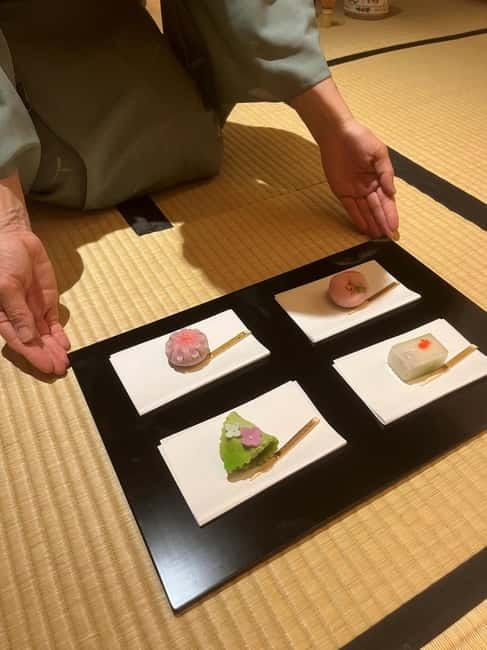
I would recommend it to first-time visitors who want a clear introduction to Japanese tea culture without committing to a long formal program. The English instruction, private group, and hands-on preparation make it approachable.
It also suits people who enjoy food and drink with a cultural explanation. You taste matcha, learn how its strength changes, pair it with wagashi, and use it in a dessert. That is more satisfying than a lecture alone.
The location works especially well if you are already planning time near teamLab Planets or Toyosu Station. You should allow enough time to reach the eighth-floor tea room, but the station access is unusually convenient.
I would think twice if you dislike bitter flavors, formal manners, or sitting in a tea-room setting. The session is gentle, but matcha has a real bitterness, and the ceremony follows customs rather than the loose pace of a café visit. People with food allergies, pregnant women, and children under four should not book this activity.
What to bring and how to prepare
Wear comfortable clothing. You do not need special traditional dress, and the activity specifically notes that it is fine if you cannot sit upright. Socks are required, so check your feet before leaving the hotel.
Bring a camera for the final photo. You do not need to bring tea equipment or ingredients, since the matcha, wagashi, and dessert activity are included.
Arrive knowing that this is a private one-hour lesson, not transportation from your hotel. You are responsible for getting to Toyosu Cultural Center and returning afterward. The two nearby train options make that straightforward, but the activity does not include travel costs.
Should you book this Tokyo tea ceremony?
Book it if you want a personal, practical introduction to matcha and Japanese tea manners. The strongest parts are the private format, English-speaking Urasenke instruction, quality matcha mainly from Uji, seasonal wagashi, and the chance to make both tea and dessert.
Skip it if your main goal is a cheap drink or a long, highly formal ceremony. At $50, you are paying for teaching and participation, not just refreshment. For a short cultural stop near Toyosu, that is a fair exchange, especially if you want to return home knowing how matcha is prepared and why the ceremony follows such careful steps.
FAQ
Where does the tea ceremony take place?
It takes place in the tea room on the eighth floor of Toyosu Cultural Center in Tokyo.
How close is the meeting point to Toyosu Station?
The cultural center is about a one-minute walk from exit 7 of Toyosu Station on the Tokyo Metro Yurakucho Line. It is also about a one-minute walk from Toyosu Station on the New Transit Yurikamome Line.
How long does the experience last?
The tea ceremony lasts one hour.
Is the activity private?
Yes. It is offered as a private group experience.
Is instruction available in English?
Yes. The instructor speaks English, and the experience is taught by a certified Urasenke instructor.
What food and drink are included?
The experience includes traditional seasonal Japanese wagashi, organic matcha, and a matcha dessert that you make during the session.
What should I bring?
Bring a camera, wear comfortable clothes, and wear socks.
Can I cancel or pay later?
You can cancel up to 24 hours in advance for a full refund. You can also reserve now and pay later.
More Private Tea Experiences in Tokyo
- One-Day Hangzhou Dragon Well Tea Culture & West Lake Private Tour
★ 5.0 · 98 reviews - Tangier Private Tour with a Local Writer (Includes Tea & Sweet)
★ 5.0 · 52 reviews - Osaka: Private Tea Ceremony and Calligraphy Experience
★ 5.0 · 50 reviews - Private Tour: Royal High Tea At Kensington Palace Gardens
★ 5.0 · 39 reviews
More Tea Ceremonies in Tokyo
- Kimono Tea Ceremony at Tokyo, Asakusa Maikoya
★ 5.0 · 638 reviews - Tokyo: Traditional Tea Ceremony with a Tea Master
★ 5.0 · 528 reviews - Tea Ceremony Workshop in Tokyo by the Experienced Instrucor
★ 5.0 · 189 reviews - Asakusa: Kimono Tea Ceremony with Matcha and Sweet
★ 4.9 · 153 reviews
Newly steeped around Tokyo
- Yokohama : Tea Ceremony with Sweets and Souvenir★ 5.0 · 5 reviews
- Walking Tour: Yanaka,Nezu& Sendagi: Tea Ceremony & Old Tokyo★ 5.0 · 3 reviews
- Private Mochi・Matcha sweets Making Class Near Shibuya Area★ 5.0 · 22 reviews
- 2 Hours Mochi &Nerikiri Making & Matcha Class in Bunkyo★ 5.0 · 21 reviews
- Private Kimono and tea ceremony at local home near Tokyo Disney★ 5.0 · 6 reviews
- Kimono and Tea Ceremony in Asakusa Private Food Tour With Guide★ 5.0 · 4 reviews
- Giant Sushi Cooking Class: Make a 1.5m Sushi Roll in Tokyo★ 5.0 · 9 reviews
- Tokyo Tea Ceremony Class at a Traditional Tea Room★ 5.0 · 2 reviews
Matcha Experiences, compared.
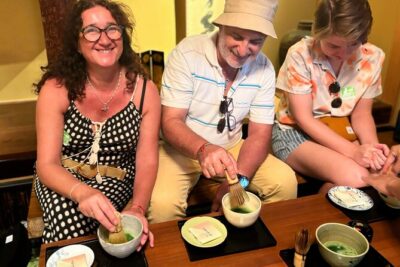
World Heritage Kyoto & Nara Uji Authentic Matcha Experience
Read our review →
Matcha Making Class in Tokyo with Authentic Japanese Sweets Set
Read our review →
Kyoto: Tea Museum Tickets and Matcha Grinding Experience
Read our review →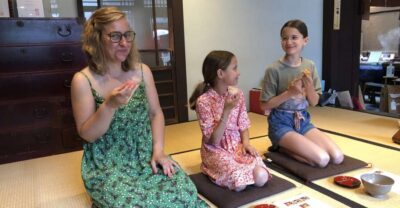
Kyoto: Tea Ceremony Meditation – Make Matcha with Tea Master
Read our review →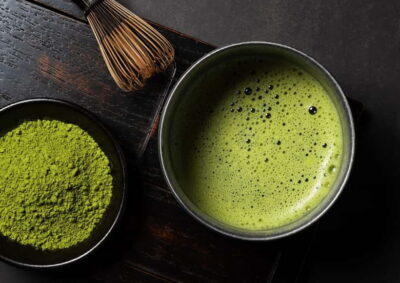
Tokyo: Matcha Making Experience with Mochi Sweets in Asakusa
Read our review →
Kyoto: Kimono Tea Ceremony with Matcha and Sweet
Read our review →
Browse the lists this tea experience appears in