

Review · TOKYO
Tokyo Morning Japanese Tea and Meditation Experience in Japan
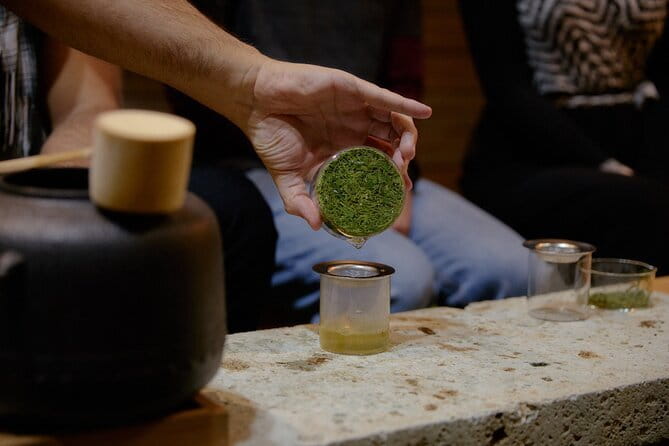
The most interesting part of this one-hour Tokyo experience is that you do not simply sit back while someone pours tea. You work with one sencha from Shizuoka’s rare Ryuso, or Dragon Claw, area, using the leaves in five different ways. That can mean ice-water brewing, eating the leaves, roasting them, and preparing tea for yourself.
I like the hands-on format, and I like the quiet morning setting in central Tokyo. The session also gives you a useful look at tea beyond matcha, including the work of Japanese tea farmers and the careful picking of leaves. The main drawback is the short length: one hour gives you a fine introduction, but not a long cultural workshop.
Key points at a glance
- Five uses for one sencha: Brew, taste, roast, and eat tea leaves rather than only drinking a prepared cup.
- Tea from Shizuoka’s Ryuso area: The single-origin leaves give the session a clear sense of place.
- Morning meditation in central Tokyo: Choose the 7:30 a.m. or 9:00 a.m. start for a calm pause before the city gets fully moving.
- You prepare your own tea: The instructor guides the process instead of serving everything to you.
- Small group, English guidance: The maximum is five people, which suits anyone who prefers personal instruction.
- Tea souvenir included: You leave with tea leaves, adding a practical touch to the $39.25 price.
Why this Tokyo tea session is different
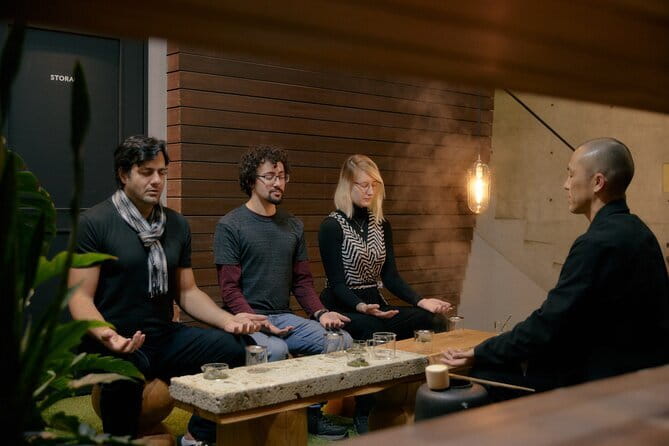
Many visitors arrive in Japan expecting matcha. Matcha deserves its fame, but it is only one part of the country’s tea culture. This experience introduces you to sencha, a brewed green tea, and asks you to notice how the same leaves change when you alter the preparation.
That idea gives the session its purpose. You are not just drinking tea. You are learning how water temperature, brewing style, roasting, and the treatment of the leaves affect what you taste. The activity calls itself an Ocha experience, with Ocha referring to Japanese tea culture in a wider sense.
I find this approach more useful than a simple tea tasting. You get a small lesson in technique, but also a better sense of how a Japanese ingredient can be handled with care. The session connects the cup to the tea field, the farmer, and the finished leaf.
The experience uses tea from the Ryuso area of Shizuoka Prefecture. The name means Dragon Claw, and the tea is presented as a rare, single-origin product. You are not comparing a large selection of unrelated teas. Instead, you follow one tea through several forms, which makes the differences easier to notice.
More Zen Tea Sessions around Tokyo:
- Tokyo: Practicing Zen with a Japanese Tea Ceremony
★ 4.7 · 105 reviews - Kamkura: Private Zazen, Matcha at Bamboo Temple & Mindful Cuisine
★ 5.0 · 9 reviews - Practicing Zen through Japanese Tea Ceremony
★ 4.5 · 6 reviews
Starting at Shun Sudo WallArt in Sendagaya
The meeting point is Shun Sudo WallArt, at 3-chōme-55-18 Sendagaya, Shibuya, Tokyo 151-0051. The activity begins and ends there, so you do not need to arrange a separate ride back to your hotel or to another part of the city.
It is near public transportation, but the information provided does not name a specific station or give walking directions. I would allow extra time to find the exact building, especially for the 7:30 a.m. session. A morning activity has little room for a wrong turn.
The setting is in central Tokyo, yet the goal is to create a quiet break from the city. That contrast is part of the appeal. You begin near busy streets and urban movement, then turn your attention to the leaves, the water, and the steps in front of you.
The activity is offered twice each morning, at 7:30 a.m. and 9:00 a.m. The earlier option suits people who want to start sightseeing afterward. The later time may be easier if you are not ready to leave your hotel at dawn, though both choices are early by normal holiday standards.
Preparing five menus from one sencha
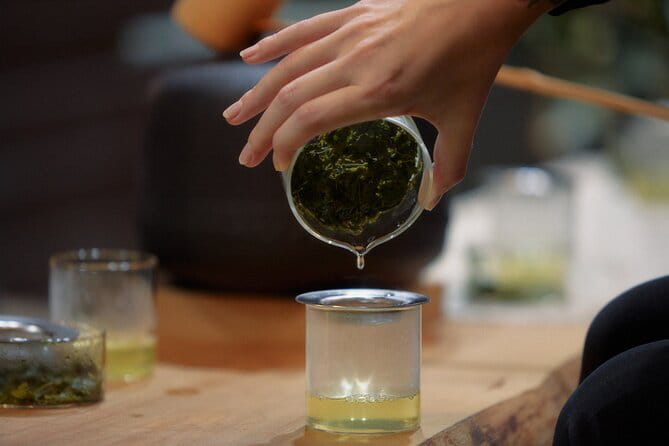
The heart of the experience is the preparation of five different menus from the same sencha leaves. The exact menu list is not provided, so you should not expect a fixed set of named dishes from the description. You can expect several ways of brewing and handling the tea, including hot-water preparation, ice-water brewing, eating the leaves, and roasting them.
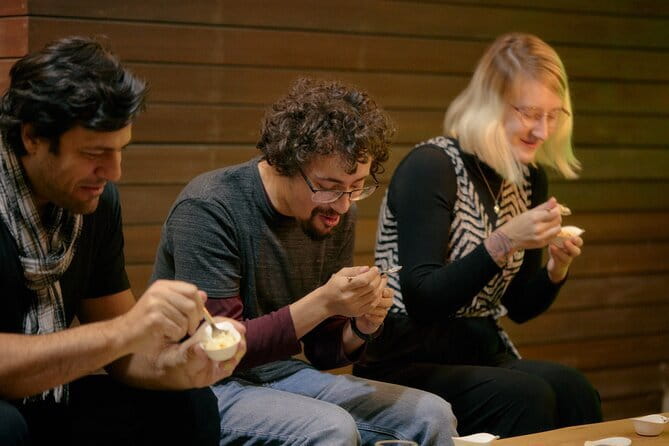
That variety is important. Ice-water brewing shows you that tea does not need hot water to produce a pleasant drink. Eating the leaves changes your attention from liquid to texture and flavor. Roasting brings another layer, as heat alters the aroma and character of the leaves.
You prepare the tea and food yourself. The instructor does not simply make everything and place it in front of you. Instead, you follow the process and take part in the brewing and cooking. I like that design because it makes the lesson active without turning it into a formal cooking class.
The five-menu format also gives you a useful comparison. Since the tea comes from one source, the changes in taste are linked to your method rather than to a completely different ingredient each time. That makes the session easier to understand, even if you have little experience with Japanese tea.
The experience includes snacks, but the provided details do not say how substantial they are or exactly how they fit into the five menus. I would treat the food as part of the tasting rather than as breakfast. If you need a full meal, plan one separately.
The Ryuso tea and its connection to farming
The tea’s origin gives the activity more substance than a generic green tea demonstration. Ryuso, in Shizuoka Prefecture, is described as a rare production area, and the session uses tea from that single origin. You get a clear example of how a place and its growers shape what ends up in your cup.
The educational side reaches beyond brewing. The tea presentation includes the work of farmers and the art of picking leaves in the fields. That context matters because Japanese tea is often treated as a finished product in a beautiful cup, while the demanding work behind the leaves is easy to miss.
You may not leave knowing every detail of tea cultivation after one hour. Still, you should come away with a better respect for the leaf itself. The activity gives you a reason to notice the difference between drinking tea casually and paying attention to how it was grown and prepared.
For anyone already interested in Japanese food, farming, or regional products, this focus is a strong reason to book. The session is not built around a famous sightseeing view or a large cultural show. Its value is in the small details of one ingredient.
More Tea Experiences around Tokyo:
- Matcha Making Class in Tokyo with Authentic Japanese Sweets Set
★ 5.0 · 744 reviews - Kimono Tea Ceremony at Tokyo, Asakusa Maikoya
★ 5.0 · 638 reviews - Tokyo: Traditional Tea Ceremony with a Tea Master
★ 5.0 · 528 reviews - Dynamic Tokyo: Tokyo Tower, Tea Experience, Bay Cruise Day Tour
★ 4.5 · 521 reviews
A meditation pause before Tokyo gets busy
The experience is described as a morning meditation with tea. That does not mean you should expect a long religious meditation class. The supplied information points instead to a calm, sensory activity in which you brew, drink, and eat the tea while focusing on the process.
You use all five senses as you work with the leaves. You notice their appearance, smell, taste, texture, and the sound and feel of preparation. This gives the hour a slower rhythm than a standard food stop.
I like the timing for that reason. Tokyo can become intense quickly, with crowded trains, full sidewalks, and a long list of sights. A 7:30 a.m. or 9:00 a.m. tea session lets you begin with one focused activity before moving on to the rest of the day.
The setting does not transport you to a rural tea farm. You remain in central Tokyo, and the activity does not include transportation to Shizuoka. That is both a limit and a practical advantage. You get an introduction to tea culture without spending a day leaving the capital.
Group size, guidance, and the pace of the hour
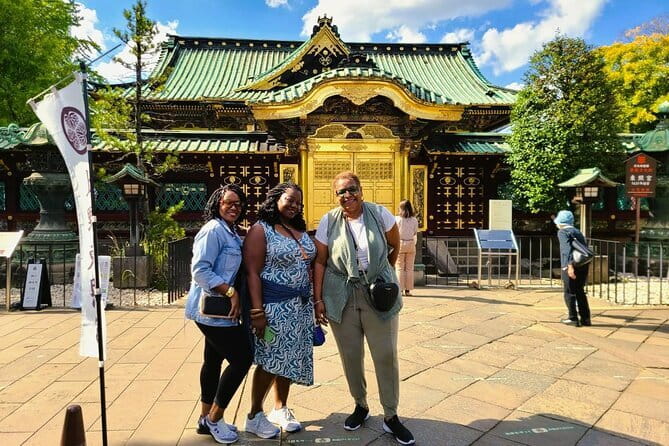
The maximum group size is five people. That is a real advantage for a hands-on activity. When each person must brew and prepare tea, a small group leaves more room for instructions and questions than a large demonstration would.
English guidance is available. The supplied information does not name the instructor, so you should not book expecting a particular guide. The important point is that you can receive the activity in English rather than trying to follow a technical tea lesson without language support.
One hour is enough for a focused introduction, but you should set your expectations correctly. You will not get an extended study of Japanese tea, a full meal, or a visit to a growing region. You will get a compact session built around five ways to use one tea.
That short length can work well in a Tokyo schedule. It fits before sightseeing, shopping, or another morning reservation. The tradeoff is that the pace may feel brisk if you want long explanations about farming, history, or tea ceremony customs.
The format is best for people who like to do things with their hands. If you prefer to watch a formal tea ceremony in silence, this may feel more practical and experimental than ceremonial. If you want to understand how tea works, the active format is a better match.
What the $39.25 price includes
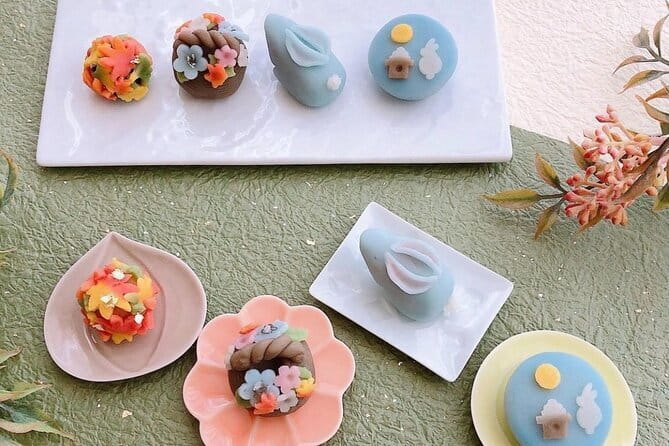
At $39.25 per person, the experience sits in the affordable range for a guided cultural activity in Tokyo. The price includes about one hour of tea preparation and tasting, snacks, English guidance, and a souvenir of tea leaves.
The souvenir adds some value because the session does not end when you leave the meeting point. You can take the leaves home and remember the different methods you learned. The description does not specify the size or type of the souvenir, so I would not treat it as a large gift package.
The strongest value comes from the hands-on instruction. You are paying for more than a drink. You are paying for access to a specific Shizuoka tea, guidance through several preparations, and the chance to handle the process yourself.
Private transportation is not included. Since the activity starts and ends at the same central Tokyo meeting point and is near public transportation, that is not a serious problem for most people staying in the city. You will need to get there independently.
I would consider the price fair if you are curious about Japanese tea and want a small-group activity. It is less compelling if you are looking for a substantial breakfast, a long workshop, or transport into the countryside.
Who will enjoy this most
I would recommend this experience to curious eaters, tea drinkers, and first-time visitors who want a cultural activity that fits neatly into a morning. It also suits anyone who has tried matcha and wants to see what lies beyond it.
People interested in agriculture will get extra value from the discussion of tea farmers and leaf picking. So will anyone who likes regional food products and wants to understand where an ingredient comes from.
The small group is helpful for solo visitors and couples who prefer a personal setting. Families may also appreciate the active format, though the provided information does not specify a minimum age or special child arrangements.
You should think twice if you need a late start. The first session begins at 7:30 a.m., and the second begins at 9:00 a.m. You should also look elsewhere if your main goal is a traditional matcha ceremony, a countryside visit, or a full meal.
Service animals are allowed, and the activity is near public transportation. No other accessibility details are provided, so contact the provider before booking if you need specific arrangements.
Booking advice and cancellation terms
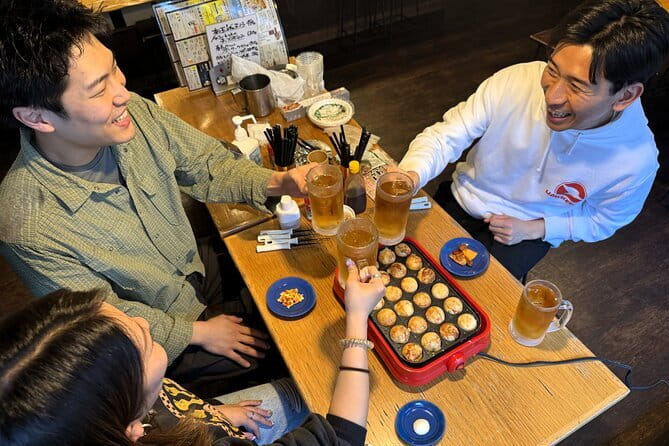
Confirmation is received at the time of booking, and the activity uses a mobile ticket. That makes it easy to keep the reservation on your phone rather than printing paperwork.
Free cancellation is available if you cancel at least 24 hours before the local start time. Cancellations made less than 24 hours before the experience, along with late changes, are not accepted for a refund.
The activity is booked an average of 36 days ahead. That suggests you should reserve early if the 7:30 a.m. or 9:00 a.m. time matters to your schedule, especially because the group is limited to five people.
Should you book this tea experience?
Book it if you want a practical, small-group introduction to Japanese tea rather than a passive tasting. The chance to use one Shizuoka sencha in five ways, including ice-water brewing, eating the leaves, and roasting them, gives the hour a clear purpose.
The tea souvenir, snacks, English guidance, and central meeting point make the $39.25 price reasonable. Just remember that this is a compact morning lesson, not a full tea ceremony, a meal, or a trip to a tea farm. For a calm and unusual start to a Tokyo day, I think it is a good choice.
FAQ
Where does the Japanese tea experience begin?
It begins at Shun Sudo WallArt, 3-chōme-55-18 Sendagaya, Shibuya, Tokyo 151-0051, Japan.
Where does the activity end?
The activity ends back at the meeting point.
How long does the tea and meditation experience last?
It lasts approximately one hour.
What time does the experience begin?
It is offered twice each morning, at 7:30 a.m. and 9:00 a.m.
How much does the experience cost?
The listed price is $39.25 per person.
How many people can join the activity?
The maximum group size is five people.
Is English guidance available?
Yes. A guide is available in English.
What is included in the experience?
The experience includes approximately one hour of Japanese tea preparation and tasting, snacks, and a souvenir of tea leaves.
Is transportation included?
No. Private transportation is not included. The activity begins and ends at the meeting point, which is near public transportation.
Newly steeped around Tokyo
- Yokohama : Tea Ceremony with Sweets and Souvenir★ 5.0 · 5 reviews
- Walking Tour: Yanaka,Nezu& Sendagi: Tea Ceremony & Old Tokyo★ 5.0 · 3 reviews
- Private Mochi・Matcha sweets Making Class Near Shibuya Area★ 5.0 · 22 reviews
- 2 Hours Mochi &Nerikiri Making & Matcha Class in Bunkyo★ 5.0 · 21 reviews
- Private Kimono and tea ceremony at local home near Tokyo Disney★ 5.0 · 6 reviews
- Kimono and Tea Ceremony in Asakusa Private Food Tour With Guide★ 5.0 · 4 reviews
- Giant Sushi Cooking Class: Make a 1.5m Sushi Roll in Tokyo★ 5.0 · 9 reviews
- Tokyo Tea Ceremony Class at a Traditional Tea Room★ 5.0 · 2 reviews
Zen Tea & Meditation Experiences, compared.
Kyoto: Tea Ceremony Meditation – Make Matcha with Tea Master
Read our review →
Kyoto: Mindful Tea Ceremony in 100-Year-Old Teahouse
Read our review →
Tokyo: Practicing Zen with a Japanese Tea Ceremony
Read our review →
Nara:5 Type of Tea Tasting & Mindful Tea Ceremony
Read our review →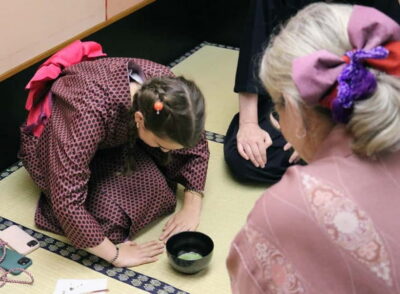
Learn Zen in a class of making Matcha tea near Osaka Castle
Read our review →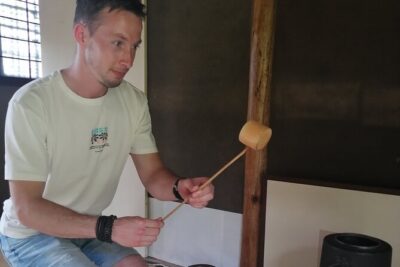
The Art of Mindful Living: Tea Ceremony in Kyoto
Read our review →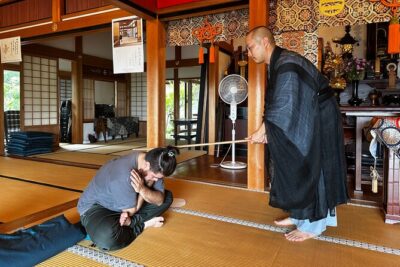
Shizuoka Shore Excursion: Zen, Matcha & Calligraphy Shimizu Port
Read our review →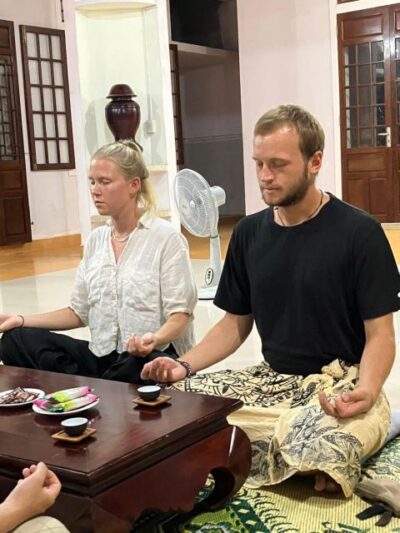
Hue Retreat: Tea and Meditation with Vegetarian Meal
Read our review →Browse the lists this tea experience appears in