
Review · SHIZUOKA
Shizuoka Shore Excursion: Zen, Matcha & Calligraphy Shimizu Port
The nicest surprise here is how much Japanese culture fits into a short shore outing. You move from the old wooden halls of Seiken-ji Temple to seated meditation, matcha, and brush calligraphy at Zuiun-in. I like the easy pace, and I like that the local bus ride is handled as part of the group instead of leaving you to work out the route alone.
The small group, capped at 10, should make it easier to ask questions and get help with the brush. The main thing to consider is timing: you must reach Shimizu Station by 10:20 a.m., and this is a shared public-transport excursion, not a private car tour from the cruise pier.
Key points to know before you book
- A four-part cultural visit: You see a historic temple, try zazen meditation, drink matcha, and practice calligraphy.
- Seiken-ji has a Tokugawa connection: The future shogun Tokugawa Ieyasu studied here as a child.
- Your calligraphy begins with your name: The guide offers kanji characters chosen for the sound of your name and their positive meanings.
- The bus fare is included: Round-trip local bus transportation between Shimizu Station and the temple is covered.
- The pace is gentle: Chairs are available, and the outing is designed without long walking stretches.
- A good cruise-day format: Meet at 10:20 a.m., take the 10:40 bus together, and return to the station at the end.
Why this Shimizu shore excursion feels different
Many port outings try to squeeze in a shrine, a view, a meal, and a shop before sending you back to the ship. This one takes a quieter route. The focus is not on collecting sights. It is on doing a few things with care.
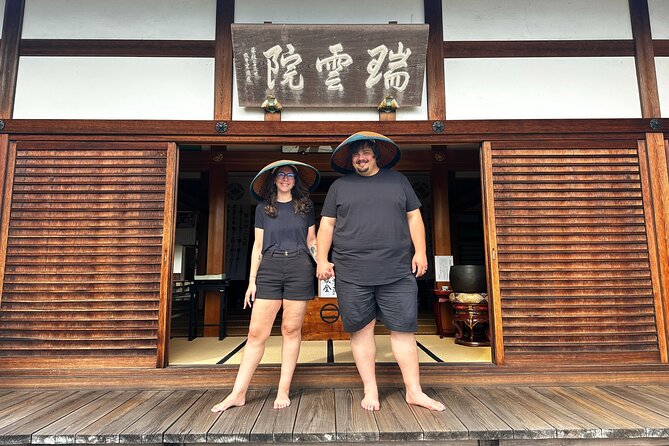
You will visit two temples, but the second visit is more than a quick look around. At Zuiun-in, the cultural lesson becomes hands-on. You sit, breathe, taste, and write. That combination gives you something to remember beyond a set of photographs.
I especially like the balance between explanation and participation. You get context about the places you see, then you have a chance to try parts of Japanese religious and artistic life yourself. The meditation may be brief, but it gives you a direct sense of the stillness that the temple setting is meant to encourage.
The tour receives a five-star rating from all 14 recorded reviews, with 100 percent recommending it. One detailed account praised the background information, described the meditation as moving, and called the calligraphy a special challenge. That is useful guidance: you should book this for cultural contact and personal participation, not for a packed sightseeing checklist.
More Tea and Calligraphy Workshops in Japan
- Osaka: Tea Ceremony, Calligraphy, and Kimono Experience
★ 4.9 · 130 reviews - Experience all of Japanese culture and Japanese food experience classes “origami, udon, Japanese food, green tea, calligraphy” in 4 hours
★ 5.0 · 105 reviews - An Amazing set of Cultural experience: Kimono, Tea Ceremony and Calligraphy
★ 5.0 · 69 reviews
Meeting at Shimizu Station, not the cruise ship
The practical detail that matters most is the meeting point. You make your own way to HELLO CYCLING Japan at Shimizu Station’s Minato Exit, beside the stairs. The address is in Shimizu Ward, postal code 424-0037.
The meeting time is 10:20 a.m. The group plans to take the 10:40 bus together. After booking, you receive a map, a meeting photo, and step-by-step directions, which should help you find the spot without guesswork.
This is a good setup if you are comfortable reaching a Japanese train station independently. It is less convenient if you want to walk straight off a cruise ship and find a guide waiting at the terminal. Hotel pickup, cruise-pier pickup, and private transportation are not included.
The public bus is part of the outing rather than an inconvenience to hide. It lets you see a little of ordinary local travel, and the round-trip fare is already included in the $100 price. You should still allow enough time to get from the port area to the station, since the tour cannot wait for late arrivals.
Seiken-ji Temple and Tokugawa Ieyasu
The first stop is Seiken-ji, a Zen Buddhist temple with more than 1,000 years of history. You will spend about 30 minutes here, with admission included.
The temple is tied to Tokugawa Ieyasu, the founder of the Tokugawa shogunate. He studied at Seiken-ji as a child, giving the site a direct link to one of the most important figures in Japanese history. That connection adds weight to what might otherwise feel like a short temple visit.
Expect time to look at the traditional wooden architecture and the quiet grounds while your guide explains the temple’s role. The visit is short enough to keep the morning moving, but long enough to give you a first look at the setting before the more active portion at Zuiun-in.
A 30-minute stop will not allow for a slow, detailed study of every building or object. If you want hours of temple exploration, this is not that kind of tour. The value is in the setting and the story, especially when paired with the meditation and tea session that follows.
Zuiun-in: a calm introduction to Zen
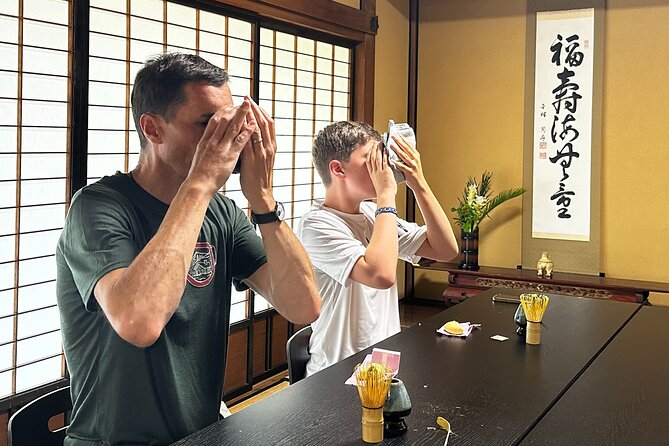
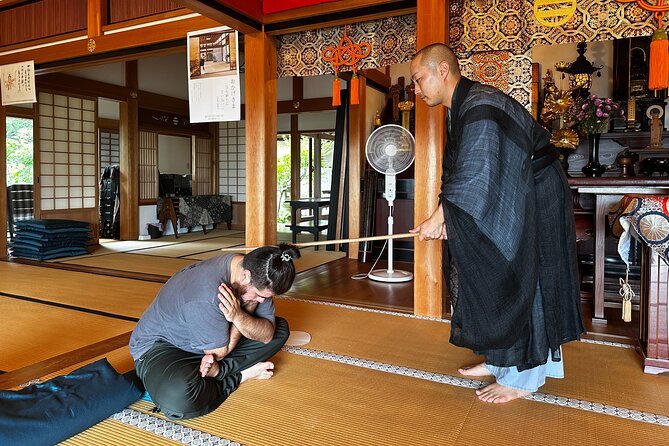
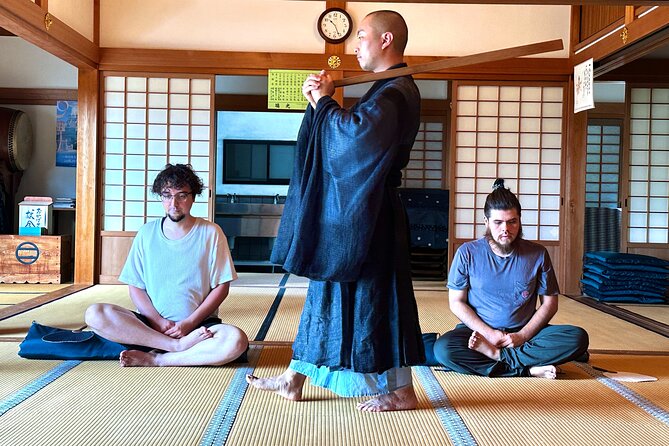
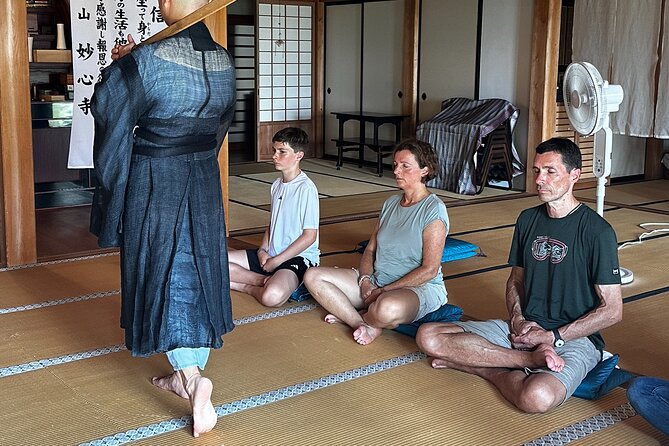
The main cultural session takes place at Zuiun-in and lasts about two hours. It begins with zazen, or seated Zen meditation, led by a Zen monk.
You will receive guidance on posture and breathing, then spend a quiet period focusing on those basics. You do not need to arrive with meditation experience. The point is not to perform perfectly. It is to sit still, follow the instruction, and notice how different the pace feels from a normal port morning.
The meditation is likely to appeal most if you enjoy a thoughtful, quiet activity. It may be less comfortable if you want constant movement or a lively demonstration. Sitting still can feel like a challenge, particularly when you know a ship departure time is somewhere in the back of your mind.
Chairs are available, and comfortable clothing is recommended. That matters because posture is part of the session, and you will want to pay attention without worrying about stiff clothing or an uncomfortable seat. The tour is described as requiring no long walking, but it is still wise to be ready for time seated on the floor or in a traditional room unless you choose a chair.
Same leaf, a different ritual:
- Kyoto: Tea Ceremony in a Traditional Tea House in Kiyomizu
★ 4.9 · 3,519 reviews - Kyoto: Tea Ceremony Ju-An at Jotokuji Temple
★ 4.9 · 3,207 reviews - Kyoto: 45-Minute Tea Ceremony Lesson Experience
★ 4.3 · 2,378 reviews - World Heritage Kyoto & Nara Uji Authentic Matcha Experience
★ 5.0 · 1,573 reviews
Matcha, a seasonal sweet, and Japanese hospitality
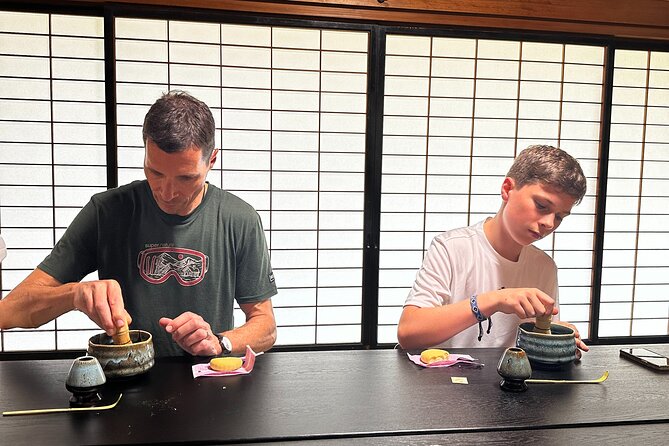
After meditation, you will enter a traditional tatami room for matcha and a seasonal Japanese sweet. The food provided is modest, but it is not meant to be a full meal. It is a small taste paired with an introduction to tea culture and Japanese hospitality.
Matcha has a firm, grassy taste that can surprise anyone expecting ordinary green tea. The seasonal sweet gives you a contrasting flavor and texture, while the setting helps explain why tea service is about more than simply pouring a drink.
I like this part because it gives the morning a natural pause. You have just taken part in meditation, and now you sit with tea in a room designed for quiet attention. The sequence feels more thoughtful than stopping for a quick drink between sights.
Do not book this expecting lunch. Meals are not included, and only the matcha and seasonal sweet are provided. Plan your meal separately before or after the outing, depending on your cruise schedule.
Choosing your kanji and learning to use the brush
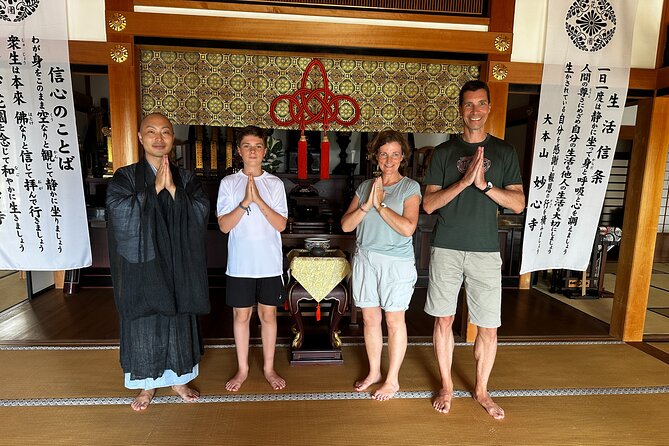
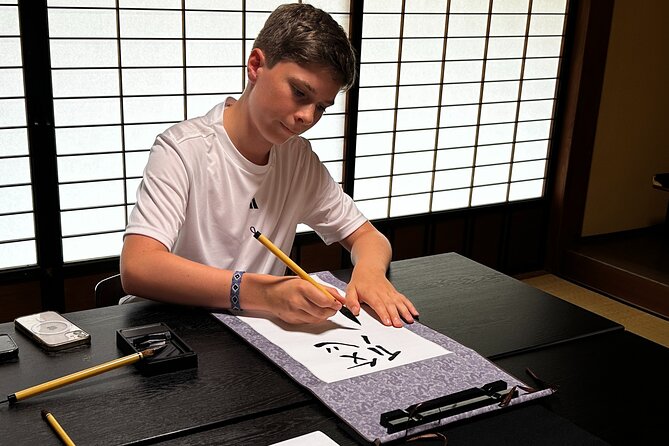
The calligraphy session is the most personal part of the tour. The guide listens to the sound of your name and presents several kanji characters that fit that sound. Each character also carries a positive meaning, with examples including love, peace, and smile.
You choose the character you like best, then learn to write it with brush and ink. This is a smart way to introduce calligraphy because you are not copying a random symbol. You have a reason to care about the character, and its meaning gives the finished piece a personal connection.
Calligraphy looks simple until you try to control the brush. The ink, pressure, angle, and order of strokes all matter. A small group of no more than 10 should help here, since you can get closer attention than in a large class.
You should expect a genuine challenge rather than a polished professional result. That is part of the appeal. The finished work is a record of your attempt, and you can take your calligraphy home. It becomes a useful reminder of the day because it carries both your name’s sound and a chosen meaning.
The guide’s role is important throughout this portion. The experience is English-friendly, so you can ask why certain characters were offered and what they mean. Specific guide names are not provided, but the local English-speaking guide is described as offering cultural insight rather than simply directing the group from stop to stop.
What the $100 price covers
At $100 per person, this is not the cheapest way to spend a morning in Shimizu. The price makes more sense when you add up what is included: Seiken-ji admission, round-trip bus fare, guided meditation with a Zen monk, matcha, a seasonal sweet, and the calligraphy lesson.
You are also paying for coordination. The guide meets you at the station, organizes the bus ride, leads you through two temple settings, explains the customs, and helps you handle the brush work. For a cruise stop, that can be worth more than a low-cost self-guided visit, especially if you have limited time and do not read Japanese.
The value is strongest if you would otherwise struggle to arrange the temple visits and a cultural class on your own. It is weaker if you mainly want scenic views, a substantial meal, or a private vehicle. Those are not the strengths of this outing.
Remember that the price does not include transportation to the meeting point, hotel or cruise-pier pickup, lunch, extra drinks, or souvenirs. You should also budget time and money for getting to Shimizu Station on your own.
Timing, walking, and group size
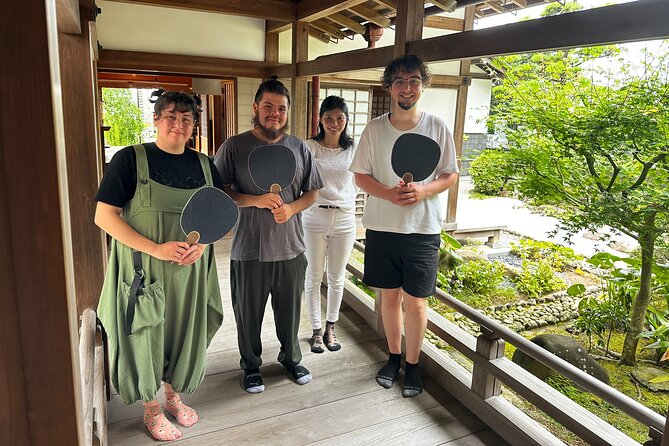
The experience is listed at about three and a half hours, while the schedule describes it as roughly four hours. The exact return time can depend on the public bus and the pace of the group, so you should treat the morning as a half-day commitment.
The scheduled start is firm at 10:20 a.m., followed by the 10:40 bus. That makes this a better fit for a cruise call with enough time in port after you have reached the station. You should not book it if your ship’s schedule gives you only a narrow window or if you expect to return to the pier immediately after the activity.
Walking is described as easy, with no long walks. Even so, this is a temple visit, a bus outing, and a seated cultural session, not a fully accessible private tour with door-to-door service. Chairs are available, and most people can participate, but you should contact the provider before booking if you have specific mobility needs that are not covered by the general description.
The group limit of 10 is one of the strongest practical features. A small group makes the bus transfer less confusing and gives you more room to ask about meditation, tea, or the characters used in your calligraphy.
Who should choose this experience
I would recommend this tour to you if you want a calm and personal introduction to Japanese culture. It fits solo visitors, couples, families with an interest in crafts, and cruise passengers who prefer a meaningful activity to a long list of stops.
It is also a good choice if you have never tried meditation or calligraphy. The guide and monk provide structure, so you are not expected to know what to do before you arrive. Comfortable clothes will help, and an open attitude matters more than artistic skill.
You may want a different outing if your priority is Mount Fuji scenery, shopping, a full meal, or a private sightseeing vehicle. None of those are promised here. This tour is about temples and participation.
The calligraphy may be especially appealing if you want a small souvenir that you made yourself. The meditation and tea also give the day a slower rhythm, which can be welcome after a busy cruise itinerary.
Booking and cancellation details
You receive confirmation at booking, and the activity is near public transportation. The provider allows free cancellation up to 24 hours before the start time for a full refund.
Cancellations or changes made less than 24 hours before the start are not accepted for a refund. The cut-off follows local Shizuoka time, so check the timing carefully if your cruise schedule changes.
Should you book this Shimizu port tour?
Book it if you want more than a quick look at a temple. The combination of Seiken-ji, a Zen monk-led meditation, matcha in a tatami room, and personalized kanji calligraphy gives you several ways to connect with local culture in one compact morning.
The best reasons to choose it are the small group, the included bus fare, and the personal calligraphy session. The main cautions are the off-ship meeting point, the fixed 10:20 start, the lack of lunch, and the shared public transportation.
For a relaxed, hands-on cultural morning at $100, I consider the price fair if you would value guidance and structure. If you want a fast sightseeing circuit or a private ride from the port, save your money for another option.
FAQ
Where does the tour begin?
The tour begins at HELLO CYCLING Japan at Shimizu Station’s Minato Exit, beside the stairs.
What time should I arrive?
You should arrive by 10:20 a.m. The group plans to take the 10:40 bus together.
Does the tour include transportation?
Yes. Round-trip local bus fare between Shimizu Station and the temple is included. Transportation to the meeting point is not included.
Does the tour provide cruise-port pickup?
No. Cruise-pier pickup and private transportation are not included. You must reach Shimizu Station on your own.
How long does the experience last?
The activity lasts approximately three and a half hours. The schedule also describes it as roughly four hours, so allow a half-day window.
How many people can join?
The group has a maximum of 10 people.
Is the tour conducted in English?
Yes. The experience includes a local English-speaking guide.
What activities are included?
The tour includes visits to Seiken-ji and Zuiun-in, guided zazen meditation, matcha with a seasonal Japanese sweet, and a Japanese calligraphy activity.
Is lunch included?
No. Meals are not included. The matcha and seasonal sweet are the only food and drink provided.
Can I cancel for a full refund?
Yes. You can cancel at least 24 hours before the start time for a full refund. Changes or cancellations made less than 24 hours before the start are not accepted for a refund.
More Matcha Experiences in Japan
- Kyoto: Arashiyama Bamboo Forest, Monkeys, Matcha & Temple Tour
★ 5.0 · 759 reviews - Matcha Making Class in Tokyo with Authentic Japanese Sweets Set
★ 5.0 · 744 reviews - Kyoto: Tea Museum Tickets and Matcha Grinding Experience
★ 4.9 · 739 reviews - Matcha Making Class in Osaka with Authentic Japanese Sweets Set
★ 5.0 · 509 reviews
More Zen Tea Sessions around Japan
- Kyoto: Tea Ceremony Meditation – Make Matcha with Tea Master
★ 4.8 · 406 reviews - Kyoto: Mindful Tea Ceremony in 100-Year-Old Teahouse
★ 4.8 · 160 reviews - Tokyo: Practicing Zen with a Japanese Tea Ceremony
★ 4.7 · 105 reviews - Nara:5 Type of Tea Tasting & Mindful Tea Ceremony
★ 5.0 · 28 reviews
Newly steeped around Japan
- Yokohama : Tea Ceremony with Sweets and Souvenir★ 5.0 · 5 reviews
- Whisk Your Own Matcha: A Zen Matcha Experience at Temple★ 3.6 · 7 reviews
- Walking Tour: Yanaka,Nezu& Sendagi: Tea Ceremony & Old Tokyo★ 5.0 · 3 reviews
- Visit local home for music and tea ceremony near Disney★ 4.9 · 13 reviews
- Trip to Kamakura & Enoshima: Shrines, Seaside, Temples &Tea★ 5.0 · 11 reviews
- Yokohama: Sushi & Gyoza Cooking with Matcha & GreenTea Experience★ 5.0 · 3 reviews
- Kyoto tea town for matcha lovers★ 5.0 · 16 reviews
- Uji: Private immersion into Kyoto’s tea and reglious culture★ 5.0 · 17 reviews
Zen Tea & Meditation Experiences, compared.
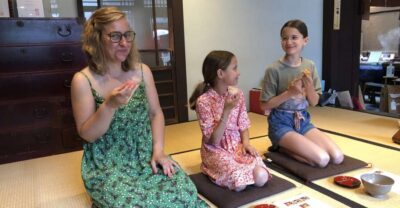
Kyoto: Tea Ceremony Meditation – Make Matcha with Tea Master
Read our review →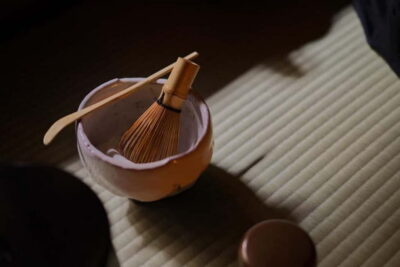
Kyoto: Mindful Tea Ceremony in 100-Year-Old Teahouse
Read our review →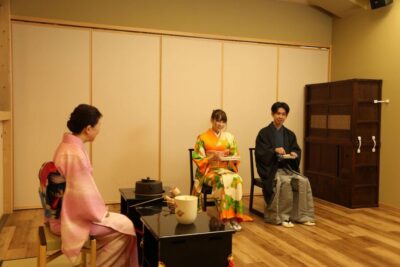
Tokyo: Practicing Zen with a Japanese Tea Ceremony
Read our review →
Nara:5 Type of Tea Tasting & Mindful Tea Ceremony
Read our review →
Learn Zen in a class of making Matcha tea near Osaka Castle
Read our review →
The Art of Mindful Living: Tea Ceremony in Kyoto
Read our review →
Hue Retreat: Tea and Meditation with Vegetarian Meal
Read our review →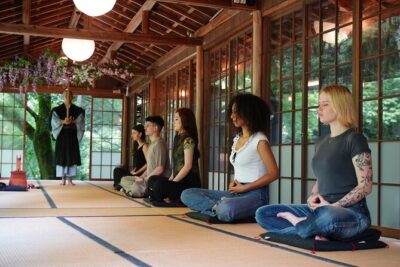
Kyoto Hidden Riverside Zen Mediation and Uji Matcha Experience
Read our review →Browse the lists this tea experience appears in